

Review: Westcott Optical Spot by Lindsay Adler
Friday 9 December 2022, 10:01 by Elja Trum | 5,093 views | 0 commentsThis article was translated from Dutch with the help of AI. Read the original.
Tired of the standard studio look you create with softboxes and grids? Then Westcott's Optical Spot is exactly what you need for a creative boost.
What is an optical spot?
The Optical Spot is a light modifier, just like a softbox or snoot, for example. So you still need to have a flash or continuous light yourself to use it.
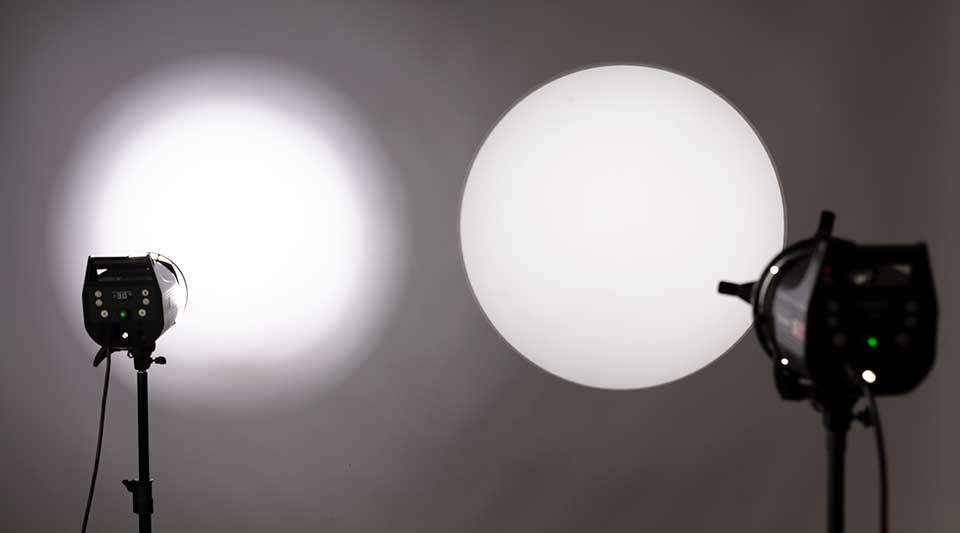
An optical spot allows you to control light very precisely. You can create a real spotlight, choosing between razor-sharp edges or a softer transition.
To achieve this, the light is directed through a lens. This allows you to focus the beam, just as you do with your camera. That makes those sharper edges possible.
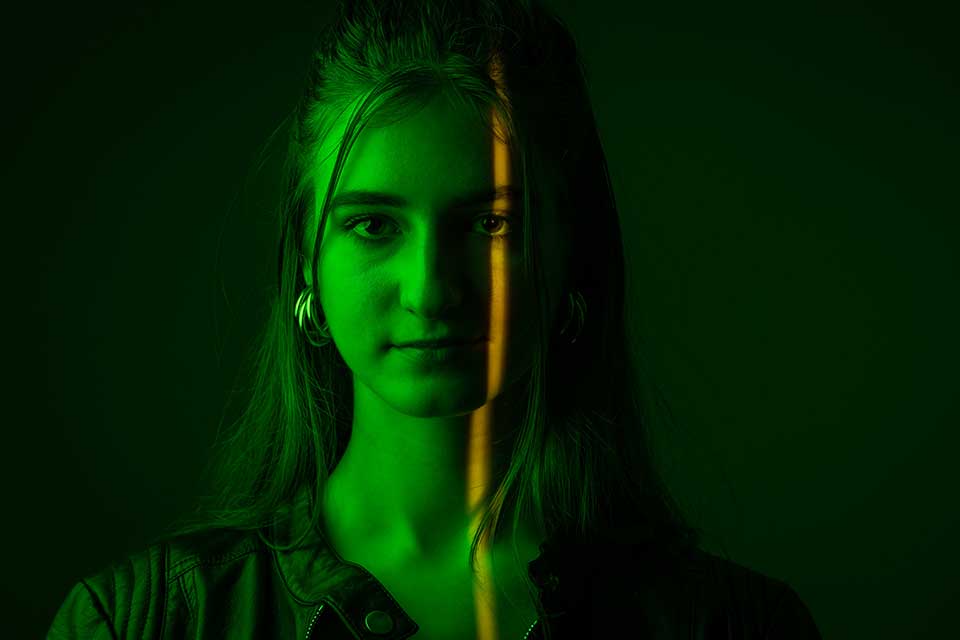
The Optical Spot consists of various parts. You have the optical spot itself, a supplied lens, a filter holder for colour filters and an adapter ring for gobos. Westcott supplies 8 gobos and 5 colour filters as standard for use with the Optical Spot.
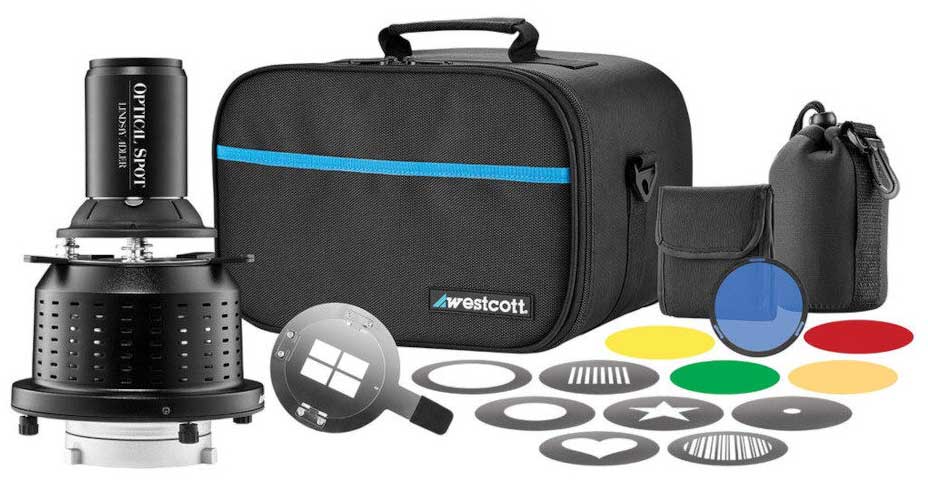
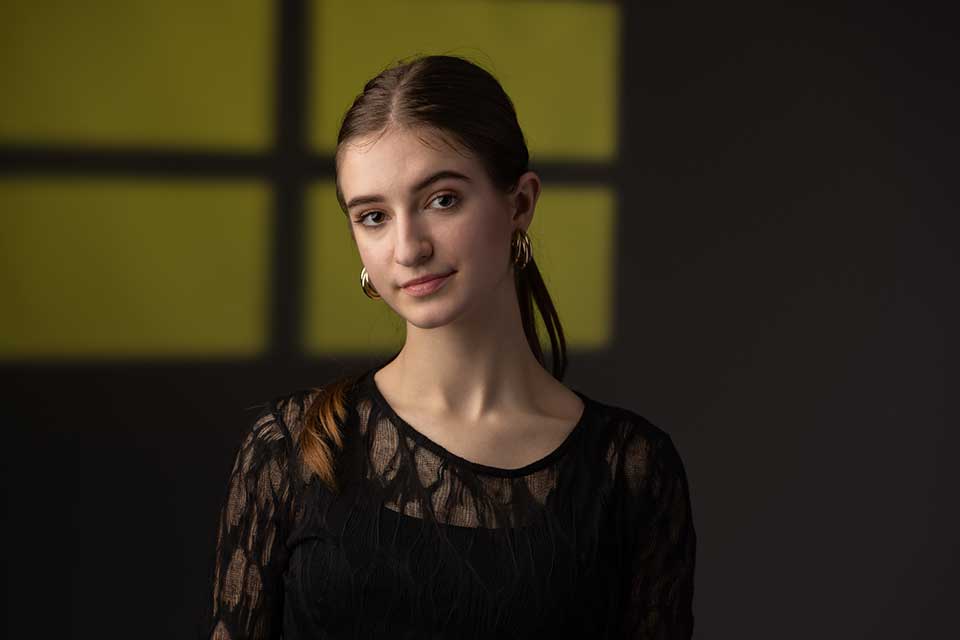
A gobo stands for 'go between optics', so it is something you place right in the middle of the optical spot. It then creates a specific shadow.
Various adapter rings are available for the Optical Spot. There is therefore a very good chance that it will fit your flash too. You can get an adapter for Elinchrom, Bowens, Profoto, Broncolor and Balcar.
A lens is supplied to create the spot effect, but the mount of the Optical Spot is Canon. This means you can use all existing Canon lenses with it. This also gives you the option of combining, for example, a wide-angle lens with the Optical Spot.
The Westcott Optical Spot also comes with four flags. You can use these to flag off part of the light. This lets you create a square or triangular spot, for example. You can also create a specific strip with the thickness you prefer.
Watch out for heat
A lamp needs to be on while you are taking photos to see the effect of the optical spot. Because it often requires very precise positioning, you really want to see the effect before taking the photo.
The modelling light on your flash therefore needs to be on. If you have a modern flash with an LED modelling light, you will have no problem. If, like me, you still have an old-fashioned modelling light, the Optical Spot will get hot. Very hot.
So be careful when you want to adjust the optical spot. There is also a chance that your flash will shut down because it overheats.
I personally had no problems with it shutting down during a three-hour shoot, but it can be a good idea to turn down the modelling light. This means the Optical Spot, and therefore your flash, heats up less. This can also work fine if you are working in a dark studio.
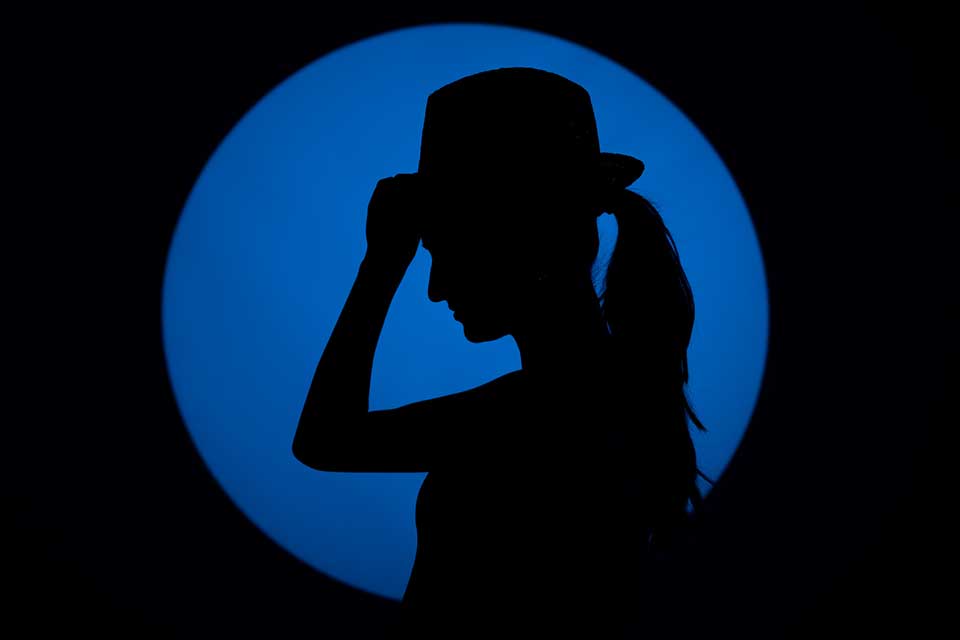
Expansion kits
Various expansion kits are available for the Optical Spot. What comes as standard is fun to get started with, but you soon want some extra options. There are currently two different colour filter kits and two different gobo kits available.
For the colour filters, you can of course also simply attach filters you already have in your studio to the Optical Spot. You can also try DIY solutions for the gobos, but the gobo kits quickly become interesting after all.
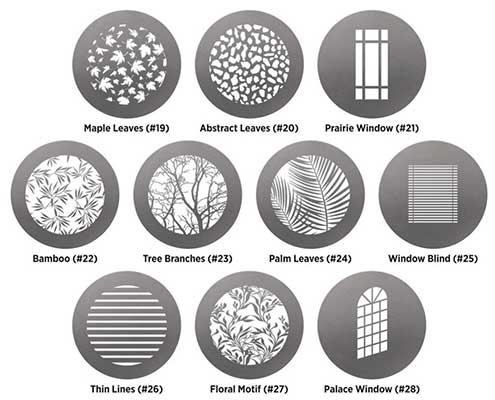
Unfortunately, the expansion kits for the gobos are quite expensive at €129. You can buy an extra set of colour filters for €38.
Alternatives
At €649, the Westcott Optical Spot is unfortunately quite expensive. There are alternatives available too, of course. One alternative is Photoshop. You can create many of the effects possible with this optical spot using Photoshop too, provided you have practised a little.
There are also alternatives for sale that are often cheaper than this one from Westcott. I have not yet had any experience with how they perform in practice.
Conclusion
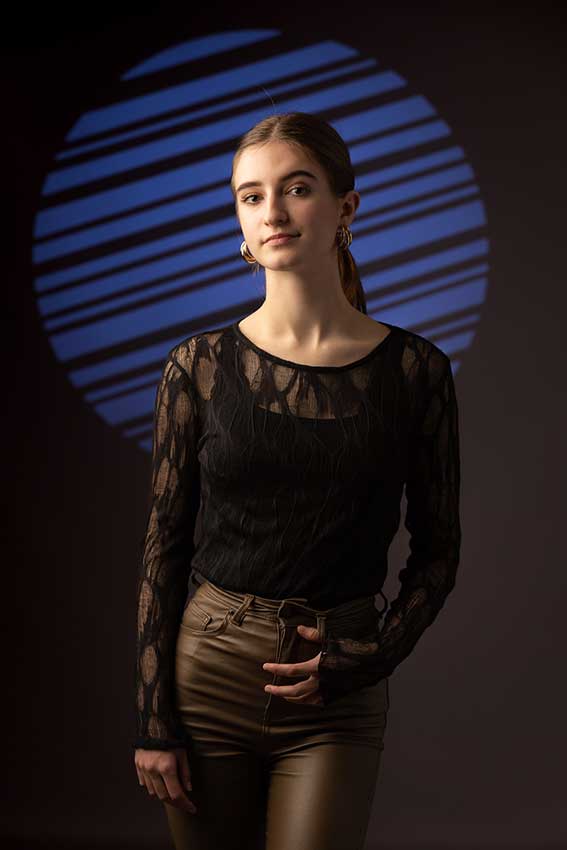
In my opinion, the Westcott Optical Spot by Lindsay Adler is a great addition to any studio. It gives you options that no other light modifier can provide.
A disadvantage can therefore be that once you start using the Optical Spot, you may want several of them. That way, you can light both your model and your background very precisely.
Westcott's Optical Spot is a complete set that you can start using straight away. It immediately gives you plenty of new creative options.
The build quality is perfectly good, and it is great that you can also use Canon lenses as an alternative to the supplied lens. This gives you even more options in a simple way.
At €649, the Westcott Optical Spot is unfortunately not exactly cheap, but on the other hand, you can also pay a similar amount for a good softbox. You will have to decide for yourself whether you would use the options offered by this light modifier enough in your situation.
I have added an optical spot to my wish list anyway.
» Order the Westcott Optical Spot
About the author
Elja Trum is the founder of Photofacts and online photography course website Photofacts Academy. He has been writing about photography since 2006. Elja is also the author of (Dutch) books on composition, black-and-white photography, flash photography and portrait photography.
You might also like
-
 Control your light with an optical spot
by Elja Trum
-
 Marilyn Monroe-inspired nude shoot by Lindsay Adler
by Elja Trum
-
 Lensbaby Double Glass II Optic announced
by Elja Trum
-
 Colourful fashion shoot with Lindsay Adler
by Elja Trum
-
 Medusa Halloween Photoshoot with Lindsay Adler
by Elja Trum

0 comments
Be the first to share what you think!
Have your say
Please note: Articles older than a week can only be commented on by signed-in visitors.Would you still like to comment? sign in or create a free account.
Become a better photographer every week
A practical photography tip in your inbox every week.
39,079 photography enthusiasts already receive the tips! More about the weekly mail. Or keep up to date via  Facebook.

Elja Trum
Photofacts; everything to do with photography!
Would you like to take better photos and keep up with what is happening in photography? Photofacts publishes articles that teach you something about photography — from a product announcement to a practical shooting tip or a look at a website. Photofacts covers photography every day and is a hobby project of Elja Trum's that got out of hand. The articles are written by a team of volunteer authors. If you would enjoy writing one or more articles for Photofacts, do get in touch.More about PhotofactsPhotofacts is made possible in part by
