

Taking the Direction of Light into Account
Sunday 11 October 2026, 13:31 by Nando Harmsen | 57 views | 0 commentsThis article was translated from Dutch with the help of AI. Read the original.
As a photographer, you are looking for light. Naturally, you want the best possible light. It is important to take the direction of the light into account. This determines the quality of the light.
Light drives away darkness. That is why, as photographers, we look for light. This can be existing light, such as lamps in a room or daylight. We can also bring our own light.
The point is to make the best possible use of the light available to us. After all, the light determines what the photo looks like. We strive for the best quality of light.
There is no such thing as bad light. Is the light in the photo not right, or not of the quality you want? Then you are doing something wrong as a photographer. You are not taking the direction of the light into account.
Light from the side
Is the light coming from the left or right? This is called raking light. It often produces beautiful quality light. A subject has light and shadow, making its contours visible.
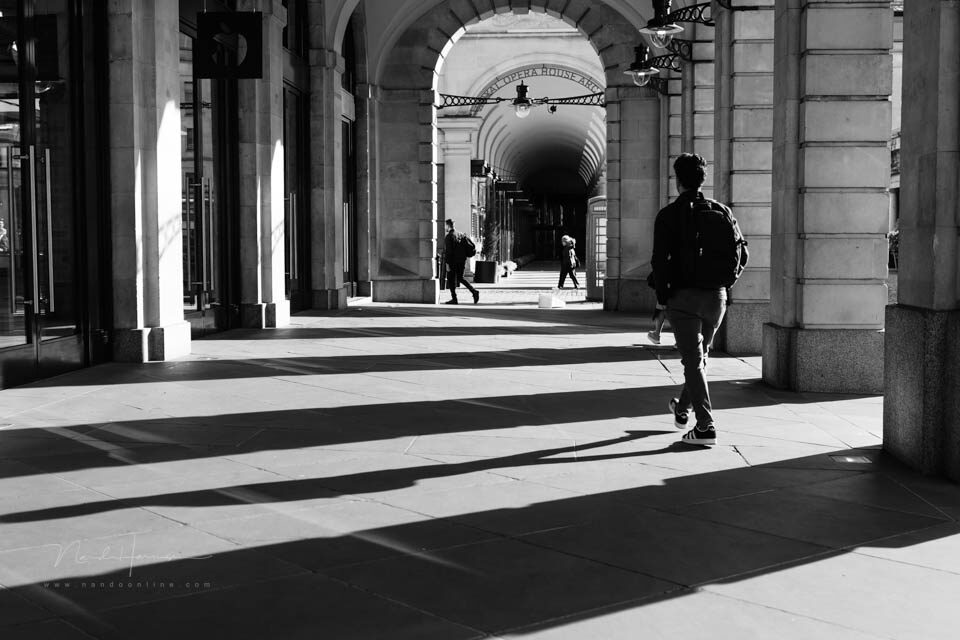
Raking light creates light and shadow - f/4.5, 1/200s, 100 ISO @ 50mm
Raking light creates depth because one part is illuminated and another part is in shadow. Sometimes there is a danger that shadows fall in the wrong places. Sometimes you can make use of this.
Backlighting
Are you photographing towards the light source? Then you have backlighting. This often creates a lovely atmosphere. Take silhouettes into account and make use of them. Sometimes you get a rim of light around the subject.
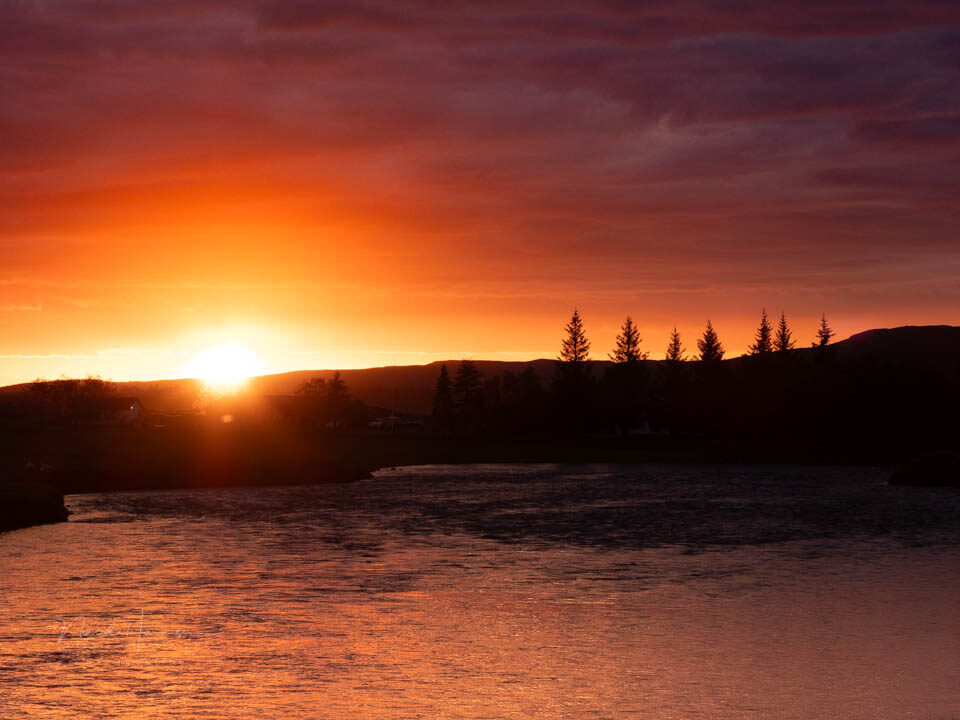
Backlighting during a sunset - f/8, 1/125s, 400 ISO @ 61mm
Avoid brightening the silhouettes with backlighting. Point your camera at the part that is not in direct light. Do not try to 'correct' this in post-processing.
With the light
When the light source is behind you, you photograph in the direction of the light. Everything is lit from the front, so there are no shadows. The photo often looks flat and uninteresting.
This light is the same as using direct flash. We hate this kind of light. Natural light can produce a similar effect. Try changing your position, or moving the subject.
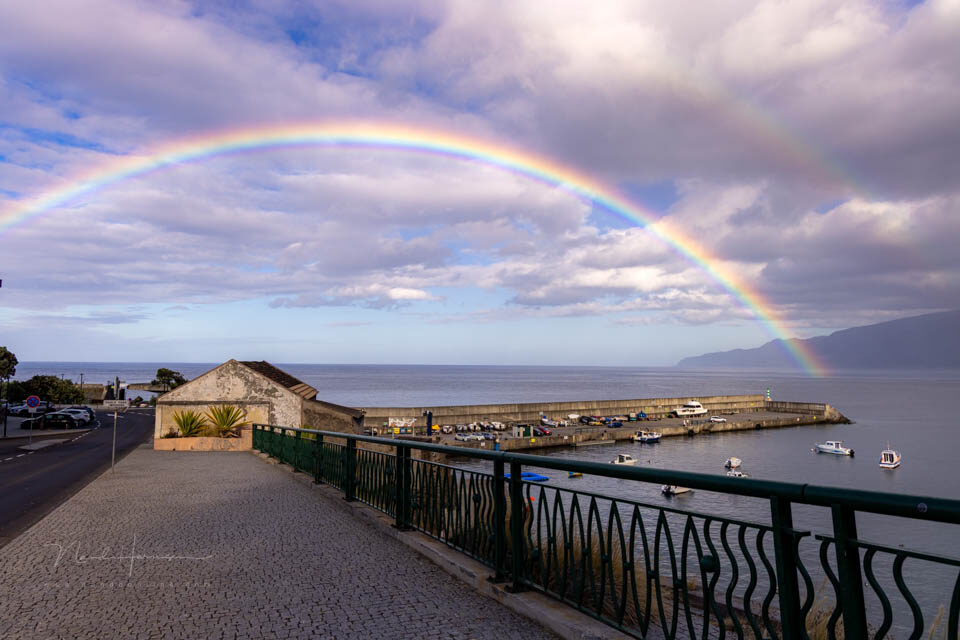
To capture a rainbow, you have to photograph with the light - f/8, 1/800s, 200 ISO @ 24mm
Sometimes front lighting is necessary. For example, it is the only way to capture a rainbow. Front lighting is not wrong, you just need to take it properly into account.
Light from above
When the light comes directly from above, you often get unattractive shadows. With sunlight, this is called hard light. With artificial light, such as fluorescent tubes and ceiling lights, we often accept it.

Light from above is not flattering. Try to avoid it. - f/4, 1/200s, 800 ISO @ 85mm
Light from above is rarely flattering for people. It casts shadows in the eye sockets, under the nose and under the chin. A flash is usually necessary if you want to improve the quality of the light.
Even light
If the light comes from all directions at the same time, it is called even light. This can be caused by a cloudy sky or by artificial light in a room full of light or white walls.
Even light creates few or no shadows. This can result in low contrast. Unless your subject has contrasting tones that stand out strongly against the evenly lit surroundings.
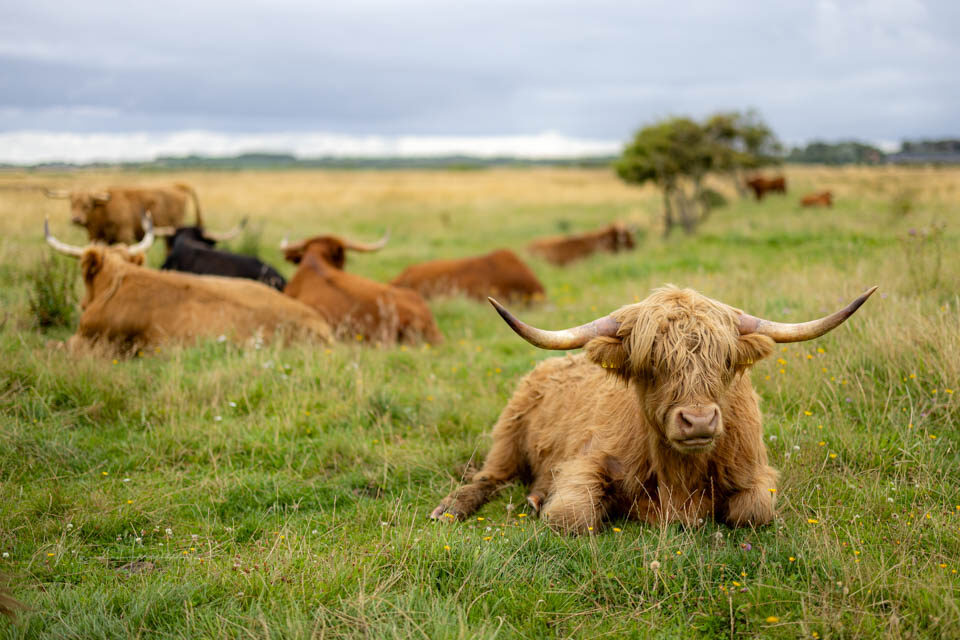
The light under a cloudy sky - f/1.2, 1/4000s, 100 ISO @ 50mm
Even light and the absence of shadows are ideal for seeing all the details of a subject clearly. In a studio, you could achieve this by using enormous softboxes.
Never complain about bad light
Do not complain too quickly that the light is no good. Think in terms of solutions instead. Use the light and adapt your photos to it. Accept the light you have and work with it.
Are you often in situations where the light is not what you want? Then bring your own light. Do not be that 'natural light photographer', but someone who does as much as possible to create the desired quality of light.
About the author
Nando Harmsen has been photographing for more than 40 years. He specialises in wedding photography and landscape photography. Nando also gives talks, workshops, masterclasses and photo trips, and regularly reviews new and interesting equipment.
You might also like
-
 Play with silhouettes
by Nando Harmsen
-
 The three directions of light
by Nando Harmsen
-
 Silhouettes in nature photography
by Nando Harmsen
-
 Pay attention to the direction of light when editing
by Nando Harmsen
-
 Portrait photography tip: Playing with backlighting
by Elja Trum
0 comments
Be the first to share what you think!
Become a better photographer every week
A practical photography tip in your inbox every week.
39,078 photography enthusiasts already receive the tips! More about the weekly mail. Or keep up to date via  Facebook.

Elja Trum
Photofacts; everything to do with photography!
Would you like to take better photos and keep up with what is happening in photography? Photofacts publishes articles that teach you something about photography — from a product announcement to a practical shooting tip or a look at a website. Photofacts covers photography every day and is a hobby project of Elja Trum's that got out of hand. The articles are written by a team of volunteer authors. If you would enjoy writing one or more articles for Photofacts, do get in touch.More about PhotofactsPhotofacts is made possible in part by
