

Shadows are more important to your photo than you think. Often essential.
Saturday 26 April 2025, 13:31 by Nando Harmsen | 3,559 views | 1 commentThis article was translated from Dutch with the help of AI. Read the original.
Where there is light, there are usually shadows. Shadows are dark, and without darkness, the light does not stand out. They are very important in a photo and should be included in the composition wherever possible. They are not a given, but an essential part of the photo.
Do you have a light source, such as the sun? Then there are shadows. Only with an evenly overcast sky is it as if the light is coming through a world-sized softbox. Then there are no shadows.
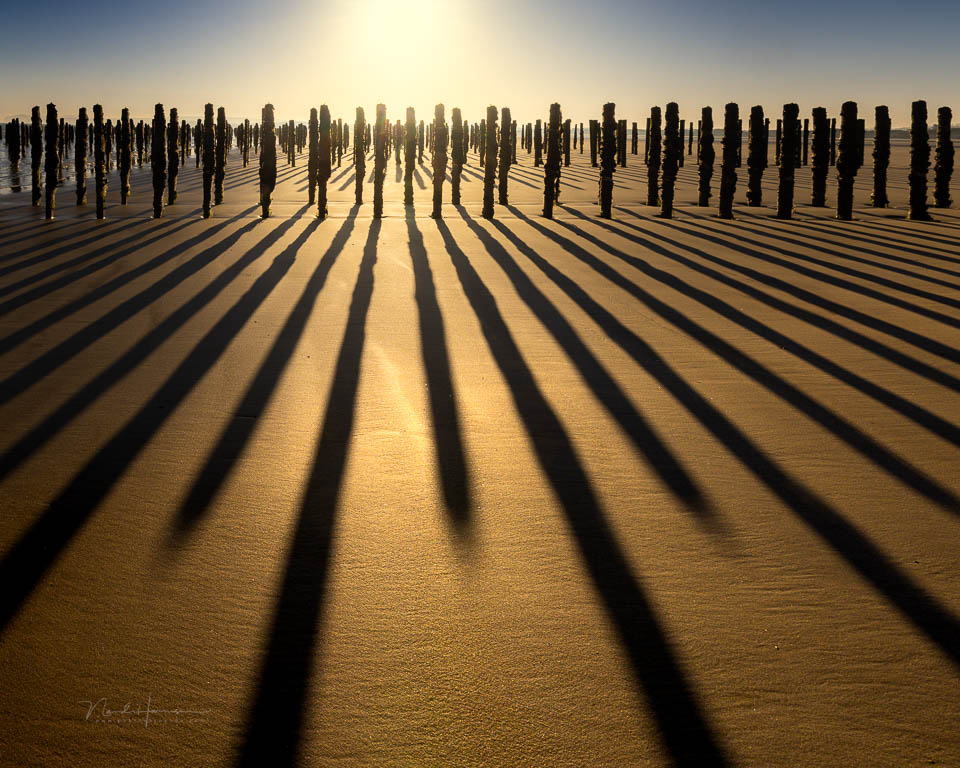
If there is sun, there are always shadows running through your image. They are important. They form patterns, add depth and can be used as a compositional element.
They are lines or shapes. They make the subject stand out from its surroundings in the light. We always look at the lightest part of the photo. That is only possible if there are dark parts: shadows.
Use shadows. Do not take them for granted or try to avoid them. Use them in your composition to strengthen the image. Who knows, they may even become the subject.
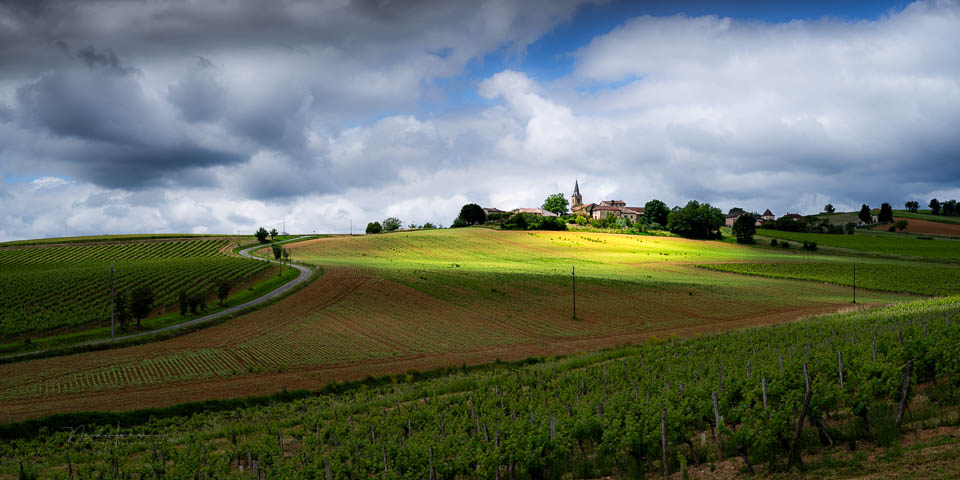
A cloud's shadow across the landscape is something we as landscape photographers are quite familiar with. At least, when you also take photos during the day. But there are also the long shadows in the morning or evening.
The shadow of trees, creating a line pattern across a path or road. Or the shadow of gnarled tree branches on the water. It could be the long shadow of a bench on a road, a place from which you can watch the sun set.
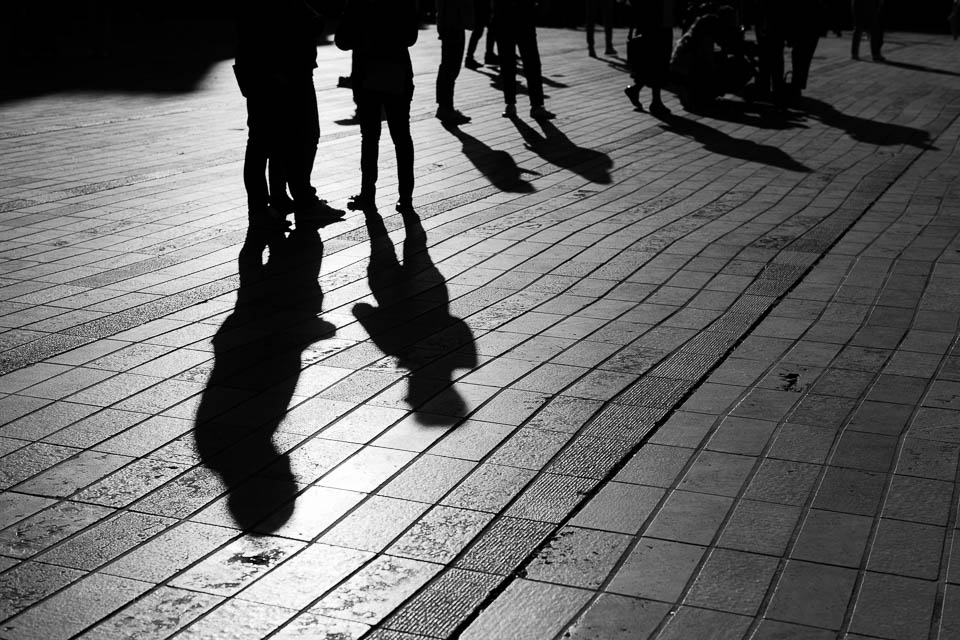
Include these shadows in the composition, in the structure of your image. Use them consciously and make them part of something bigger. Embrace shadows, because without dark shadows, your photo has no contrast.
As far as contrast is concerned, avoid blindly brightening shadows. Do not give in to the urge to show full detail in everything in the image. Shadows conceal things, make the image calmer and more exciting. Sometimes they even stimulate the imagination.
A photo where everything is visible down to the smallest detail is a photo that leaves nothing to the imagination. It is a record without a soul. It is precisely the dynamics of shadows in an image that bring the soul back. They make the viewer pause at your photo for longer.
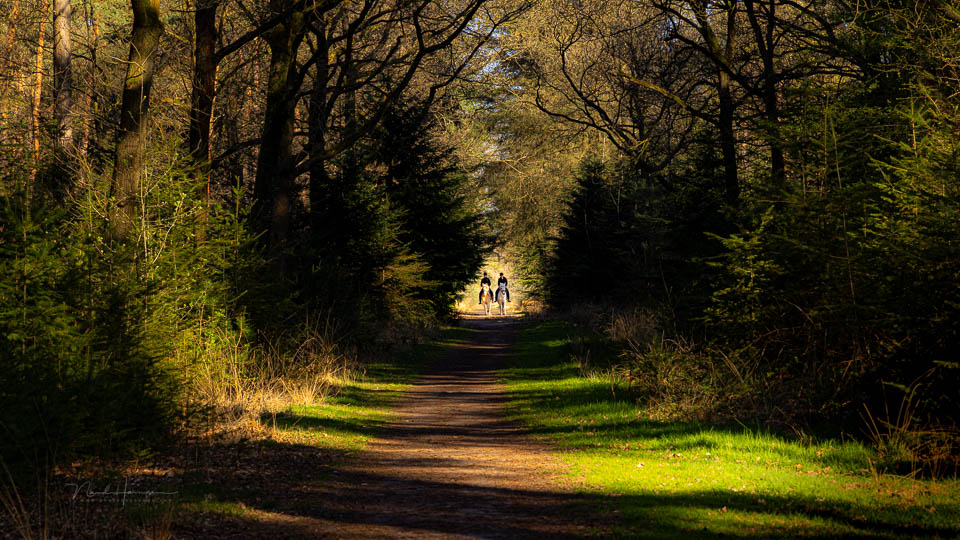
That does not mean that a shadow has to be black. That is not possible, because there is always a little light. Even in the darkest shadows. Let it be on the edge of recognisability if you want it to be extremely dark. But do not reveal the details. Leave that to the viewer's imagination.
About the author
Nando Harmsen has been photographing for more than 40 years. He specialises in wedding photography and landscape photography. Nando also gives talks, workshops, masterclasses and photo trips, and regularly reviews new and interesting equipment.
You might also like
-
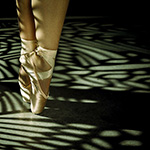 Do you use shadows as a compositional element?
by Nando Harmsen
-
 Street photography tip: Embrace the shadow
by Michiel Heijmans
-
 Look More Closely at Shadows
by Nando Harmsen
-
 Street photography tip: Photograph the harsh shadows of summer
by Michiel Heijmans
-
 Removing shadows from faces with AI
by Elja Trum

1 comment
-

 Donald Willemsen
wrote on Sunday 18 May 2025 at 23:02
| reply
Donald Willemsen
wrote on Sunday 18 May 2025 at 23:02
| reply
I agree with you Nando. I do think that when an interesting part of the photo is in harsh shadow, you may brighten it a little without doing violence to the shadow. Personally, I find shadows work most pleasantly in black-and-white photos.
Translated from Dutch.
Have your say
Please note: Articles older than a week can only be commented on by signed-in visitors.Would you still like to comment? sign in or create a free account.
Become a better photographer every week
A practical photography tip in your inbox every week.
39,079 photography enthusiasts already receive the tips! More about the weekly mail. Or keep up to date via  Facebook.

Elja Trum
Photofacts; everything to do with photography!
Would you like to take better photos and keep up with what is happening in photography? Photofacts publishes articles that teach you something about photography — from a product announcement to a practical shooting tip or a look at a website. Photofacts covers photography every day and is a hobby project of Elja Trum's that got out of hand. The articles are written by a team of volunteer authors. If you would enjoy writing one or more articles for Photofacts, do get in touch.More about PhotofactsPhotofacts is made possible in part by
