

Flowing Water and Choosing the Shutter Speed
Tuesday 21 July 2026, 15:30 by Nando Harmsen | 1,253 views | 0 commentsThis article was translated from Dutch with the help of AI. Read the original.
You can photograph flowing water in many different ways. The shutter speed determines what the photo looks like. Do you choose a fast one, a slow one, an extremely slow one, or something in between? There is no right or wrong, only a choice.
I once stood in front of a room full of enthusiastic photographers talking about photographing water. Naturally, using slow shutter speeds was part of it. Until someone responded that this was not reality.
The gentleman thought you should use fast shutter speeds, because that was how things really were. The response from the room surprised me. Frozen drops hanging in the air are not reality either, someone shouted.
Let's be honest. Photographing flowing water with a shutter speed that is too slow will remove all movement from the water. A shutter speed that is too fast will freeze the movement completely. Neither is real.
Choosing the shutter speed is a personal choice. Choose the shutter speed for the effect you like. It doesn't matter what someone else thinks. It's your choice. There is no right or wrong.
Tastes differ. But that also means you need to think carefully about what you want to show with your photo. Especially with moving water, one second more or less can make a world of difference.
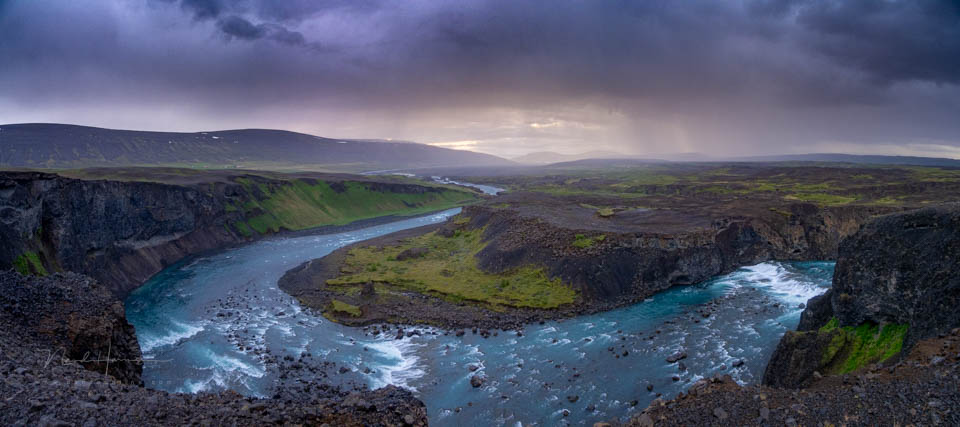
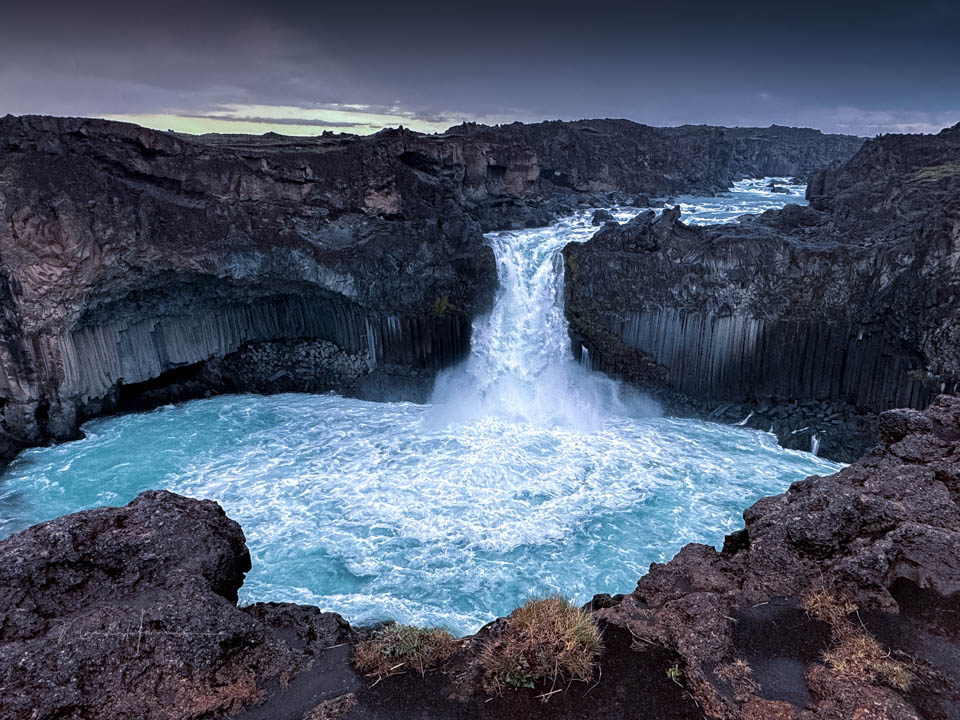
I was standing by Aldeyarfoss waterfall just after midnight, together with the participants on my Iceland photography trip. Unfortunately, it was raining, but that's beside the point. How do you photograph the waterfall then? Which shutter speed is best?
You can choose a very fast shutter speed, which is quickly what you do when it rains. The movement of the water can no longer be seen. There is no dynamics left, just a frozen moment in time.
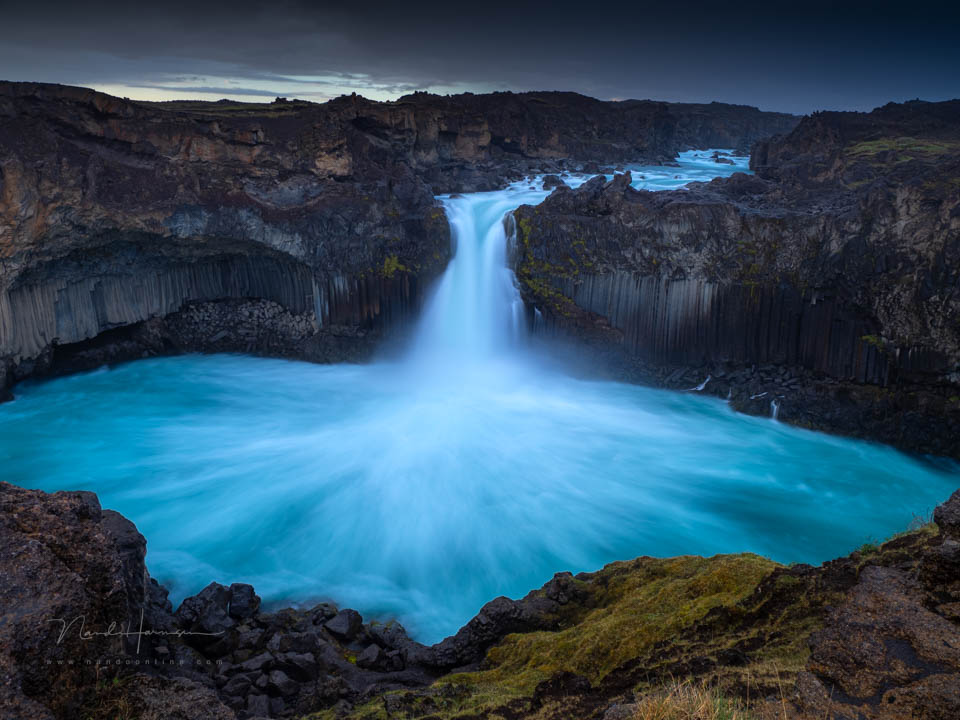
You can also choose a slow shutter speed. You will no longer see individual drops of water. The movement of the water is stretched into lines. These lines can be used in your composition.
It is also possible to choose a shutter speed somewhere between slow and fast. This avoids both the movement of the water being stretched into lines and the frozen moment.
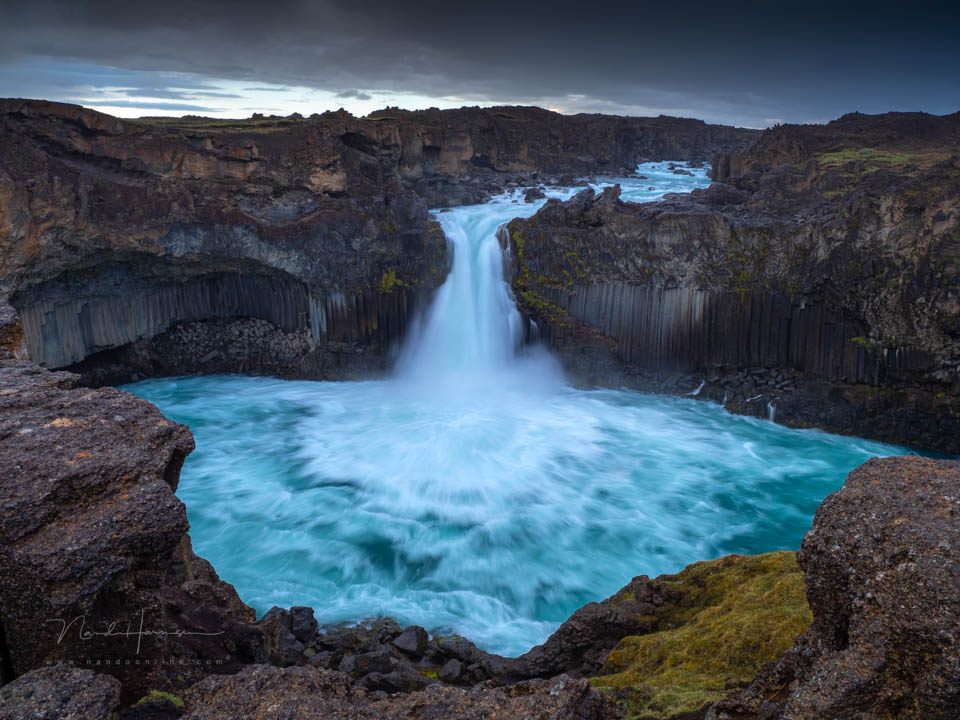
In this case, I think the last one is the best choice. It emphasises the enormous power of the water as it falls through that narrow opening in the basin. Of course, this choice is personal.
Which version do you like best? Do you like water frozen in time, or water stretched into lines? Perhaps you agree with me and think the middle ground is best in this case.
About the author
Nando Harmsen has been photographing for more than 40 years. He specialises in wedding photography and landscape photography. Nando also gives talks, workshops, masterclasses and photo trips, and regularly reviews new and interesting equipment.
You might also like
-
 How to Photograph Flowing Water Realistically
by Nando Harmsen
-
 Portrait shoot ideas: cool off with water
by Elja Trum
-
 Photographing reflections in water
by Nando Harmsen
-
 Striking portraits with a water shoot
by Elja Trum
-
 Watch water and wind when setting up a tripod
by Nando Harmsen
-
 Street photography tip: Use water for surprising compositions
by Michiel Heijmans
0 comments
Be the first to share what you think!
Have your say
Please note: Articles older than a week can only be commented on by signed-in visitors.Would you still like to comment? sign in or create a free account.
Become a better photographer every week
A practical photography tip in your inbox every week.
39,079 photography enthusiasts already receive the tips! More about the weekly mail. Or keep up to date via  Facebook.

Elja Trum
Photofacts; everything to do with photography!
Would you like to take better photos and keep up with what is happening in photography? Photofacts publishes articles that teach you something about photography — from a product announcement to a practical shooting tip or a look at a website. Photofacts covers photography every day and is a hobby project of Elja Trum's that got out of hand. The articles are written by a team of volunteer authors. If you would enjoy writing one or more articles for Photofacts, do get in touch.More about PhotofactsPhotofacts is made possible in part by
