

How to Photograph Flowing Water Realistically
Tuesday 6 May 2025, 19:19 by Nando Harmsen | 4,033 views | 2 commentsThis article was translated from Dutch with the help of AI. Read the original.
There are several ways to photograph flowing or moving water. But what is a realistic way to do it? Should you choose a fast shutter speed, or not? Is there a clear answer?
I like photographing with long shutter speeds. Sometimes extremely long to create a minimalist or even a kind of fine-art look. Sometimes relatively short to capture the dynamics of the water. Or is an extremely fast shutter speed needed?
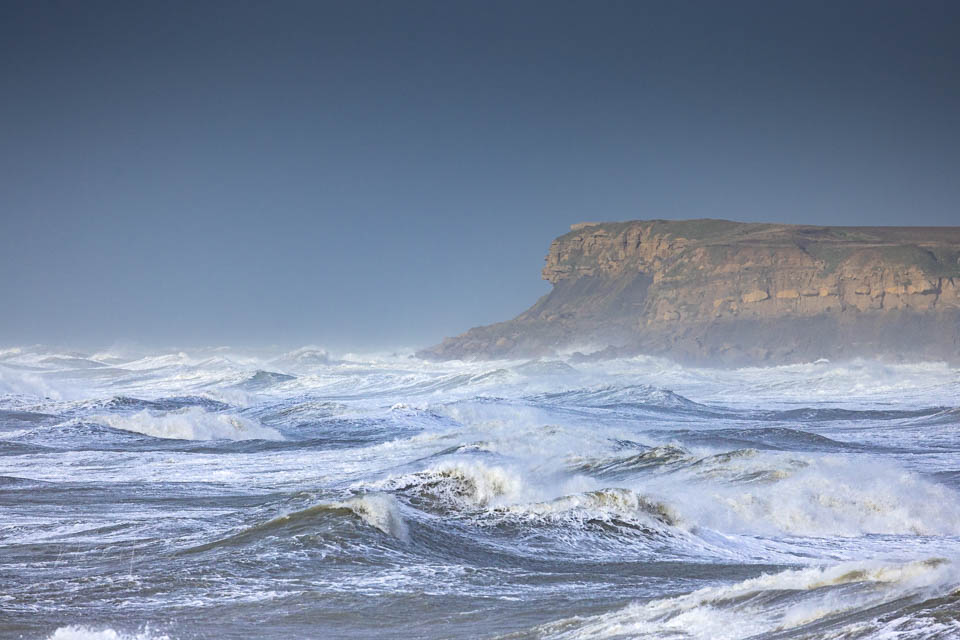
An extremely fast shutter speed will freeze the movement of the water. It can be so fast that every drop is not only visible, but also free from motion blur. Some people think this is the right way to photograph water.
I once gave a presentation or lecture about photographing water. Among those present was someone who thought you needed a fast shutter speed to make it realistic. Long shutter speeds did not show reality.
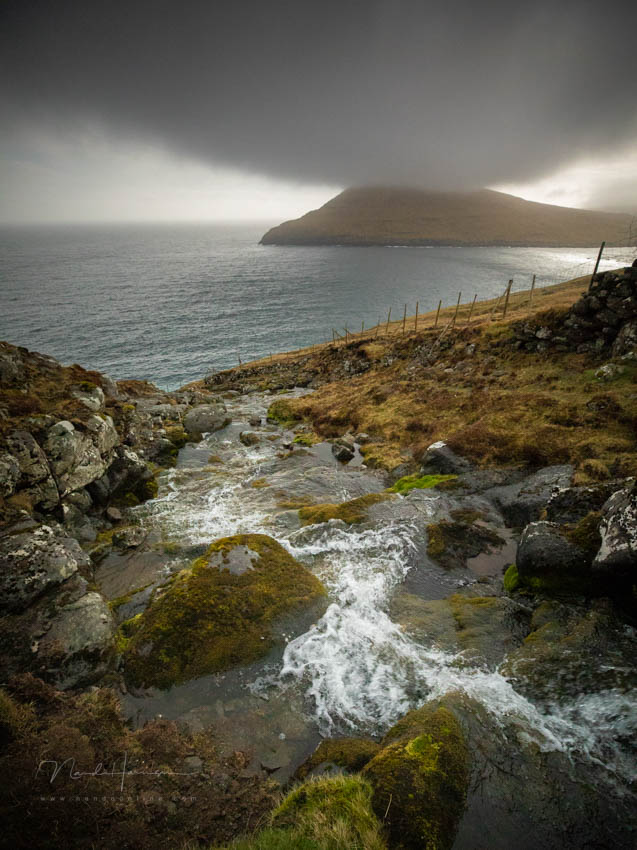
Others in the audience replied that 'frozen' water was not realistic either. Drops do not hang in the air. There is movement, so freezing it in a photo is not reality either.
So what is the right way to photograph moving water? Should you freeze the movement, or not? I think there is no clear answer to this question. It all depends on what you want to show.
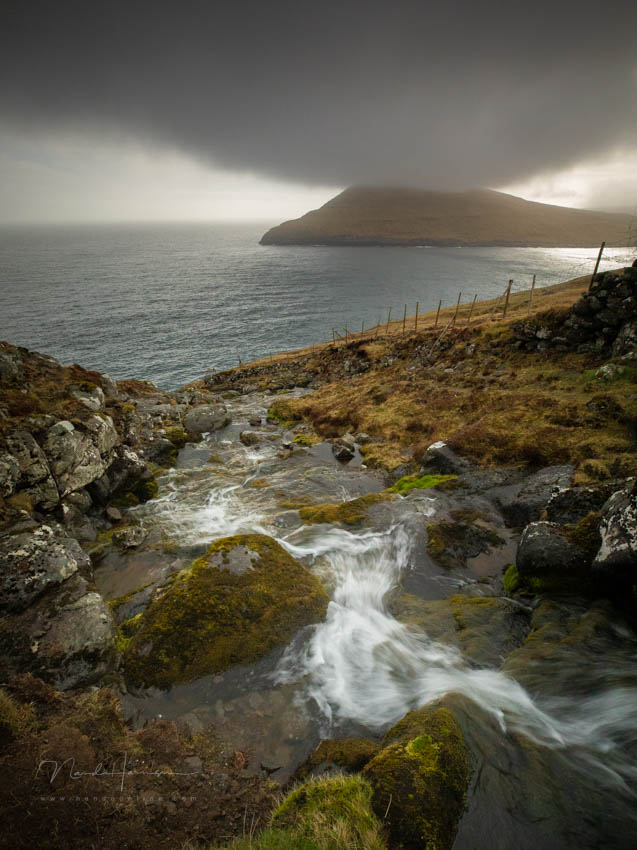
Sometimes you want to capture the dynamics. The path the water takes between rocks and across the land. You then choose a shutter speed that makes this possible. You show the movement of the water.
Sometimes you do not want to show any movement. There are two ways to do this. With an extremely long shutter speed that removes all movement. Or with an extremely short shutter speed to show every drop.
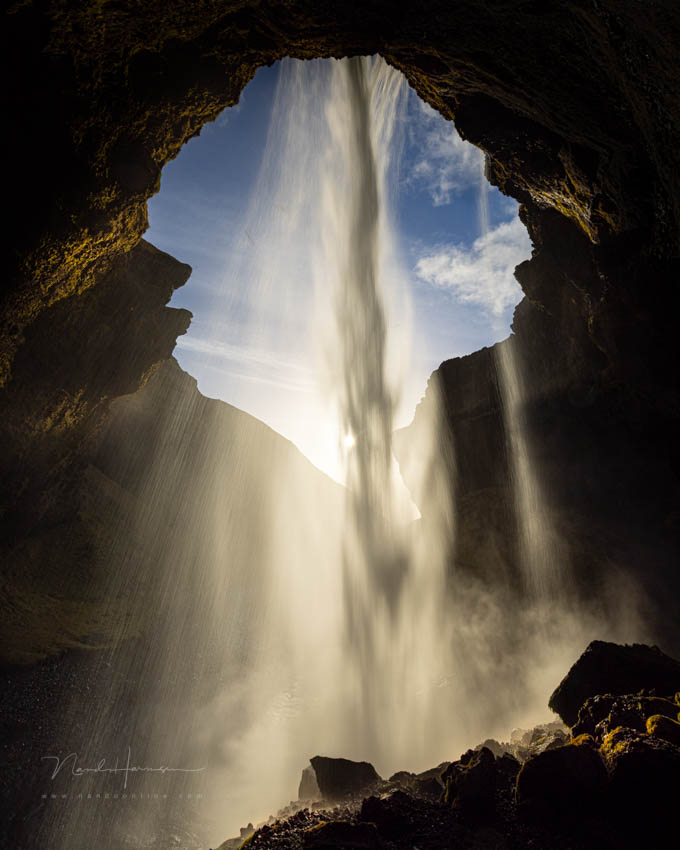
You could say that neither case shows reality. Water is not frozen in time, or without visible movement. Perhaps a shutter speed somewhere in between comes closest to reality.
What do you think is the right way to photograph water? Frozen in time, or not? Or does it depend on the situation? Let us know in a comment below this post.
About the author
Nando Harmsen has been photographing for more than 40 years. He specialises in wedding photography and landscape photography. Nando also gives talks, workshops, masterclasses and photo trips, and regularly reviews new and interesting equipment.
You might also like
-
 Flowing Water and Choosing the Shutter Speed
by Nando Harmsen
-
 From drip... to a real water droplet 💧
by Rob Zwart
-
 Portrait shoot ideas: cool off with water
by Elja Trum
-
 Photographing reflections in water
by Nando Harmsen
-
 Striking portraits with a water shoot
by Elja Trum

2 comments
-
 Donald Willemsen wrote on Tuesday 6 May 2025 at 19:33 | reply
A great article, Nando. In broad terms, I agree with you. Last month I was in Monschau, where the river Rur flows through. I took some photos at 1/15 sec. As far as the water was concerned, I was quite satisfied with the result. Of course, it can always be better. Practice makes perfect.
Translated from Dutch.
I have also taken photos on the Atlantic coast in Portugal. There, the waves crashed against the rocks and broke apart. There I used a fast shutter speed to capture the moment of breaking apart.
So it depends a bit on the situation and what you want to show.
I also like extremely slow shutter speeds, but I have never done that with water. Thinking about it now, it seems to me that a good (minimal) composition is very important, such as at the Zeeland Bridge.
I’m going to do more with this subject.
Thanks for this beautiful article. -

 Liesbeth Verkade wrote on Tuesday 13 May 2025 at 19:44
| reply
Liesbeth Verkade wrote on Tuesday 13 May 2025 at 19:44
| reply
Another clear explanation! Thanks for that. Your examples speak for themselves. I notice that my preference clearly leans towards a very short shutter speed, like in the first photo. Wild waves, a raging current where the water splashes in all directions. Somehow, the other one doesn't appeal to me as much. That's why, when taking photos of water, I consciously seek out those extremes too, or, a completely different approach, water that is very still and creates a beautiful reflection.
Translated from Dutch.
Have your say
Please note: Articles older than a week can only be commented on by signed-in visitors.Would you still like to comment? sign in or create a free account.
Become a better photographer every week
A practical photography tip in your inbox every week.
39,079 photography enthusiasts already receive the tips! More about the weekly mail. Or keep up to date via  Facebook.

Elja Trum
Photofacts; everything to do with photography!
Would you like to take better photos and keep up with what is happening in photography? Photofacts publishes articles that teach you something about photography — from a product announcement to a practical shooting tip or a look at a website. Photofacts covers photography every day and is a hobby project of Elja Trum's that got out of hand. The articles are written by a team of volunteer authors. If you would enjoy writing one or more articles for Photofacts, do get in touch.More about PhotofactsPhotofacts is made possible in part by
