

12 tips for interesting portrait photos
Wednesday 12 December 2018, 13:38 by Michelle Peeters | 21,001 views | 9 commentsThis article was translated from Dutch with the help of AI. Read the original.
What makes a portrait photo interesting? That is the question every photographer asks themselves regularly. How do you create that iconic photo that hits like a bomb and is immediately burned onto your retina? And that never becomes boring and is never forgotten.
An interesting portrait makes you think about the photographer's underlying idea. Sometimes, as a photographer, you stand in front of someone with your camera, discovering while looking through the lens how special the person being photographed really is.
There must therefore be a moment of intimacy. Your model must love you for a short time and you must force yourself to connect with them. Your model must, as it were, surrender to the thought that you know exactly what you are going to do!
In this article, I will give you 12 tips that will help you turn the picture you already have in your head into what you wanted it to be. Whether it will become an iconic portrait photo is another matter, but this can get you a long way!
1. Connect with your model
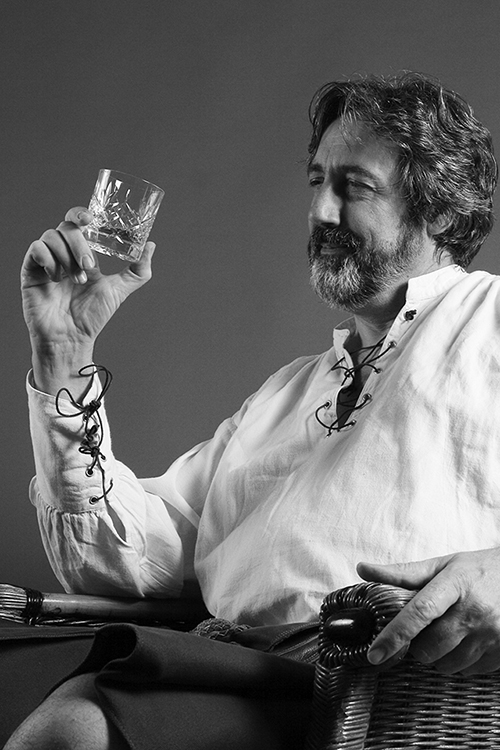
Make sure there is a good atmosphere before you start photographing. Break the ice by having a cup of coffee or tea first and talking to each other. Try to meet the model as a person.
You can immediately see in the photo whether there is a connection and trust. A strong look or the posture they adopt, everything depends on how relaxed the atmosphere is.
2. 'Read' your model
Try to 'read' someone. You need to find out what a person's strengths and weaknesses are. A face has two sides. One side is more flattering than the other. So take the time to find out which side is strongest for the lens.
4. Body language
Body posture always reveals how a person really feels. In a pleasant environment, someone posing for you will be more open to adopting different positions. At first they are stiff and try to please you, but you can see that they do not feel comfortable.
So you need to find a way to help your model relax. Their posture will change immediately, and you will see natural behaviour return.
By starting a conversation, especially with children, for example about their favourite subjects, you can easily break the ice.
3. Master the technique
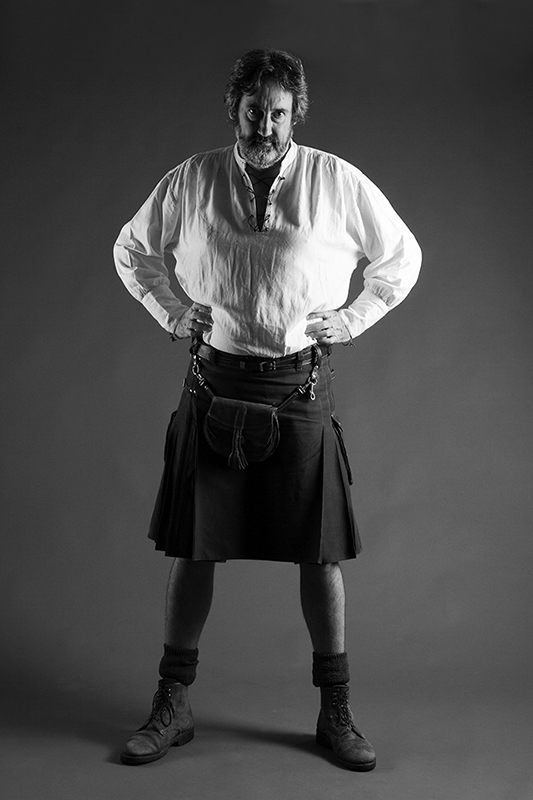
Make sure you can rely on your technique. Then you can let go of your insecurity because you know that every image will turn out the way you want it to. Don't shoot on a wing and a prayer! If you become nervous because you cannot achieve what you want, your model will notice immediately. They have already been working for quite some time without a satisfying image coming out of it.
If necessary, buy a mannequin and put it in your studio. Practise with it until you have mastered the technique. See what effect moving lights has, using different background colours, the number of lights you use, and so on.
4. A turn for the model!
Divide the photoshoot into several rounds of, for example, fifteen minutes. The first round is for the model, to put them at ease. As time goes on, they will thaw out and relax. Give them some compliments along the way and try to keep the atmosphere light and relaxed.
During the final round, they often feel completely at ease and you can guide them easily. The last photos are often the best!
5. If you don't ask, you don't get
What every photographer struggles with is the reluctance to ask to photograph someone, something or in a certain way. This happens even in the studio, after gaining a huge amount of experience shooting portraits, but especially on the street when you come across an unknown and interesting person.
However, realising that you 'missed' the photo because you did not dare to ask, while the picture in your head keeps getting better, is much worse. Much more annoying than a possible rejection. Even if the portrait did not turn out quite as you had expected, at least you tried!
6. Push your own social boundaries
Many photographers are reluctant to ask whether they can make a portrait of someone. They also know the unpleasant feeling of not daring to ask and being unable to shake the feeling of a 'missed opportunity'. And on top of that, you are left wondering whether the picture in your head will actually work.
After a few successes, you will start to experience this tension as something enjoyable, and it will give you more confidence. It is a great way to develop yourself quickly in many areas. It is also a huge thrill when you manage to inspire enough confidence to be allowed to look into someone's personal surroundings. That in itself is a portrait!
7. Work quickly and efficiently, but stay calm
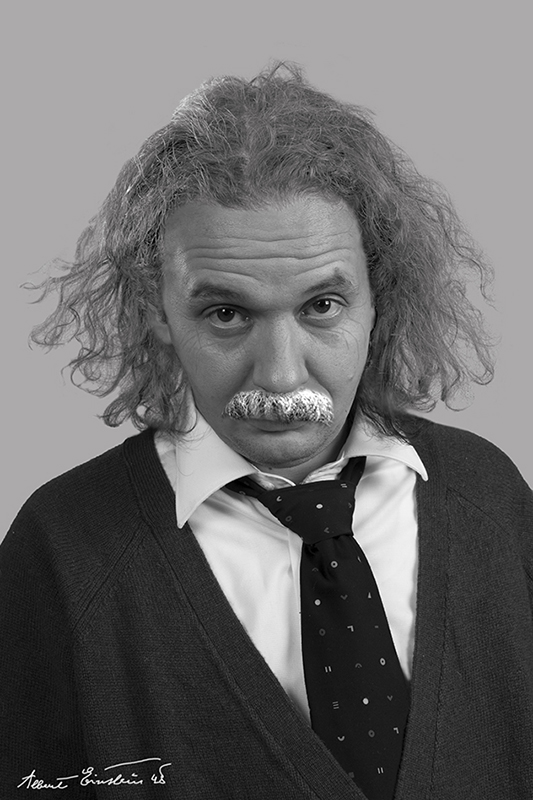
Sometimes you have to improvise a great deal when working on location. You often have to make do with what you are given, whereas in your own studio environment you can arrange everything to suit you. If you work with daylight, its unpredictable nature can make this a huge challenge.
When you are allowed to photograph somewhere, quickly scan the surroundings to see where there is a good location with good light, but try to stay calm at the same time.
8. Send the parents away!
When you photograph children, they often cling very closely to their parents. It is therefore very important that they feel comfortable with you and that they do not keep looking to their parents for approval.
So send the parents away during the photoshoot. The child will immediately behave differently. They become more open and approachable. An interaction develops between you and the child.
A child is not an object that you can work with endlessly. They can only concentrate for a short period. After that, they become distracted and bored. They will no longer cooperate either. So keep working and achieve results quickly in a playful way.
9. Don't push!
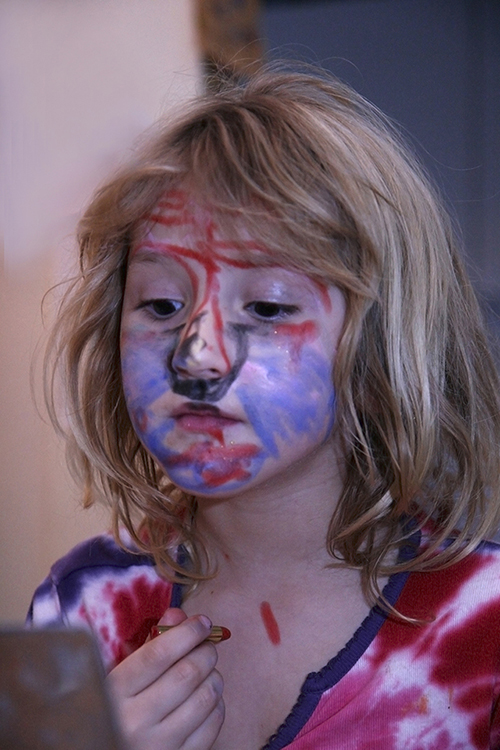
There is no point in pushing people to do something they do not really want to do. Of course, you have that picture in your head and you want to move your model in that direction quickly. But putting pressure on them in any way often changes the atmosphere for the worse. It can even mean the end of your photoshoot.
Keep giving compliments, even if your model did not immediately understand what you intended. Talk about further perfecting your image rather than another failed photo.
Once you feel that you have a good image, do not try to recreate it. You will never capture exactly the same posture or look again.
10. Let your model radiate calm
It is often important to be alone with your model, as it were isolating them. This gives you a different person in front of you. People are often quickly influenced by others, and you immediately see their behaviour change. You now have your model in front of you in all their purity. It is a piece of psychology.
It can also be inhibiting for you as a photographer when there are a lot of people around. It is harder to remain calm and maintain your concentration. People often become more interesting when they radiate calm rather than exuberance.
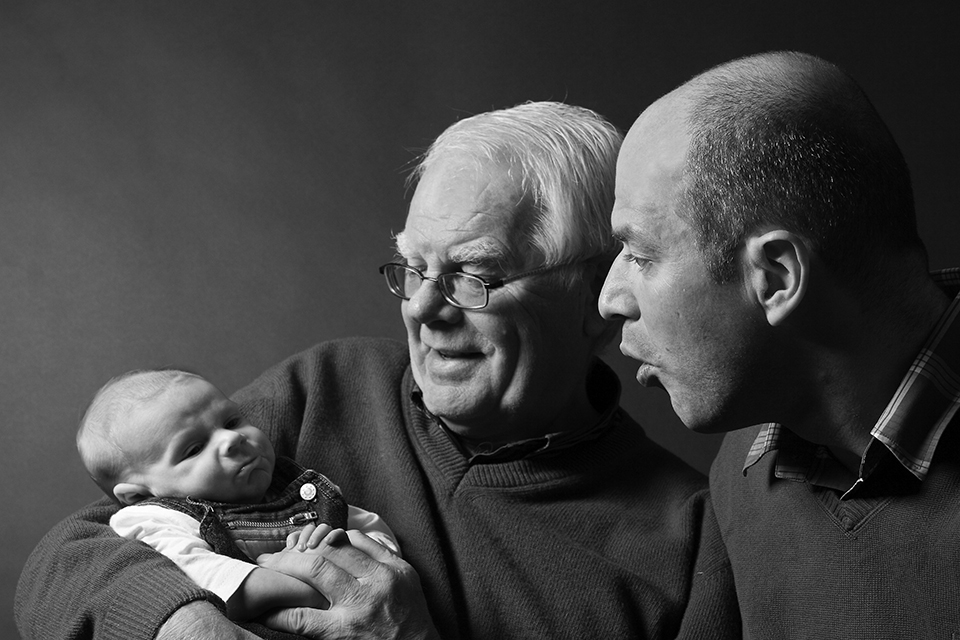
11. Step outside your comfort zone
Portrait photographers are often good at a particular aspect. They then continue doing the same thing for a very long time. At some point, people drop out because they have seen it all before. You have to reinvent yourself from time to time to avoid repeating yourself and becoming boring.
Also be critical of yourself, and raise the bar for yourself a little each time. Never think that you have already made it. Keep practising, remain open to new things and especially to criticism!
Make mistakes, and be glad that you can make mistakes, because you learn a lot from them! It also works well for your creativity and keeps you sharp! Above all, step outside your comfort zone. Dare to do it!
12. Go deep
Connect with your subject on a personal level. Get close, but not without permission. Try to be approachable yourself so that people quickly feel comfortable with you. Pay close attention to whether people mind you getting close. Do not try to feel superior to your model. Stand on equal footing.
You are only the driving force behind the portrait that captures that emotion. You have to do it together. If you want to capture difficult emotions, you must also make yourself vulnerable to reach the same level. Try to empathise. There are always things you can recognise.
Want to know more about portrait photography?
At Photofacts Academy, our online learning environment for photographers, we have several courses on portrait photography.
- Portrait photography tips (Elja Trum)
- Portrait photography in practice (Elja Trum)
- Corporate portrait photography (Maurice Jager)
- From Image to Art (Micky Hoogendijk)
- Basic Course: Flash Photography on Location (Piet van den Eynde)
You can take these courses for two weeks with a free trial membership.
About the author
Michelle Peeters is fotografe en oprichter van DeuxBleus Fotografie. Michelle herkent het bijzondere in het gewone en het gewone in het bijzondere. Ze heeft zich nooit willen specialiseren en is daardoor van alle markten thuis.
You might also like
-
 10 tips for atmospheric portrait photography
by Laura van der Burgt
-
 Atmospheric images without leaving the house
by Laura van der Burgt
-
 Creating atmosphere with light and pose
by Elja Trum

9 comments
-
 Huub Sanders wrote on Monday 6 February 2017 at 23:15 | reply
A clear explanation.
Translated from Dutch. -
 Tanja Thomas wrote on Tuesday 7 February 2017 at 06:18 | reply
Good and clear tips! I immediately believe that you put people at ease before the photo shoot after reading this story. The hardest of these tips for me is sending away people who hang around.
Translated from Dutch. -
 Moi wrote on Tuesday 7 February 2017 at 11:29 | reply
Great story, and it turns out that photography is quite demanding
Translated from Dutch. -

 Michelle Peeters wrote on Tuesday 7 February 2017 at 11:36
| reply
Thank you all! You shouldn't send parents away too rigorously either, always with a gentle hand! And sometimes (in this case, for example) it absolutely wasn't necessary. It also depends a lot on the child's spontaneity, which varies enormously! If the atmosphere remains good and the child feels unobserved, then there is no reason to send the parents away.
Translated from Dutch.
Anyone can take photographs, but making a really good portrait is often quite a different story. There is sometimes quite a bit of psychology involved... -
 eerbeekh wrote on Tuesday 7 February 2017 at 12:59
| reply
Clear, very relatable story. Thank you!
Translated from Dutch. -
Palex wrote on Tuesday 7 February 2017 at 13:51 | reply
You'd better integrate that into the text then.
Translated from Dutch. -
Michelle Peeters wrote on Tuesday 7 February 2017 at 13:54
| reply
That's right, that could have been included!
Translated from Dutch. -
 Ien wrote on Wednesday 8 February 2017 at 11:46
| reply
thank you Michelle, inspiring article. Besides that, you do even more beautiful things. I like that versatility alongside your great thoroughness.
Translated from Dutch. -
 fabianviester
wrote on Wednesday 8 February 2017 at 20:21
| reply
Great article with clear and interesting tips, Michelle!
Translated from Dutch.
Have your say
Please note: Articles older than a week can only be commented on by signed-in visitors.Would you still like to comment? sign in or create a free account.
Become a better photographer every week
A practical photography tip in your inbox every week.
38,764 photography enthusiasts already receive the tips! More about the weekly mail. Or keep up to date via  Facebook.

Elja Trum
Photofacts; everything to do with photography!
Would you like to take better photos and keep up with what is happening in photography? Photofacts publishes articles that teach you something about photography — from a product announcement to a practical shooting tip or a look at a website. Photofacts covers photography every day and is a hobby project of Elja Trum's that got out of hand. The articles are written by a team of volunteer authors. If you would enjoy writing one or more articles for Photofacts, do get in touch.More about PhotofactsPhotofacts is made possible in part by
