

Portrait photography during your holiday
Friday 28 December 2018, 11:11 by Peter Segerius | 5,200 views | 2 commentsThis article was translated from Dutch with the help of AI. Read the original.
Going on holiday is a chance to unwind and forget about everything for a while. For keen photographers, it is also the perfect time to fill your hard drive with exotic photos you cannot take at home.
The photos with the most character are often portraits. This is because a face can tell you a lot. It is human nature to come up with a story and even imagine how that person felt at the time.
Taking portraits during a tour can be rather daunting. In your own country, some people find it strange when you take their photo. Abroad, it is often the opposite. With the right approach, taking the finest and most characterful shots can feel quite natural.
Approaches
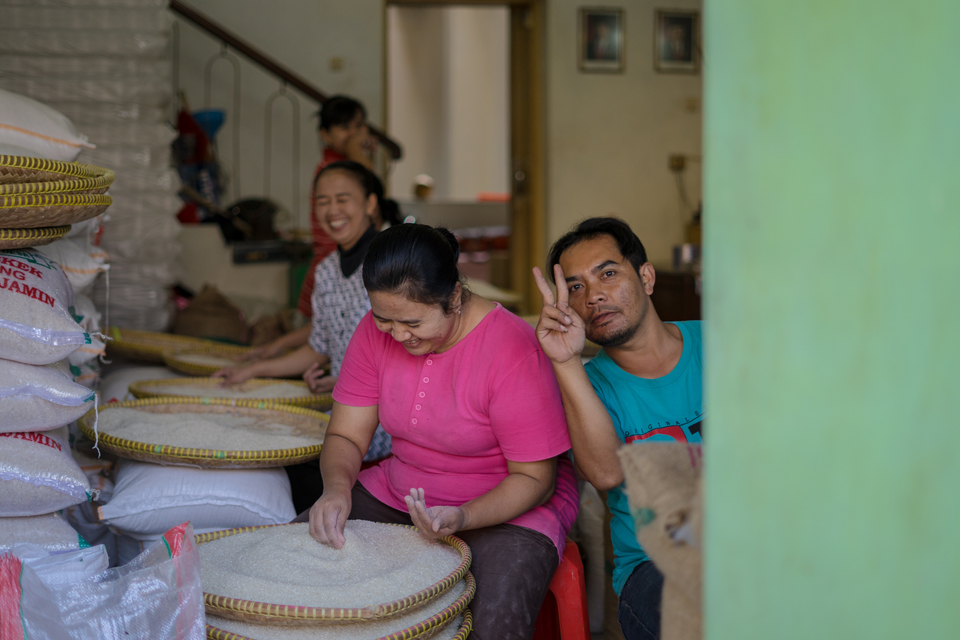
Every country and culture is different. First of all, it is good to get a feel for how people in that country respond to being photographed. Do bear in mind that this can vary from place to place. In Indonesia, for example, it is more accepted in Java than in Bali. Good research will get you a long way.
Bring your photo to life
There are two options here. You can try to talk to someone, using gestures if necessary, or choose the spontaneous approach. Both have one thing in common: you need to make sure you are standing close enough.
I do not just mean the literal distance, but the figurative distance too. You obviously do not want someone to feel threatened by a camera. So do not be afraid to talk to someone or exchange gestures.
With the spontaneous approach, it is easier to capture a moment or activity. This also means your photo tells more of a story than when someone is posing. The first few times, it can be difficult to walk up to someone without hesitation and gesture spontaneously to ask whether you can take their photo.
This is a process of getting used to it, and it will go away after a few attempts. People who work as photographers often have more experience with this. So do not be afraid to look something up or ask other photographers for advice.
A good way to start is to make eye contact first, then make a comment about what they are doing, for example. This takes the tension out of the moment and opens the way to more contact. Doing something silly or making a well-meant joke is always fun too.
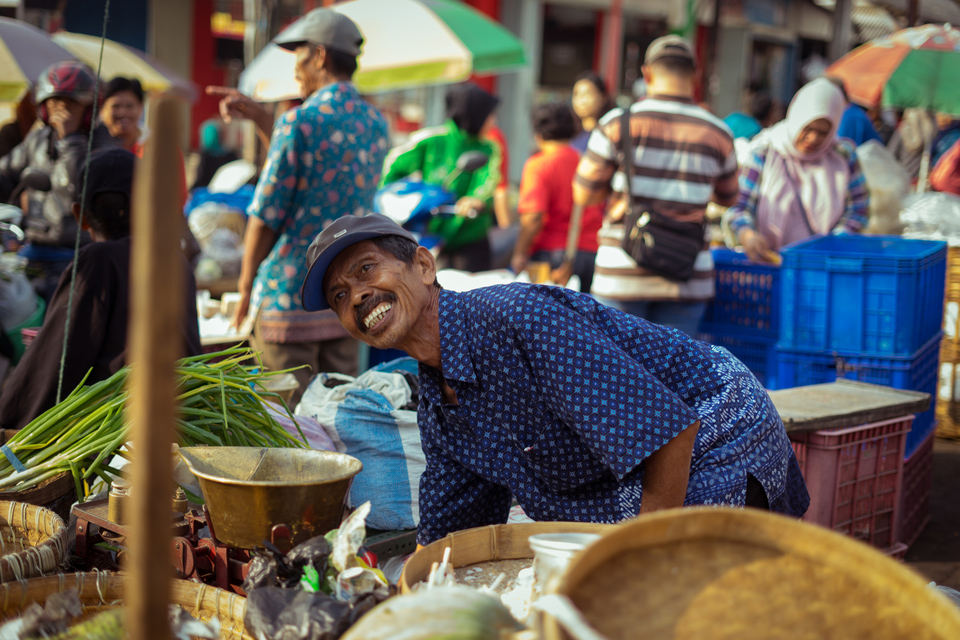
Many people like self-deprecation, so it is good to show that side of yourself. Sometimes even a nice comment about what they are wearing, or a question about what they are eating, is enough. This can lead to moments where you learn about what they are doing.
They often see their work as normal, so it is always nice when someone from outside reminds them that what they do is actually very special and different from what you are used to yourself.
It is also always polite to show the person the photo you have taken afterwards. The camera I often take travelling, for example, has an NFC function that lets me quickly send the photos to them if they would like that.
Lighting
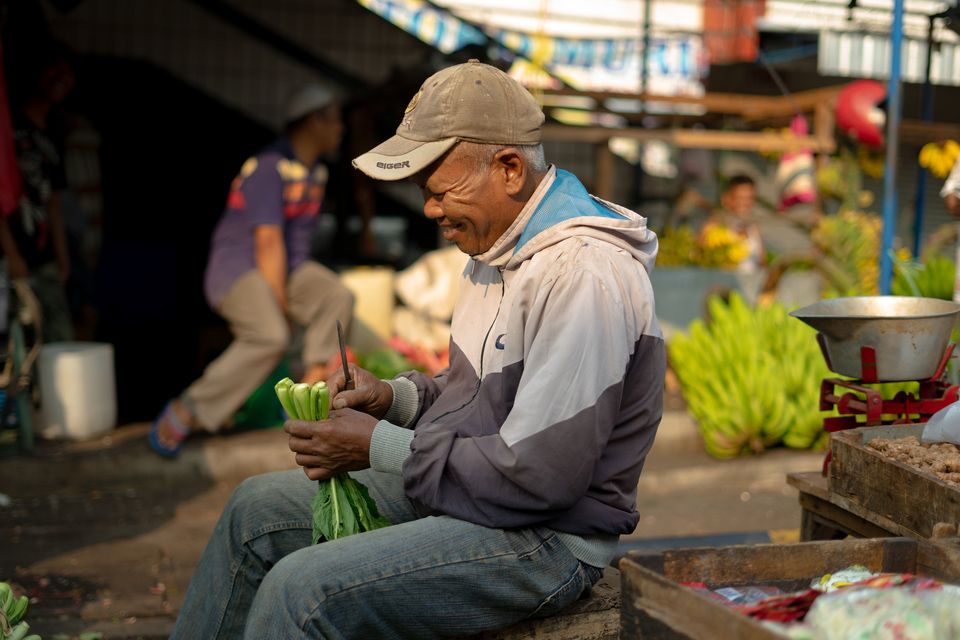
As with every photo, lighting is incredibly important. Sometimes the weather is not on your side, but you may be able to get a nice effect out of it. Always try to make the most of the different times of day. If you already know that you are going to a market, for example, find out what time the “golden hour” is.
You can easily look this up in most weather apps. It is also not a problem to discover that your lighting was not quite right after all. What is in the shot matters more here. You can always correct your mistakes afterwards in Lightroom.
Getting into the shot
According to professional photographers, between 85mm and 105mm is the standard for portrait photography. Personally, I prefer using a 35mm or 50mm lens. These lenses are often smaller and lighter, which is especially useful when you are walking around all day.
You can also use them more easily when photographing other subjects. Although some people prefer using a zoom on holiday, you can often get more depth in a photo by using a lens with a fixed focal length.
The disadvantage, and at the same time the advantage, of a lens such as a 24mm, 35mm or 50mm is that you have to stand closer to your subject. This also forces you to be more involved in “getting into the shot”.
This makes you establish more contact with people, and that often shows in the photos too. It often means that people respond to your input, resulting in a photo with character.
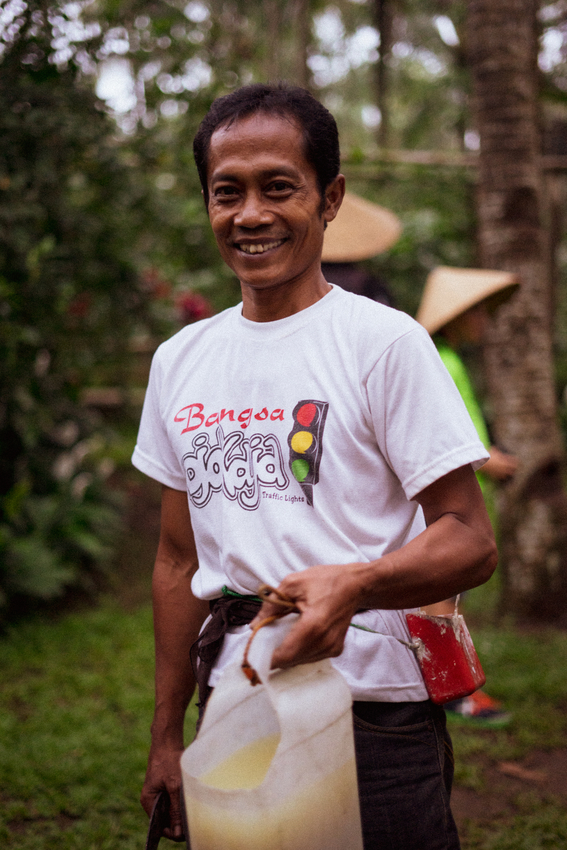
The key to all of this is not being afraid to make contact with the people around you. It can feel more comfortable to hide behind your telephoto zoom and photograph from a distance, but contact with your subject can really lift your photo to another level.
So do not be afraid to use a wide-angle lens or something similar. Above all, do not be afraid to make contact with the people around you. This gives you beautiful photos and beautiful memories too.
About the author
Peter werkt momenteel voor YoungCapital, maar is voorheen actief geweest als freelance fotograaf. Zijn stijl is voornamelijk een goede compositie vinden, en kenmerkt zich vooral in het kleurenspel van zijn foto's.
You might also like
-
 7 tips for perfect holiday portraits
by Elja Trum
-
 5 tips to turn your holiday photos into great travel photos
by Nando Harmsen
-
 An Ode to Holiday Snapshots
by Michiel Heijmans
-
 5 tips for taking your camera on holiday with peace of mind
by Nando Harmsen
-
 Locations on holiday and day trips
by Nando Harmsen
-
 Holiday Photos with Tourists in the Frame
by Nando Harmsen
2 comments
-
 José wrote on Tuesday 1 January 2019 at 15:32 | reply
Hello Peter,
Translated from Dutch.
thanks for your story, very educational.
I was surprised that you dare to use a wide-angle lens for portrait photos!
Doesn't it distort the face then? I don't quite understand that.
cheers
José -

 petersegerius
wrote on Wednesday 2 January 2019 at 10:03
| reply
Hey José!
Translated from Dutch.
Thanks for your response. That's right, a wide-angle lens does indeed distort the shape of the face, but you can minimize this by selecting a lens profile in post-processing.
I use Lightroom to give my photos a "touch up", and there is lens correction available for virtually all lenses. the most positive point of using a wide-angle lens is, as I described in the article, still that you are closer to the action. And so I don't mind spending a little more time correcting the lens.
Kind regards,
Peter
Have your say
Please note: Articles older than a week can only be commented on by signed-in visitors.Would you still like to comment? sign in or create a free account.
Become a better photographer every week
A practical photography tip in your inbox every week.
38,937 photography enthusiasts already receive the tips! More about the weekly mail. Or keep up to date via  Facebook.

Elja Trum
Photofacts; everything to do with photography!
Would you like to take better photos and keep up with what is happening in photography? Photofacts publishes articles that teach you something about photography — from a product announcement to a practical shooting tip or a look at a website. Photofacts covers photography every day and is a hobby project of Elja Trum's that got out of hand. The articles are written by a team of volunteer authors. If you would enjoy writing one or more articles for Photofacts, do get in touch.More about PhotofactsPhotofacts is made possible in part by
