

10 tips for inspiring nature photography
Wednesday 29 November 2017, 10:01 by Michelle Peeters | 11,020 views | 0 commentsThis article was translated from Dutch with the help of AI. Read the original.
What makes an inspiring nature photograph? It should give the viewer new thoughts, ideas and plans, make them think and spark their curiosity. It should also be strong, atmospheric and technically sound. But how do you do that?
This article contains ten tips that will hopefully help you get started.
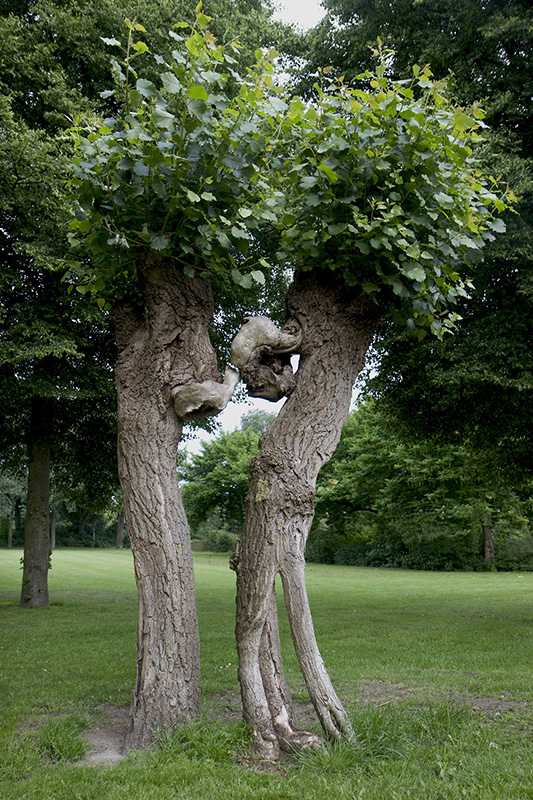
1. Good preparation
An inspiring nature photograph is, of course, more than a pretty picture of the surroundings.
Truly beautiful and inspiring nature photographs are a combination of a good idea, the image you want to create should really already be in your head, thorough preparation, good technique in the field and, finally, careful post-processing.
You also need to take all weather conditions into account. You need to protect yourself with warm, waterproof clothing, but it is also useful to take good weather sealing for your camera.
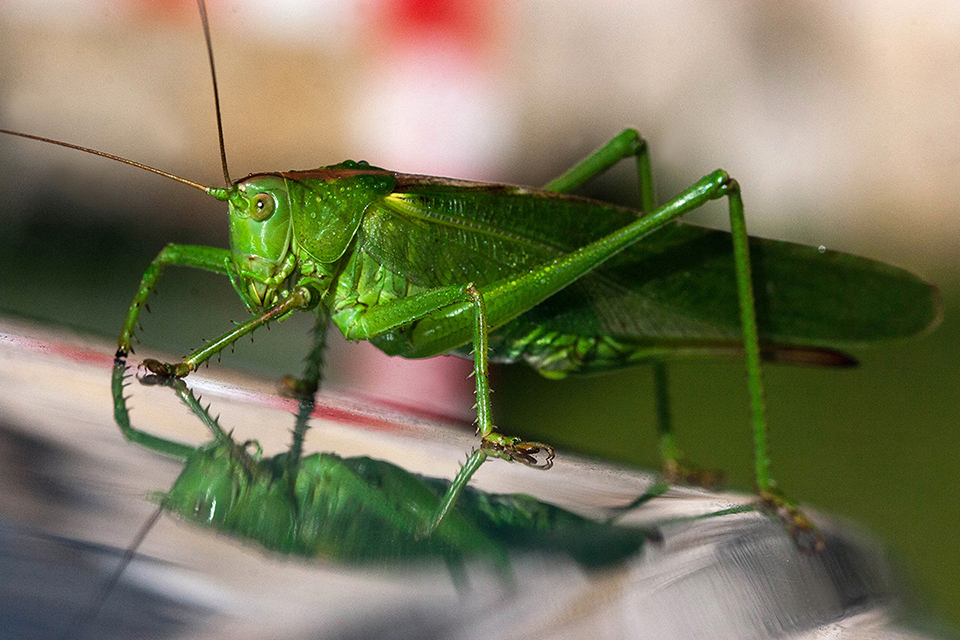
2. Stand out
Look at lots of photographs by other nature photographers and consider how they might have been made. Try making a similar photograph yourself, if the conditions and surroundings allow it.
This is also a good way to learn the functions of your camera and the techniques that go with them. Once you can do that, you could try to work out how to stand out from the many beautiful nature photographs available online.
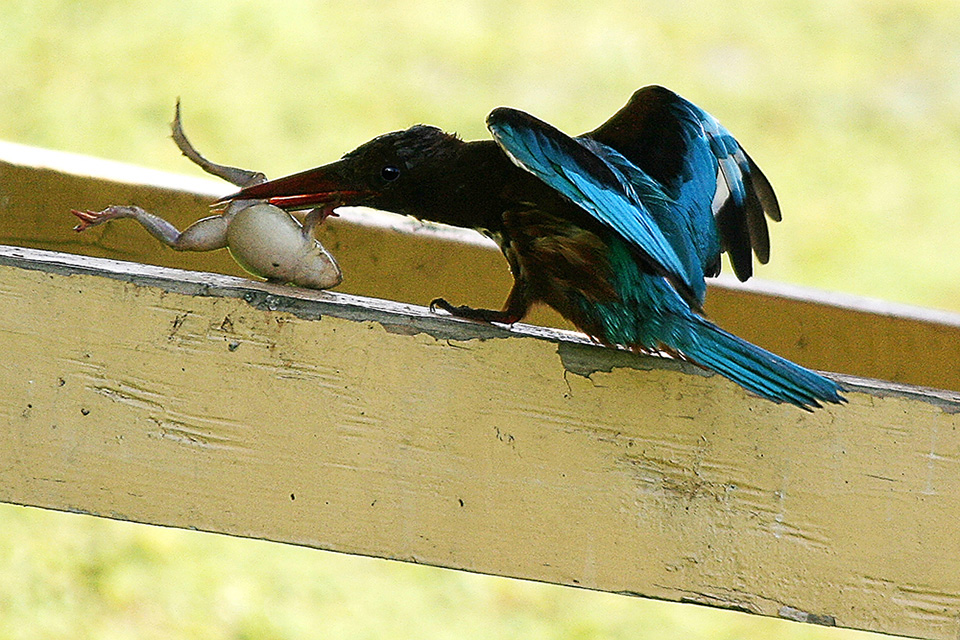
3. The type of camera
You do not necessarily need the best equipment to make an inspiring nature photograph. Do you not have the latest camera and a bag full of lenses? Do not worry. With a simple camera, you can concentrate on composition and timing.
I often use no more than one lens myself. This allows me to concentrate on the image I want to capture.
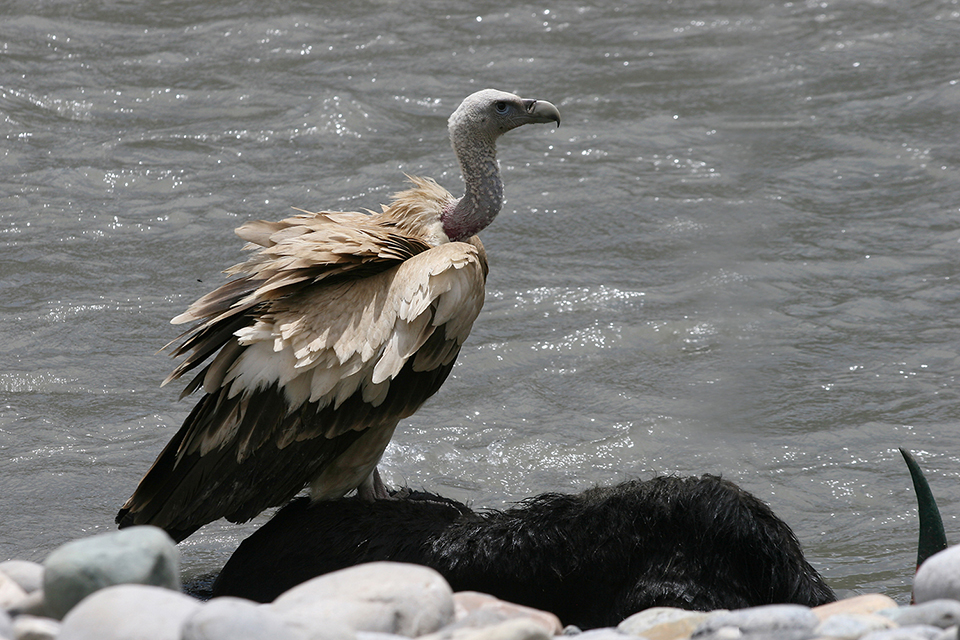
4. Are landscapes easier?
Most photographers feel more confident photographing landscapes than capturing, for example, people or animals. Landscapes do not move, talk back or fly away just as you press the shutter button.
This does mean that your landscape photograph has to stand out even more from all those other landscape photographs.
5. Composition
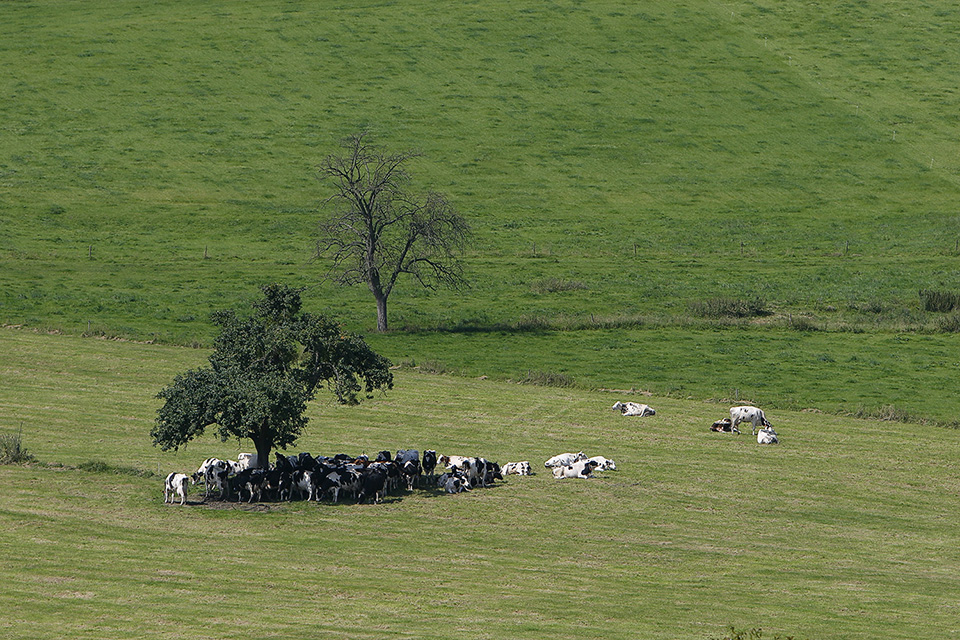
Composition is important in every photograph, but this applies even more to landscape photographs. There are many ways to make your photographs stand out. Here are four ideas to get you started.
- Make sure there is something in the foreground, such as a person or a protruding tree branch. By not placing the subject in the centre of the frame, you give the image depth;
- If you turn the camera 90 degrees, you can take vertical photographs instead of the traditional horizontal ones. This gives you a very different view of the scene in front of you;
- Use a slower shutter speed. You probably think there is little movement in a landscape, but is that really so? Branches and grass move even in a light wind, and the water in streams and waterfalls is always flowing;
A shutter speed of about one second already makes all this movement in the landscape blurred, creating a dreamy photograph in which tree trunks, walls and buildings remain sharp. Make sure you place your camera on a stable surface, preferably a tripod; - Look at the details. Landscape photographers tend to want to capture the whole scene. But it is often the small details that make a photograph special.
6. Colour or not
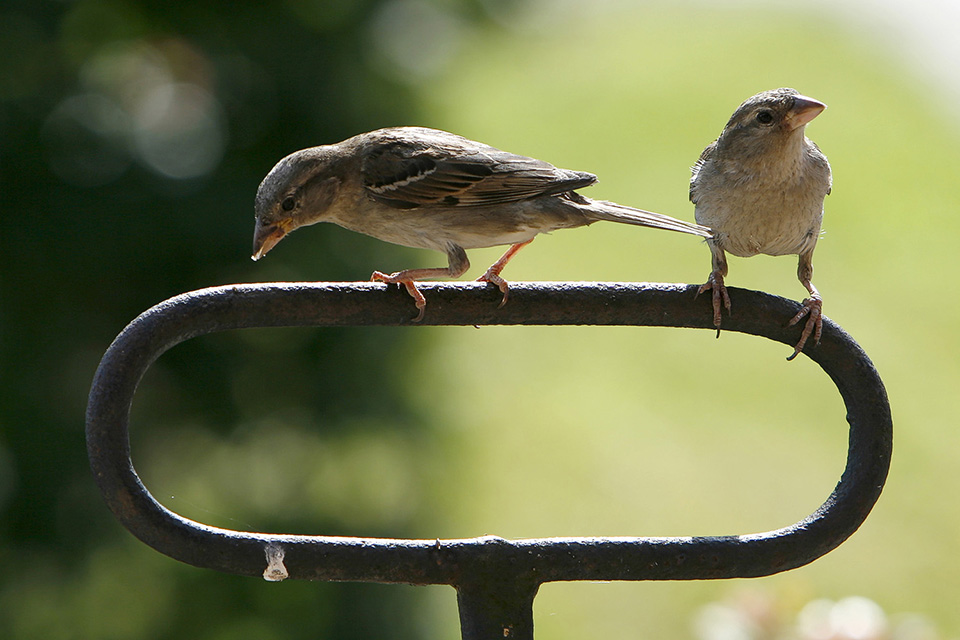
In black-and-white photographs, all colour is absent. This puts the emphasis on tones and contrasts. Black and white works very well for winter landscapes. At the end of winter, large objects in photographs tend to have very little colour.
You can then concentrate on the shapes of bare trees, stone walls and buildings. Composition and contrast become even more important for the photograph. Black and white is the perfect medium for this.
In spring, it becomes a different story. The black and white is then broken up by bursts of bright colour, such as flowers emerging from the ground or buds on trees and shrubs.
7. Experiment!
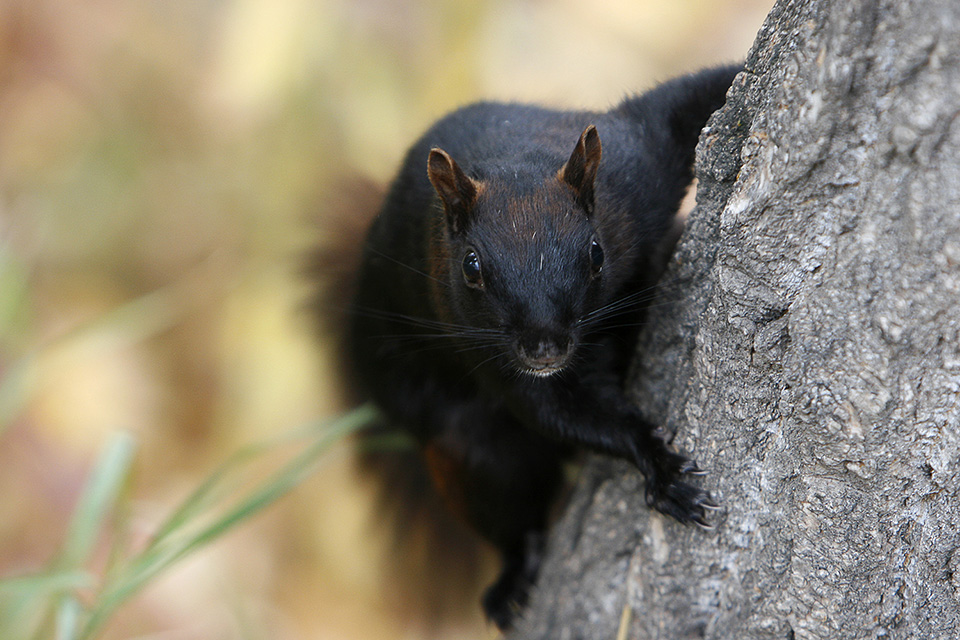
The best photographs often come from experimenting. Try out your camera's functions and see what they do to your photograph. Try an unusual approach.
For example, place the point of focus somewhere other than where you would expect it, so that the viewer's eye is guided somewhere.
A few suggestions to try:
- Metering modes: Evaluative metering (multi-segment metering) is the default setting on your camera. Values are measured at different points within the frame. Based on this, the exposure is adjusted to compensate for unusual lighting conditions.
With Centre-weighted metering (centre-weighted average), the entire scene is checked, with emphasis on the central area. This is a suitable method for landscape photography.
Spot metering: this means that values are measured only in the central area of the image. This is useful for obtaining the correct exposure for a specific part of the subject. - Exposure compensation (exposure compensation): this allows you to increase or decrease the exposure by two stops to make the image darker or lighter. Increase the compensation (+) for more exposure and therefore a lighter image. Decrease the compensation (-) for less exposure and therefore a darker image.
- Shooting modes: these allow you to set the exposure of your photograph yourself. Adjust the shutter speed by setting Tv, set aperture priority by setting Av, or set both with M (manual). Consult your camera's instruction manual for more information.
8. Flash
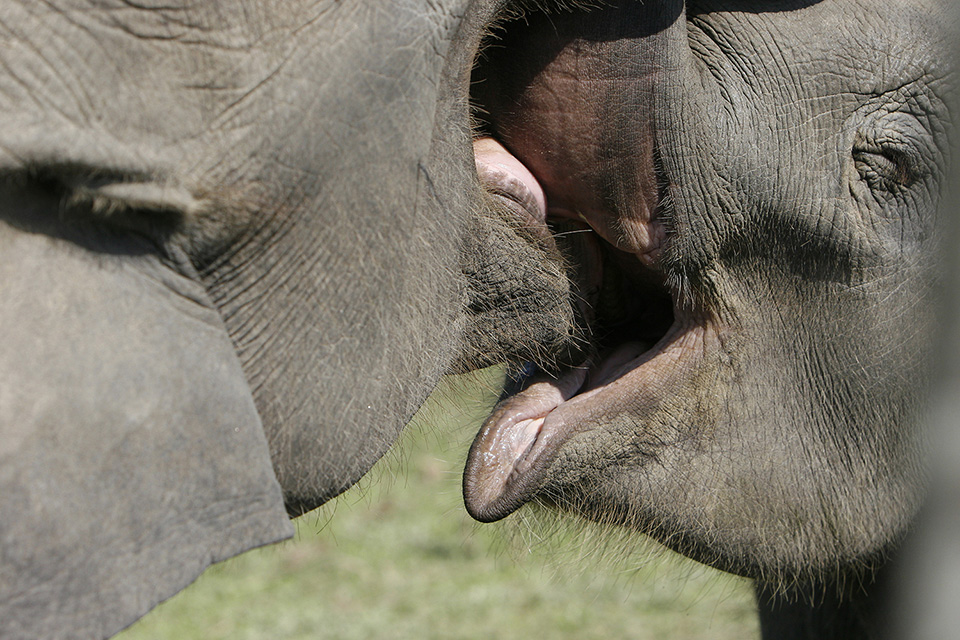
Using flash in nature photography is considered controversial. However, it can create very unusual effects. Photography is about playing with light, and if you have the option of using artificial light, you should certainly make use of it.
Of course, it is important to pay close attention to your subject to find out whether anything is disturbing it or not. Animals cannot communicate verbally, so it is important to keep paying close attention to what you are doing.
9. Nature and emotion
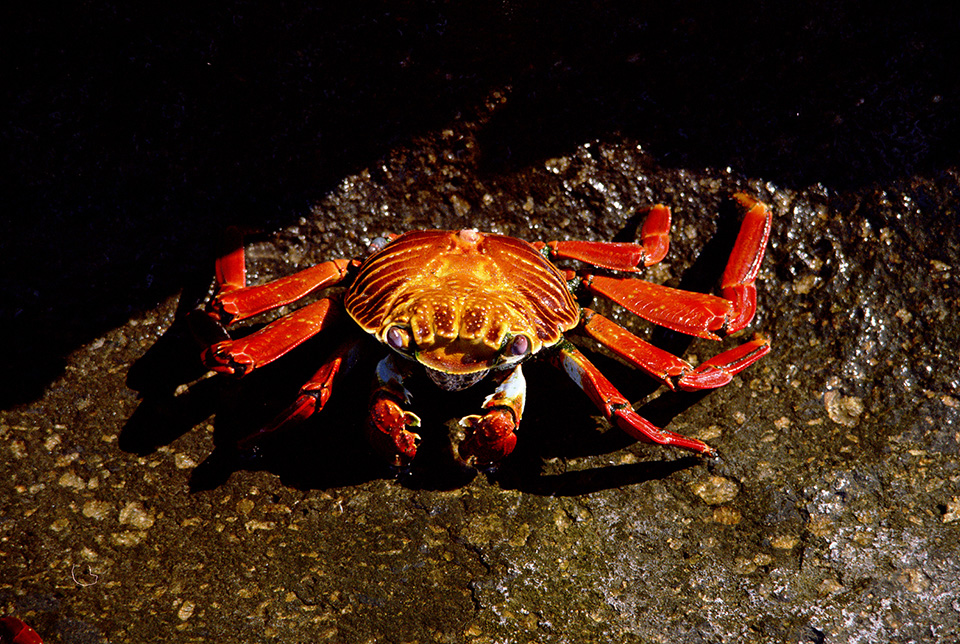
Nature affects you, both physically and emotionally. Nature is our home, and we are beginning to lose a little of that. You can show in your photograph that nature, our home, is something to be cherished.
It is also often wonderful to move through nature and play in it. I think that is very important for the development of every photographer.
With your photography, you can tell stories and in doing so contribute to a better environment and a different view of nature. How you show your viewers the value of nature depends on the story you want to tell. You can create a beautiful or a more confrontational image.
10. Beyond imagination
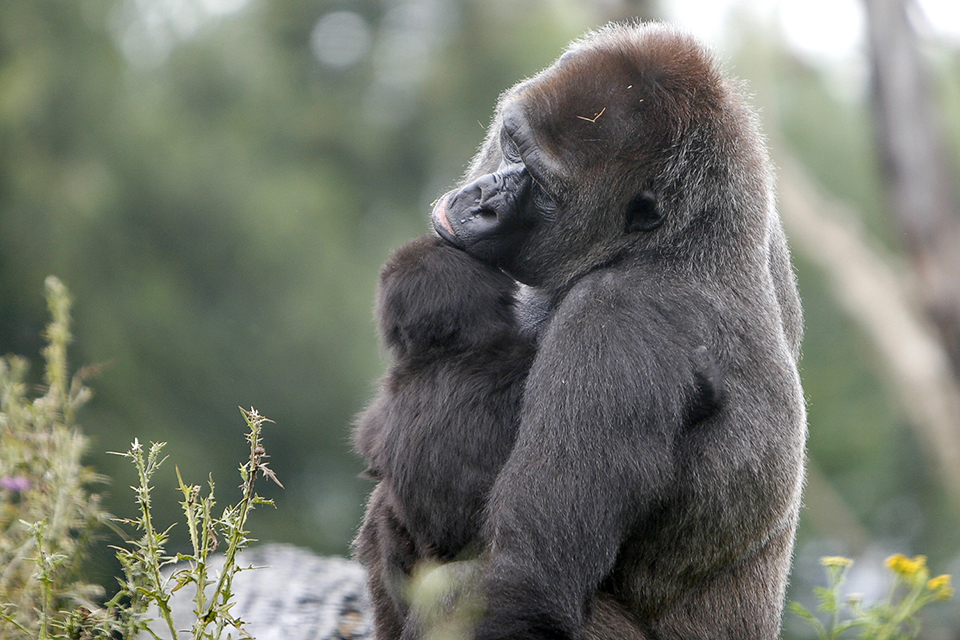
But how do you know when you have captured something good? A good, inspiring photograph is difficult to define. It is often a feeling, and you know that you have got it. Try to make photographs that, regardless of the story you want to tell, go beyond imagination.
If you know that you have taken a photograph you can never recreate because something is so unique, then you know you have got it.
Behind every good, inspiring nature photograph there is, of course, also a dose of luck, something you can bring about with plenty of time and patience.
More tips?
If you have more or other tips for achieving an inspiring end result, let us know in the comments!
About the author
Michelle Peeters is fotografe en oprichter van DeuxBleus Fotografie. Michelle herkent het bijzondere in het gewone en het gewone in het bijzondere. Ze heeft zich nooit willen specialiseren en is daardoor van alle markten thuis.
You might also like
-
 Where do you find your inspiration?
by Nando Harmsen
-
 Make an Inspiration Scrapbook: 3 Rules
by Elvira Smit
-
 If you can't think of anything to photograph, try these ideas
by Nando Harmsen
-
 Inspiration, essential for your photography!
by Laura van der Burgt
-
 Time for self-reflection
by Laura van der Burgt
0 comments
Be the first to share what you think!
Have your say
Please note: Articles older than a week can only be commented on by signed-in visitors.Would you still like to comment? sign in or create a free account.
Become a better photographer every week
A practical photography tip in your inbox every week.
38,843 photography enthusiasts already receive the tips! More about the weekly mail. Or keep up to date via  Facebook.

Elja Trum
Photofacts; everything to do with photography!
Would you like to take better photos and keep up with what is happening in photography? Photofacts publishes articles that teach you something about photography — from a product announcement to a practical shooting tip or a look at a website. Photofacts covers photography every day and is a hobby project of Elja Trum's that got out of hand. The articles are written by a team of volunteer authors. If you would enjoy writing one or more articles for Photofacts, do get in touch.More about PhotofactsPhotofacts is made possible in part by
