

9 accessible urbex locations
Monday 10 December 2018, 17:25 by Michelle Peeters | 369,537 views | 14 commentsThis article was translated from Dutch with the help of AI. Read the original.
Urban exploring, also known as urbex, is hugely popular. The excitement it brings and the beautiful photos it produces. It is certainly not an easy form of photography, and it is not without its dangers.
Moreover, it is very difficult to find the locations, as they are protected by other 'urbexers'. In this article, a number of tips for finding locations and a number of places that are fairly easy to access without too much risk.
Perhaps there is a little less excitement and sensation, but you will come home with beautiful pictures!
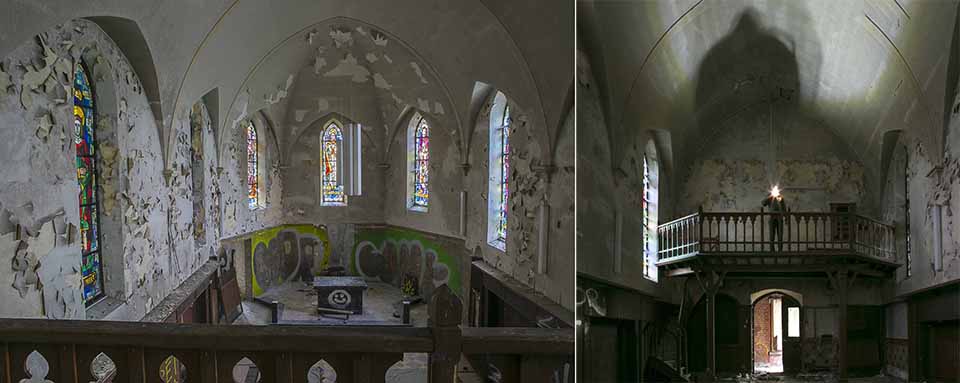
Finding locations
Finding locations is quite difficult. Other urbexers will not simply give you locations. Especially if you are new to the scene. Do not take it personally: they do this to protect the locations.
So, you will have to search for yourself. Google is your best friend. First try to find photos of urbex locations you would like to visit, then see whether the urbex name is mentioned.
Urbexers never give the 'real' name of a location. They often name the location after an object they found there, the former owner of the location or completely different things. They do this to protect the location.
Sometimes you can find a description with the photo you have found. For example: 'this location has been abandoned since 1890 and is somewhere in Belgium'. This information is very useful!
Try searching for the urbex name together with the country. That can already provide you with more information about the location. Also remember to search in the language of the country, as this often produces completely different results!
Finally, Google Image Search can help you with your search. Right-click the photo and choose ''search Google for this image''. If all goes well, you will get more sites where that photo can be found, or similar photos.
These sites may contain new information too. Finding such a location can take a long time. So above all, do not give up!
1. Fort Breendonk (Belgium)
Breendonk is a Belgian fort near Willebroek, twenty kilometres south of Antwerp. During the Second World War, the Nazis used it as a labour and transit camp.
It is the only camp in Western Europe that remained completely intact. This camp is an important memorial for Belgium and has been set up as the "National Memorial of Fort Breendonk". It is part of the Historical Pool of Defence.
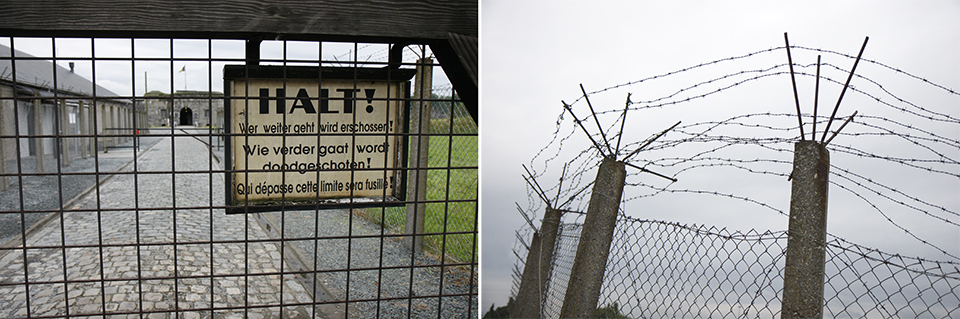
The horrors of Nazism and the concentration camps did not spare Belgium either. Fort Breendonk is a moving and powerful testament to this. It is one of the best-preserved camps in Europe.
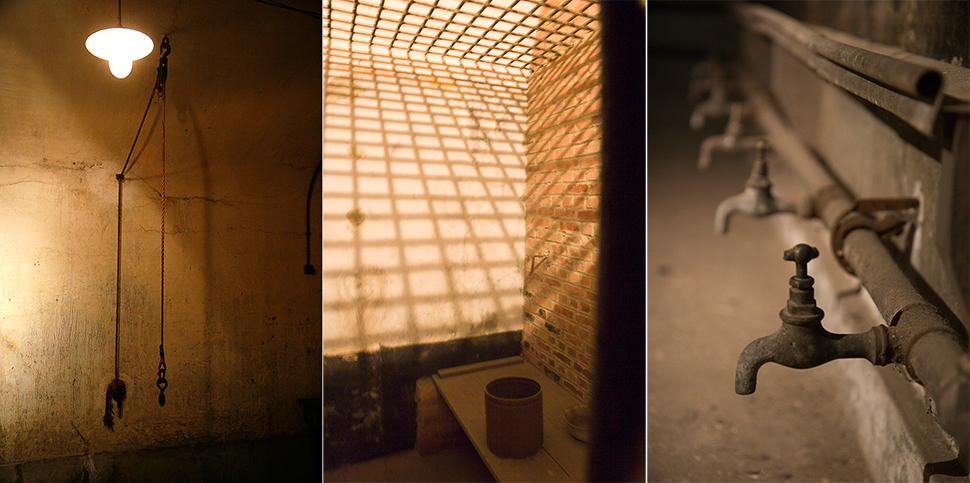
The fort has been completely renovated with the utmost respect for historical truth. During the moving visit, you discover the worksite where the prisoners were forced to perform labour, the torture chamber, the showers, the execution site, the prisoners' rooms...
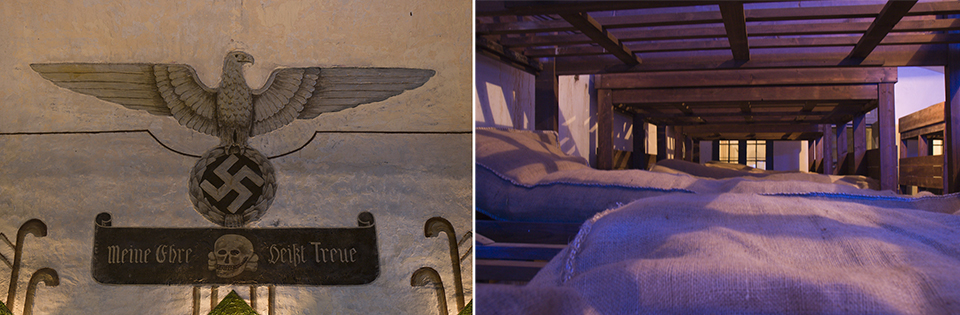
During your visit, you are guided by the most modern museum resources, such as audio guides, original audiovisual testimonies from former prisoners, films and giant photographs. This truly immerses you in the lives of the detainees, lives controlled by the SS.
At the end of the visit, the various museum rooms give you extra information about this sombre page in Belgian history. A gallery of portraits of prisoners: Breendonk as a cog in the Nazi terror machine, and finally the fort after liberation.
2. Zollverein in Essen (Germany)
When the former Zeche Zollverein in Essen was still operating, it was called the 'most beautiful mine in the world'. Today, the industrial heritage site Zollverein is the first and, so far, only UNESCO World Heritage Site in the Ruhr area.
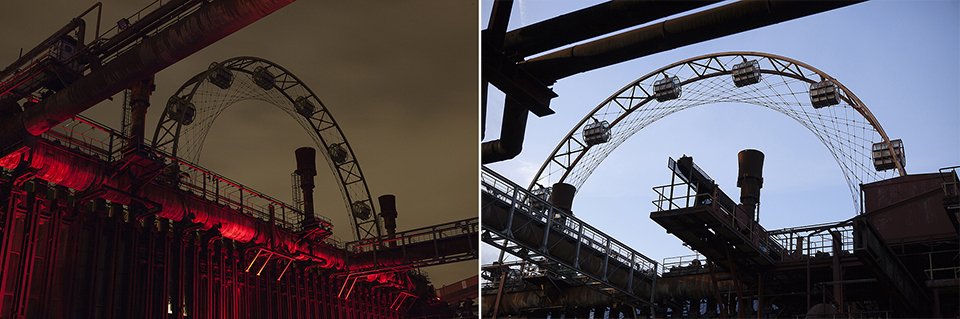
It attracts 1.5 million visitors every year. The mine and the coking plant are icons of modern industrial architecture. It is now the symbol of the Ruhr area.
The route passes through the authentically preserved above-ground buildings of Zollverein Shaft XII. Alongside the impressive business architecture, you learn about the technology and the work in the world's most beautiful, and once largest and most productive, coal mine.
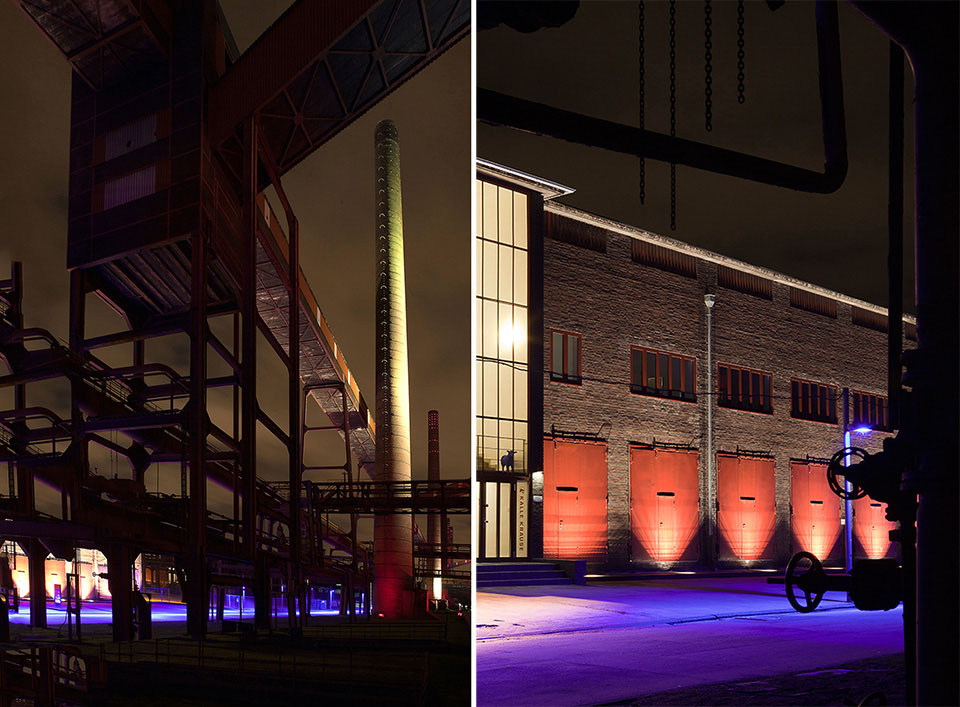
From the shaft installation where the coal arrived, you follow the coal on its way through the screening plant, where it was screened, to the processing and loading in the coal washery. At the same time, you discover the traces left by the miners and learn about their working and living conditions in this way.
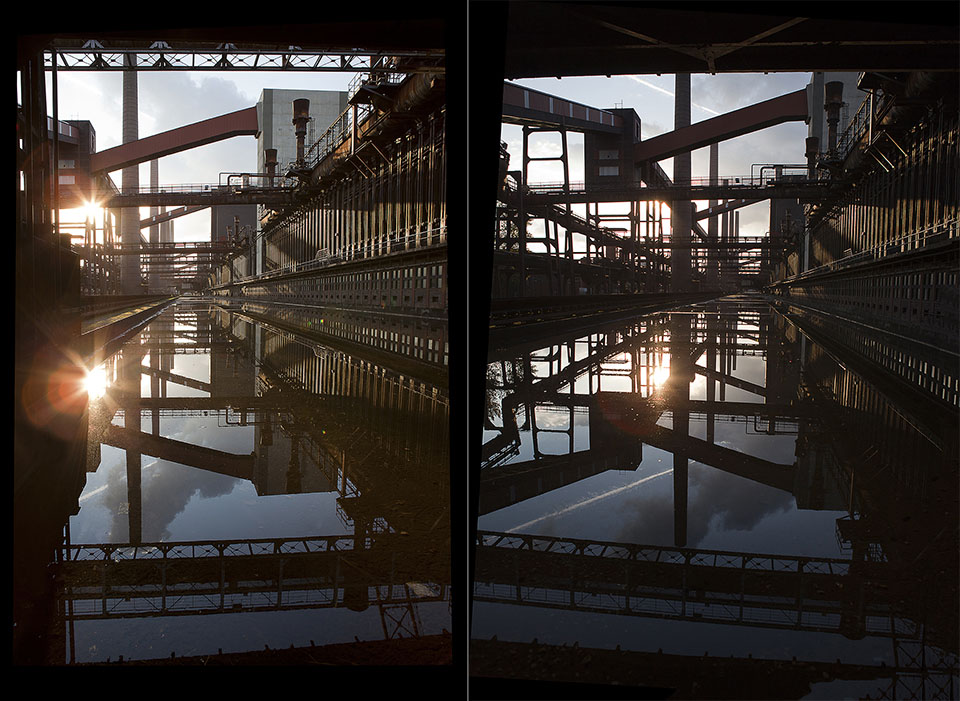
In the outdoor area, you get interesting information about the architecture, nature and the detailed process of Zollverein's development and changes from a mine into a modern cultural site.
3. Landschaftspark Duisburg-Nord (Germany)
The blast furnace complex was built in 1902 by the "Rheinische Stahlwerke zu Meiderich bei Ruhrort", and was later taken over by the Thyssen group. During the Second World War, it was badly damaged, but it was rebuilt in the 1950s.
In 1985, the complex's blast furnaces had become too small to remain profitable, and the complex was closed. Between 1991 and 2002, the site was turned into a public park.
Most of the buildings in the park are now used for recreational purposes. For example, from the former blast furnace 5 you have a good view over Duisburg and the surrounding area, you can dive in the gas tank, and climbing walls and climbing routes have been created in part of the ore bunkers.
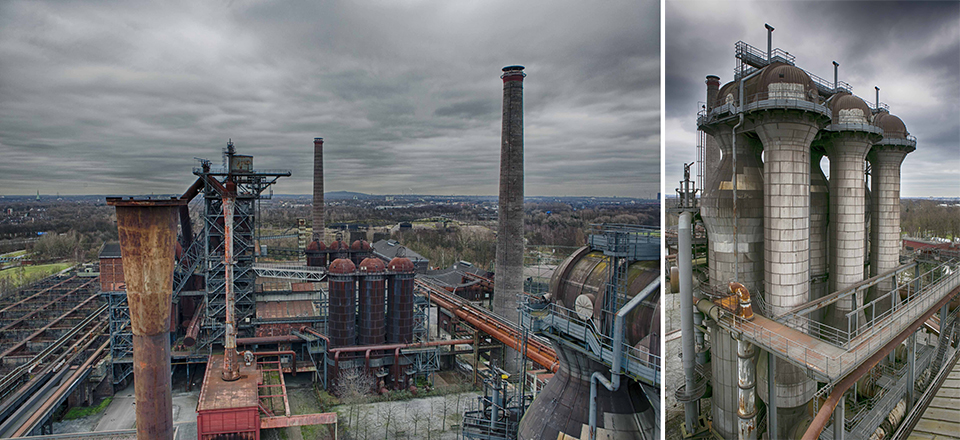
Events are also regularly held in the park. The site is part of the Route der Industriekultur, which passes industrial attractions in the Ruhr area.
4. Waterschei coal mine (Belgium)
The Waterschei coal mine was one of the seven mines in the Kempen coal basin. This Kempen mining site was located in the Waterschei district of the Belgian municipality of Genk.
The concession to mine coal was granted on 1 August 1906 under the name André Dumont-sous-Asch, covering 2,950 hectares, and was expanded to 3,080 hectares in 1912.
The capital of the operating company, Société anononyme André Dumont-sous-Asch, later shortened to Charbonnages André Dumont, was mainly held by Belgian companies and wealthy Belgian industrialists.
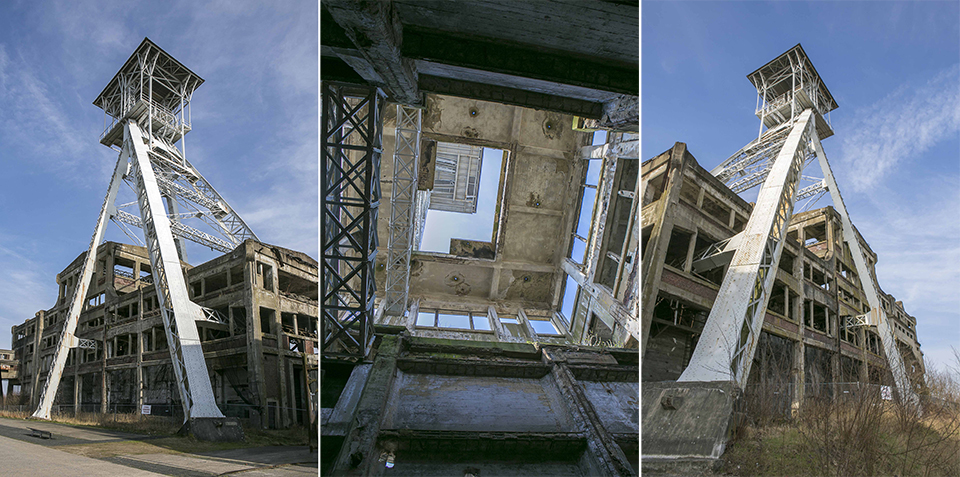
Coal was first mined in 1924 at depths of 560, 647, 700, 807, 920, 980 and 1,040 metres. Employment peaked in 1949 at 6,834 miners. The peak production year was 1968, with 1,490,700 tonnes. Total production amounted to 72,453,000 tonnes. The mine closed on 10 September 1987.
5. Ghost village Doel (Belgium)
Doel, a ghost village just across the border in Belgium near Antwerp, where hardly anyone lives anymore. An abandoned village with boarded-up windows and doors, crumbling walls and lots of graffiti. The image I had of the ghost village Doel in my head beforehand could easily have been a very good setting for a creepy horror film or series.
Doel is a small village in the Belgian province of East Flanders, close to the Dutch border, in the polders of the Waasland along the Scheldt. Since the 1960s, there have been plans to expand the port of Antwerp, which would mean that the village of Doel would have to make way.
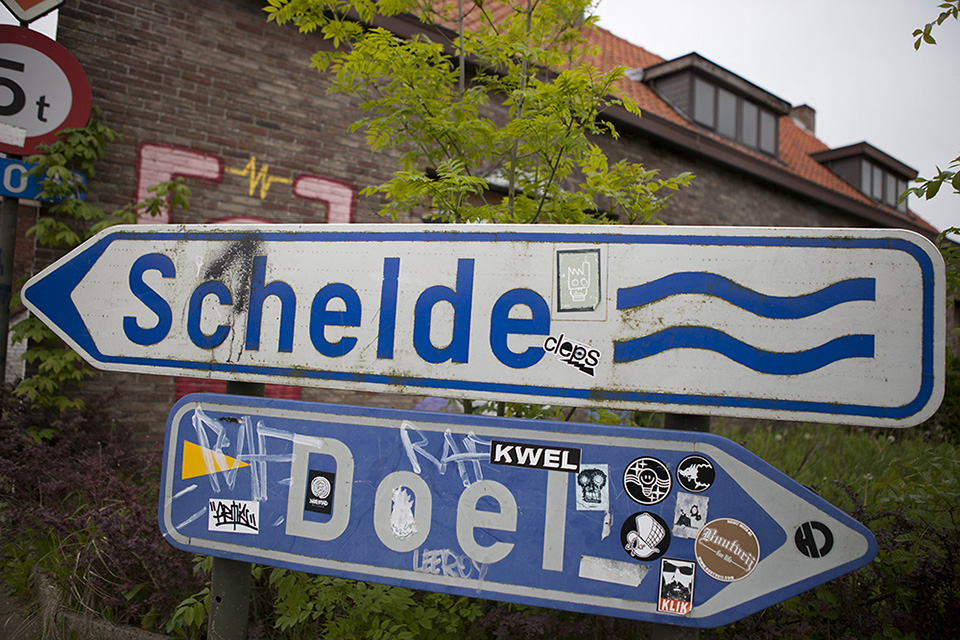
The nuclear power station, located one kilometre from the village, was also built during this period.
Doel nuclear power station consists of four reactors and two cooling towers approximately 170 metres high.
Since then, Doel has had a history of further plans and protests by its residents.
The number of residents of Doel fell. The village became particularly depopulated between 1999 and 2003, and on 1 May 2003 only 214 residents were still living there.
The village school was also closed that year because only eight pupils were enrolled. In the years that followed, Doel became a target for squatters, who had disappeared again by 2006. Doel gradually became more and more of a ghost village.
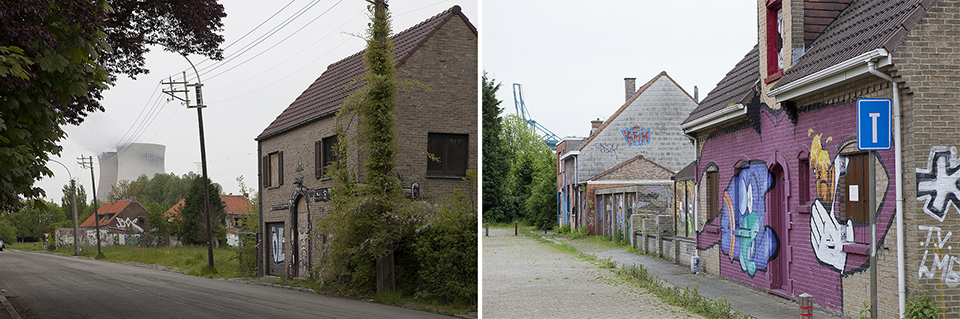
Today, based on what I saw of the village, only a handful of houses are still occupied.
6. Gare de Montzen (Belgium)
Montzen Gare is a former railway station on the Tongeren to Aachen line. Montzen is in Belgium, just across the border from Vaals in South Limburg, and is a district of the municipality of Plombières. Former Hombourg station is nearby, where there are many old carriages and the station has become a refreshment stop.
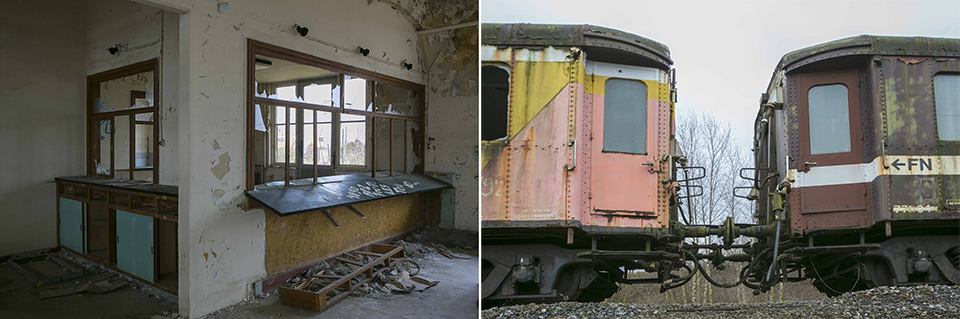
Today, it is mainly still a freight line, the Montzen route, and of course this much-visited urbex location.
I would also recommend this location, at Rue de la Gare 87, 4850 Montzen, to beginning urbexers. You can go about your business quite calmly, as there are no fences to get past to enter, so it is unlikely that you will run into problems once you are inside.
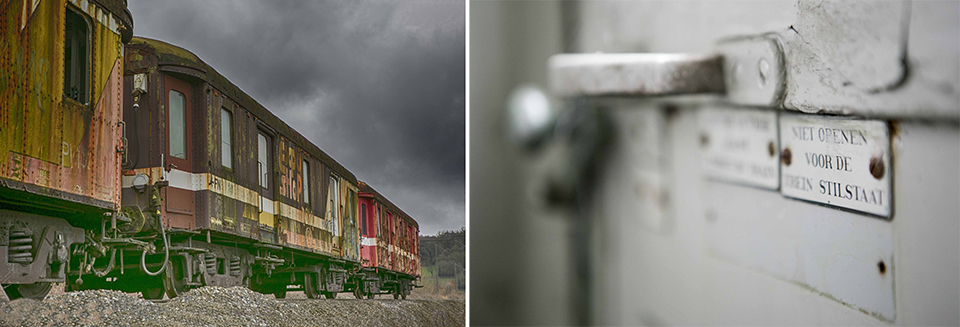
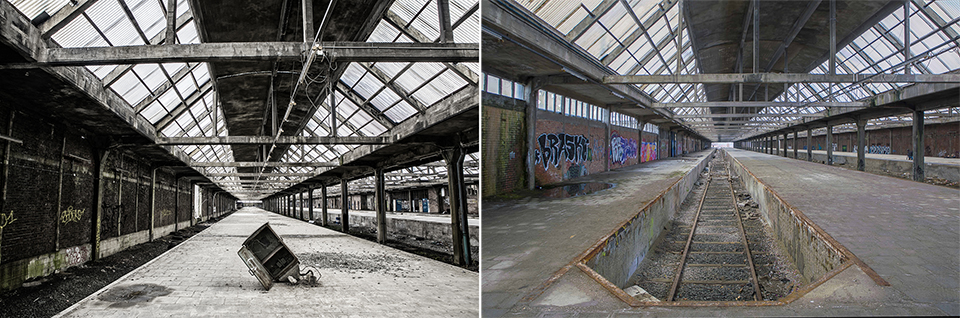
When you arrive at the building, it is rather impressive. It looks extremely large, a long, stretched-out building. Once inside, it is not too bad, as it is quite a small railway station. On entering, you notice that the train carriages that were there before are no longer there. The lines of the large station hall are interesting to photograph.
Near Montzen railway station there is an abandoned train carriage that is also interesting to photograph. It is at the end of Bisweg, a dirt track. Leave your car there and walk on through a meadow. You can already see the carriage below, and it is accessible too. There are some nice details to photograph inside.
7. Fort Chartreuse (Belgium)
Fort Chartreuse, who does not know this location? In the urbex world, Fort de la Chartreuse has already been visited by many urban explorers. The abandoned fort is easy to enter and is not too far from the Dutch border. In short, an ideal location for beginning urban explorers.
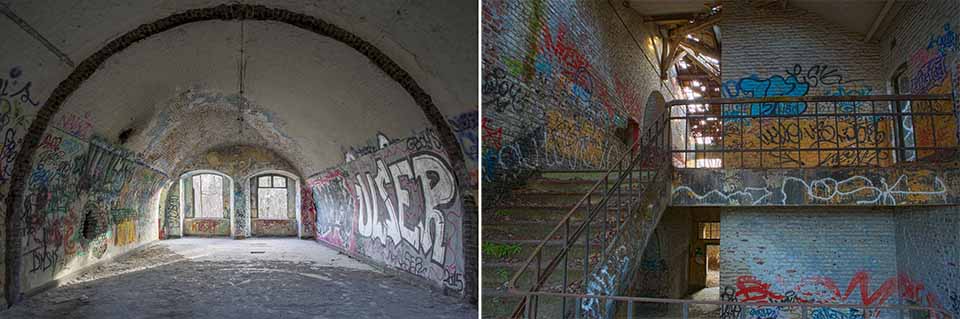
Fort Chartreuse, built by the Dutch in 1817, came into Belgian hands in 1830. The fort has a good strategic location and was heavily shelled by German soldiers during the First and Second World Wars.
During the Second World War, the Germans used this abandoned fort as a prison. The fort has been standing empty since 1980, and nature has taken over since then.
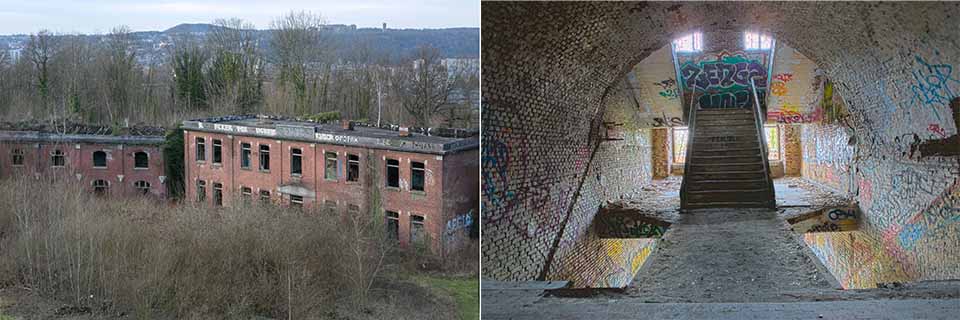
Despite the fact that this fort had been empty for over 36 years, I found its condition exceptionally good. You can clearly see that this complex was used as a prison and see traces of the war. If you would like to visit an urbex location that is easy to enter, I can certainly recommend Fort de La Chartreuse in Liège!
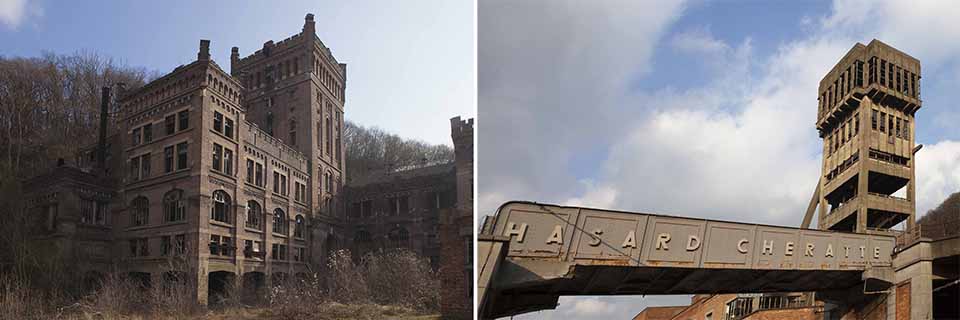
8. Hasard coal mine
The Hasard coal mine was the main Société anonyme des Charbonnages du Hasard, made up of four mine shafts. It is located in Cheratte, a district of the Belgian city of Visé, in the province of Liège.
The first shaft was dug in 1850 for underground coal mining. After an accident in 1877, the mine closed for the first time. It reopened thirty years later, in 1907, and remained in operation until 1977.
At the beginning of the 21st century, the ruins remain, known for urbex. Remediation of the site and the demolition of a number of buildings began this year, 2017.
9. Oradour-sur-Glane (France)
Oradour-sur-Glane is a short half-hour drive from Limoges. Oradour-sur-Glane is a breathtaking monument to the atrocities committed during the Second World War. The village was destroyed by an SS unit, which then carried out a massacre among the residents.
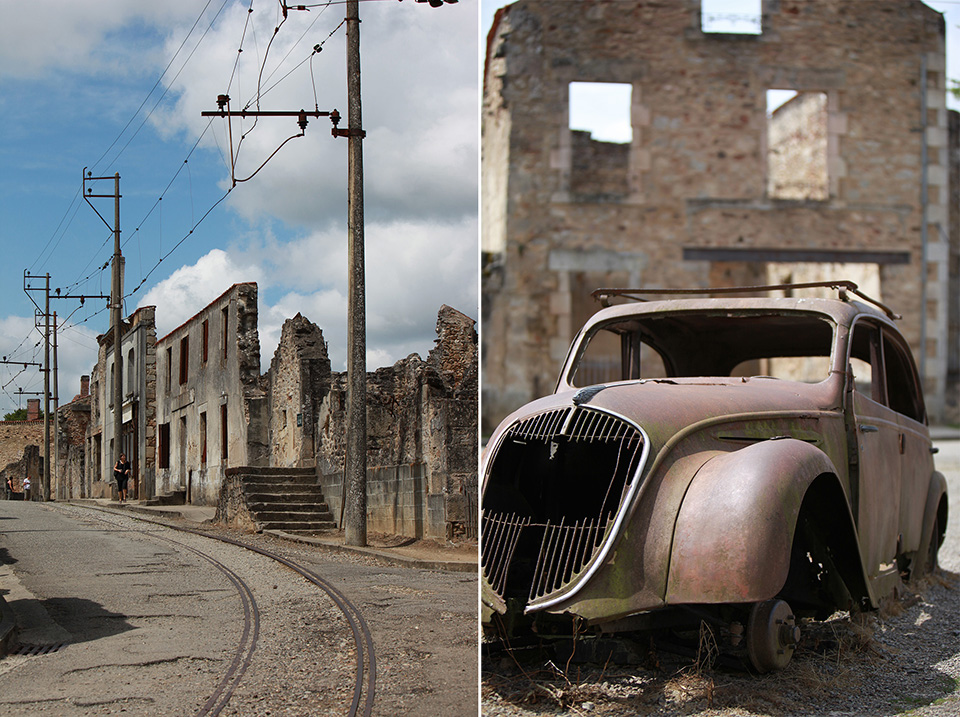
Shortly after the war, de Gaulle visited Oradour and decided that the village should remain as the Germans had left it, and so it still is today.
Oradour-sur-Glane was an ordinary village in the French countryside that we love so much. It would never have made it into the history books if the second SS Panzer Division, Das Reich, had not surrounded the village on Saturday afternoon, 10 June 1944, and sealed off all roads in and out. The division had come from the south, where it had already carried out a massacre in Tulle.
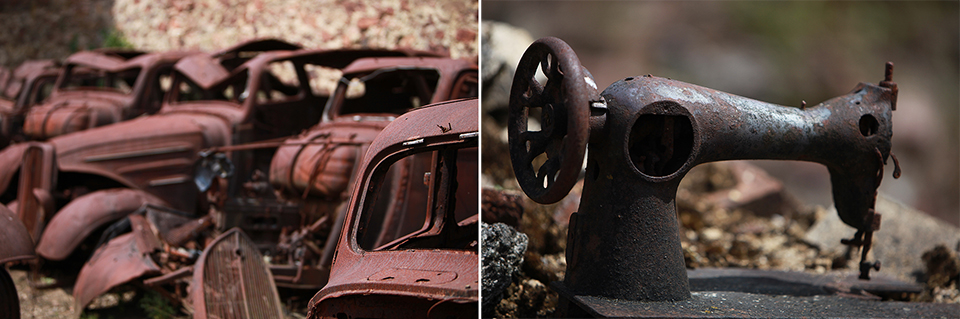
All the residents were gathered, after which the men were separated from the women. Not long afterwards, the male residents were shot dead. The women and children were then locked in the church, which was subsequently blown up, and the rest of the village was destroyed.
In a few hours, an entire village was destroyed with cold-blooded efficiency. 642 people died that day, and only six villagers managed to escape.
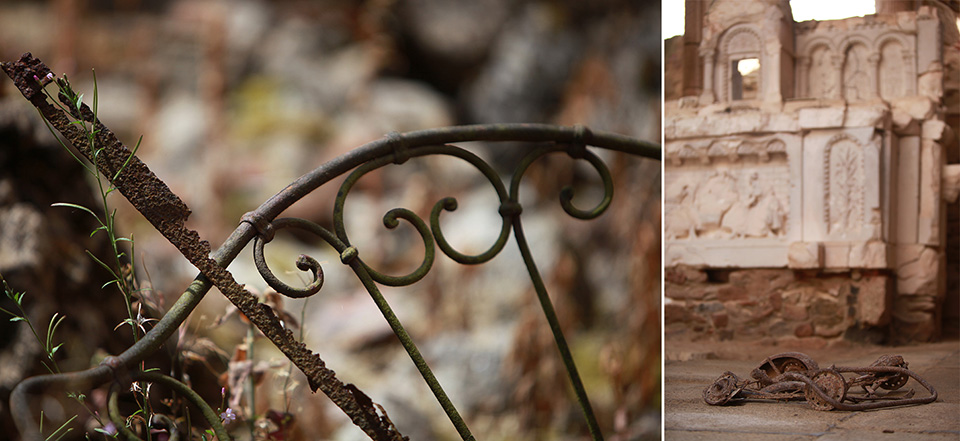
In 1999, an underground memorial centre with a huge car park was built. Much of the building is underground and it is enormous. The above-ground section is made of Corten steel and looks very modern.
Inside, it is dark, and the history of the village and the Second World War is told through photographs, films and other audiovisual material. A fine exhibition in a modern setting, there is nothing wrong with it.
To reach the village, you walk through a huge concrete tunnel that runs under the D3. This too is impressive, and it gives you the feeling that you are walking back through time. Once you emerge from the tunnel, you are standing right among the ruins. If historical sensation is something you can feel, then this is the place!
About the author
Michelle Peeters is fotografe en oprichter van DeuxBleus Fotografie. Michelle herkent het bijzondere in het gewone en het gewone in het bijzondere. Ze heeft zich nooit willen specialiseren en is daardoor van alle markten thuis.
You might also like
-
 My First Urbex Experience
by Kim Schröder
-
 Urbex exploring: Chateau D'or castle
by Kim Schröder
-
 The Perfect Picture; Colourful nature and urbex
by Elja Trum
-
 Photos of my urbex experiment in Germany
by Elvira Smit
-
 Photographing Italian ghost towns
by Michelle Peeters

14 comments
-
 Huub wrote on Saturday 20 May 2017 at 00:26 | reply
Nice to read and see. I know some of these locations myself too!
Translated from Dutch. -
 guest wrote on Tuesday 23 May 2017 at 10:40 | reply
Hasard is currently being demolished, almost nothing left to see. Chartreuse easily accessible?? I have different experiences, actually. We were even escorted to the exit by dogs.
Translated from Dutch. -

 Michelle Peeters wrote on Tuesday 23 May 2017 at 10:50
| reply
@gast: Hasard was indeed on the list to be demolished. I didn't know that about Chartreuse. A year ago (and many others with me) I could still freely explore the grounds without hindrance. Shame!
Translated from Dutch. -
 Aart van Weelden wrote on Tuesday 23 May 2017 at 12:38 | reply
Beautiful locations. But take a look around your area. Often there's a house that's been empty for years and is very urbex. Or an old barn.
Translated from Dutch.
It's so ordinary that it no longer stands out. -
Michelle Peeters wrote on Tuesday 23 May 2017 at 12:41
| reply
@Aart: that's completely true! Unfortunately, here in the Netherlands we're rather 'tidy-minded' and buildings are quickly demolished. In Belgium you have a better chance, but the police also arrive on the scene faster. And they're not lenient with fines there, and sometimes even prison sentences..
Translated from Dutch. -
evan wrote on Tuesday 23 May 2017 at 14:36 | reply
Waterschei is not accessible, I live nearby,
Translated from Dutch.
they are renovating.
Chartreuse neither -
Michelle Peeters wrote on Tuesday 23 May 2017 at 15:05
| reply
@Evan: those things change quickly I see...
Translated from Dutch. -
guest wrote on Tuesday 23 May 2017 at 18:06 | reply
As a Dutch person, you'd better not go to Doel. Arson and vandalism are quickly associated with NL license plates that pop up here and there. And with a camera, they'd much rather see you leave than arrive there.
Translated from Dutch.
Waterschei is being developed, all the old stuff is hermetically sealed off.
Nice list, actually only the last destination remains.... -
Michelle Peeters wrote on Tuesday 23 May 2017 at 18:55
| reply
@guest: the locations in Germany are of course also always (permanently) accessible!
Translated from Dutch. -
 Sven van santvliet wrote on Tuesday 23 May 2017 at 20:22 | reply
Many flatly photographed locations that either practically no longer exist, are indeed heavily guarded, or are a tourist attraction. I had hoped for more from this article. Many photos were also taken outside -at a safe distance-. Urbex is about searching, discovering and conveying the atmosphere. I feel something is missing from this article.
Translated from Dutch. -
Michelle Peeters wrote on Thursday 25 May 2017 at 12:27
| reply
@Sven: good tips about useful techniques or good locations are always welcome!
Translated from Dutch. -
 Whitney wrote on Saturday 14 April 2018 at 08:33
| reply
Visited Chartreuse two weeks ago. The gate is simply open, no problems getting in. And a few other photographers and hikers with or without a dog. Fortunately, I didn't experience any problems. Definitely a beautiful location for beginners!
Translated from Dutch. -
 Wyandavdbrandhof wrote on Thursday 13 September 2018 at 15:32
| reply
@Michelle Peeters Last week I went to Chartreuse with my boyfriend, we could get onto the grounds in 2 ways and walk inside everywhere. A beautiful location for really beautiful photos!
Translated from Dutch. -
 Lili wrote on Sunday 13 January 2019 at 18:57
| reply
I started Urbexing 20 years ago, together with Henk van Rensbergen, among the first photographers who went looking for abandoned places It didn't have a name yet back then and it wasn't simple, like it is now, to get addresses Just keep your eyes and ears open It wasn't such a hype back then Nowadays everyone does Urbex Exactly Usually it's about the thrill of getting inside somewhere and lots of photos are taken with mobile phones and the photos amount to nothing I've run into such a bunch many times
Translated from Dutch.
But to call Fort Breendonk and Oradour sur Glane an urbex location too is going too far in my opinion! A bit of respect for this horror please!
Have your say
Please note: Articles older than a week can only be commented on by signed-in visitors.Would you still like to comment? sign in or create a free account.
Become a better photographer every week
A practical photography tip in your inbox every week.
38,764 photography enthusiasts already receive the tips! More about the weekly mail. Or keep up to date via  Facebook.

Elja Trum
Photofacts; everything to do with photography!
Would you like to take better photos and keep up with what is happening in photography? Photofacts publishes articles that teach you something about photography — from a product announcement to a practical shooting tip or a look at a website. Photofacts covers photography every day and is a hobby project of Elja Trum's that got out of hand. The articles are written by a team of volunteer authors. If you would enjoy writing one or more articles for Photofacts, do get in touch.More about PhotofactsPhotofacts is made possible in part by
