
Visual Storytelling: make an impression with your photos
Sunday 2 October 2022, 20:10 by Laura van der Burgt | 5,595 views | 4 commentsThis article was translated from Dutch with the help of AI. Read the original.
Anyone who has heard of visual storytelling knows that it is a fancy term for telling an interesting story through images (visuals) and using them to appeal to people's emotions.
With the number of images we see every day, it is becoming increasingly challenging to attract an audience for your photos.
After all, who doesn't want their image or photo to be viewed for longer than that one millisecond and receive that coveted like! So pull out all the stops to get some extra attention.
An interesting photography book about this phenomenon was written by Finn Beales and is called The visual storytelling workshop. You might not expect it, but it is in Dutch.
In his book, he sets out a number of features that help add visual impact to your photos and story, making them more interesting. One of those aspects is imagination.
Imagination is the ability to picture something in your mind, in short, to use your imagination or fantasy.
Using this can produce surprising photos: not revealing everything arouses our curiosity. A little mystery makes us want more.
It activates our minds and triggers us. A photo therefore turns out to be much more interesting when it does not reveal everything and the viewer is tempted to fill in the gaps themselves.
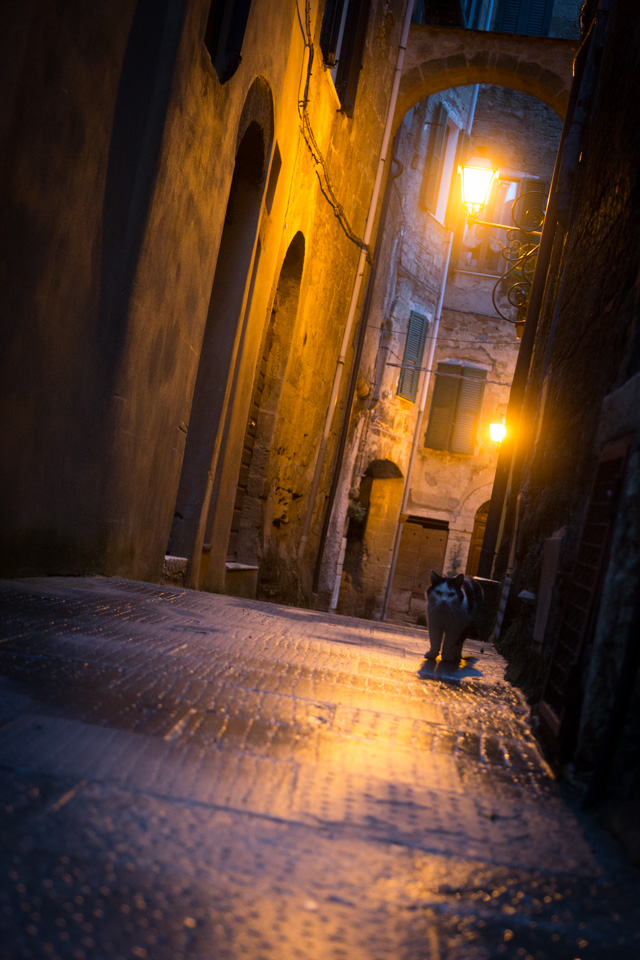
How do you add imagination to your photos? And what does a photo need to achieve this?
There is no ready-made recipe for adding imagination to your photo. But a number of ingredients will already help you a long way. I will highlight a few of them.
Choose an unusual viewpoint
The bird's-eye and frog's-eye perspectives are often mentioned. But working with extreme close-ups or an ultra-wide-angle lens can also offer surprising perspectives. Enlarge something to abnormal proportions.
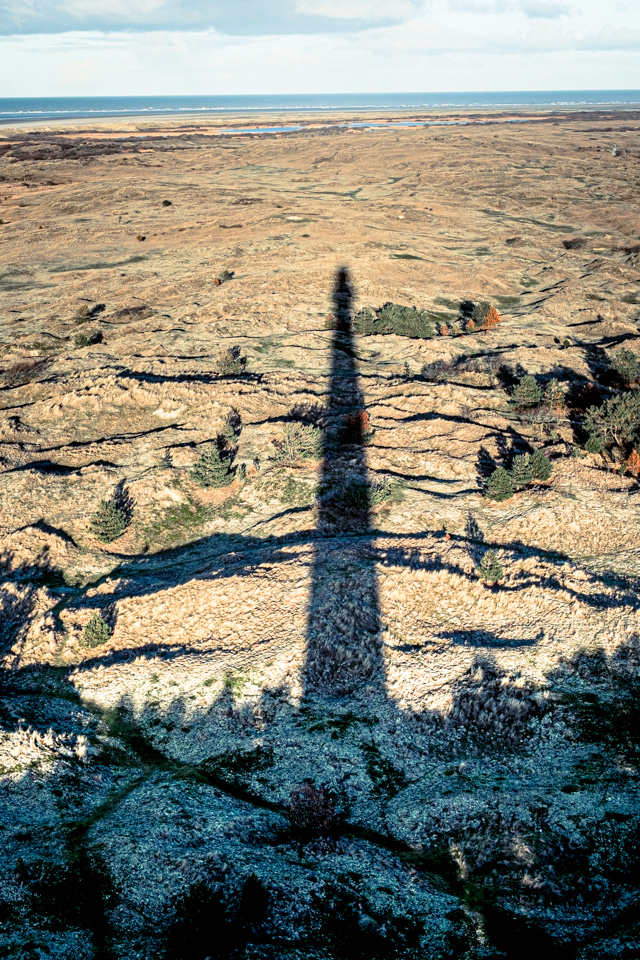
Use leading lines
Look for lines in your image that force the eye to follow a particular route through your photo. Sometimes this can be something obvious, such as a forest path or road, or layers in the landscape.
But lines from a railing, a fence or parts of a staircase can also be very effective for adding attractive visual elements.
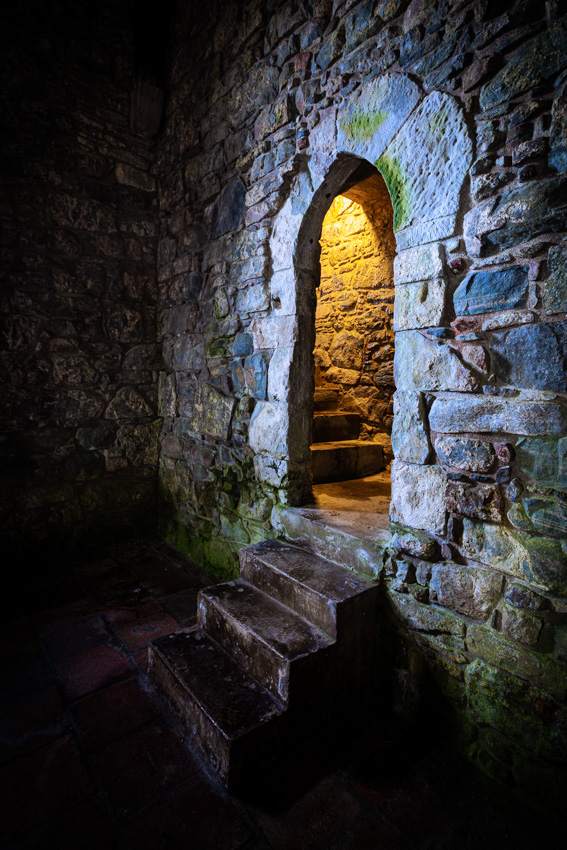
Frame your subject
Perhaps the most important tool when it comes to making your photo more interesting. We tend to put too much in a photo. We reveal too much information. The less is more principle often produces a better result.
Focusing on what first caught your eye is perhaps the best guide here. Try to find it and eliminate things that are less important.
You can also go a step further in post-processing by cropping heavily.
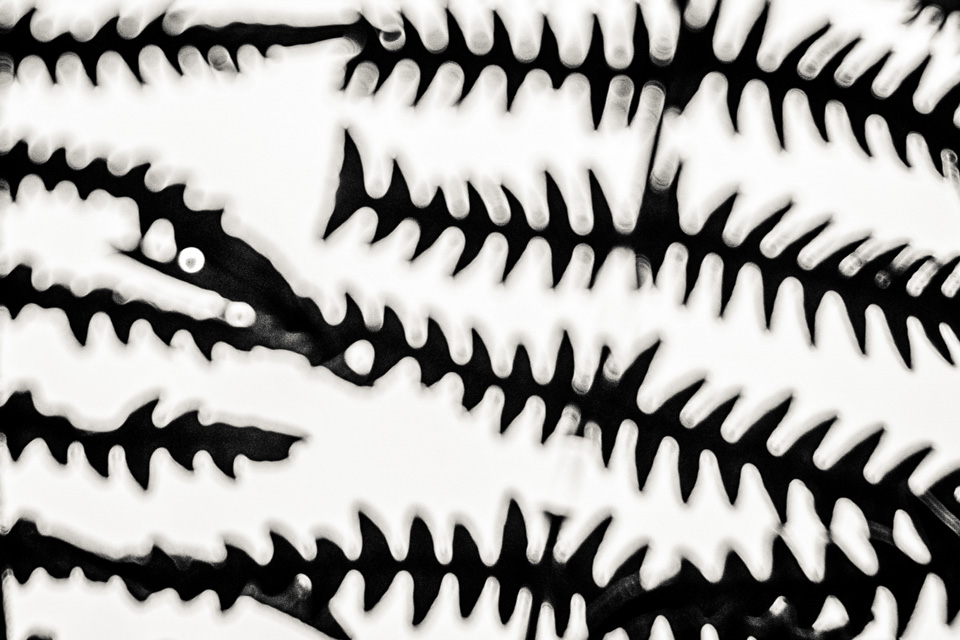
Practise
For example, by practising at home with one object and capturing it in ten different ways, you develop a feel for composition and framing.
The object itself is not important. It could be a plant, a fork or a pile of books. It is about experiencing how the light falls and learning to judge what makes a photo interesting.
By the tenth attempt, you will probably have stepped outside your comfort zone and taken an intriguing photo that arouses curiosity.
Think differently
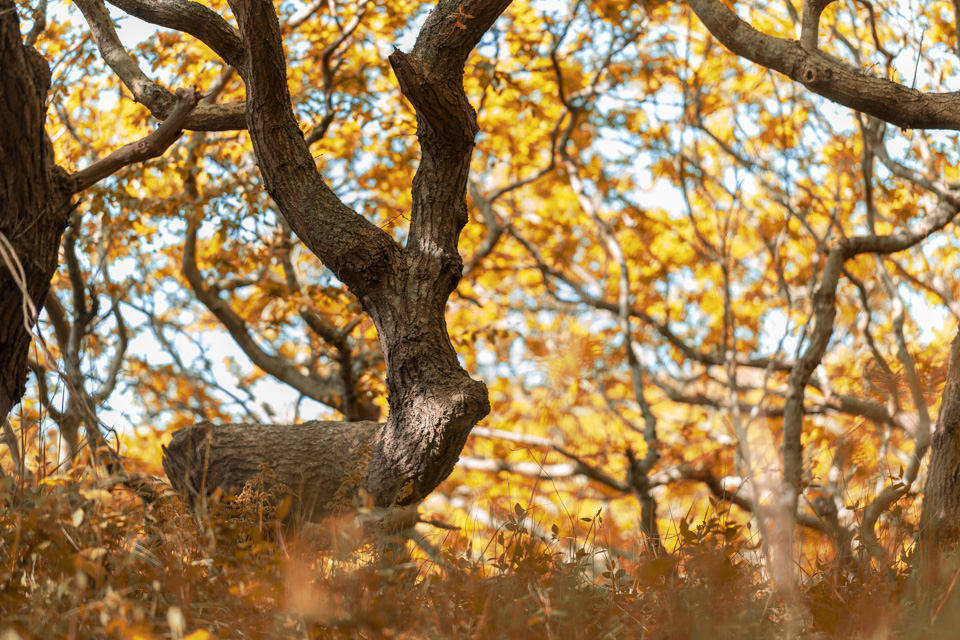
Photograph a subject in a completely different context for once. Make something look like something it is not. Or create something from nothing. This helps you break free from your fixed assumptions, and you pick up new ideas as you go.
A fun example was an episode of Perfecte Plaatje from 2022, with the hilarious assignment What the fuck is this?
Colour and atmosphere
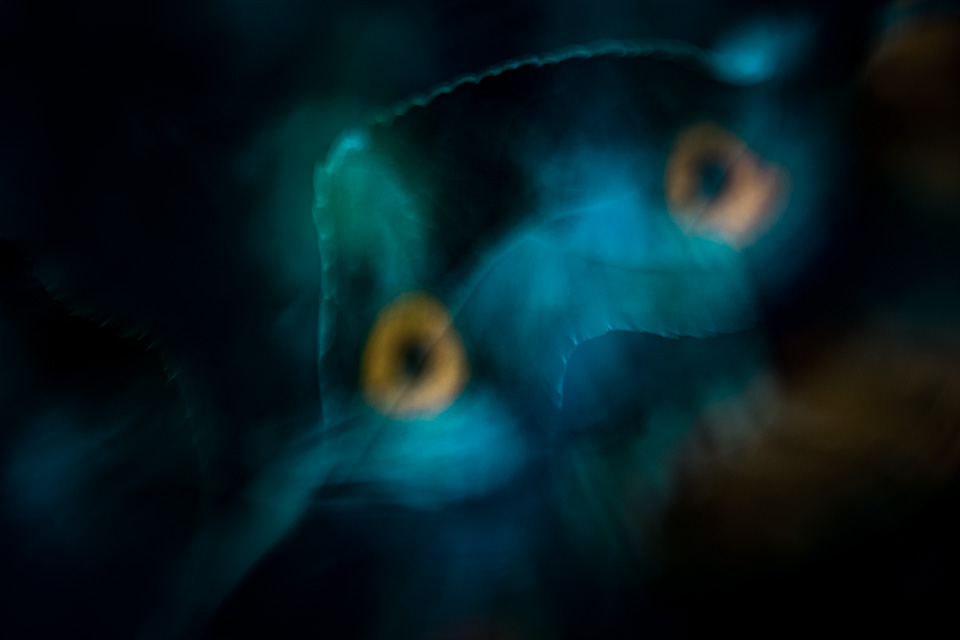
The colour or colour combination in your photo can make a world of difference. Colours evoke emotions and are closely linked to the atmosphere in your photo. The colour or hue does not always have to remain as it is in reality.
You can play with your camera's colour balance. Try photographing with a cool colour balance and notice that some subjects come across much better. Just try out all the sliders.
About the author
Natuurfotografie is voor Laura een samensmelting van het ongelooflijk genieten van in de natuur zijn en haar passie voor fotografie. Het fotograferen met een minimale scherptediepte is favoriet en ook trekt ze er vaak met de lensbaby op uit.
You might also like
-
 Add More Story to Your Photos with 5 Practical Tips
by Elja Trum
-
 Making Plans, Telling Stories
by Michiel Heijmans
-
 The story behind the photo: a rainbow
by Nando Harmsen
-
 First impressions of the Fujifilm X-T50
by Nando Harmsen

4 comments
-
 Karijn wrote on Wednesday 5 October 2022 at 09:20 | reply
Wonderful subject to play around with. I often first take a documenting photo, then I see what else I can make of it. My rule of thumb for myself is that the photo should at least be different from usual.
Translated from Dutch. -

 Laura van der Burgt
wrote on Wednesday 5 October 2022 at 12:52
| reply
Laura van der Burgt
wrote on Wednesday 5 October 2022 at 12:52
| reply
Good tip, Karijn! Thanks. I’m going to get to work on it.
Translated from Dutch. -

-
Laura van der Burgt
wrote on Sunday 9 October 2022 at 21:09
| reply
I can well believe that, Metin! Thanks for this tip.
Translated from Dutch.
Have your say
Please note: Articles older than a week can only be commented on by signed-in visitors.Would you still like to comment? sign in or create a free account.
Become a better photographer every week
A practical photography tip in your inbox every week.
39,078 photography enthusiasts already receive the tips! More about the weekly mail. Or keep up to date via  Facebook.

Elja Trum
Photofacts; everything to do with photography!
Would you like to take better photos and keep up with what is happening in photography? Photofacts publishes articles that teach you something about photography — from a product announcement to a practical shooting tip or a look at a website. Photofacts covers photography every day and is a hobby project of Elja Trum's that got out of hand. The articles are written by a team of volunteer authors. If you would enjoy writing one or more articles for Photofacts, do get in touch.More about PhotofactsPhotofacts is made possible in part by
