

10 Mistakes When Creating a Composition
Monday 21 September 2026, 20:02 by Nando Harmsen | 1,653 views | 1 commentThis article was translated from Dutch with the help of AI. Read the original.
A good composition is and remains difficult. There are plenty of tips and pieces of advice. Despite that, things can still go wrong. The ten mistakes in this article make you aware of the pitfalls, so you can avoid them.
Mistake 1: Not choosing a subject
The photo needs a focal point. This is the basis of a composition. Without a clear subject, there is nothing to look at. Make sure you show something in your photo.
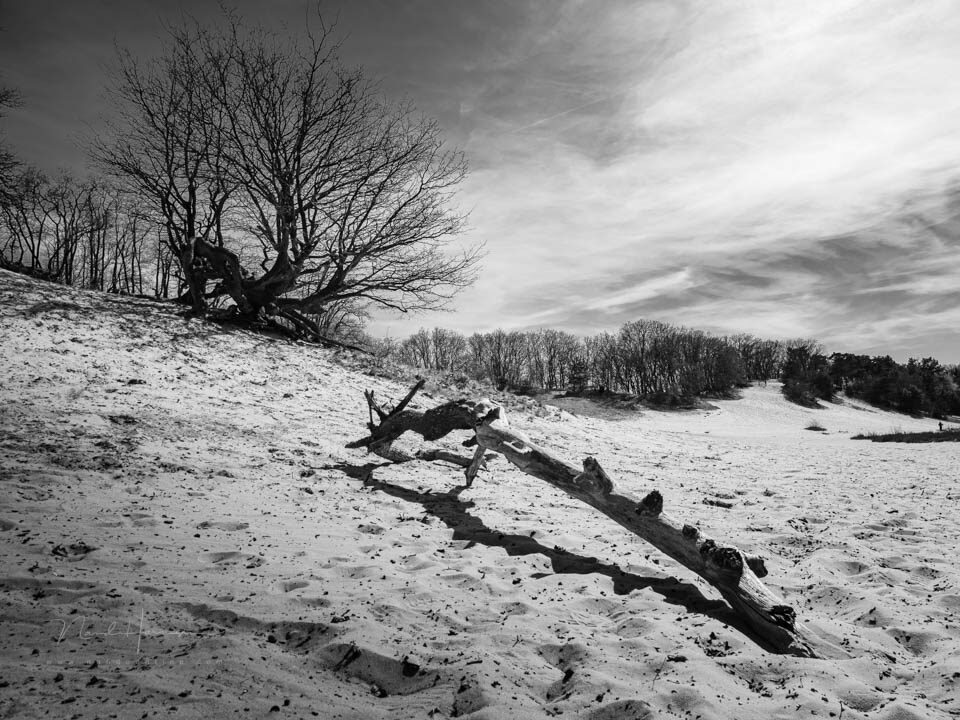
A subject gives you something to look at - f/8, 1/800s, 200 ISO @ 12mm
Mistake 2: Ignoring the background
Pay attention to what can be seen in the background. Are there distracting things in the frame? Does it feel cluttered? The background is just as important as the subject you are photographing.
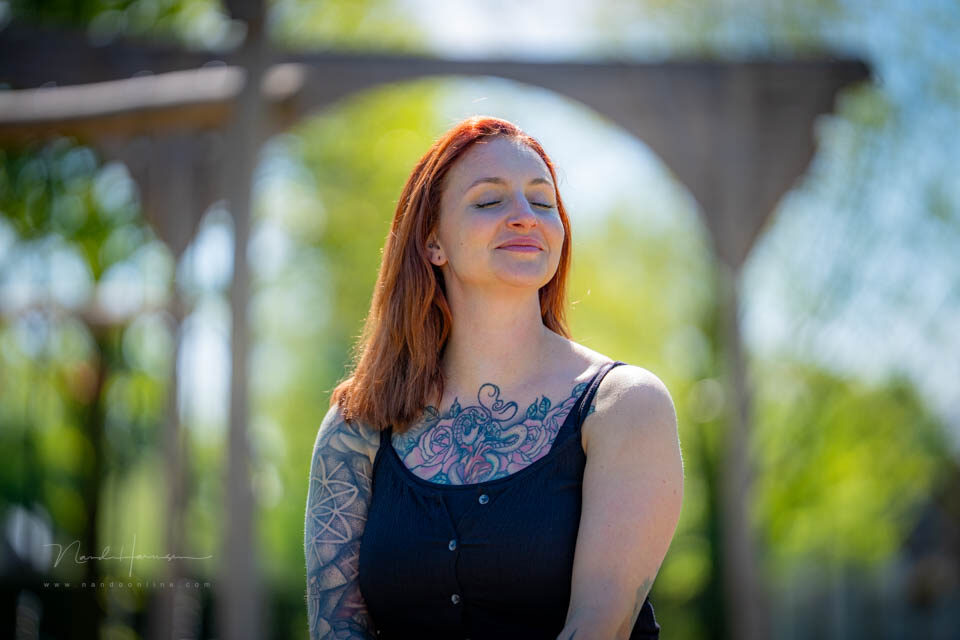
Always look at the background. Make sure it works - f/2, 1/3200s, 100 ISO @ 150mm
Change your position, perspective, depth of field and focal length until the background is no longer distracting. It should add something.
Mistake 3: An uninteresting foreground
Including a foreground in the frame can create a pleasing sense of depth. But the foreground must be worth including. Don't use a foreground because you think you have to.
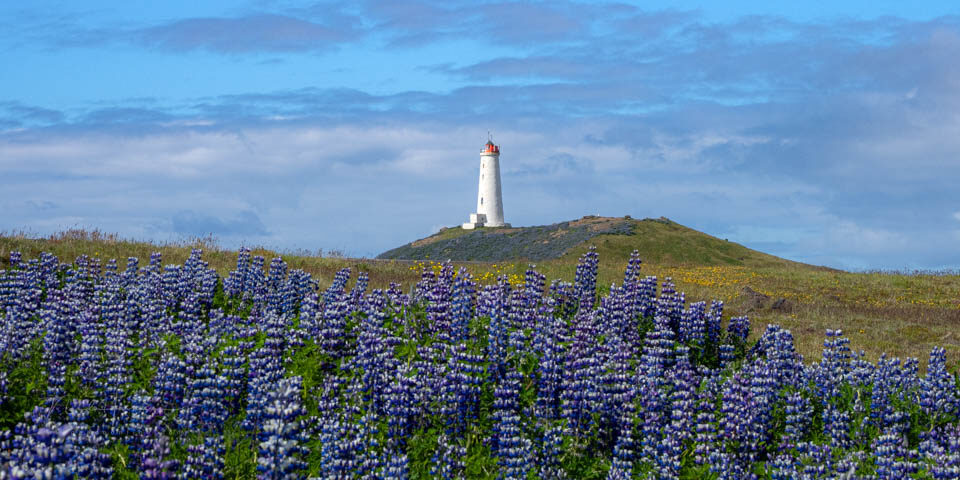
Make sure the foreground is attractive and adds something - f/11, 1/640s, 200 ISO @ 50mm
Choose something attractive in the foreground. Something that adds value. It should fit into the whole and be part of the complete image. If this isn't possible, leave out the foreground.
Mistake 4: Sticking to the rules
There are many rules that tell you how a composition 'should' be arranged. Don't rigidly stick to those rules. A rule doesn't always fit. Sticking to it can have the opposite effect.
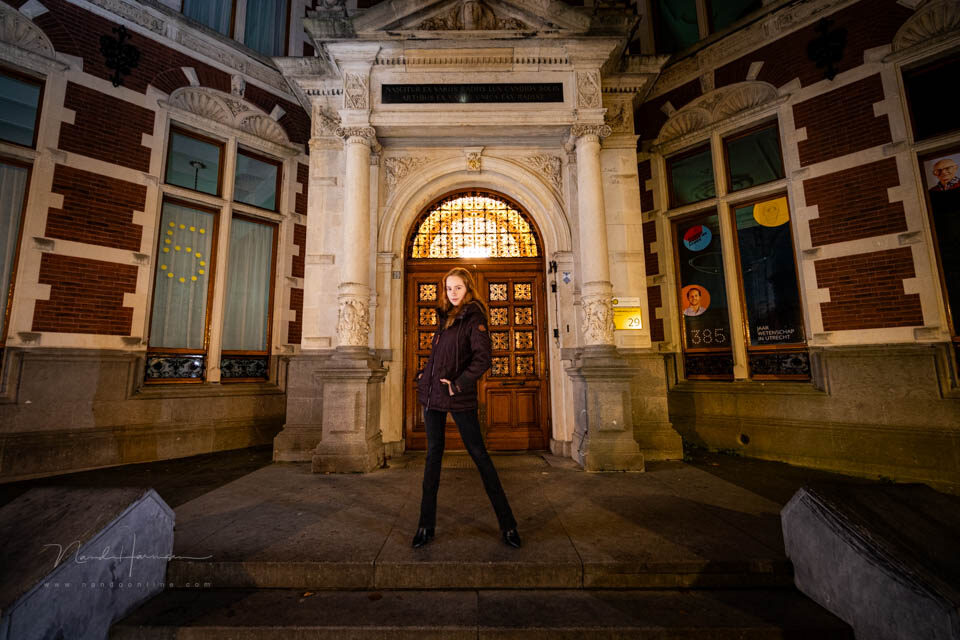
Simply in the centre of the frame. That gives the best feeling for this photo - f/2.8, 1/15s, 3200 ISO @ 15mm
Let go of the rules more often. That gives you freedom and is less restrictive. But be careful, don't obsessively 'break' rules either. That is just as restrictive as rigidly sticking to them.
Mistake 5: Repairing it in post-processing
Never assume that a photo can be repaired in post-processing. A poor composition in particular is final. No edit can correct it. You can only crop it a little.
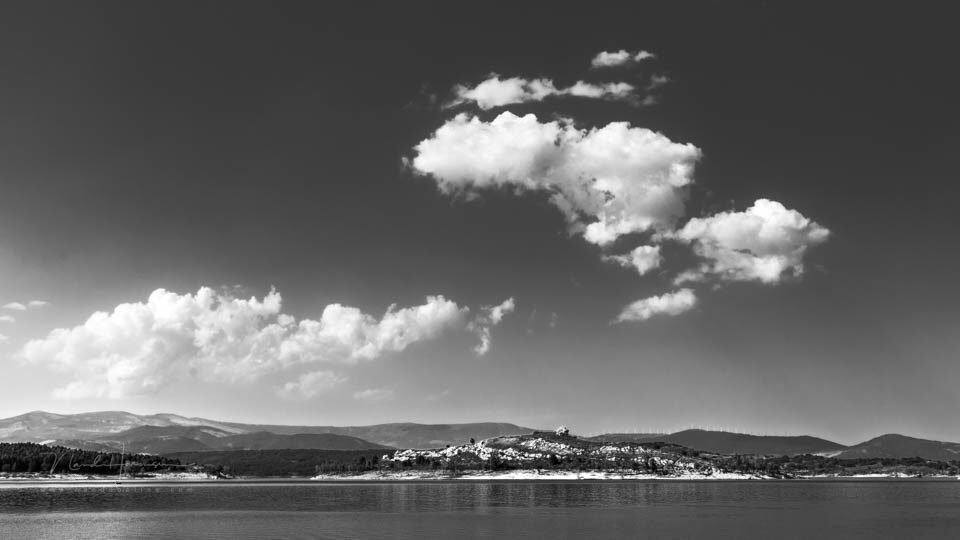
You can't repair a poor composition in post-processing - f/9, 1/1000s, 200 ISO @ 39mm
Also don't try to save a composition by turning it into a black-and-white photo. A poor composition stands out even more in black and white. Editing is about optimising, never saving.
Mistake 6: Taking a photo without thinking
Avoid taking a photo straight away. First look at everything that can be seen. Decide what you want in the frame. Make choices. Besides, the place where you are standing is rarely the best place.
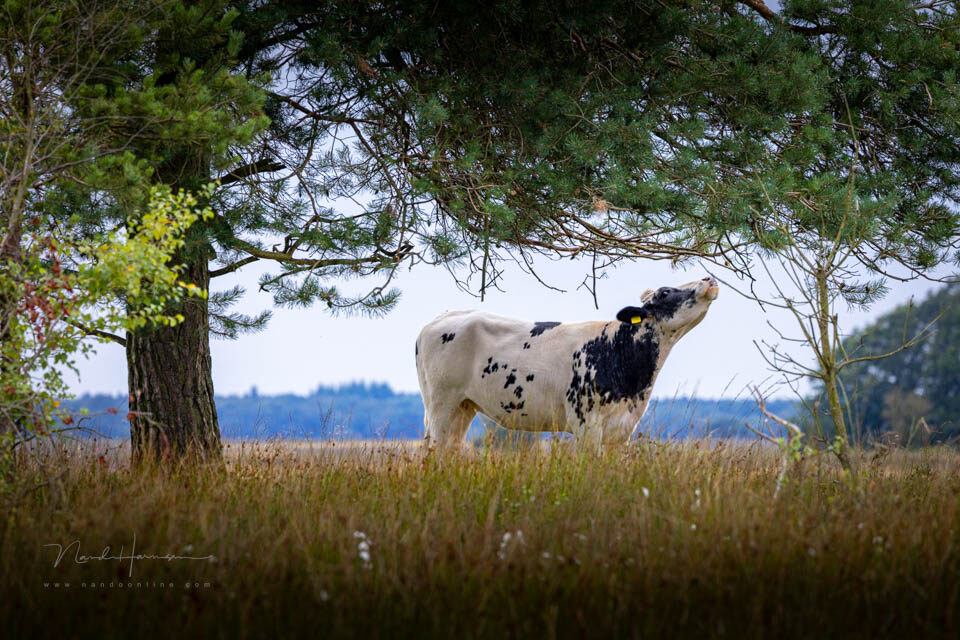
Think about how you show something in the frame - f/8, 1/60s, 800 ISO @ 363mm
Look around, walk around, play with perspective and try out different viewpoints. Only then will you find the best place to take a photo. It may even produce several compositions.
Mistake 7: Always wanting to include everything
It is easy to simply include as much as possible in the frame. Use as much wide angle as possible, or even take a panorama. The result is rarely worth it, apart from a quick snap.
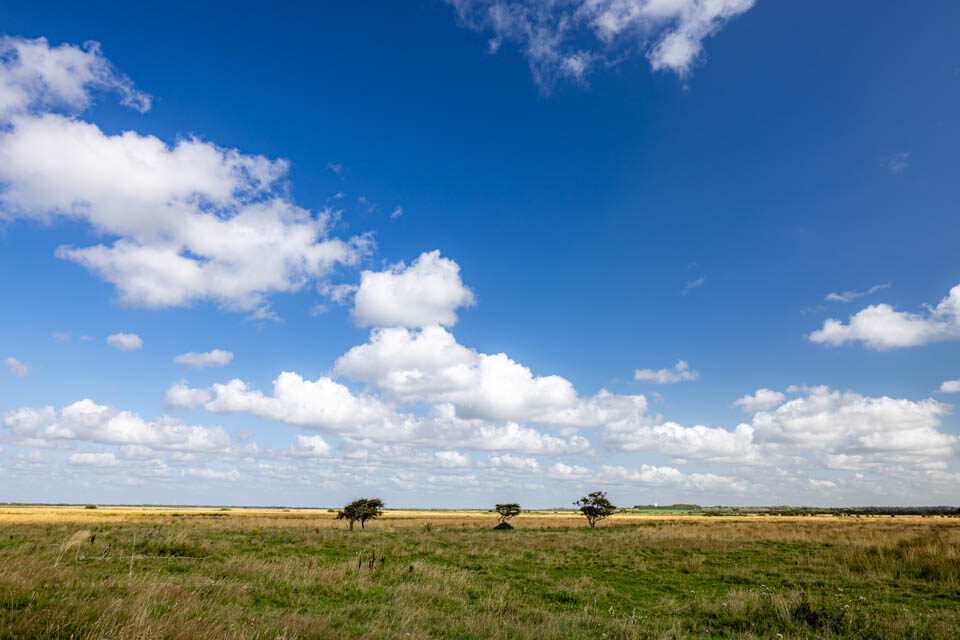
Simply including everything in the frame rarely works - f/9, 1/200s, 100 ISO @ 24mm
Including everything in the frame usually means doing nothing more than avoiding making choices. Details get lost because everything is shown small. Do you want to include everything? Spread it across several photos.
Mistake 8: Creating a frame that is too tight
It is important not to include too much in the frame. You frame the subject neatly so that only what you want is included. But be careful not to make the frame too tight. Leave yourself some room to manoeuvre.
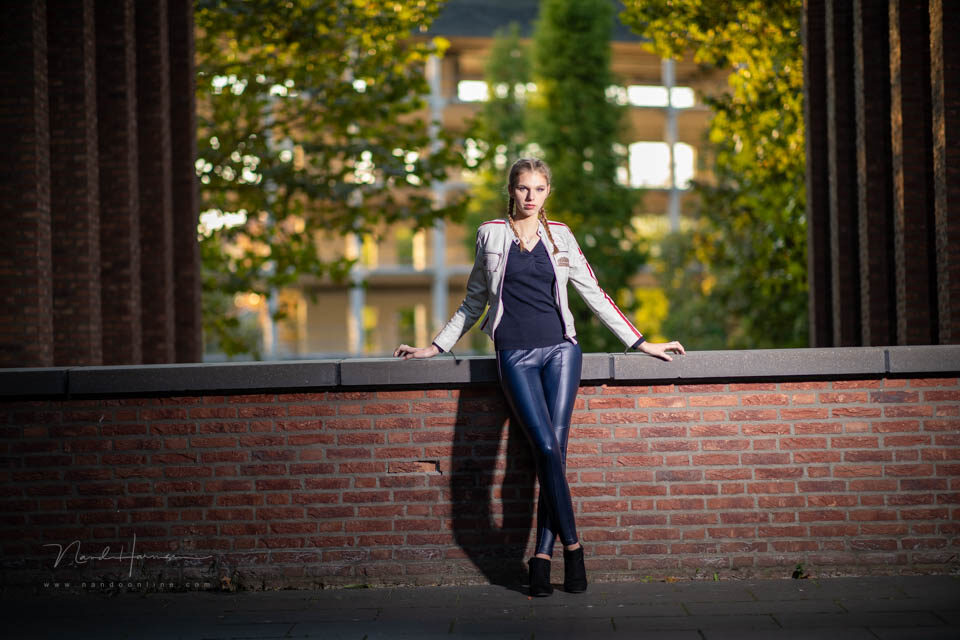
A little room to tilt is sometimes needed- f/1.4, 1/400s, 50 ISO @ 85mm
A frame that is too tight can sometimes make small corrections impossible. Correcting a crooked horizon in particular requires some extra image area. It also gives you room to refine the frame in post-processing.
Mistake 9: Ignoring your feelings
Despite all the composition rules that tell you what to pay attention to, there is one rule you must not forget. Let your feelings play a part when creating that composition.
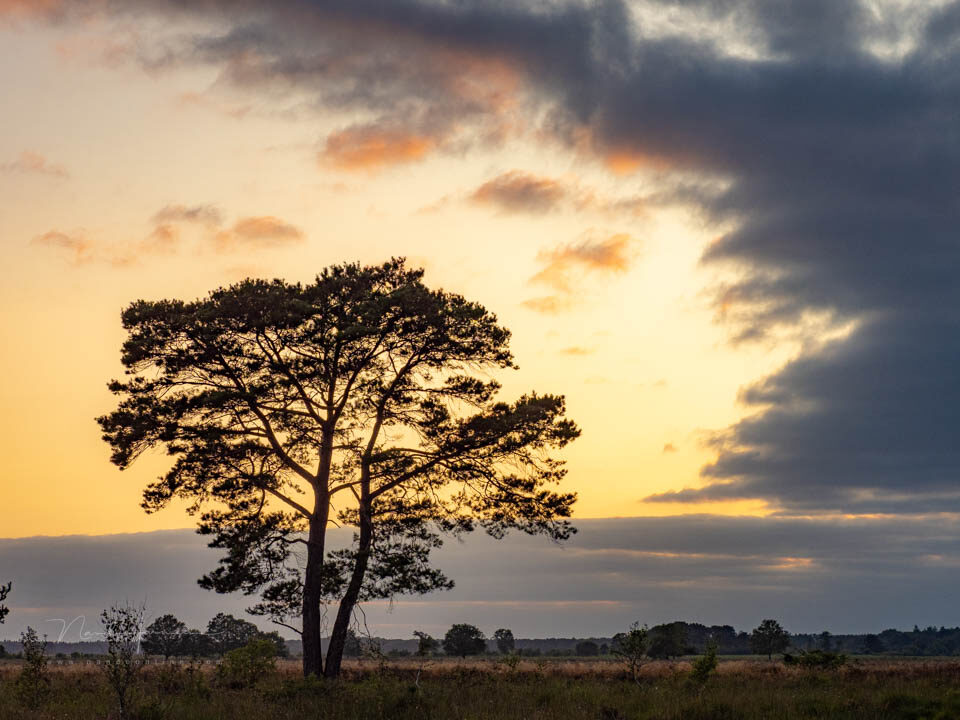
Listen to your feelings. - f/8, 1/60s, 200 ISO @ 41mm
If a photo is pleasant to look at and gives you a good feeling, the composition will be good too. But be critical. Is there something undermining that good feeling? Then something is wrong with the composition.
Mistake 10: Looking too critically
Be careful when composing a photo. You need to be critical and pay attention to many things. But don't be too critical either. The danger is that you end up not taking a photo too often.
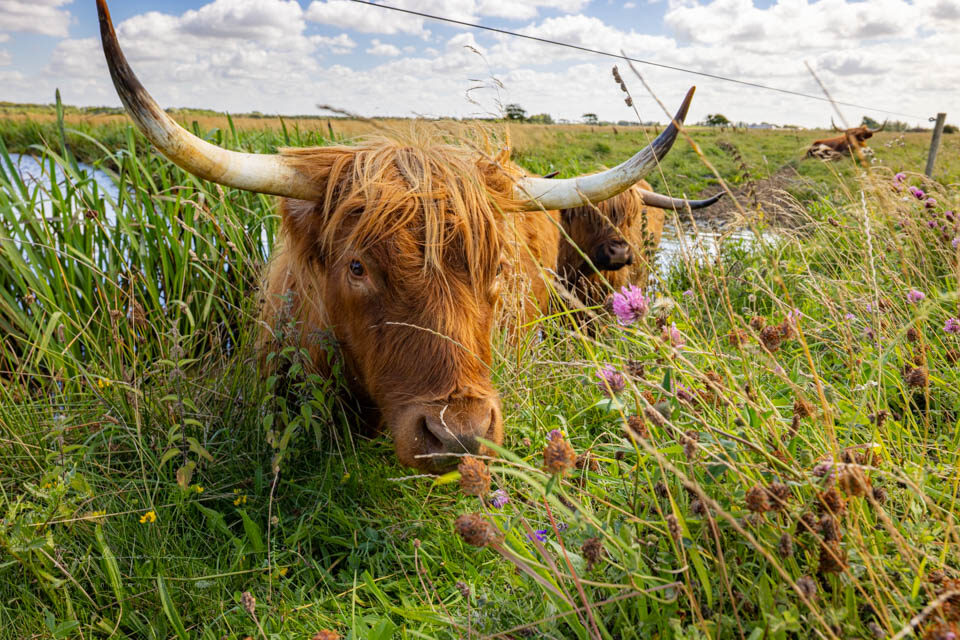
If you are too critical, you sometimes miss special moments - f/9, 1/125s, 160 ISO @ 24mm
About the author
Nando Harmsen has been photographing for more than 40 years. He specialises in wedding photography and landscape photography. Nando also gives talks, workshops, masterclasses and photo trips, and regularly reviews new and interesting equipment.
You might also like
-
 Composing a Foreground - Part 1
by Nando Harmsen
-
 Photography rules are not meant to be followed strictly
by Nando Harmsen
-
 Choose the right perspective
by Nando Harmsen
-
 Stupid mistakes you can make as a photographer
by Nando Harmsen
-
 Rules! Good to learn, good to let go
by Erik van Rosmalen
-
 Landscape photography tip: Choose the right perspective
by Nando Harmsen
1 comment
-
 Donald Willemsen wrote on Tuesday 22 September 2026 at 13:18 | reply
Totally agree Nando. Especially the last part. Photograph with pleasure.
Translated from Dutch.
Have your say
Please note: Articles older than a week can only be commented on by signed-in visitors.Would you still like to comment? sign in or create a free account.
Become a better photographer every week
A practical photography tip in your inbox every week.
39,077 photography enthusiasts already receive the tips! More about the weekly mail. Or keep up to date via  Facebook.

Elja Trum
Photofacts; everything to do with photography!
Would you like to take better photos and keep up with what is happening in photography? Photofacts publishes articles that teach you something about photography — from a product announcement to a practical shooting tip or a look at a website. Photofacts covers photography every day and is a hobby project of Elja Trum's that got out of hand. The articles are written by a team of volunteer authors. If you would enjoy writing one or more articles for Photofacts, do get in touch.More about PhotofactsPhotofacts is made possible in part by
