

Have a choice? Choose an odd number
Sunday 2 February 2025, 22:55 by Nando Harmsen | 2,017 views | 2 commentsThis article was translated from Dutch with the help of AI. Read the original.
One is rather lonely. Bringing more objects into the frame can make a photo more exciting. If you have a choice, go for an odd number. It even has a name: Rule of Odds.
In Dutch, it is called the Rule of Unequal Parts. It is a composition rule that says an odd number of objects works better than an even number. You see this in a triptych, or in a preference for three vases together on a sideboard.
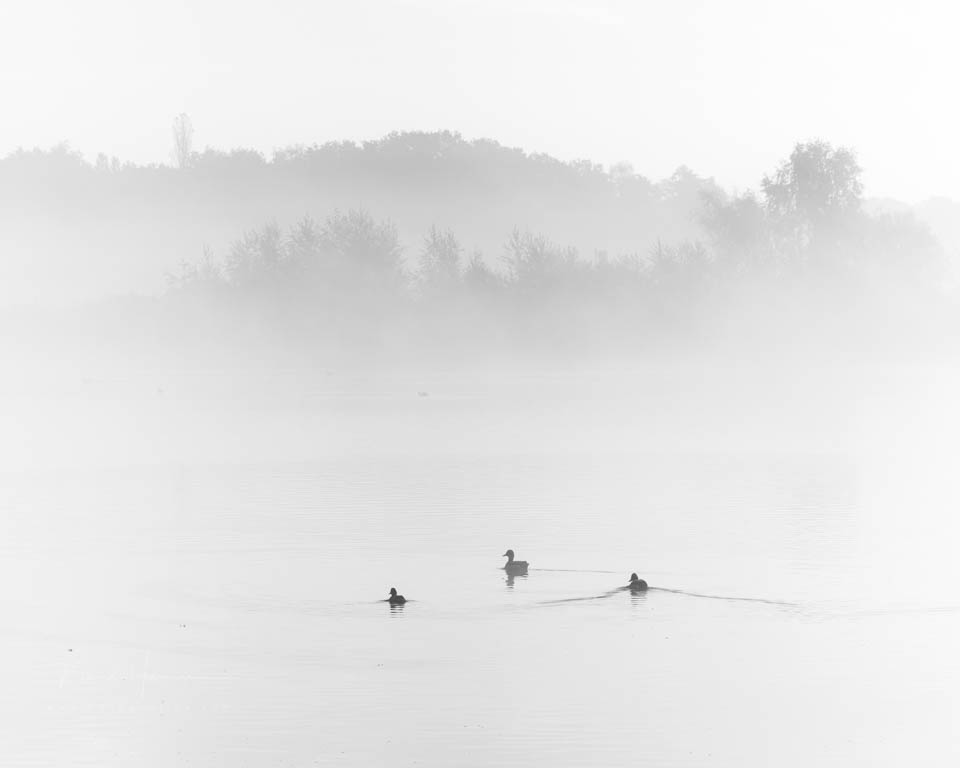
Research shows that we unconsciously split multiple objects into pairs. You immediately see two, or two times two, or three times two. This seems to be how our brains work. If you have an odd number, something clicks: we are missing an object.
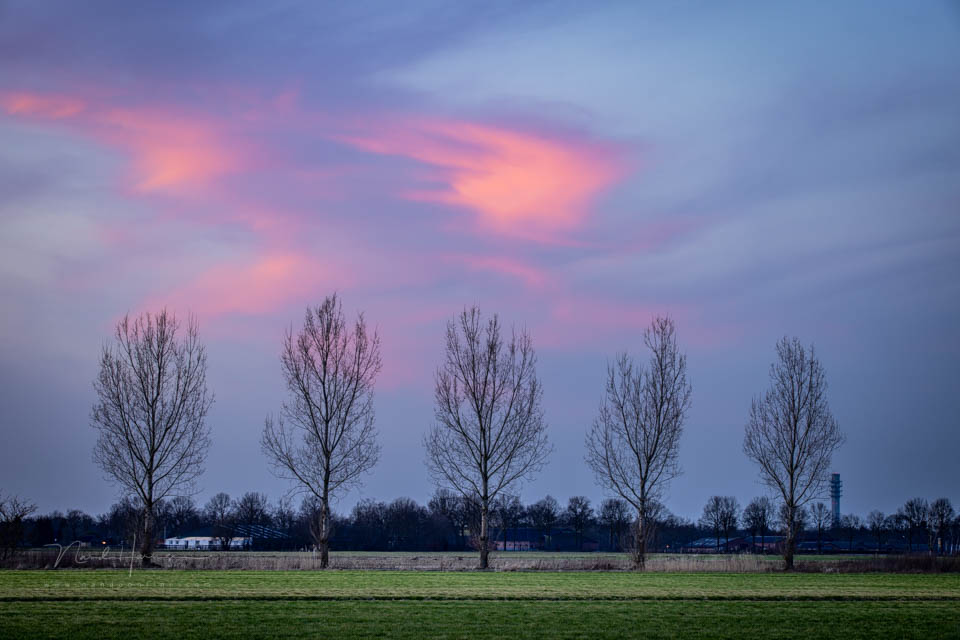
If you have three, five, seven or nine objects, there is always one left over when we unconsciously split them into pairs. This creates a kind of unease and we start looking for the missing object. As a result, we look through a photo more actively.
This is an unconscious process that makes the photo more interesting. We look at it for longer. This works for three, five and seven, and to a lesser extent for nine. These are numbers we can see without counting.

With more than nine, it is experienced as a group. It then no longer matters whether the number is even or odd. It is a group. The Rule of Unequal Parts no longer applies.
Is an even number wrong, then? No, of course not. Two, four or six works too. Sometimes you simply have no choice. But if you can make it an odd number, it often works just a little better.
About the author
Nando Harmsen has been photographing for more than 40 years. He specialises in wedding photography and landscape photography. Nando also gives talks, workshops, masterclasses and photo trips, and regularly reviews new and interesting equipment.
You might also like
-
 Adobe previews new Sensei-powered Object Selection Tool
by Michelle Peeters
-
 5 power tips for more exciting sports photos
by Huub Keulers
-
 Putting together a triptych
by Nando Harmsen
-
 Bringing everything into the frame is almost never necessary
by Nando Harmsen
-
 Two household objects you really should photograph
by Elvira Smit
-
 An Evening or Night Photo from a Surprising Viewpoint
by Nando Harmsen
2 comments
-
 Donald Willemsen wrote on Tuesday 4 February 2025 at 13:53 | reply
Indeed Nando your story is right. Still I can imagine that even numbers in one image also work well and that is if you want/can bring symmetry into the image.
Translated from Dutch. -


Have your say
Please note: Articles older than a week can only be commented on by signed-in visitors.Would you still like to comment? sign in or create a free account.
Become a better photographer every week
A practical photography tip in your inbox every week.
39,024 photography enthusiasts already receive the tips! More about the weekly mail. Or keep up to date via  Facebook.

Elja Trum
Photofacts; everything to do with photography!
Would you like to take better photos and keep up with what is happening in photography? Photofacts publishes articles that teach you something about photography — from a product announcement to a practical shooting tip or a look at a website. Photofacts covers photography every day and is a hobby project of Elja Trum's that got out of hand. The articles are written by a team of volunteer authors. If you would enjoy writing one or more articles for Photofacts, do get in touch.More about PhotofactsPhotofacts is made possible in part by
