

5 power tips for more exciting sports photos
Monday 27 January 2020, 16:32 by Huub Keulers | 7,346 views | 9 commentsThis article was translated from Dutch with the help of AI. Read the original.
When I ask my workshop participants beforehand what they find most difficult about sports photography, I often hear: taking sharp photos. And yes, that is of course important in many situations, but you can also creatively work around this problem, as I will explain in photography tip 3.
However, a good sports photo depends on far more than just sharpness. Over all the years I have worked as a photographer in the world of sport, I have noticed that the more original and interesting sports photos are appreciated most.
I would like to share my experiences with you in this photography blog in 5 photography tips.
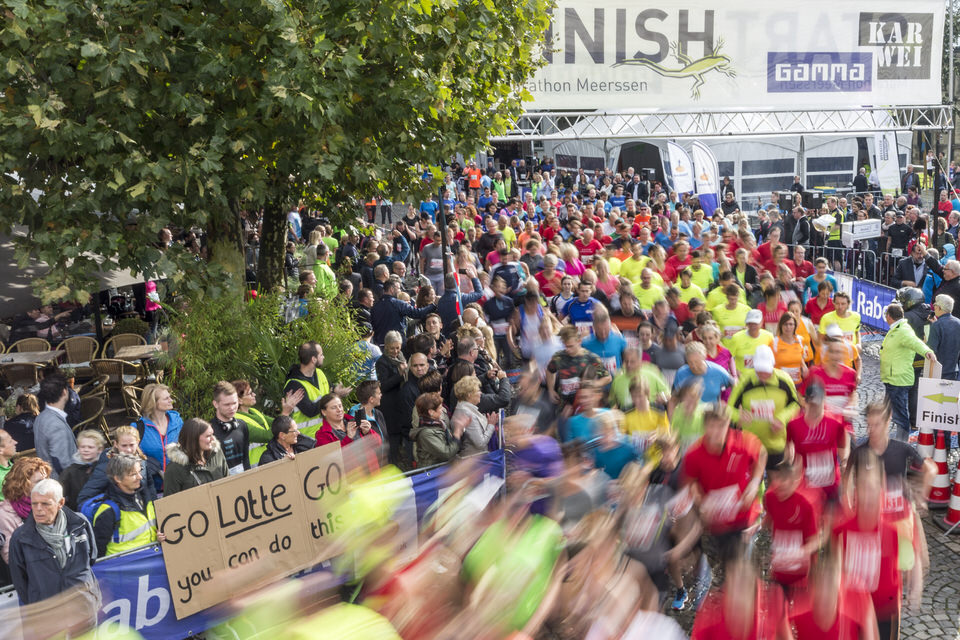
1. Point of view
It may be obvious, but a considered point of view can make a world of difference. As a sports photographer, take a few steps to the left or right and see the effect through your viewfinder.
Whether you take your sports photos standing, sitting, kneeling or lying down can also make a big difference. Every point of view can have an immense effect on your sports photo.
Finding the right spot along the track, athletics track or in the sports hall is often the key to a successful sports photo. That is why I am often there early, or, if possible, visit the location a few days beforehand to look at the situation.
I then look for spots that could produce interesting photos. I imagine how and in what way the athlete will pass by. In a way, I 'play' an imaginary film in my head.
These spots can be on the inside or outside of a bend, or at a higher viewpoint. Always keep a close eye on your own safety and that of others.
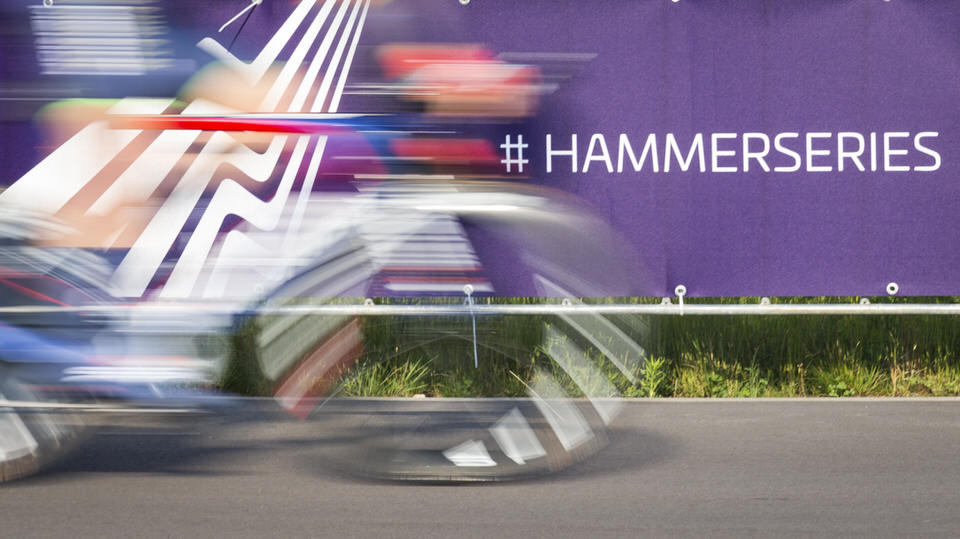
It could just as well be a straight section of a race circuit with a nice, uncluttered background, for taking panning photos. Sponsor advertising or fans in the background can also produce an interesting photo. It all contributes to your image and helps you tell a good sports story.
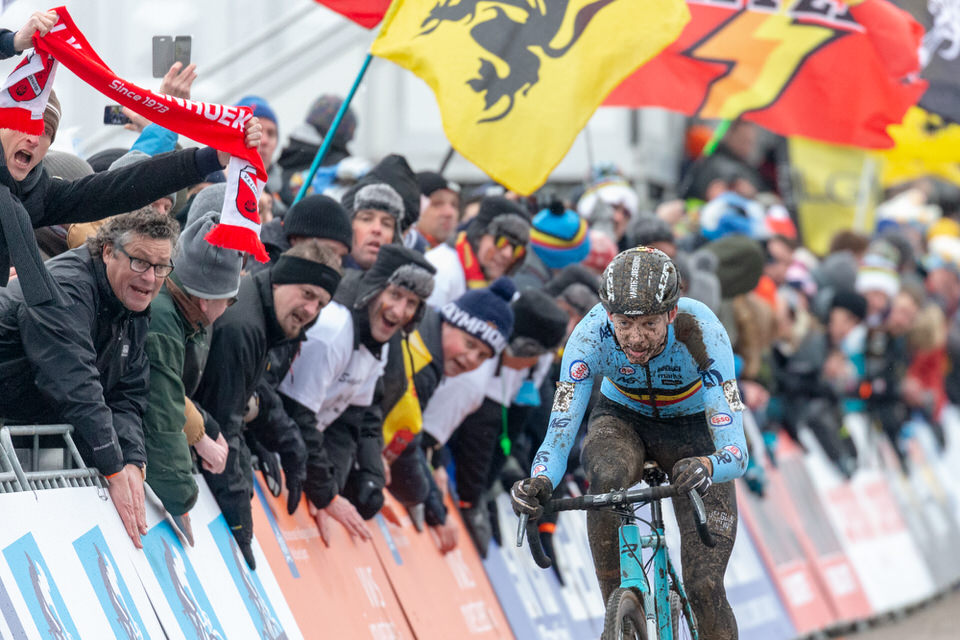
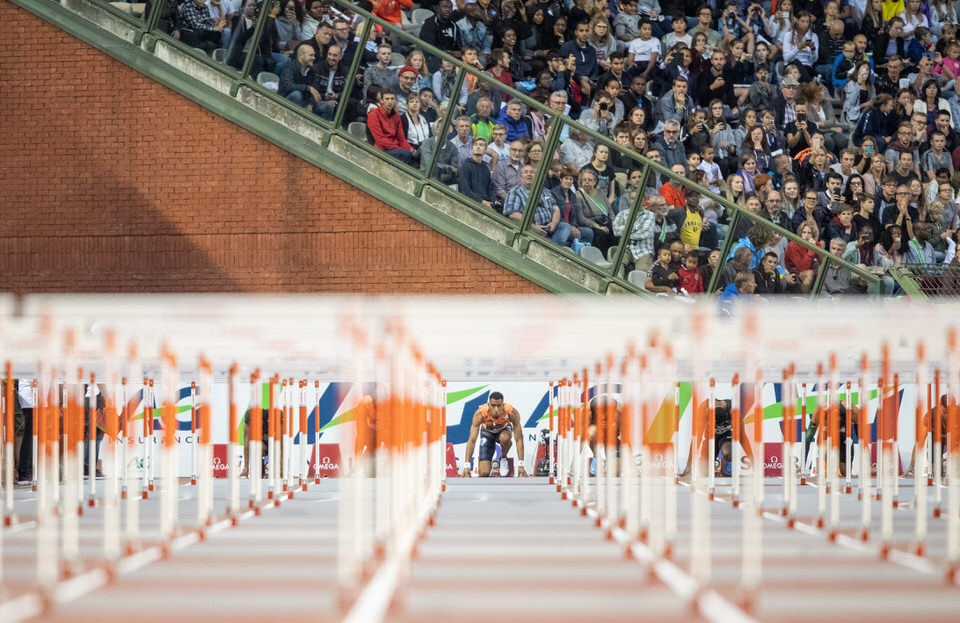
Oh yes, try to avoid the spots where lots of photographers are already standing from time to time. They will no longer produce unique images for you. For example, do not be afraid to take photos from the stands. Of course, you will not come home with the winning photo every time, but at least try to stand out from the rest occasionally.
Preparation is always key in all of this, though. I cannot say this often enough. Know the circuit, the track and the field. Ideally, know the sport or even a specific athlete too. It has helped me enormously.
2. Go wide-angle
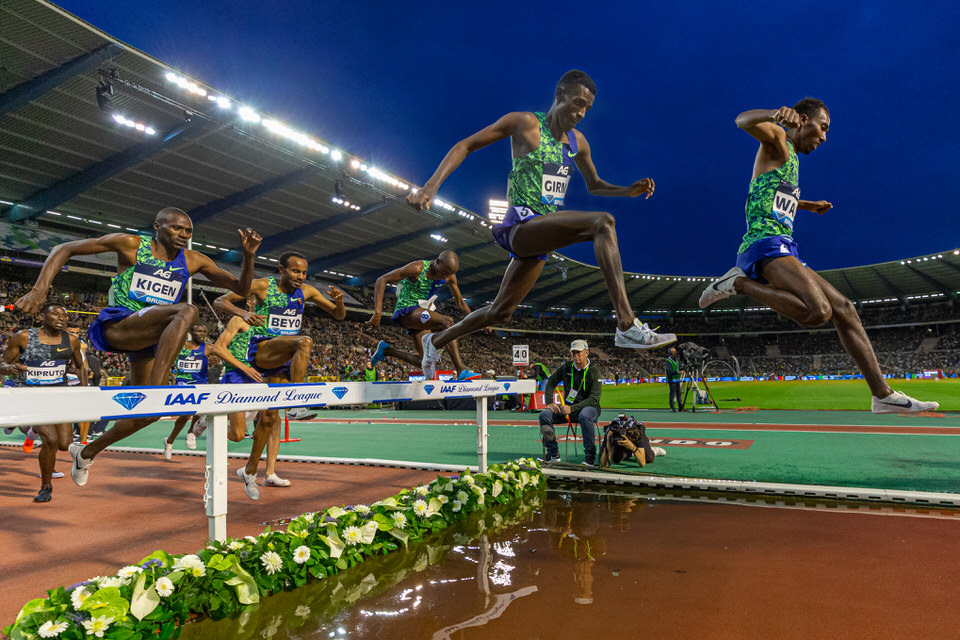
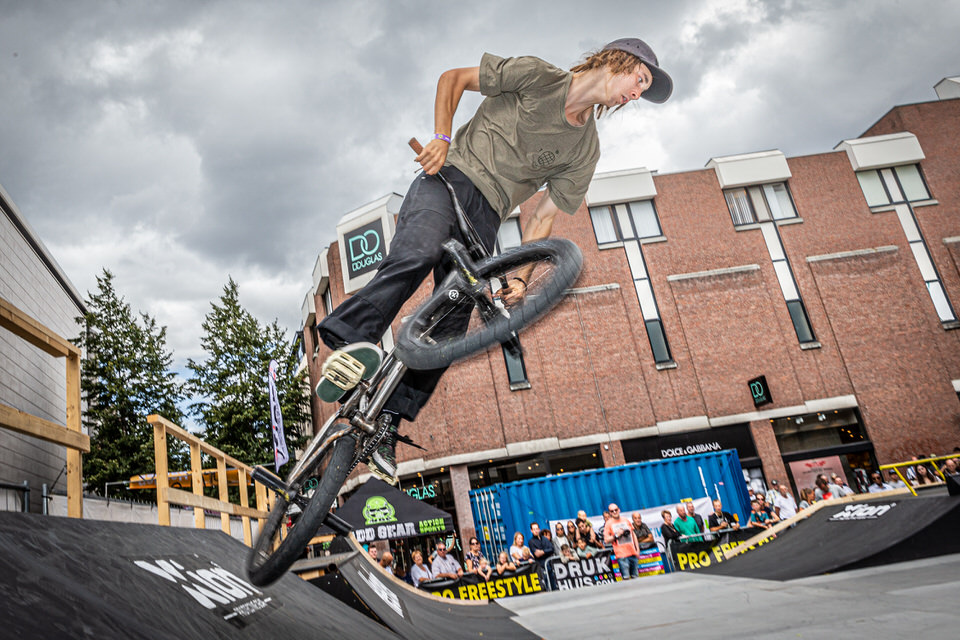
Most sports photos are taken by most photographers with a telephoto lens. And yes, I use one regularly too, as sometimes you simply have no other choice. But every situation calls for different equipment. A wide-angle lens, for example, is a type of lens that can produce spectacular sports images.
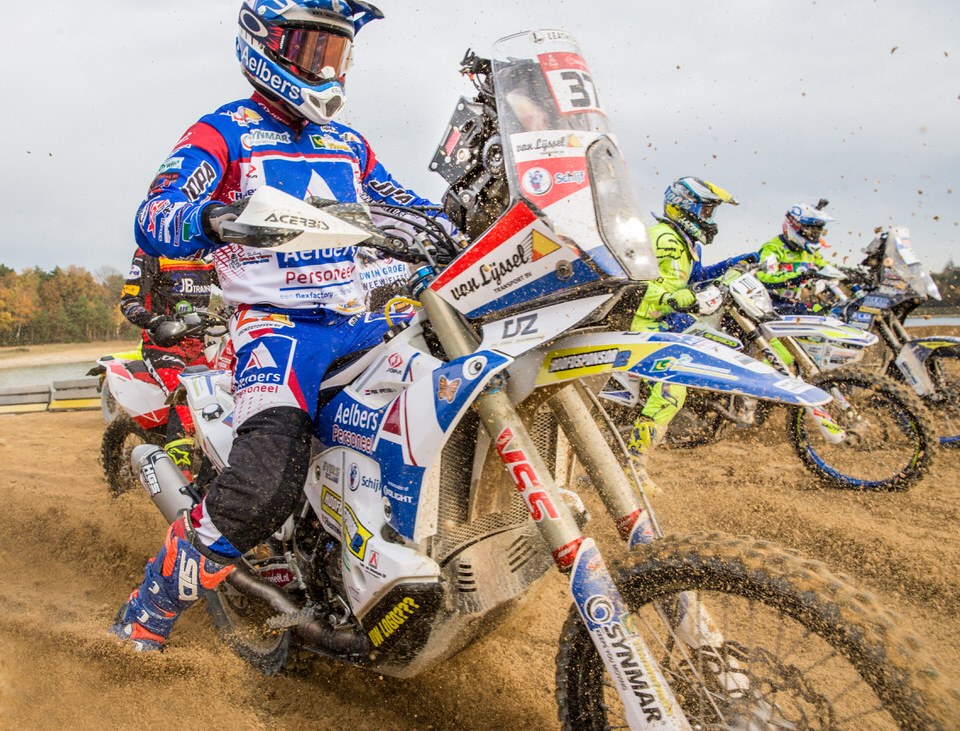
Whether you are in the stands or at the edge of a motor racing circuit, taking photos from close by gives the viewer much more of a feeling of being in the middle of the action. This gives your sports photo much more impact and tension.
An additional advantage of a wide-angle lens is the great depth of field, even at F2.8 or F4. At F5.6 or F8, everything from front to back will certainly be nicely sharp in your photo. A good focal length for wide-angle shots is 20, 15 or even 12mm.
3. Longer shutter speeds
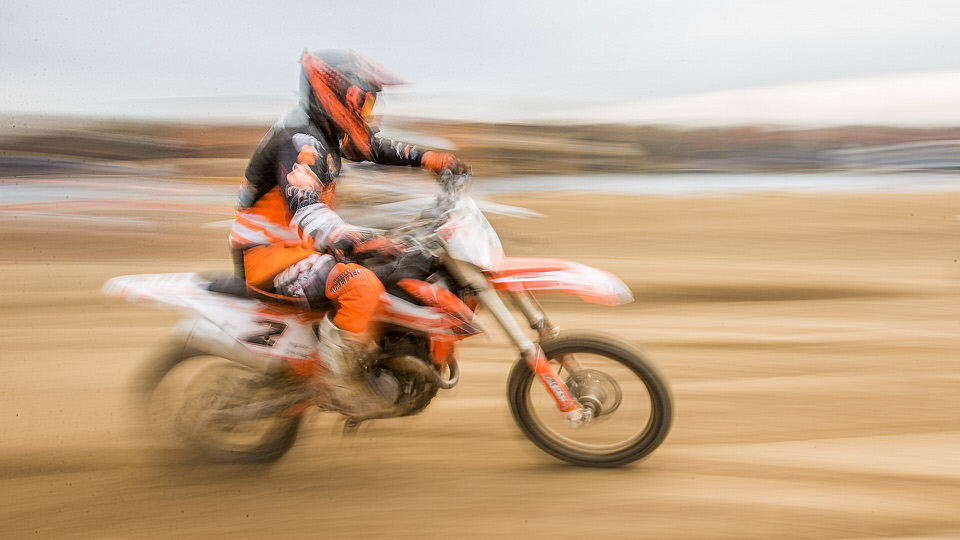
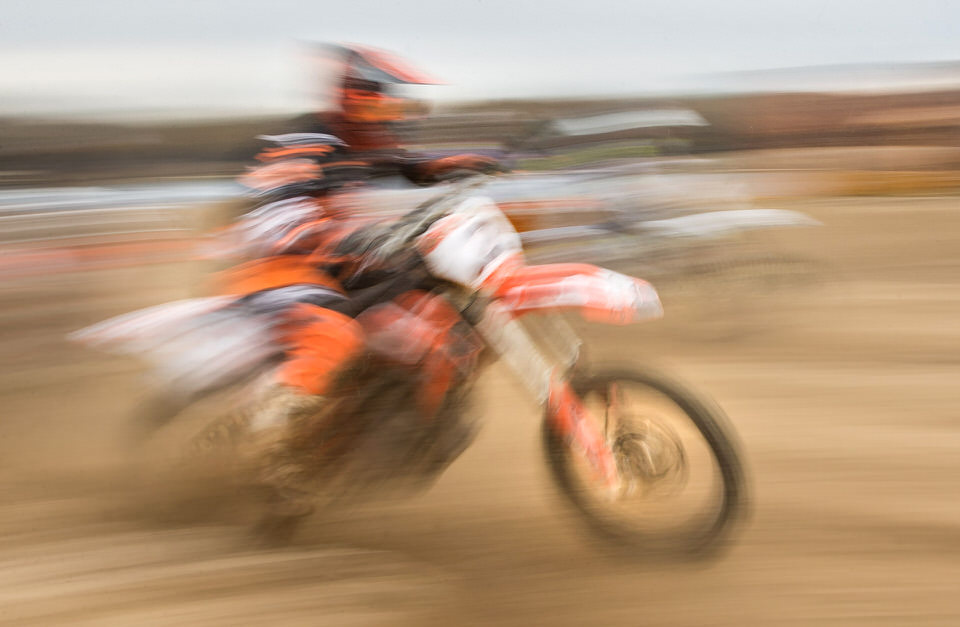
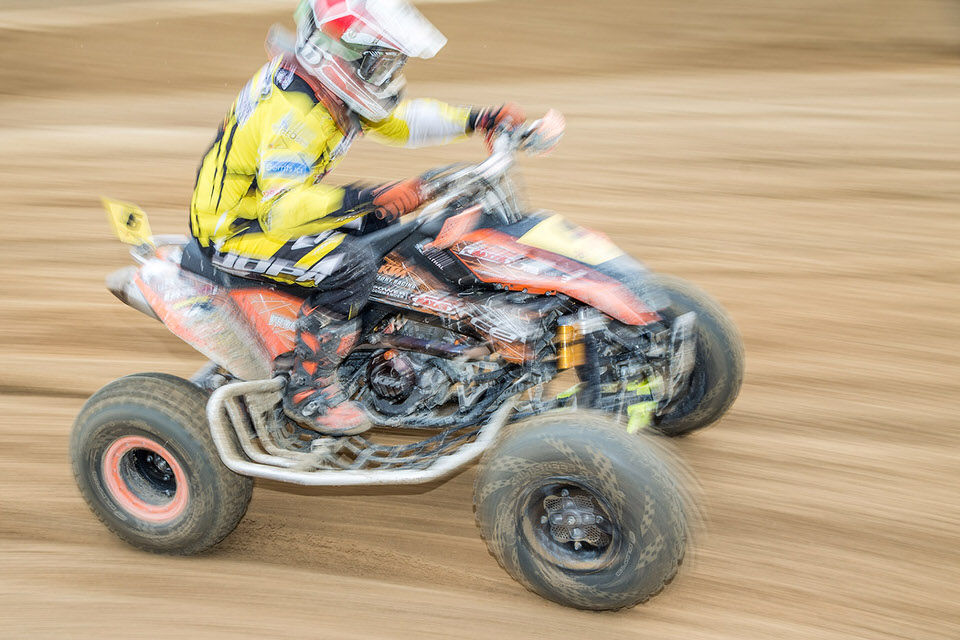
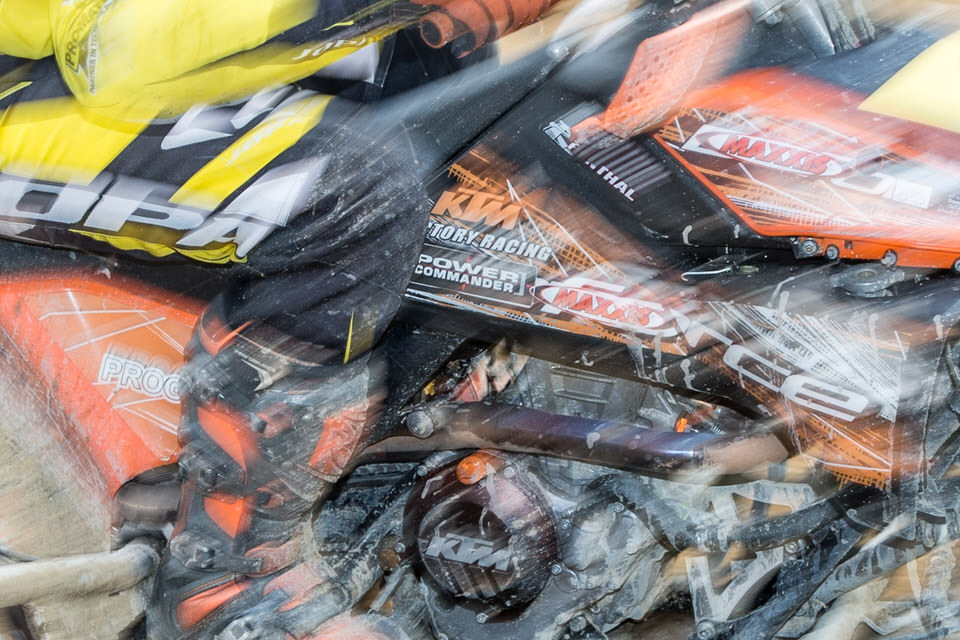
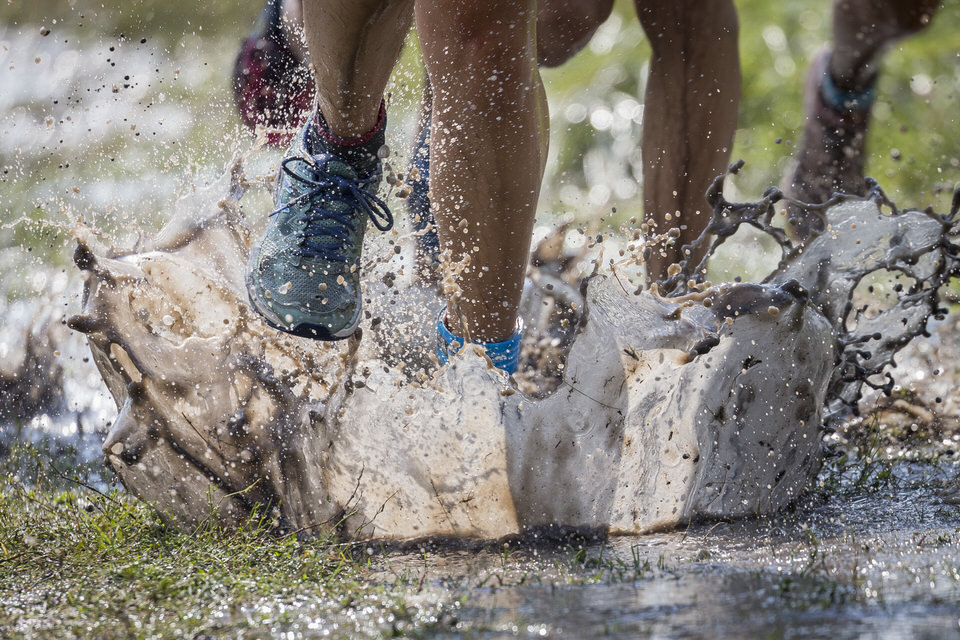
If you are not very good at taking sharp action photos, or your camera struggles with this, try extending the shutter speed. Use 1/30 or even 1/8 sec, for example, and make your sports photos more creative and artistic by showing a lot of movement.
You will create different photos and provide a different view of sport. You can do this with the panning technique or keep your camera still. Just give it a try.
An additional advantage of a longer shutter speed is that your ISO values remain low in poorer light conditions. If there is enough or even too much light, set an aperture of F16 or F22 and set your ISO value as low as possible. This way, you block out the large amount of available light. Or use an ND (Neutral Density) filter.
If you are photographing a sport where using flash is allowed, do it. The flash, combined with a longer shutter speed, freezes part of the movement. This creates a very distinctive effect. Especially when you use second-curtain flash.
Always make sure that you never photograph the athlete directly from the front, as the flash may bother them. Some outdoor sports where flash is normally allowed include mountain biking, cycling and running.
But always ask the organisation and some of the athletes present beforehand. The fact remains: use your common sense. You will know when and under what circumstances you are getting in an athlete's way.
4. Show emotion
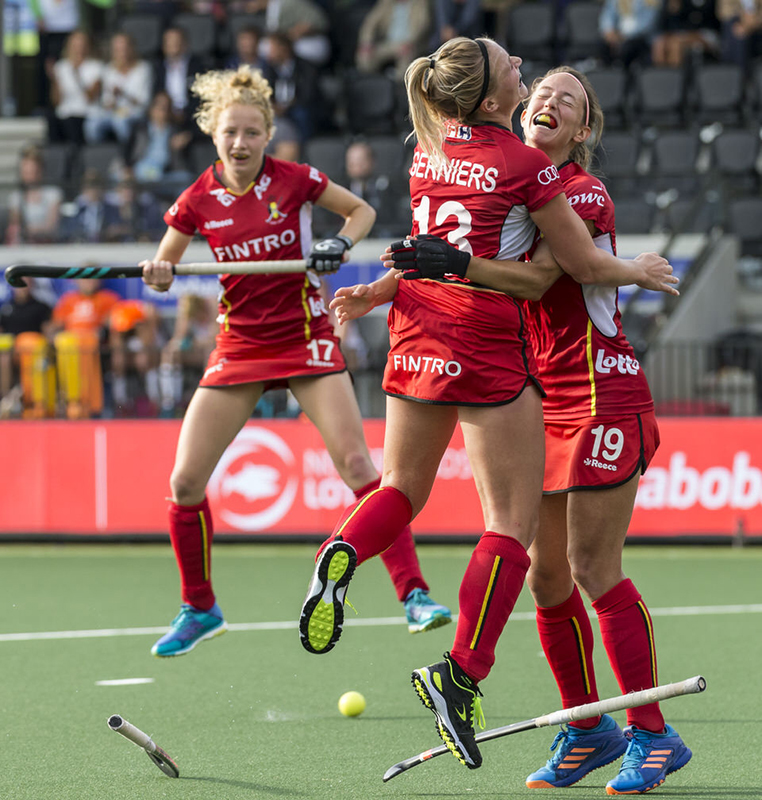
Sport is action, sport is telling a story, but sport is above all about emotion. A sports match with a smile, a tear or a celebration gains in tension and power. We all feel the sadness when we see a sports photo of a crying, disappointed athlete. Or, on the other hand, the joy when the athlete crosses the finish line as the winner.
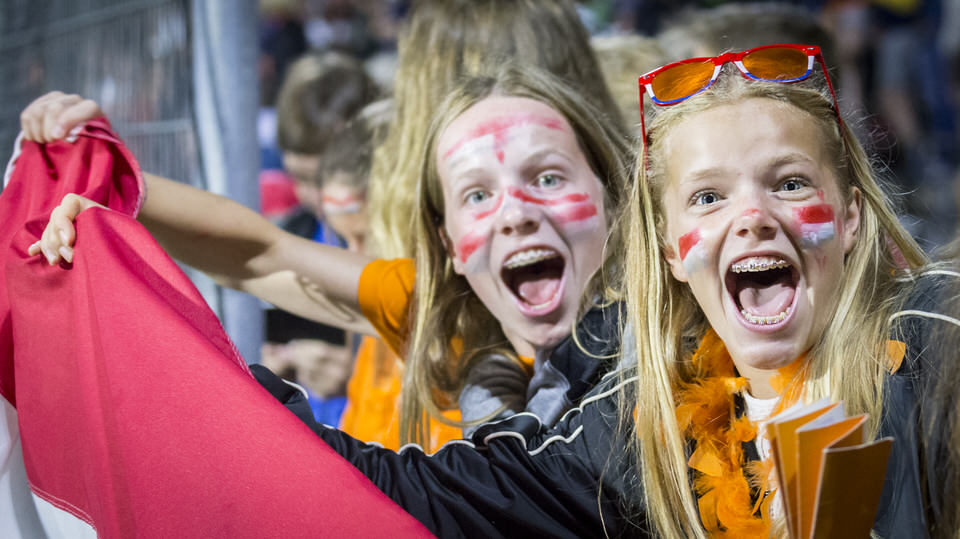
So do not focus solely on the athlete, but include the crowd or the coach in your photos too. Think about where emotion is most likely to be seen, and that is not just the finish line. It is essential that you focus on the athlete's face. Our face is simply the part of the body from which we read emotion best.
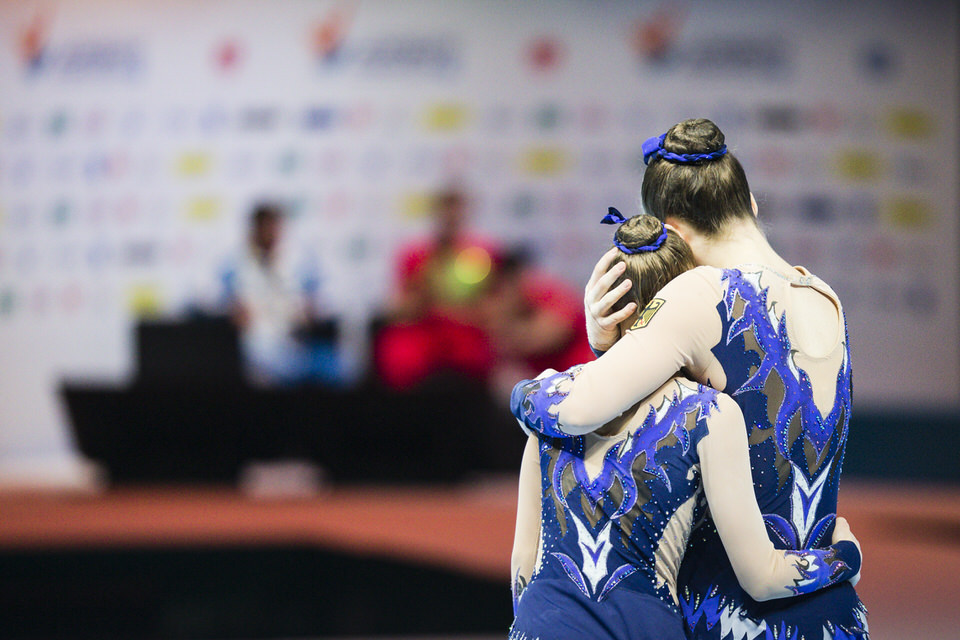
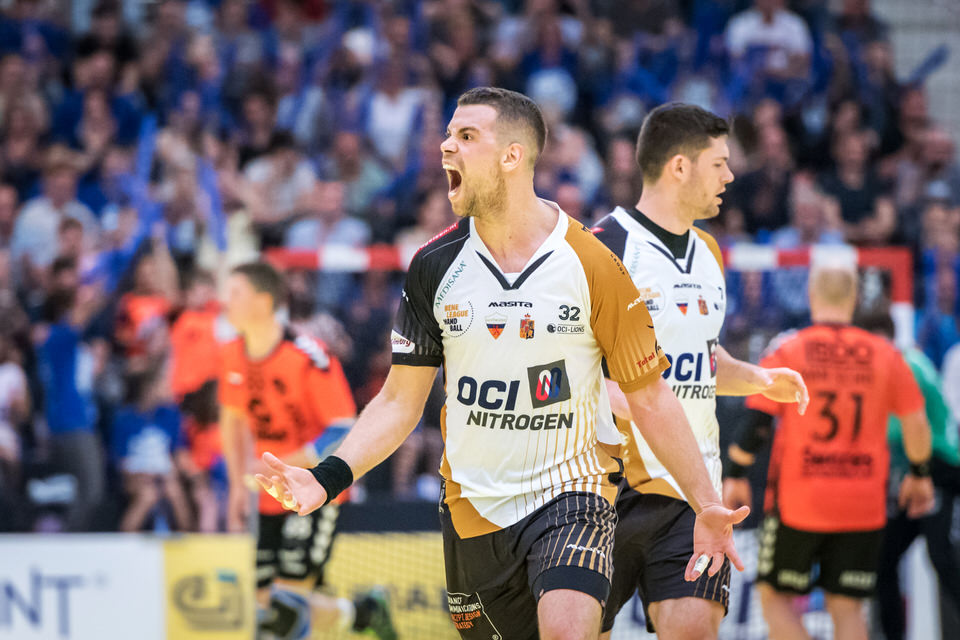
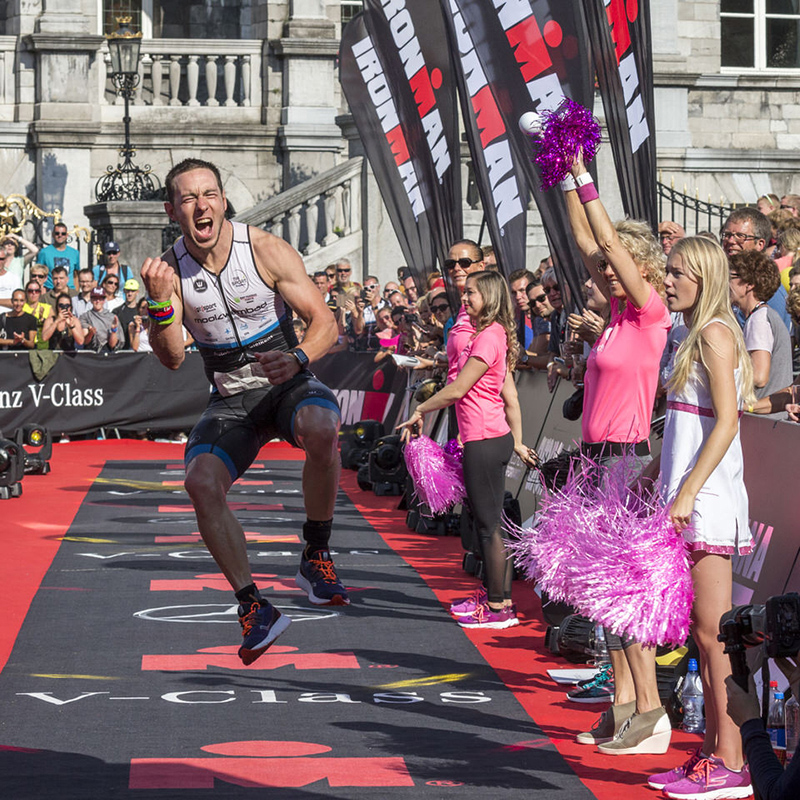
If you want to show emotion, timing is also important. A fraction of a second too early or too late and you have a failed photo. So always stay alert to your surroundings and how the crowd, coach and athletes react. And do not forget that joy or disappointment almost always follows, especially behind the finish line, after the final whistle or after the decisive action.
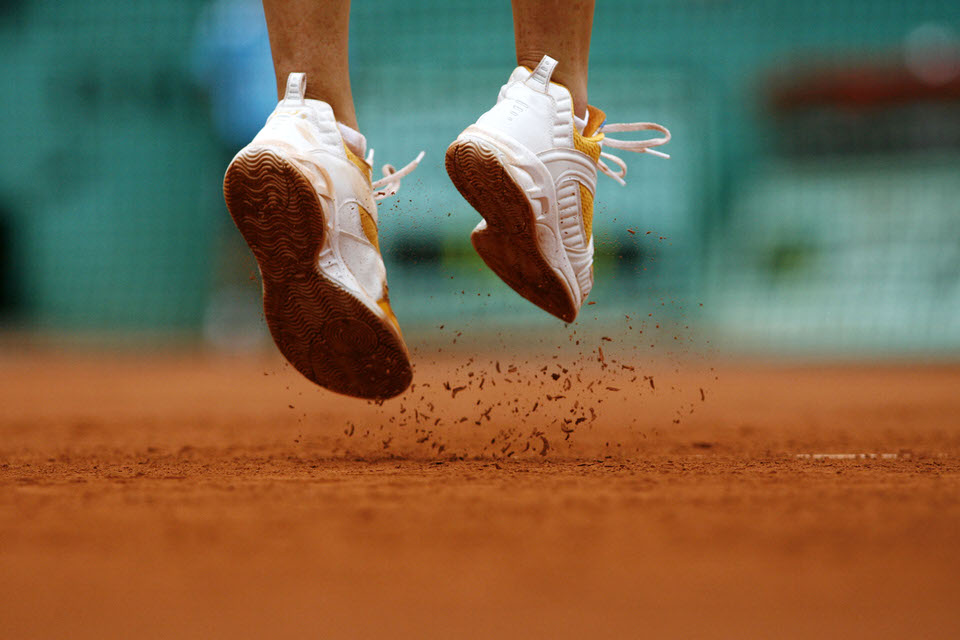
5. Zoom in on detail
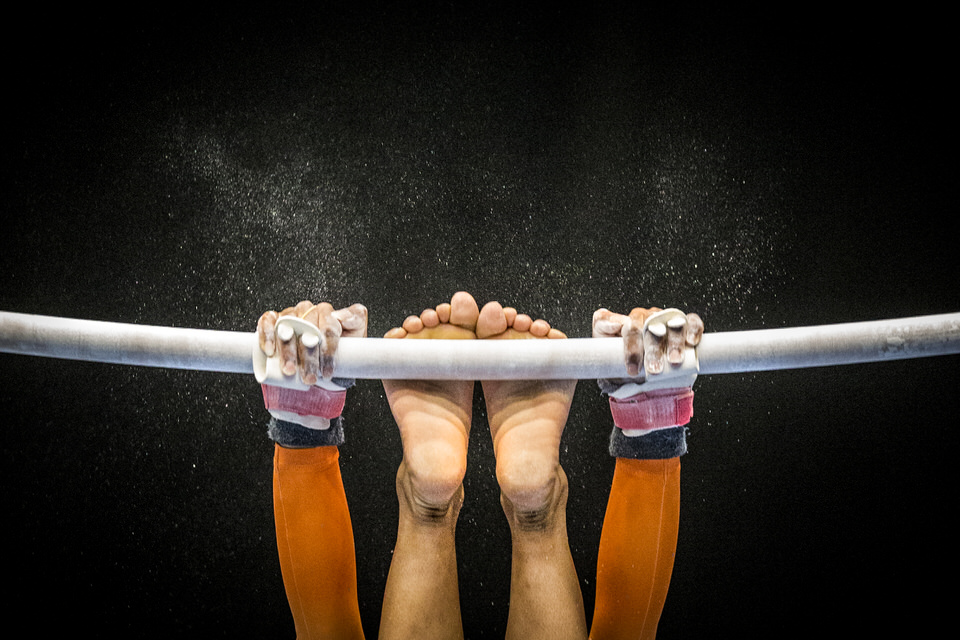
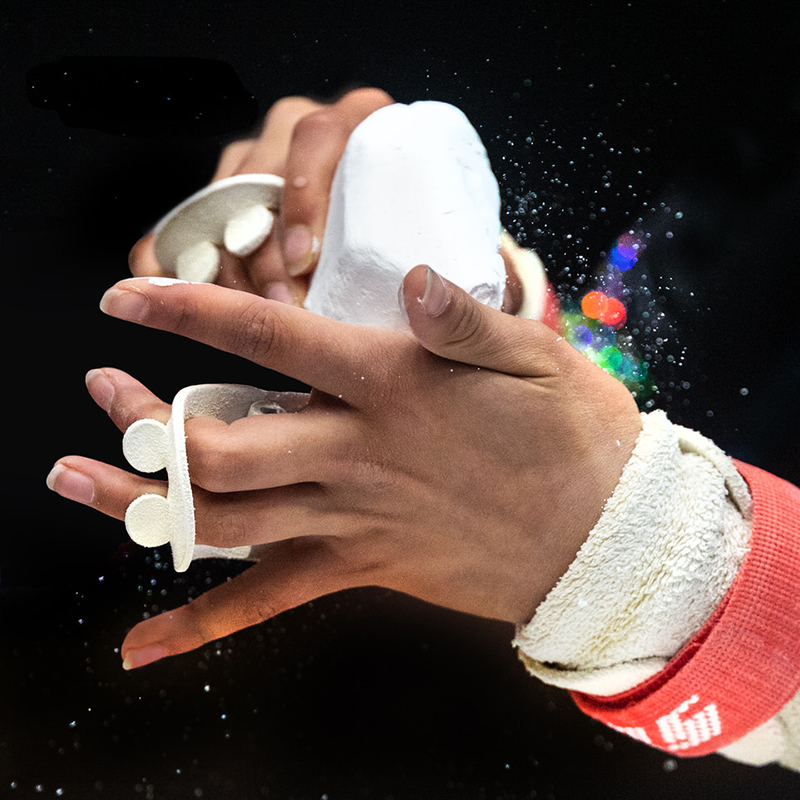
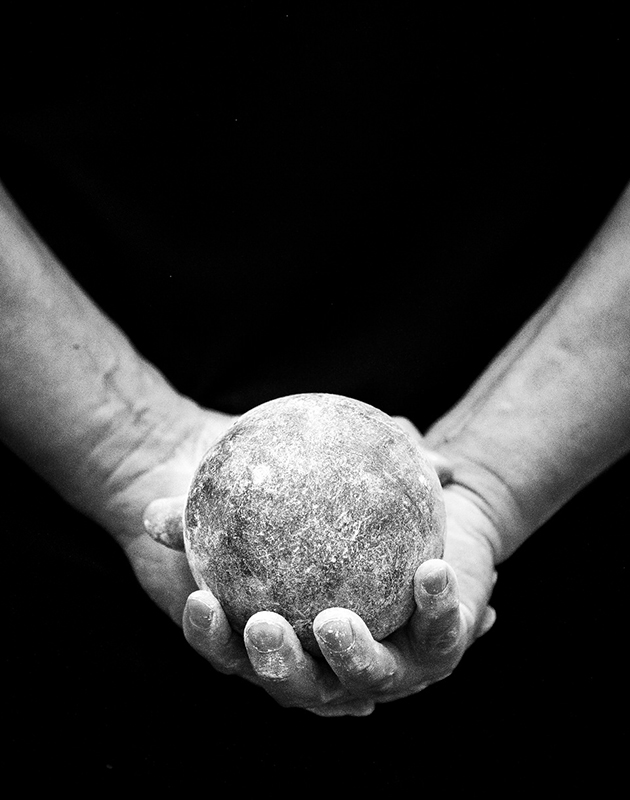
Unlike showing lots of information, such as in an overview photo, a zoomed-in photo shows detail. Details can produce compelling images of elements that others may not notice so quickly.
So do not just look at the whole scene unfolding in front of you. Or take a good look at your photos. There is a good chance that an attractive and interesting detail is hidden in one of them. It is often the small details that make the difference

In conclusion
Photography is about looking, and above all seeing. So keep observing the world around you carefully. But also think beforehand about which photos you would like to take. Challenge yourself, make mistakes and keep trying. But do not settle for 'average' photos. You deserve exciting sports photos!
About the author
Huub Keulers is een enthousiasmerende veelzijdige freelance fotograaf woonachtig in Elsloo (Li). Hij is gespecialiseerd in sport-, bedrijfs-, straat-, honden en portretfotografie. Daarnaast is Huub auteur van diverse educatieve fotografieboeken en verzorgt hij allerlei fotoworkshops, masterclasses en lezingen.
You might also like
-
 Sports photography: Know what your camera can do
by Nico Delmeire
-
 3 Tips for Successful Sports Photography (and get my book free)
by Nico Delmeire
-
 Sports photography tip: Think like an athlete
by Nico Delmeire
-
 The basic settings for action photography
by Nando Harmsen
-
 15 practical tips for sharper panning photos
by Huub Keulers
-
 Combine star trails in Photoshop with an action
by Nando Harmsen
9 comments
-
 Rick wrote on Monday 27 January 2020 at 22:35 | reply
It's been a long time since I've seen such a strong and inspiring post on Photofacts. Compliments, Huub!
Translated from Dutch. -

 Huub Keulers
wrote on Monday 27 January 2020 at 23:36
| reply
Thanks for this nice compliment Rick. It's not hocus-pocus and sometimes they're stating the obvious, but in the heat of the moment they're quickly forgotten. Hopefully it will prompt people at a next sporting event or competition to bring a bit more diversity and tension into their images that way.
Translated from Dutch. -
Erik Verkaaik wrote on Monday 27 January 2020 at 23:51 | reply
Well written, Huub.
Translated from Dutch.
And that hurdles photo, I always keep looking at it. -
 Ton Thomassen wrote on Tuesday 28 January 2020 at 14:03 | reply
I find this a very stimulating and inspiring story Huub. I myself am also trying to apply these lessons, and am currently mainly experimenting with long exposures
Translated from Dutch. -

-
 Hans Stuurman wrote on Tuesday 28 January 2020 at 17:18 | reply
Great story and photos that provide the necessary inspiration.
Translated from Dutch. -
Huub Keulers
wrote on Tuesday 28 January 2020 at 18:38
| reply
Thank you Erik, Ton, Paul and Hans for your nice response. I really appreciate it. Wishing you lots of success and fun with photographing and everything around it as well. @Ton good luck experimenting with long shutter speeds. Fun! @Erik, nice that you like that hurdles photo so much. It's also one of my favorites
Translated from Dutch.
Kind regards,
Huub Keulers -
 René Valentijn wrote on Tuesday 28 January 2020 at 20:18 | reply
Very inspiring, Huub: what beautiful images!
Translated from Dutch.
The story behind the photos and the tips in the text: fantastic! I really enjoyed reading and viewing it. An extra incentive to get started with it myself.
Thank you! -
 Frans Klaus wrote on Wednesday 29 January 2020 at 11:20 | reply
The grass has been mowed from under my feet, Huub, so to speak. So I wholeheartedly agree with everyone. The photos almost force you to keep looking at them!
Translated from Dutch.
And the text accompanying the photos is very clear and inspiring!
Thanks for this!!
Have your say
Please note: Articles older than a week can only be commented on by signed-in visitors.Would you still like to comment? sign in or create a free account.
Become a better photographer every week
A practical photography tip in your inbox every week.
39,024 photography enthusiasts already receive the tips! More about the weekly mail. Or keep up to date via  Facebook.

Elja Trum
Photofacts; everything to do with photography!
Would you like to take better photos and keep up with what is happening in photography? Photofacts publishes articles that teach you something about photography — from a product announcement to a practical shooting tip or a look at a website. Photofacts covers photography every day and is a hobby project of Elja Trum's that got out of hand. The articles are written by a team of volunteer authors. If you would enjoy writing one or more articles for Photofacts, do get in touch.More about PhotofactsPhotofacts is made possible in part by
