

Dragging the shutter
Monday 5 May 2025, 20:02 by Nando Harmsen | 3,911 views | 8 commentsThis article was translated from Dutch with the help of AI. Read the original.
You may have heard the term 'Dragging the Shutter'. It is related to flash photography. Put simply, it means using flash with a slow shutter speed. How do you use it, and what do you use it for?
Anyone who uses flash photography knows that the ISO and aperture determine the exposure from the flash. The shutter speed has no effect at all on the flash light. The only thing the shutter speed affects is the recording of the ambient light.
The slower the shutter speed, the more ambient light appears in the image. Combine this with a carefully chosen ISO setting and aperture, and you can combine the ambient light with the flash light in your flash photo.
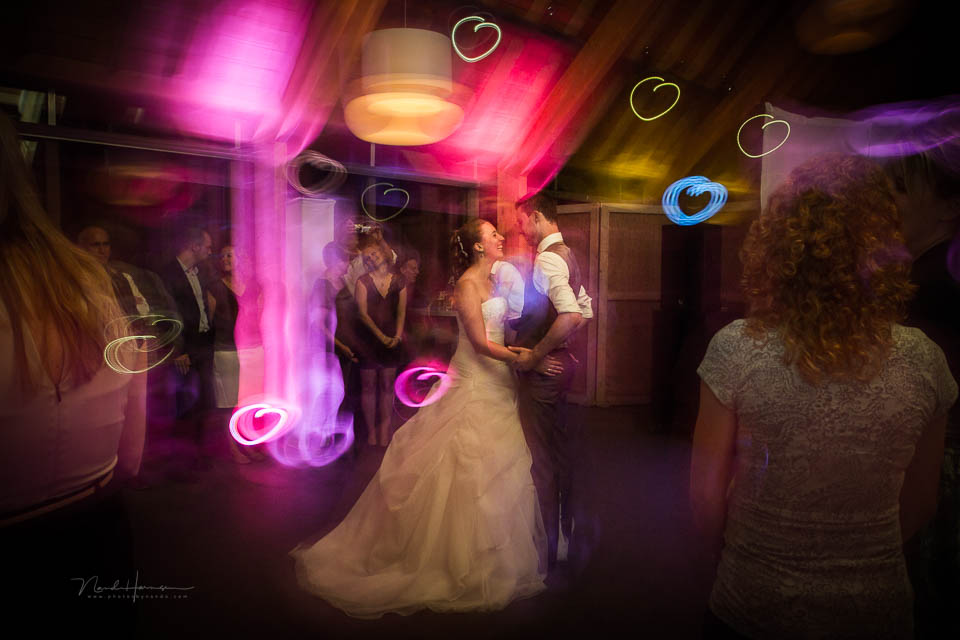
Being in a dark environment means you can use a slow shutter speed together with flash. You can even use a shutter speed of up to thirty seconds, or longer. You then use the short flash duration to 'fill in' or illuminate the subject.
This technique makes it possible to capture movement. The flash freezes the subject, often one or more people. This is called dragging the shutter.
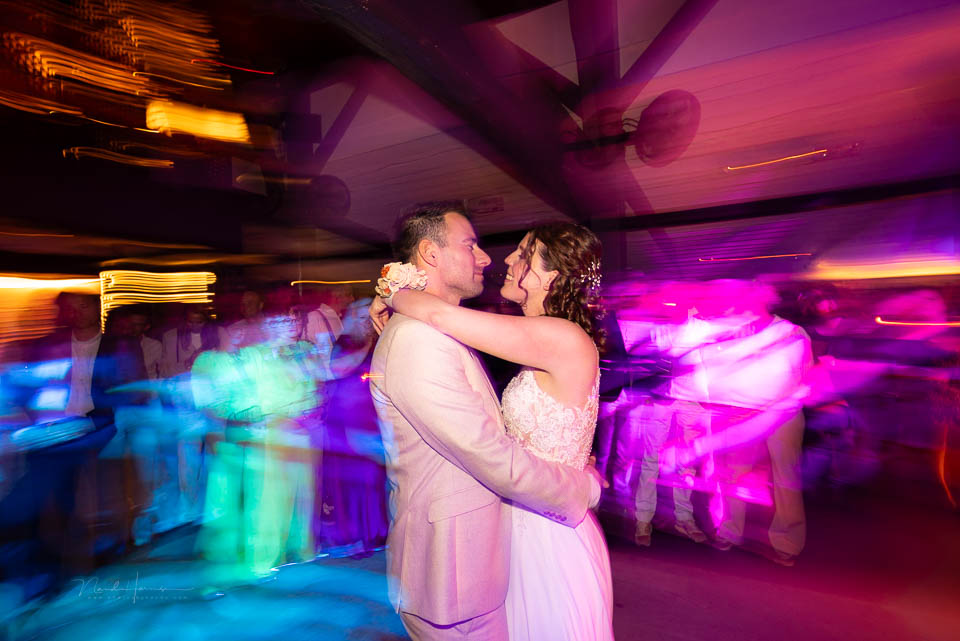
With this technique, you can combine light painting with freezing the person who is the subject. It is important to remember that the camera settings capture the ambient light, while the flash light exposes the person themselves.
About the author
Nando Harmsen has been photographing for more than 40 years. He specialises in wedding photography and landscape photography. Nando also gives talks, workshops, masterclasses and photo trips, and regularly reviews new and interesting equipment.
You might also like
-
 The term system camera is being used incorrectly
by Nando Harmsen
-
 Pinhole, or Slow Photography
by Laura van der Burgt
-
 This Is What Photoshop Was Like in 1988
by Michelle Peeters
-
 Adobe and the cost of AI generative fill
by Nando Harmsen
-
 What can you do with EV (Exposure Value)
by Michelle Peeters
8 comments
-
 Wim Wilmers wrote on Tuesday 6 May 2025 at 11:04 | reply
Nice article but maybe you could have given a bit more of a hint by adding from which shutter speed you can start doing this, e.g. 1/15 second. good that you mention that you do need to flash directly at your subject and preferably against a dark background.
Translated from Dutch. -

 Nando
wrote on Tuesday 6 May 2025 at 11:11
| reply
Nando
wrote on Tuesday 6 May 2025 at 11:11
| reply
You can use any shutter speed. But how far you can go depends on the amount of ambient light.
Translated from Dutch.
It can be done with 1/30, but then you have 'little time' to move. It can be done with 1/8, so that you have more time. With 1/2 sec, or even with 2 or more seconds. As long as you don't get overexposure. -
 Everaerts wrote on Tuesday 6 May 2025 at 13:47 | reply
Hard to tell, but was this flash taken on the second curtain?
Translated from Dutch. -
-
 Jan Flinkenflögel wrote on Tuesday 6 May 2025 at 14:58 | reply
What I'm missing is a different effect, with the long shutter speed the dark background/surroundings become lighter.
Translated from Dutch. -
Nando
wrote on Tuesday 6 May 2025 at 15:02
| reply
Not if you choose the shutter speed so that the surroundings (background) don't become too bright.
Translated from Dutch.
If you make the shutter speed too long without paying attention to the exposure, then it will indeed go wrong and you'll get overexposure. -
Wim Wilmers wrote on Tuesday 6 May 2025 at 19:03 | reply
exactly Nando, on 1st curtain, then at least you still have the subject somewhat predictably under control, on 2nd curtain it becomes really unpredictable.
Translated from Dutch. -
 Toon Rekkers wrote on Wednesday 7 May 2025 at 12:33 | reply
Wonderful, this is what I love so much about photography
Translated from Dutch.
Have your say
Please note: Articles older than a week can only be commented on by signed-in visitors.Would you still like to comment? sign in or create a free account.
Become a better photographer every week
A practical photography tip in your inbox every week.
38,982 photography enthusiasts already receive the tips! More about the weekly mail. Or keep up to date via  Facebook.

Elja Trum
Photofacts; everything to do with photography!
Would you like to take better photos and keep up with what is happening in photography? Photofacts publishes articles that teach you something about photography — from a product announcement to a practical shooting tip or a look at a website. Photofacts covers photography every day and is a hobby project of Elja Trum's that got out of hand. The articles are written by a team of volunteer authors. If you would enjoy writing one or more articles for Photofacts, do get in touch.More about PhotofactsPhotofacts is made possible in part by
