
Vergroot je kansen op geslaagde straatfoto’s
Monday 28 March 2022, 20:10 by Huub Keulers | 5,715 views | 14 commentsThis article was translated from Dutch with the help of AI. Read the original.
The success of your street photography starts with choosing a strategy that suits you.
In this article, we look at three completely different approaches that were also used by great names such as Henri Cartier Bresson, Gary Winogrand and Vivian Dorothy Maier.
You can use these strategies yourself when taking your street photographs.
Method 1: Location first, then people
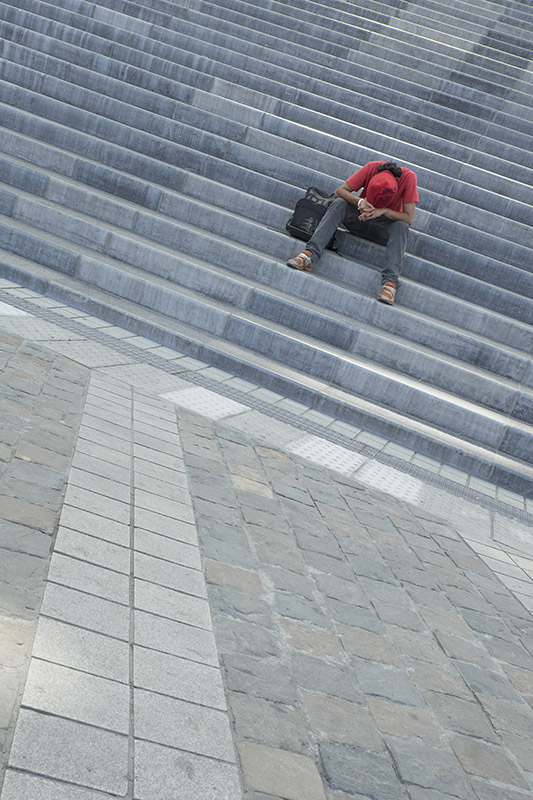
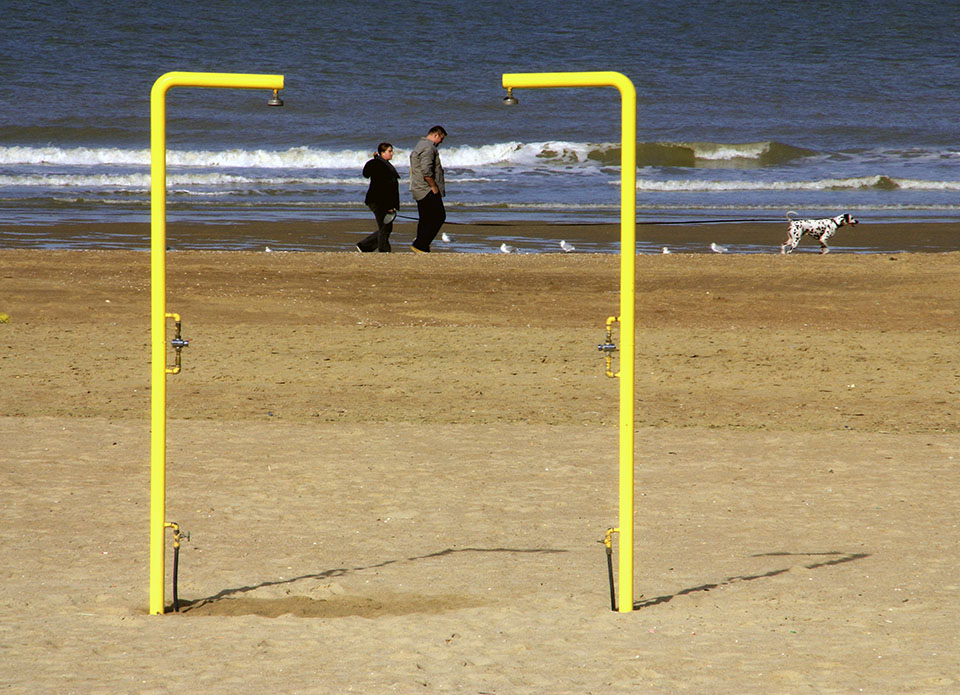
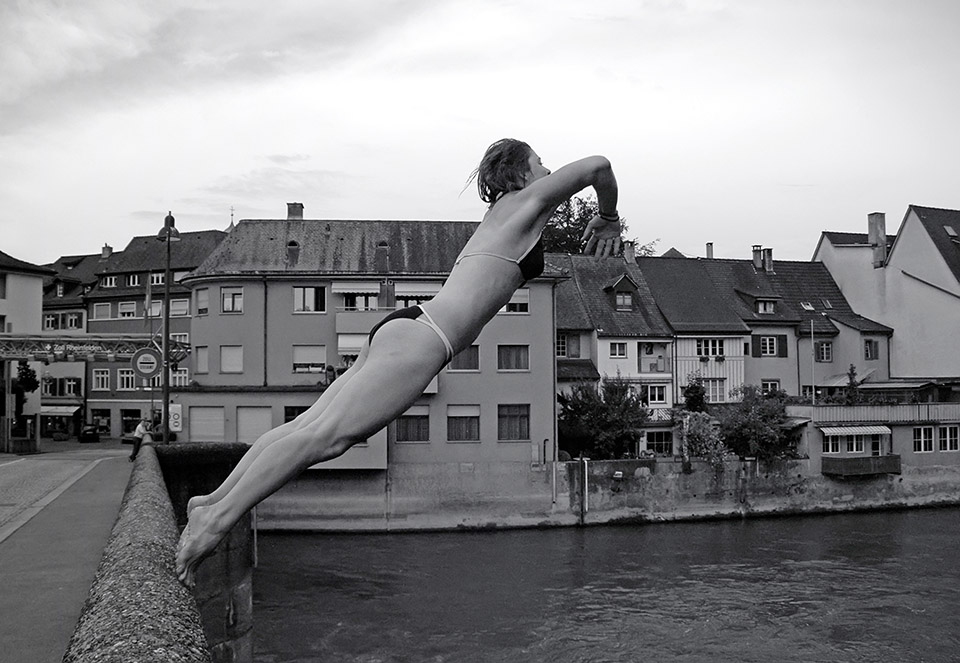
A useful method is to walk through a city and first look for interesting places. Do not just see the world as it is, but also look for shapes and geometry.
Focus on lines that can lead to your subjects or on shapes that can frame your image. Stay at these locations for a while and observe first.
Look at what story is unfolding in front of your eyes. See passers-by as interesting actors and the location as a stage.
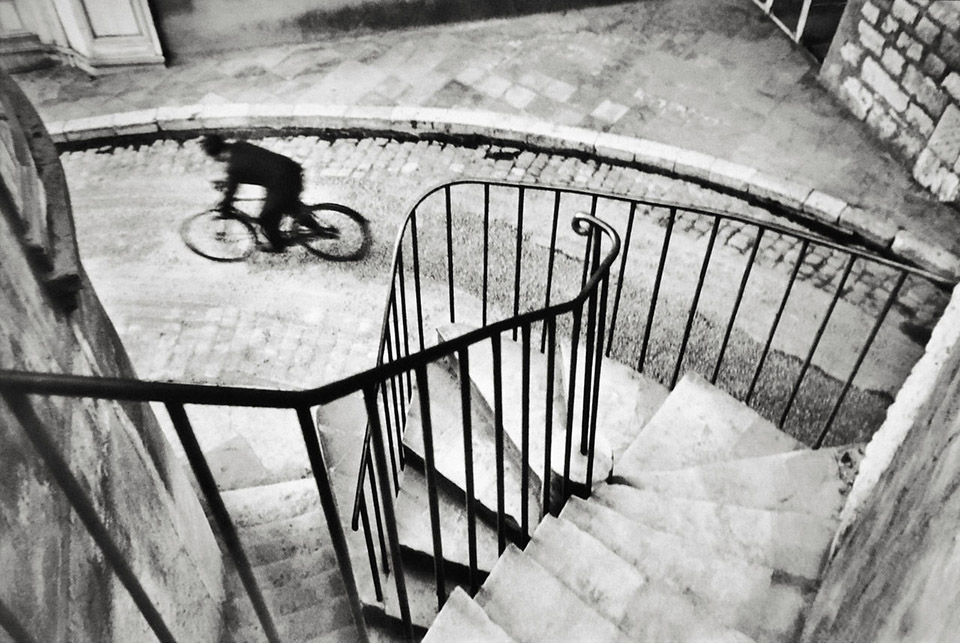
Henri Cartier-Bresson (HCB) was a master of timing and framing. When you look at the composition of his images, he used vertical, horizontal and diagonal lines, curves, shadows, triangles, circles and squares to his advantage.
He paid particular attention to getting the timing right in his images. This combination of thoughtful composition and taking the shot at exactly the right moment makes his images iconic.
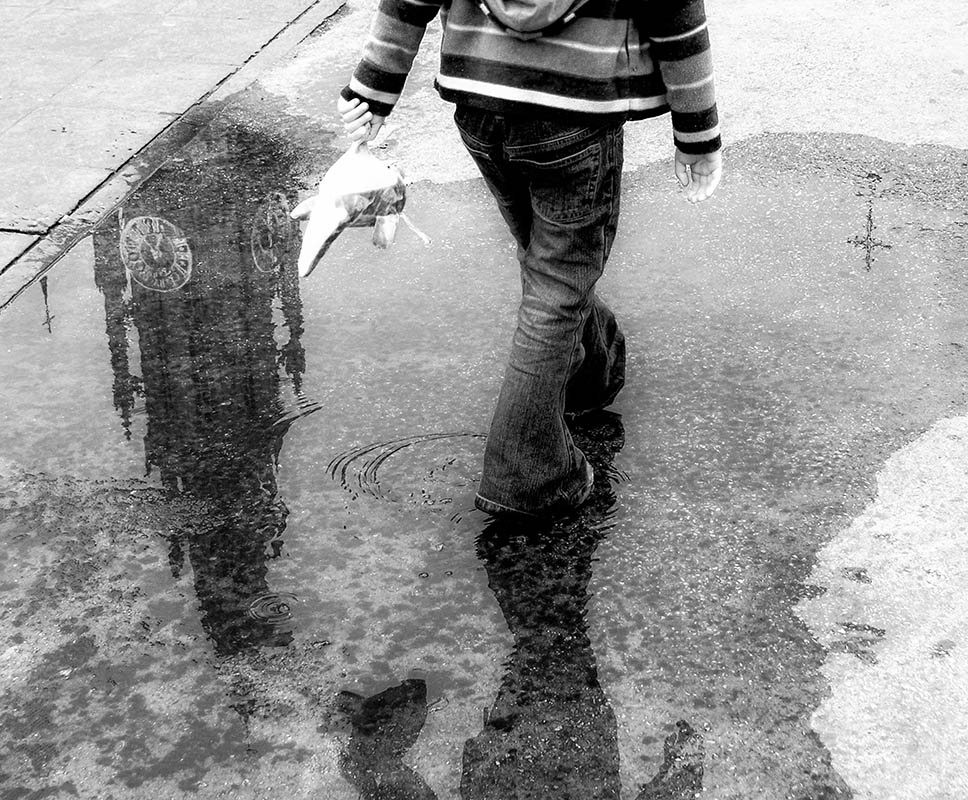
Method 2: Leave it to chance and make direct contact
One of the photographers known for his spontaneous photographs of people in public going about their daily lives is Garry Winogrand (born in 1928).
He is considered one of the most important American photographers of the 20th century.
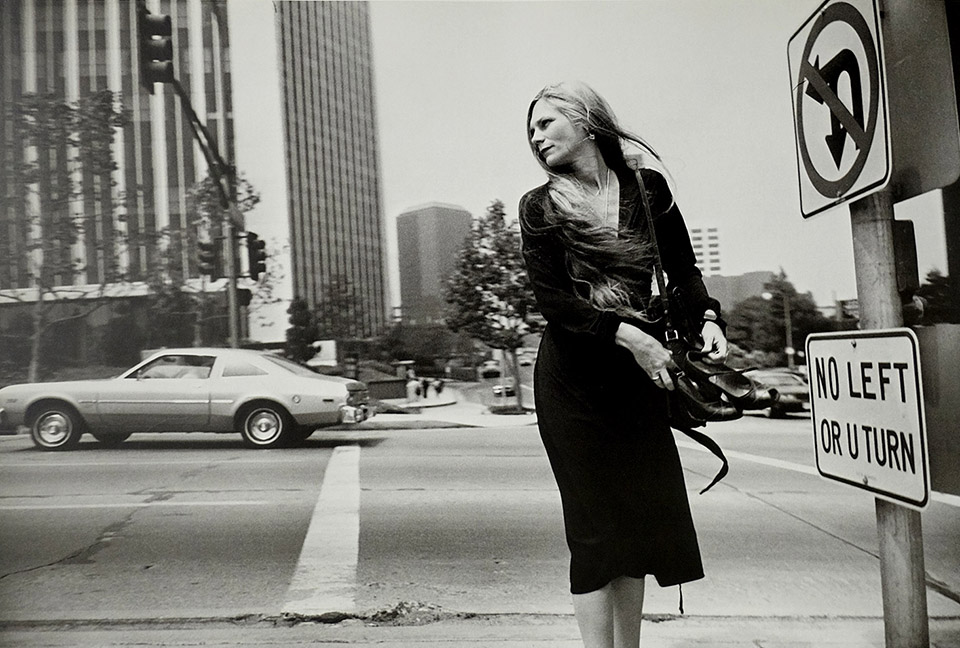
He always looked through the viewfinder when he took a photograph. It was only for a fraction of a second, during which he adjusted his framing slightly and focused before pressing the shutter button. He was precise, fast and in control.
The funny thing is that he never developed a film straight after taking the photographs. He deliberately waited a year or two, so that he would remember almost nothing about taking his photographs.
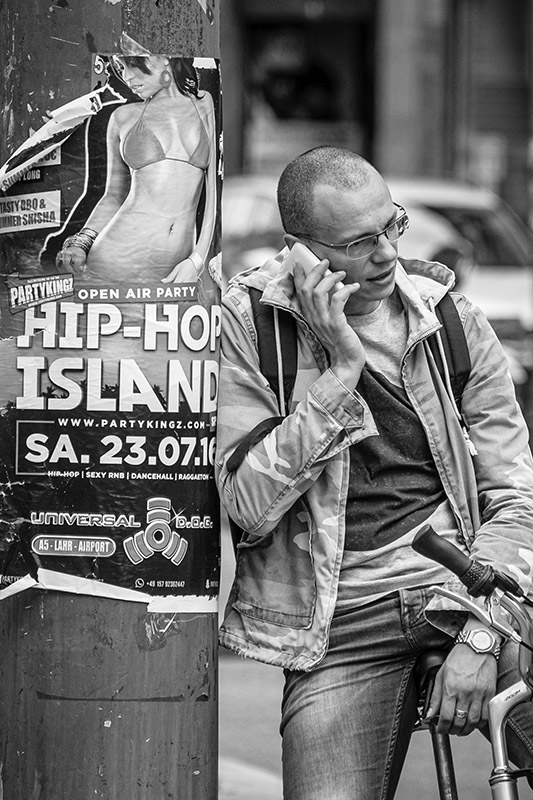
In Winogrand's view, a street photographer's eyes constantly wander around and they react spontaneously to what they find, rather than consciously looking for specific things. This approach naturally requires more courage and more knowledge of people and situations than the first method.
You instinctively sense which people are easier to photograph than others. If it does not feel right, consider not taking a photograph at that moment. You will also create very different images. With this method, it is more about direct contact with people.
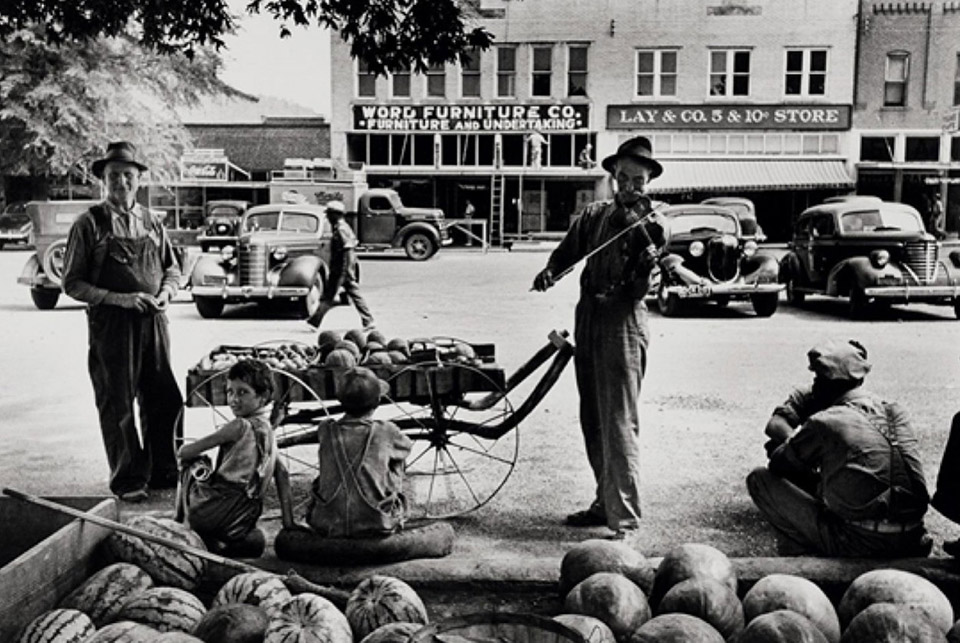
Another photographer who used this method was Alfred Eisenstaedt (born in 1898). He was one of the Europeans who pioneered the use of the 35 millimetre camera in photojournalism, allowing him to get closer to his subjects and take more candid photographs.
Method 3: An eye for detail
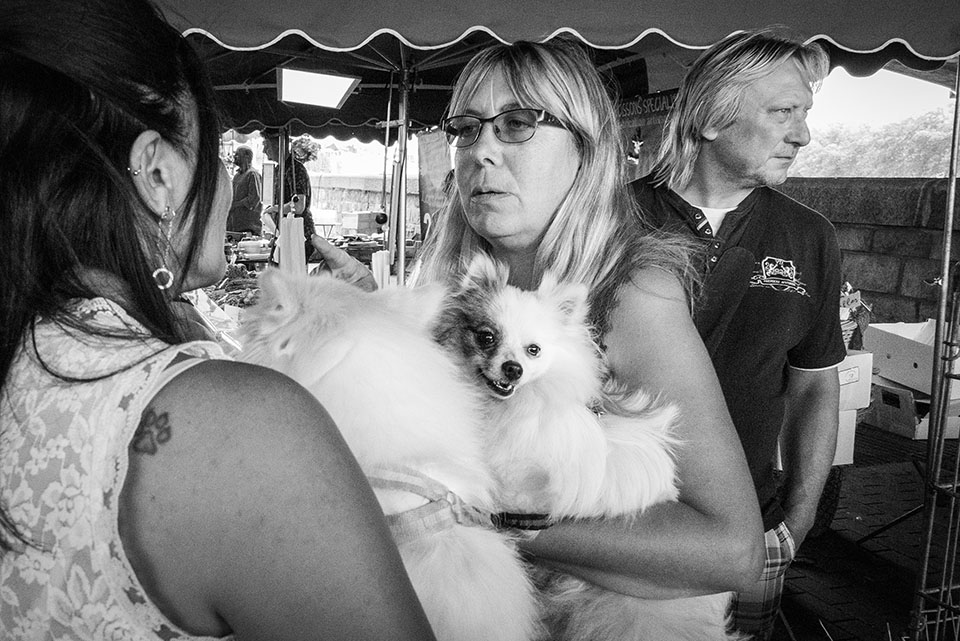
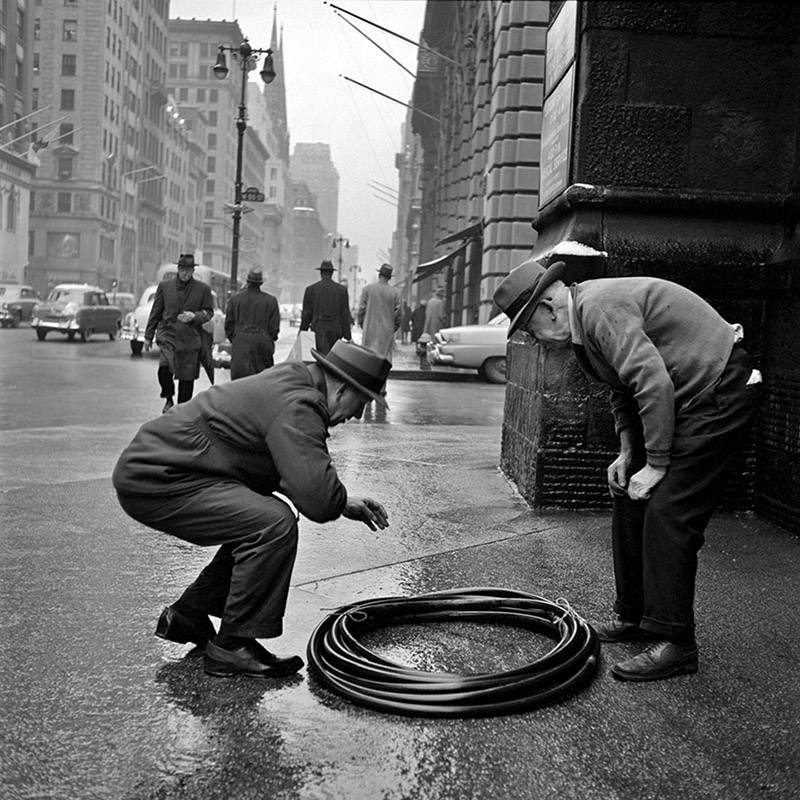
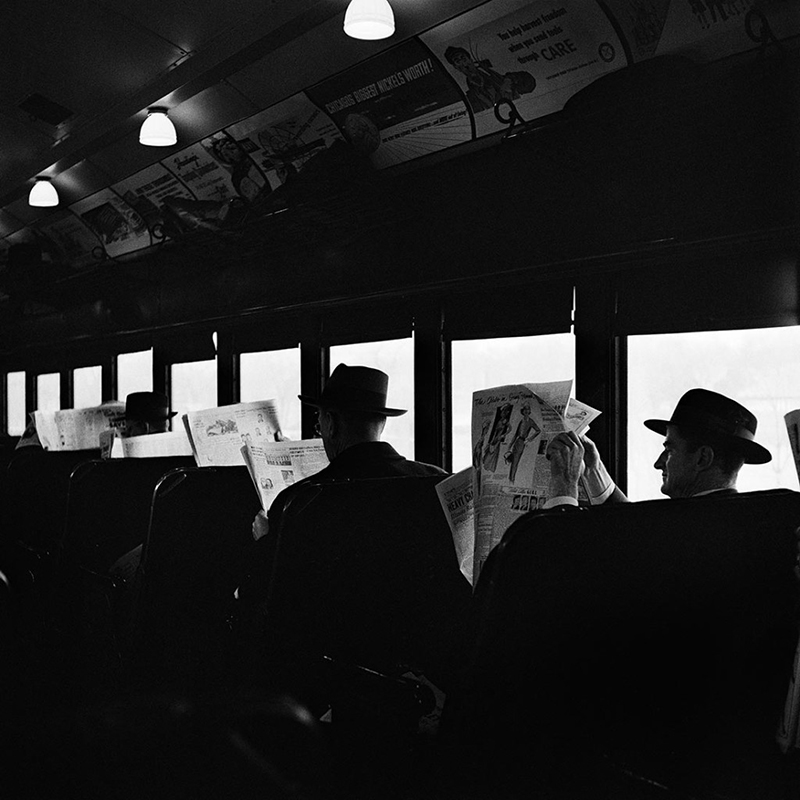
Vivian Dorothy Maier (born in 1926) was an American street photographer whose work was only discovered and recognised after her death. She was obsessed with taking photographs, which she did for most of her life.
She created incredible black-and-white and colour work from the 1950s until the end of the 1990s. Most of the photographs she took were just one shot of a scene. Sometimes, when she thought the scene was really interesting, she took up to 8 shots.
She mainly photographed people who were standing or sitting, but also people she found interesting as they walked past her.
Now it's your turn
Which approach you prefer has a lot to do with your character and what you feel comfortable with. But do step outside your comfort zone now and then. A small tip: A smile often works wonders when taking your street photographs.
Are there any other methods you use? Or which of the approaches above do you use yourself? Feel free to leave a comment or question here.
About the author
Huub Keulers is een enthousiasmerende veelzijdige freelance fotograaf woonachtig in Elsloo (Li). Hij is gespecialiseerd in sport-, bedrijfs-, straat-, honden en portretfotografie. Daarnaast is Huub auteur van diverse educatieve fotografieboeken en verzorgt hij allerlei fotoworkshops, masterclasses en lezingen.
You might also like
-
 Where do you find your inspiration?
by Nando Harmsen
-
 Review: Inspiration by Ap Dijksterhuis
by Erik van Rosmalen
-
 An inspiring trip to Lofoten, Norway
by Nando Harmsen
-
 Inspiration: Portraits in the Studio
by Elja Trum
-
 Street photography tip: Get some fresh air on the beach
by Michiel Heijmans
-
 From the street to the treehouse
by Michiel Heijmans
14 comments
-

 Donald Willemsen
wrote on Tuesday 29 March 2022 at 11:10
| reply
Donald Willemsen
wrote on Tuesday 29 March 2022 at 11:10
| reply
A very interesting article, Huub. I am a fan of street photography and for me, people should play the leading role in it. I love photographing people without them noticing it while they are busy with something. A truly posed street photo is allowed, but then you do miss a bit of spontaneity.
Translated from Dutch.
I have not yet found a good solution for dealing with the current privacy rules and portrait rights, however. That can even differ from country to country within the EU. As long as you do not publish the photos taken of people in any way whatsoever, there is no problem. After all, you are not violating any privacy rules or portrait rights. If the recognisable person in the photo is merely part of a larger whole, then there is no problem either. After all, the photo is not focused on that specific person. But what if it is?
Should we then approach the person beforehand or afterwards and ask for permission? The current European privacy legislation does not make street photography any easier, even if you are photographing in the public domain. -
 Lauran wrote on Tuesday 29 March 2022 at 14:52 | reply
What I always miss in articles about street photography is a section on legislation. You can't just photograph anything and everyone. The law is crystal clear about that.
Translated from Dutch. -
Donald Willemsen
wrote on Tuesday 29 March 2022 at 16:15
| reply
@Lauran, the legislation isn't quite so clear-cut either. The legislation talks about permission from the people portrayed. But if a person is aware that a photographer is taking a photo of him or her and does not object, it is assumed that tacit permission has been given. But it isn't that simple. The legislation clearly leaves room that a photographer can use to his/her advantage. So it isn't quite so clear-cut.
Translated from Dutch. -
 Paul van den Dungen wrote on Tuesday 29 March 2022 at 17:52 | reply
You may photograph anything and anyone, especially in public spaces. There is no ban on that. Problems can only arise when publishing. It's a shame that Huub Keulers didn't pay any attention to this.
Translated from Dutch. -
 guest wrote on Tuesday 29 March 2022 at 20:05 | reply
Your pamphlet photography is really original. nice photo of cyclist in Liège.
Translated from Dutch. -
 Michiel wrote on Tuesday 29 March 2022 at 23:01 | reply
Maybe it makes a difference if, as an amateur photographer, you have no profit motive. What could happen then if you publish the photo without permission on, say, Flickr? At most, you would have to remove the photo.
Translated from Dutch.
And besides: put yourself in the position of the person photographed. How would you feel if you came across your own portrait somewhere, life-size? If it is part of photography as art, I have less trouble with it than when I, as the person photographed, end up in some kind of advertisement. -
Donald Willemsen
wrote on Wednesday 30 March 2022 at 07:15
| reply
@Michiel, I don't want to offend you, but your response is rather naive. If you publish a photo on the internet, say Flickr for example, and you have to remove it, then the photo has long since been copied by others and backups of it already exist. If you post a photo without permission on, for example, social media of someone portrayed, then you are liable for damages and the person portrayed can demand compensation. Every photo you post on Facebook automatically becomes the property of Facebook (Meta). They can sell it to third parties for advertising purposes. Portrait rights are sacred, so you don't have a leg to stand on if you publish a photo of someone portrayed without permission.
Translated from Dutch. -
Lauran wrote on Wednesday 30 March 2022 at 08:22 | reply
@Donald, before you respond, with all due respect, first look up the law or get advice from a lawyer or other legal expert about portrait rights etc. Only then will you discover that a great deal is not possible and/or not allowed. For me, this is the end of the discussion because I neither have the inclination nor the time to keep discussing this endlessly. Get advice.
Translated from Dutch. -
Donald Willemsen
wrote on Wednesday 30 March 2022 at 10:10
| reply
@Lauran, your reaction is also a way of silencing someone. Be brave and come up with arguments. The legislation of, among others, the EU imposes more restrictions on photographers than in the past. Yet the law still leaves room for the street photographer. That room is limited. Those restrictions mainly concern making the photos public. Just assume that I know what I'm talking about, otherwise I wouldn't be responding here.
Translated from Dutch. -
Michiel wrote on Wednesday 30 March 2022 at 12:40 | reply
(Huub is only writing an article about how to approach street photography)
Translated from Dutch.
Given the entire discussion here, what I would really like is an article for once with solid substantiation of what is and isn't allowed. Research into that, then.
What I do know for sure: the EU is not a legislator. Loosely translated, the EU can advise or impose legislation on the member states, but it is always up to the member states to implement it in their own country, within their own legal system. -
Michiel wrote on Wednesday 30 March 2022 at 12:46 | reply
Oops, I realize I'm very much mistaken:
Translated from Dutch.
A European regulation such as the GDPR is supranational, so directly applicable without the national legislation needing to be amended.
That indeed makes it more complicated again. -
Donald Willemsen
wrote on Wednesday 30 March 2022 at 13:47
| reply
@Michiel, I completely agree with you about dedicating an article to the regulations regarding privacy and street photography. I would, however, advocate that in addition to the rules that apply in the Netherlands, the rules that apply in other EU countries also be discussed insofar as they differ from the EU rules and are stricter. For example, there are differences between the rules in the Netherlands and Belgium. Since we are neighboring countries and also partly cover the same language area, a comparison is certainly appropriate.
Translated from Dutch.
Nice that you corrected yourself. -
 Huub Keulers
wrote on Monday 4 April 2022 at 09:51
| reply
Huub Keulers
wrote on Monday 4 April 2022 at 09:51
| reply
Dear people, thanks for your responses. It’s always nice to keep the discussion lively as long as it’s respectful.
Translated from Dutch.
I deliberately chose not to write in this article about what is and isn’t allowed by law or from an ethical point of view. That would turn it into a long article, and quite a lot has already been written about this online.
Since I also often get the question myself during my workshops, I’ll see if I can dedicate a separate article to this.
Have fun out on the streets with your cameras
-
 luc.vc@icloud.com wrote on Friday 8 April 2022 at 11:48
| reply
luc.vc@icloud.com wrote on Friday 8 April 2022 at 11:48
| reply
The light that comes from our sun (and many thousands of stars) reaches our (photographed) subject after 8 minutes and is reflected onto the sensor of our camera, which then converts it into zeros and ones in ever-changing sequences. You can store that numerical data on the computer. The light also reaches our retina and is retained there in our brains.
Translated from Dutch.
Long live legislation and bureaucracy.
Have your say
Please note: Articles older than a week can only be commented on by signed-in visitors.Would you still like to comment? sign in or create a free account.
Become a better photographer every week
A practical photography tip in your inbox every week.
39,139 photography enthusiasts already receive the tips! More about the weekly mail. Or keep up to date via  Facebook.

Elja Trum
Photofacts; everything to do with photography!
Would you like to take better photos and keep up with what is happening in photography? Photofacts publishes articles that teach you something about photography — from a product announcement to a practical shooting tip or a look at a website. Photofacts covers photography every day and is a hobby project of Elja Trum's that got out of hand. The articles are written by a team of volunteer authors. If you would enjoy writing one or more articles for Photofacts, do get in touch.More about PhotofactsPhotofacts is made possible in part by
