

5 Tips voor Landschapsfotografie
Monday 18 April 2022, 20:02 by Nando Harmsen | 5,781 views | 7 commentsThis article was translated from Dutch with the help of AI. Read the original.
Are you a fan of landscape photography? Then I have a few tips for you. These aren't tips about your camera settings or the equipment you should use. We all know those, I assume.
This is about how you go about taking a landscape photo. Make the most of them.
By now, we all know what equipment you can use and which settings you can choose. None of that is particularly difficult, although it can help if someone points you in the right direction. Sometimes that is simply necessary.
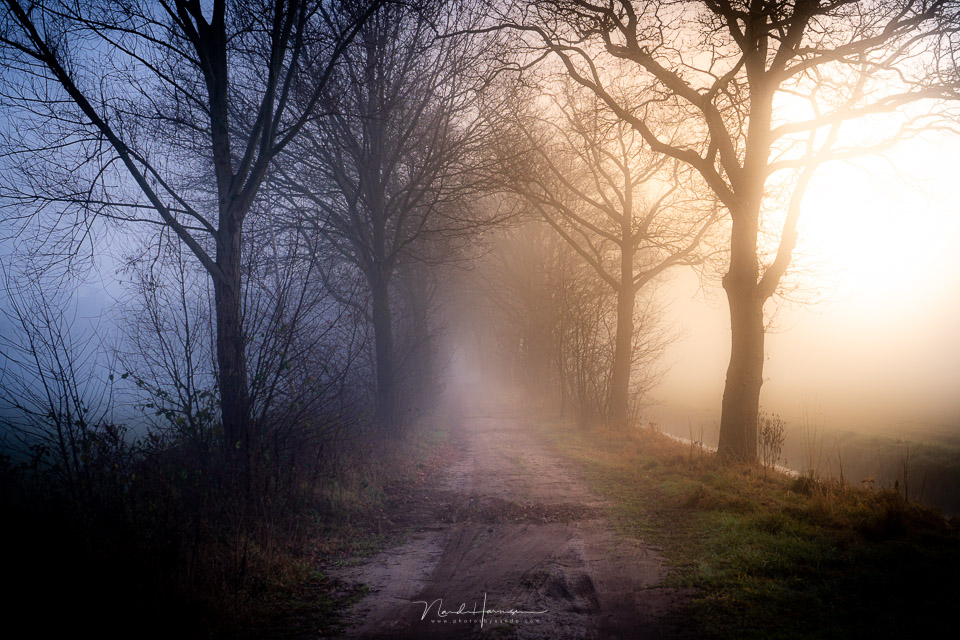
But there is more to it than equipment, or even creating compositions. It is about how you set off, where you go, and your behaviour while taking photos. I have the following five tips for that. And a bonus tip.
Tip 1 - Sit down for a while
This is something that is sometimes overlooked. We live in a fast-paced world where we never get a moment's rest. When you are at a beautiful location, or any location for that matter, sit down for a while and enjoy everything you can see around you.
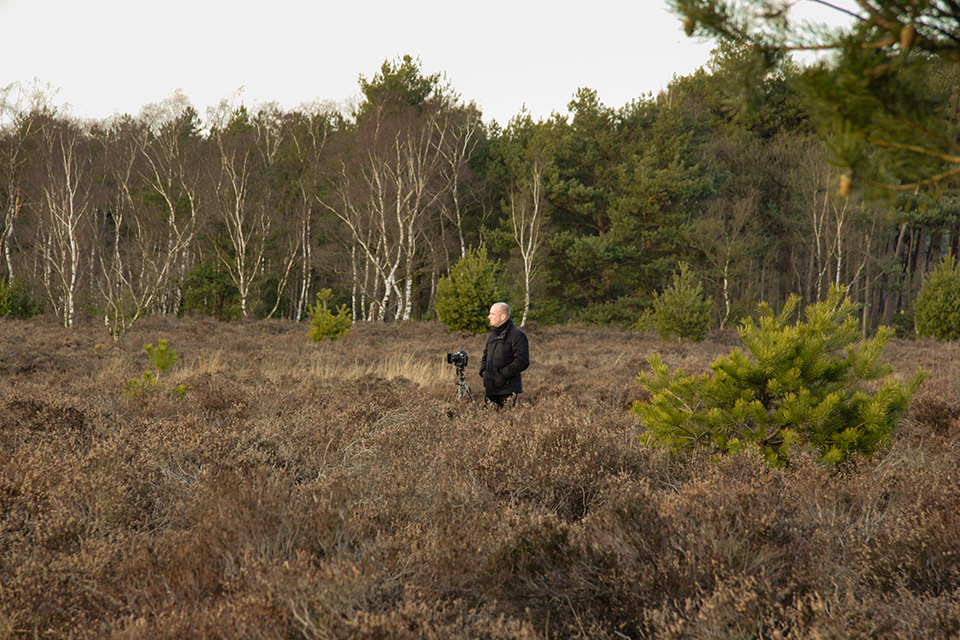
Forget about the camera for a moment, or put it on a tripod and leave it there. Don't look at it, but look at what there is to see around you. Let it sink in.
Eventually you will start to see things, and hopefully become inspired too. Then pick up the camera and photograph those things. I'm sure you will enjoy taking photos even more this way.
Tip 2 - Go exploring
Are you a photographer who likes to plan everything in advance? Or do you head out on spec, photographing whatever you come across? In the latter case, tip 1 is definitely for you. If you want to make it more predictable, you need to go exploring.
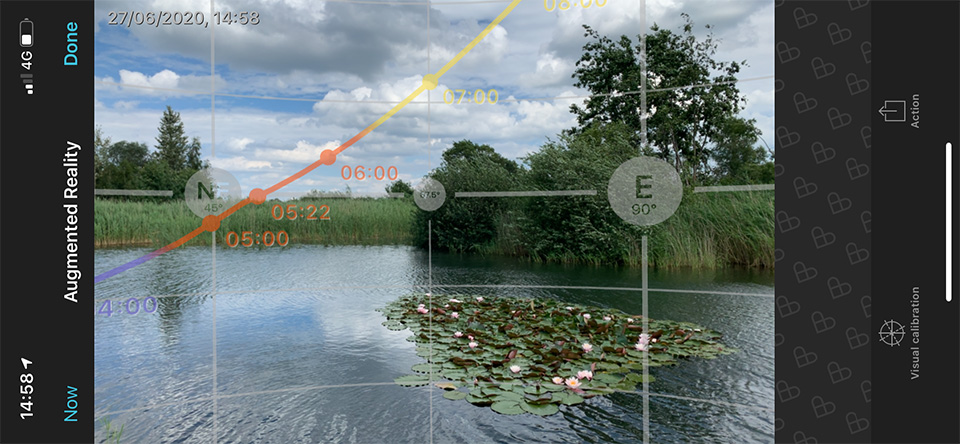
Exploring is best done on foot or by bike. Let yourself get lost and see what there is to find around you. An app such as Photopills is useful for this, as it lets you see the sunrise and sunset using augmented reality.
This is how you discover new places. Make a note of them, and take a photo with your smartphone so you record the GPS locations immediately. Note the conditions and time that would be suitable. This gives you a simple list of places to go when the right conditions arise.
Tip 3 - Don't be afraid to photograph during the day too
The golden hour, the blue hour, twilight, sunrise or sunset. These are the moments that produce the most impressive landscape photos. Or so people would have you believe. Did you know that you can also take fantastic landscape photos during the day?
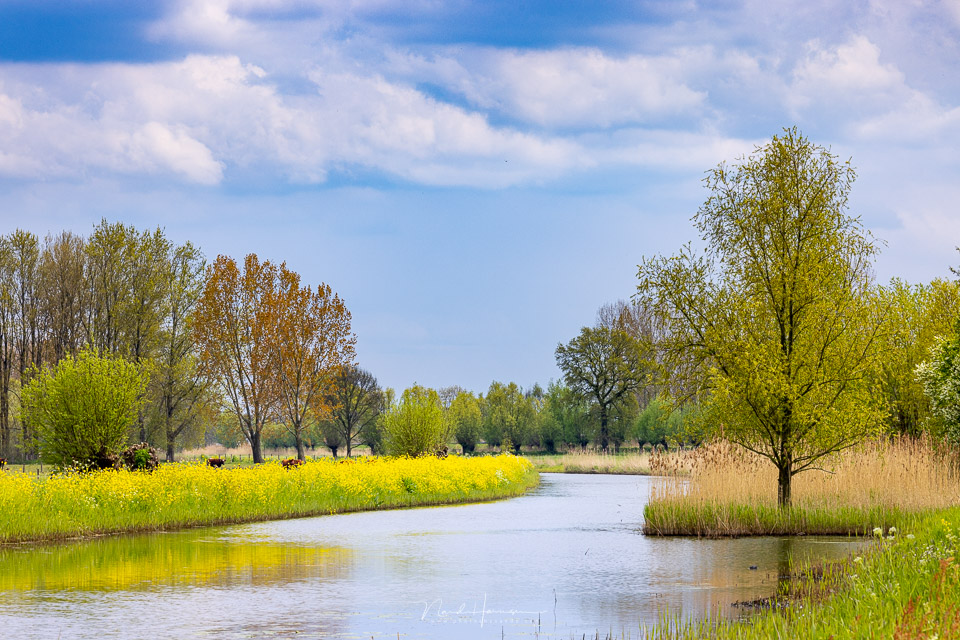
Beautiful cloudscapes are a joy to look at during the day. Why not photograph them too? With flowers in the meadow and cows standing among them. Or sheep on a dike, with the beautiful Dutch cloudscape in the background?
We are so inundated with the fairy-tale colours of sunrise and sunset that they are actually becoming less special. By breaking with that and photographing during the day instead, you create something unique.
Don't be afraid of so-called harsh light. By making use of light and shadow, you can achieve fantastic results. You could combine this with tip 1 and tip 2, and I'm sure your landscape photo can be well worth taking.
Tip 4 - Be on time
Do you want to photograph a sunrise or sunset? Then be on time. Don't arrive when the sun is already rising or setting.
Make sure you are at the location you have chosen an hour in advance. For this, it is important to know where you want to stand, so take another look at tip 2.
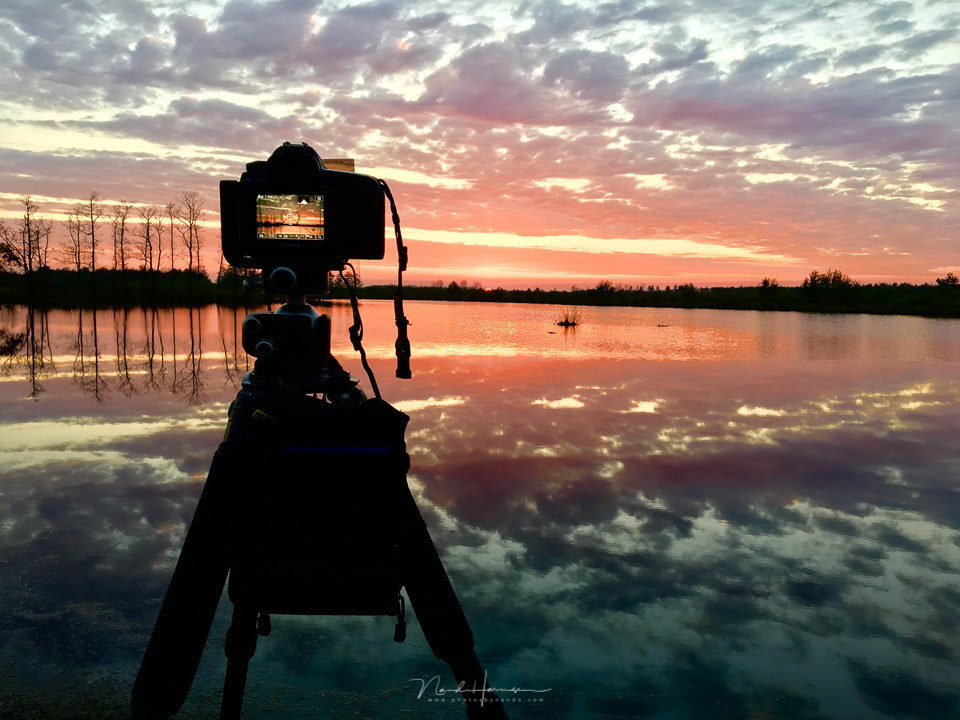
The world begins to wake up an hour before sunrise. Do you have high clouds? Then there is a chance they will turn red half an hour before the sun rises. Low clouds often take on colour when the sun appears above the horizon. The same applies to sunset, but in the opposite order.
Are you going out hunting for a rainbow? Don't wait until it appears, but head out when it is raining. Make sure you are at the location you want to photograph when the sun breaks through. It doesn't matter if you get a little wet. Put on waterproof clothing, and use a rain cover for your camera if necessary.
Tip 5 - Don't get frustrated if it doesn't work
Photography isn't an obligation. No one says you have to come home with world-class photos, apart from yourself at most. If it doesn't work out one time, or the conditions aren't what you wanted, that's not a problem. There will always be another opportunity.
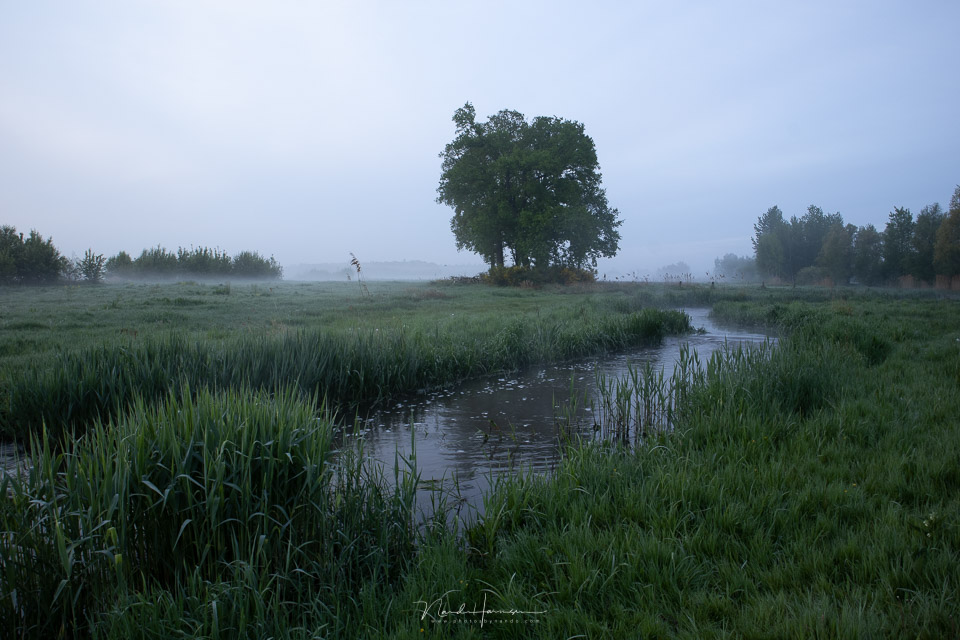
Do you still want to take photos even if the conditions aren't quite what you hoped for? Then try a few things out. Experiment, and who knows, you may come up with ideas for next time. Or you may end up with photos that are still worth keeping.
Whatever happens, if you keep tip 1 in mind, an outing can be enjoyable and relaxing even if you don't take a single photo.
Bonus tip - Chimping is fine, but don't delete anything
What is chimping, you ask? It means looking through your photos on location, on that little screen on your camera. I see many photographers doing it, and I catch myself doing it again and again too. There is nothing wrong with doing it, but don't delete anything.
Some people tend to delete failed photos from the card straight away. As if they are afraid of seeing a failed photo among all the others again, or are ashamed of it. Don't do this, because you may delete the wrong photo.
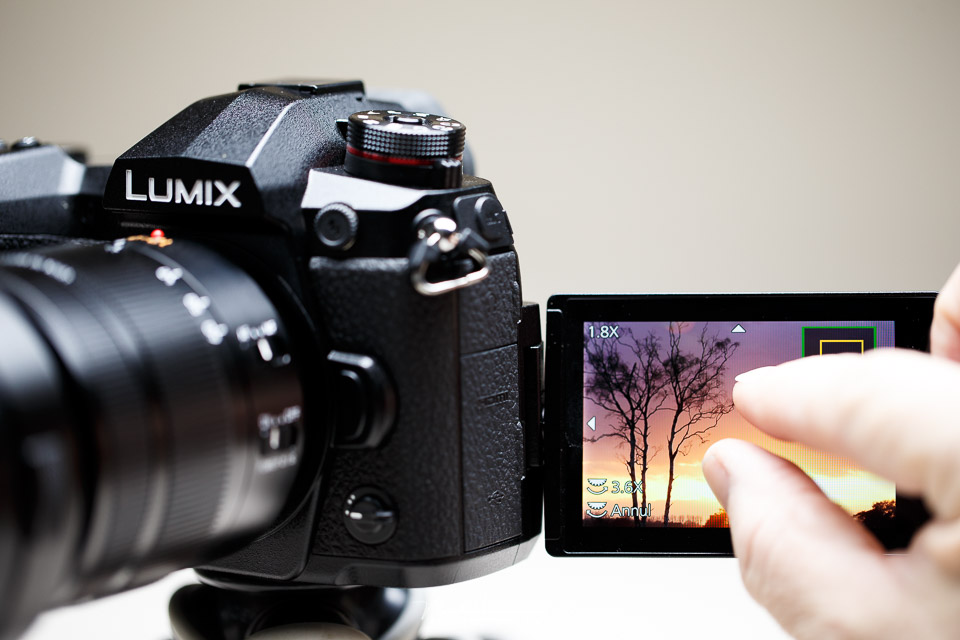
Do you ever take a bracketed sequence? Then you have several photos with different exposures. You need them for your HDR image, and while chimping you can easily lose sight of that and delete one photo from the sequence.
Or you may think the photo is no good, while it could actually have been used well. Above all, that failed photo can be a learning opportunity. Look at home to see why it failed, and discover how to prevent this next time. Failed photos are the best teachers.
Besides, why delete those photos already? Are you short of storage space? Then buy an extra memory card, or a larger one. Spend your time in the field taking photos and enjoying all the beauty around you. Leave the selecting for home.
Do you have any tips?
The tips I have described are partly focused on a particular mindset. The way you set off partly determines how good your photos will be.
Are you guided by obligations, or are you open to what you find? Do you have to take photos, or are you going out with an open mind? Are you enjoying yourself, or is it a frustrating activity?
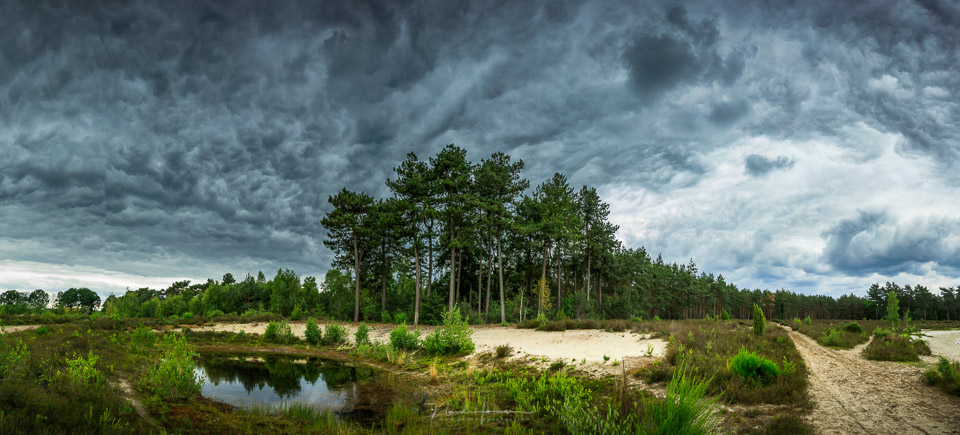
Do you have any tips that would fit well in this list? Or would you like to share how you go about taking a landscape photo?
Then I invite you to share them below this post. I enjoy reading them, and it will probably be useful for others too. And for me, for that matter. Because I am still learning too.
About the author
Nando Harmsen has been photographing for more than 40 years. He specialises in wedding photography and landscape photography. Nando also gives talks, workshops, masterclasses and photo trips, and regularly reviews new and interesting equipment.
You might also like
-
 10 Tips for Beginner Photographers
by Elja Trum
-
 Landschapsfotografie: mensen in beeld of niet?
by Erik van Rosmalen
-
 Practical tips to become a better photographer
by Elja Trum
-
 A few tips for photographing in the snow
by Nando Harmsen
-
 5 Beginner Tips for Better Photos
by Nando Harmsen
-
 Flash photography tip: Get to know your equipment
by Elja Trum
7 comments
-

 Donald Willemsen
wrote on Tuesday 19 April 2022 at 11:18
| reply
Donald Willemsen
wrote on Tuesday 19 April 2022 at 11:18
| reply
Tof artikel Nando. Je geeft een aantal nuttige tips. Je vraagt zelfs aan de lezers of die nog een tip hebben. Jawel hoor, ik heb er een: Bekijk het landschap eens vanaf een hoog standpunt zoals bijvoorbeeld een uitkijktoren, brandtoren. De Vlooyenbergtoren in Tielt- Winge (België, Vlaams Brabant), zo'n 80km van Eindhoven en 75km van Maastricht is een prachtige locatie vanwaar je een geweldig mooi uitzicht hebt over het glooiend landschap. De toren staat op het hoogste punt van de omgeving en is 10 meter hoog.
This comment was written in another language and has not been translated yet.
Beschik je niet over een drone dan kan je vanaf zo'n toren toch ook indrukwekkende foto's maken. -
 Pixeldude wrote on Tuesday 19 April 2022 at 11:34 | reply
1. Vergeet in geen geval je polaroid filter. Wanneer je hem goed gebruikt kan het een zee van verschil uitmaken.
This comment was written in another language and has not been translated yet.
2. En ... heb geen angst om met fel tegenlicht te fotograferen. Dat kan fantastische beelden opleveren. -
 Remmelt van Veelen wrote on Tuesday 19 April 2022 at 12:21 | reply
Voor mij is ook de vraag belangrijk hoe het landschap is ontstaan, zowel natuurlijk als door menselijk ingrijpen. Ook historische gebeurtenissen die zich daar hebben voorgedaan, zijn belangrijk. Het zijn belangrijke inspiratiebronnen.
This comment was written in another language and has not been translated yet. -
 Pie Pierre Cilissen wrote on Wednesday 20 April 2022 at 17:44 | reply
Dank je Nando voor je nuttige tips.
This comment was written in another language and has not been translated yet.
Als je weer workshops geeft lees ik dat graag.
MvG Pie -
 peter heins wrote on Friday 22 April 2022 at 09:51 | reply
Mooie uitleg. Tip 3 heb ik eergisteren gedaan.Ik zou een rondje verkenning doen langs mijn tulpen locaties, het was bloedmooi weer, maar gelukkig toch de camera meegenomen. Op mijn eerste locatie stond ik zo te genieten van de intense kleuren, er was een mooie veeglucht, ik dacht " hier moet ik gewoon foto' s van maken" 's middags om 14.00 uur. 1 foto van een tulpenveld met beregening heeft zelfs als weerfoto bij RTL 30 seconden in beeld geweest. Wat waren die kleuren mooi. Dus inderdaad ook overdag bij mooi weer kan je prachtige foto's maken.
This comment was written in another language and has not been translated yet. -
peter heins wrote on Friday 22 April 2022 at 09:53 | reply
En bij Tip 4 zou ik ook willen zeggen : ga na de zonsondergang niet te snel naar huis.Gisteravond tot een half uur na zonsondergang nog prachtige foto's kunnen maken van een tulpenveld omdat de lucht toen mooi rood begon te kleuren.Voordeel is ook dat je dat het felle licht van de zon niet meer hebt, het zijn heel andere foto's.
This comment was written in another language and has not been translated yet. -
 Nando
wrote on Tuesday 26 April 2022 at 10:34
| reply
Nando
wrote on Tuesday 26 April 2022 at 10:34
| reply
@Pie Pierre Cilissen:
This comment was written in another language and has not been translated yet.
Op mijn site staan de workshops die ik geef vermeld. Via SBB komen er nog een drietal, dit jaar. Een privé workshop kan natuurlijk ook.
@Peter Heins:
Je hebt gelijk. Blijf nog even na de zon onder is gegaan is een goede aanvulling.
@Pixeldude:
Polaroid is een merknaam. Wat je bedoelt is een polarisatiefilter. Dit filter is niet altijd nuttig, en soms zelfs ongewenst. Maar in de juiste omstandigheden is het inderdaad fantastisch.
@Remmelt van Veelen:
De achtergrond van het gebied dat je fotografeert geeft zeker wel meerwaarde. Het kan echter geen oninteressante foto interessant maken. Je moet dan nog steeds zorgen voor een goede compositie.
Have your say
Please note: Articles older than a week can only be commented on by signed-in visitors.Would you still like to comment? sign in or create a free account.
Become a better photographer every week
A practical photography tip in your inbox every week.
39,145 photography enthusiasts already receive the tips! More about the weekly mail. Or keep up to date via  Facebook.

Elja Trum
Photofacts; everything to do with photography!
Would you like to take better photos and keep up with what is happening in photography? Photofacts publishes articles that teach you something about photography — from a product announcement to a practical shooting tip or a look at a website. Photofacts covers photography every day and is a hobby project of Elja Trum's that got out of hand. The articles are written by a team of volunteer authors. If you would enjoy writing one or more articles for Photofacts, do get in touch.More about PhotofactsPhotofacts is made possible in part by
