

Five tips for choosing a foreground
Monday 10 February 2025, 14:41 by Nando Harmsen | 4,181 views | 3 commentsThis article was translated from Dutch with the help of AI. Read the original.
A foreground can add value to your photo. However, it can also have a negative effect. It is therefore important to think carefully about it and make a conscious choice. I will give you some tips for using a foreground.
A foreground in the photo can create layers. This extra dimension can give a photo depth. Using a foreground can add tension to the photo or create a sense of anticipation.
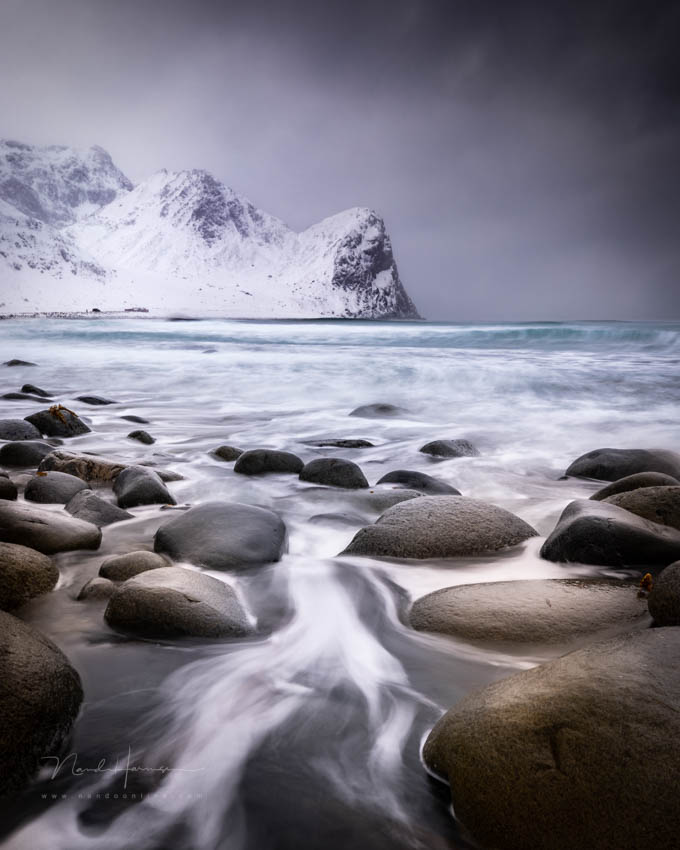
A foreground can also be very distracting. This happens more often than you might expect. The wrong choice when using a foreground can ruin your photo completely. You need to choose the foreground carefully.
1. An interesting foreground
A foreground should be interesting. If you choose something that does not look attractive or is not interesting at all, it is better to leave it out. Choosing a foreground because you think it is required is simply wrong.
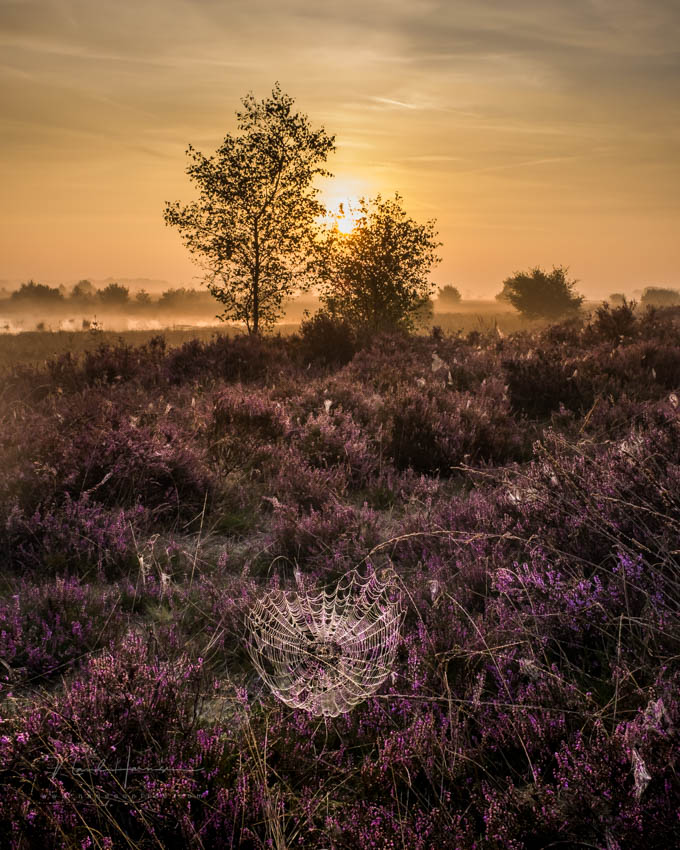
Choose a foreground when it is worth having. Do not add a stone, twig or patch of grass just because you can. Choose a collection of stones, a branch or tree, or a meadow with flowers because it is beautiful.
2. No artificial foreground
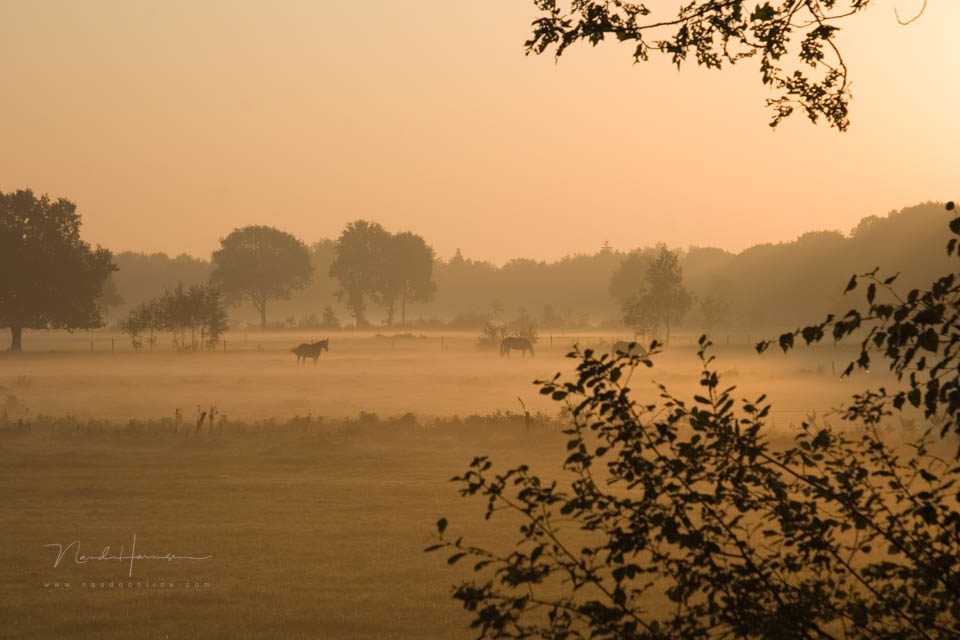
Do not simply let some image elements stick into the photo with the thought that this gives you a foreground. A good example, which occurs often, is a few branches sticking into the photo from somewhere. They then seem to come from nowhere. That is not a real foreground.
A foreground is a well-considered compositional element that does not just happen to appear that way. You need to give it attention, perhaps even more than the subject itself.
3. Foreground as added value
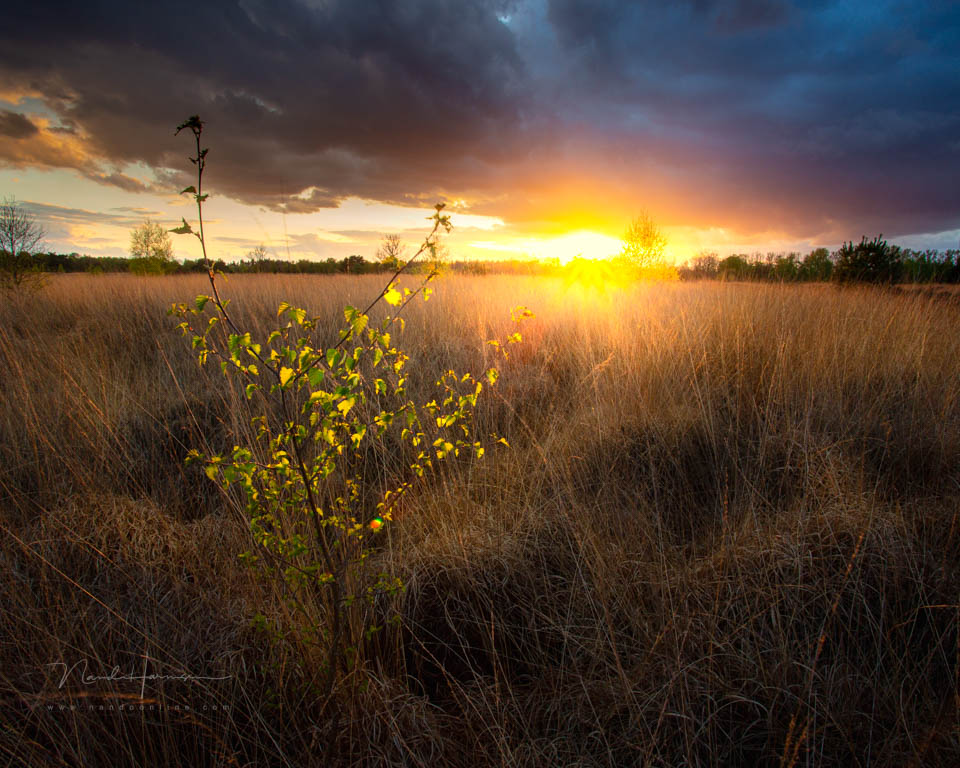
The reason to include a foreground is that it adds value to the photo. You can use it to give the photo a story. You can use it to create a better impression of the surroundings. And it can strengthen the sense of depth.
4. Foreground in balance
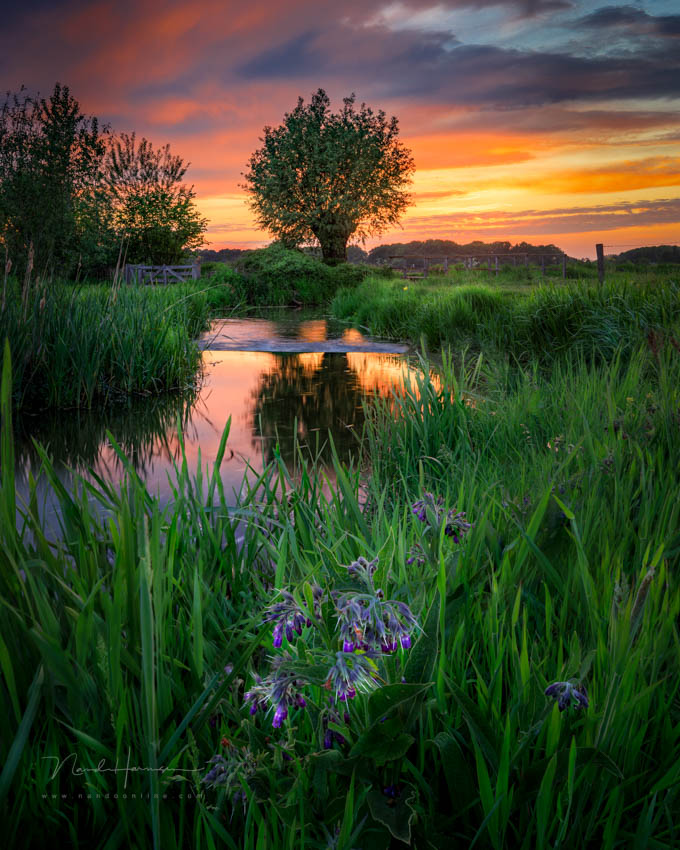
Always make sure there is balance in a photo. Adding a foreground should be done in such a way that the balance in the image is maintained.
Do not make the foreground too dominant by using too much of it or by placing it unevenly in the frame. Make it part of the overall composition, rather than making it look like an individual image element.
5. Foreground in the background
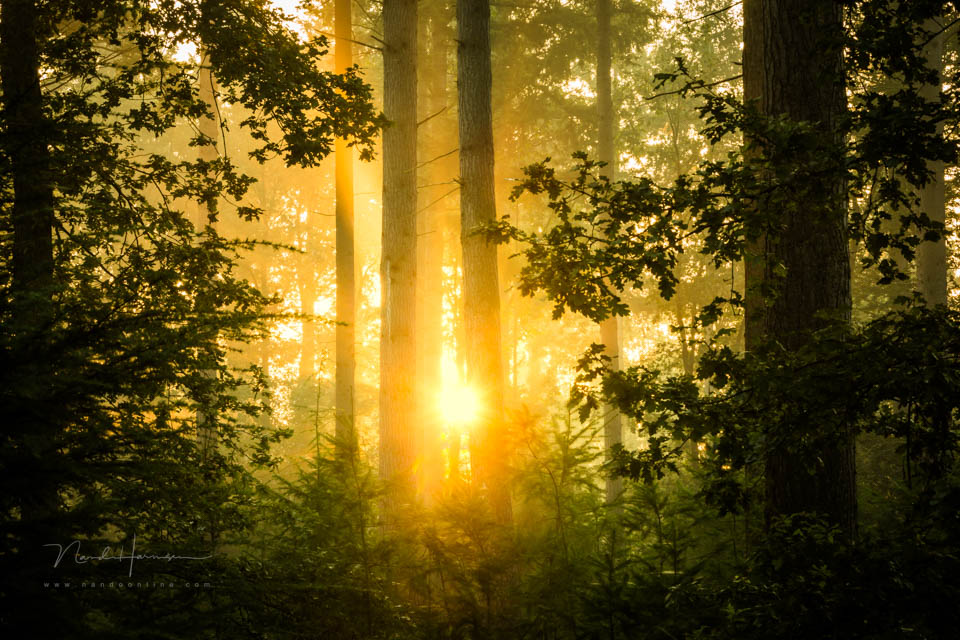
A foreground is an addition that gives your subject a place. Or it provides a starting point for a visual flow that leads towards your subject. In that respect, the foreground is an image element that forms part of the surroundings.
If you really place a foreground in the foreground, it can take over the role of the subject. In that case, it is no longer a foreground, but the subject itself.
There are more foreground tips
There is much more to say about using a foreground. Perhaps you have another valuable tip for using a foreground in a photo? Let us know in a comment below this post.
About the author
Nando Harmsen has been photographing for more than 40 years. He specialises in wedding photography and landscape photography. Nando also gives talks, workshops, masterclasses and photo trips, and regularly reviews new and interesting equipment.
You might also like
-
 The added value of a good foreground
by Nando Harmsen
-
 Composing a Foreground - Part 1
by Nando Harmsen
-
 A foreground in your landscape photo? Choose something interesting
by Nando Harmsen
-
 Thoughtful use of the foreground in a photo
by Nando Harmsen
-
Composing a foreground - part 2
by Nando Harmsen
-
 Using a foreground as a view through in landscape photography
by Nando Harmsen
3 comments
-
 jan wrote on Wednesday 12 February 2025 at 13:49 | reply
Totally agree, most photographers think a landscape photo without a foreground is not acceptable, and if you don't execute it properly, the end result becomes a postcard ui a rack at the supermarket
Translated from Dutch. -
 Engelen Willy wrote on Friday 14 February 2025 at 16:56 | reply
Nando.... in my opinion, there should always be " something in the foreground that leads to the subject !!! That’s how you create depth in your photo ,which is important !!!
Translated from Dutch.
Best regards
Engelen Willy. -

 Nando
wrote on Friday 14 February 2025 at 18:26
| reply
Nando
wrote on Friday 14 February 2025 at 18:26
| reply
A foreground certainly helps to create the illusion of depth. But creating that illusion of depth is never mandatory.
Translated from Dutch.
Wanting to create depth by including a totally uninteresting foreground because you feel obliged to do so will not result in a better photo.
Have your say
Please note: Articles older than a week can only be commented on by signed-in visitors.Would you still like to comment? sign in or create a free account.
Become a better photographer every week
A practical photography tip in your inbox every week.
39,079 photography enthusiasts already receive the tips! More about the weekly mail. Or keep up to date via  Facebook.

Elja Trum
Photofacts; everything to do with photography!
Would you like to take better photos and keep up with what is happening in photography? Photofacts publishes articles that teach you something about photography — from a product announcement to a practical shooting tip or a look at a website. Photofacts covers photography every day and is a hobby project of Elja Trum's that got out of hand. The articles are written by a team of volunteer authors. If you would enjoy writing one or more articles for Photofacts, do get in touch.More about PhotofactsPhotofacts is made possible in part by
