

There Is No Such Thing as Bad or Good Light
Sunday 5 April 2026, 13:26 by Nando Harmsen | 1,635 views | 1 commentThis article was translated from Dutch with the help of AI. Read the original.
How often do you hear that the light isn't beautiful, or is even bad? That would mean there is good light too. Light comes in many forms. It's up to you to make good use of it.
It's all too easy to blame the light for a less successful photo. And indeed, the light can make or break a photo. It plays a role in the composition and can guide the viewer towards a particular place in the frame.
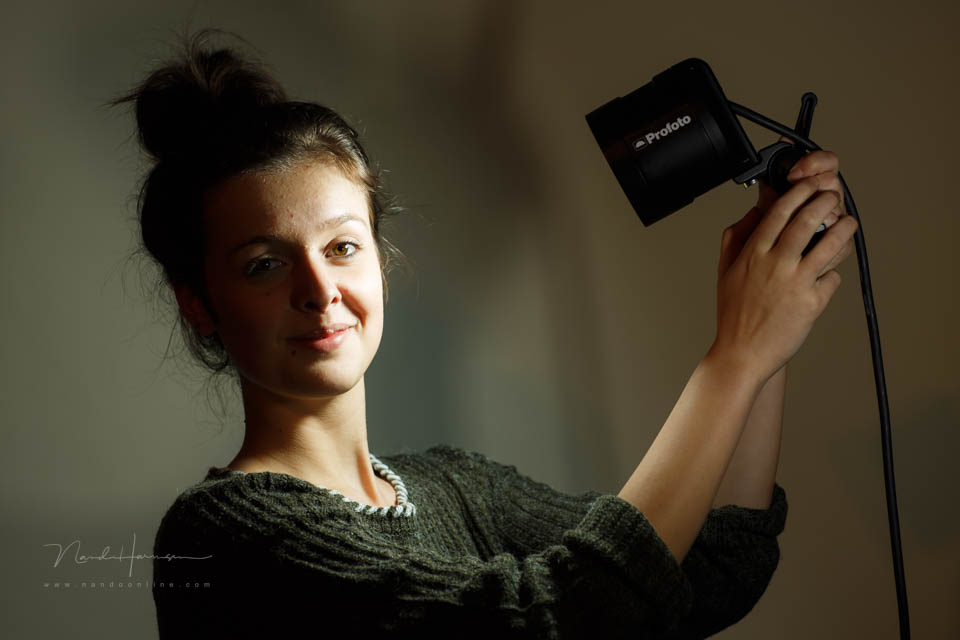
Light is a tool for shaping the photo. Sometimes you can control the light, for example in a studio where all the light sources can be controlled. If you use the existing light, you have no control over it.
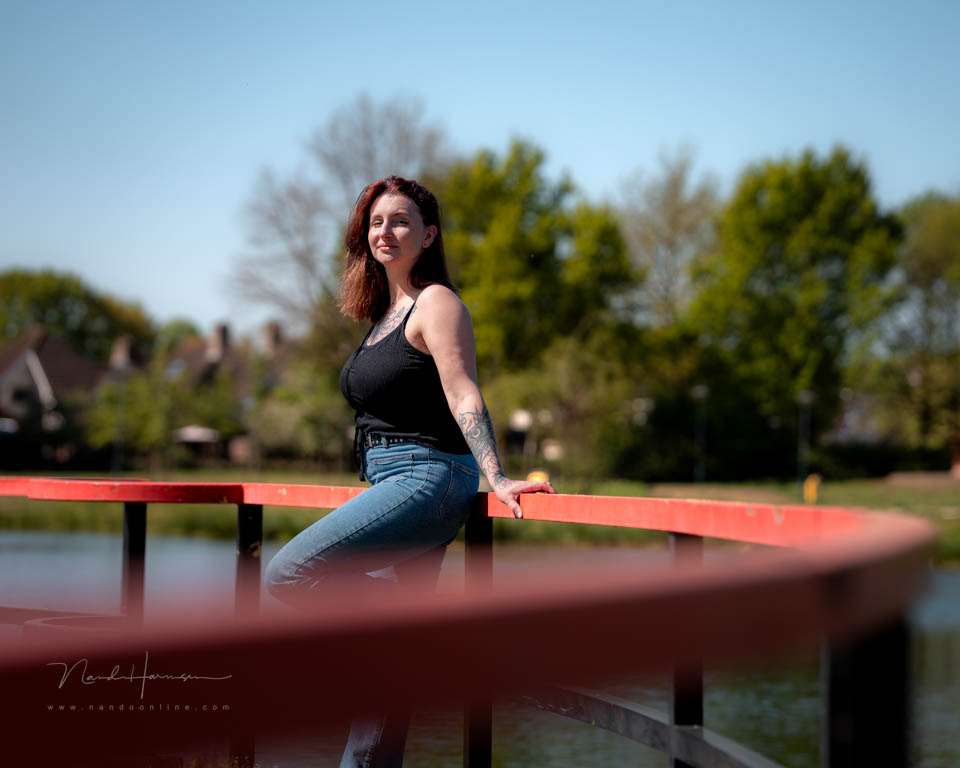
If you have no control over the light, you have to take it into account when taking the photo. The light determines where you stand in relation to your subject. The light determines what the crop should be. The light determines how you place the subject in the photo.
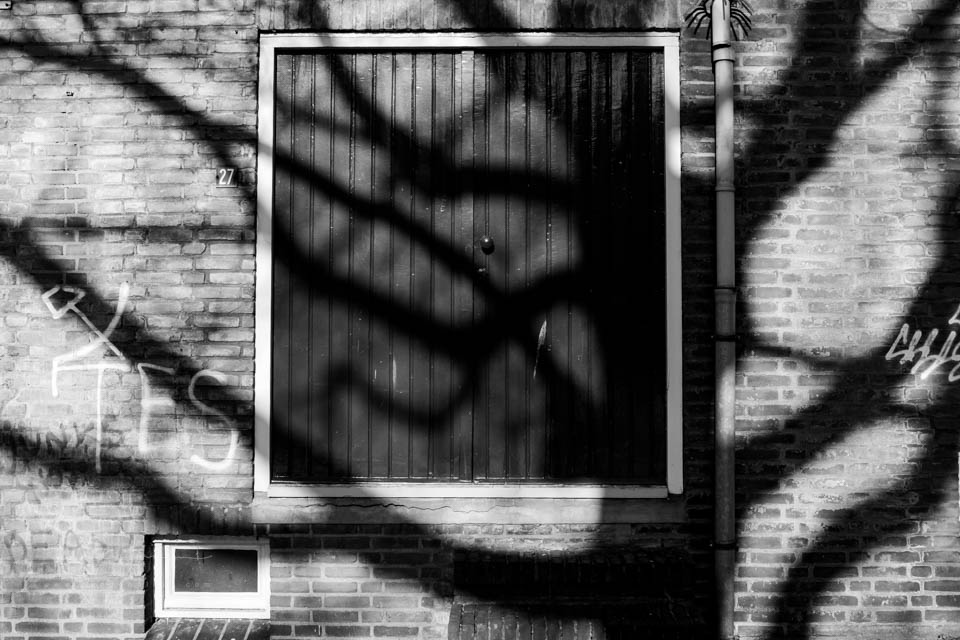
Don't say that the light isn't good, or that the light is ugly. That says nothing about the light itself, but about you as a photographer. It means that you aren't taking the light into account. It means that you aren't making good use of it.
Light is the photographer's tool. Light determines everything. Compare light to a hammer (again - I used this comparison before). You can hold the hammer by the handle and use it. Or you can hold the head of the hammer itself.
Instead of blaming the light, next time look at what the light is doing. Adjust your composition, exposure and image structure accordingly. You'll notice that there is no good or bad light.
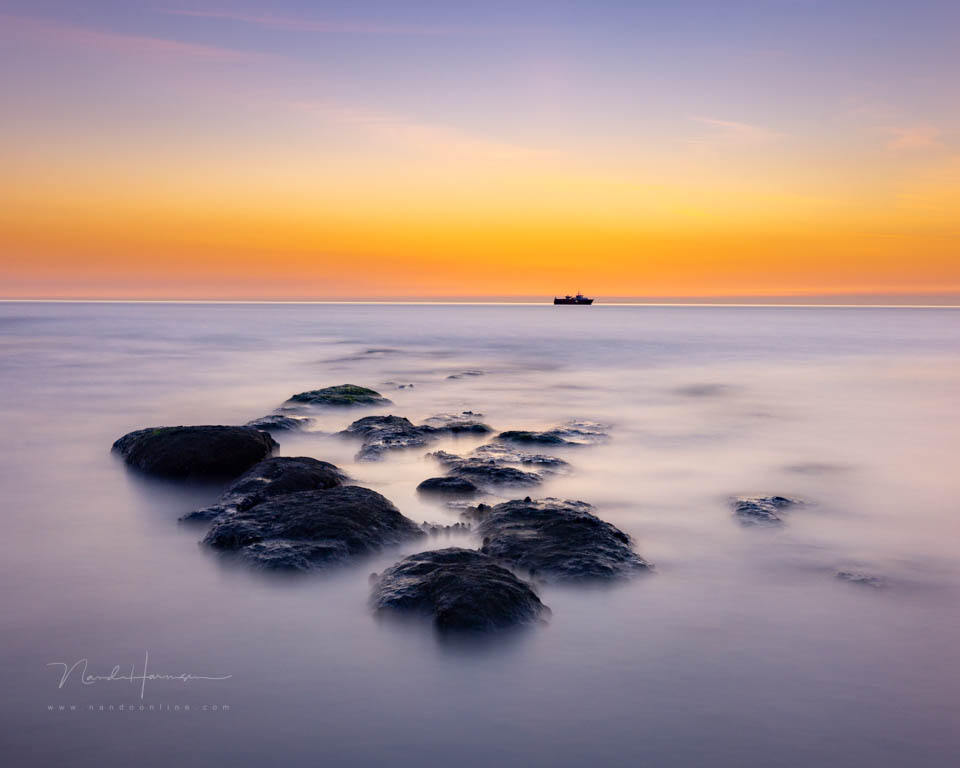
As a final note; good and bad light has nothing to do with a preference for a particular type of light. Of course, you may prefer morning light, light on a cloudy day, or studio light. But that doesn't mean you can't take beautiful photos in other light. It simply isn't your preference.
About the author
Nando Harmsen has been photographing for more than 40 years. He specialises in wedding photography and landscape photography. Nando also gives talks, workshops, masterclasses and photo trips, and regularly reviews new and interesting equipment.
You might also like
-
 Colour as a solution for a bad black-and-white photo
by Nando Harmsen
-
 Try photographing in bad weather
by Elvira Smit
-
 Landscape photography tip: Carry on in bad weather
by Rob IJsselstein
-
 Anyone who says the camera isn't important is wrong
by Nando Harmsen
-
 Street Photography Tip: Blurry Isn't Always Bad!
by Michiel Heijmans
-
 Street photography theme: face masks and the big bad wolf
by Jan Poldervaart
1 comment
-
 Donald Willemsen wrote on Tuesday 7 April 2026 at 15:05 | reply
Without light, no photo. So the light is always good. 'Photography' after all means 'writing with light'. Nando, you can certainly call your article a source of inspiration. I read it with pleasure and completely agree with you.
Translated from Dutch.
Have your say
Please note: Articles older than a week can only be commented on by signed-in visitors.Would you still like to comment? sign in or create a free account.
Become a better photographer every week
A practical photography tip in your inbox every week.
38,982 photography enthusiasts already receive the tips! More about the weekly mail. Or keep up to date via  Facebook.

Elja Trum
Photofacts; everything to do with photography!
Would you like to take better photos and keep up with what is happening in photography? Photofacts publishes articles that teach you something about photography — from a product announcement to a practical shooting tip or a look at a website. Photofacts covers photography every day and is a hobby project of Elja Trum's that got out of hand. The articles are written by a team of volunteer authors. If you would enjoy writing one or more articles for Photofacts, do get in touch.More about PhotofactsPhotofacts is made possible in part by
