

Bird Photography and Flash
Saturday 20 June 2026, 22:55 by Nando Harmsen | 1,412 views | 3 commentsThis article was translated from Dutch with the help of AI. Read the original.
Flash photography and bird photography are not new. There are, or were, special flash attachments that allowed you to flash further. Naturally, in combination with telephoto lenses. The question is, is it sensible to use flash?
If it is dark, a flash can produce the necessary light. The subject is then well exposed. Whether it is beautifully lit is another matter. We will ignore that for the sake of convenience.
In the grey, analogue past, I once photographed a long-eared owl with flash. Those slides were not exactly successful, with white spots for eyes. The red-eye effect, but slightly different.
That was also where my flash adventure with birds ended. I have never used flash for bird photography or other nature photography since. For one simple reason: I do not think it looks good.
These days, I regularly see flash being used for birds in flight. With a longer shutter speed, dragging the shutter. Particularly for the gannets on Heligoland. It is even offered as a 'workshop'.
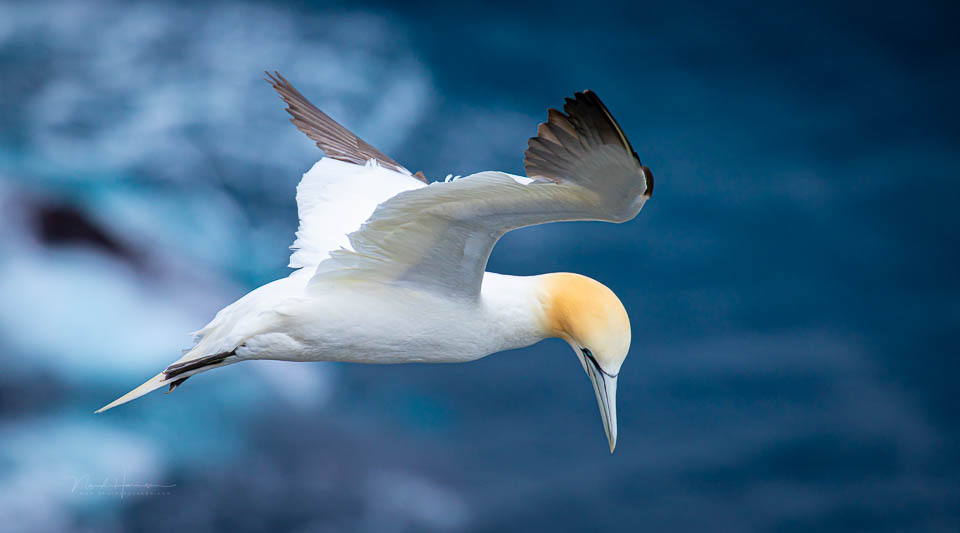
I imagine those birds being continuously bombarded with flashes of light. A whole row of photographers constantly firing their flashes. It makes me wonder how I would feel if I were photographed like that myself.
This form of flash photography does not take place in the dark. That means the birds' eyes are not adjusted to the dark. But even so, all those bright flashes must surely be dazzling.
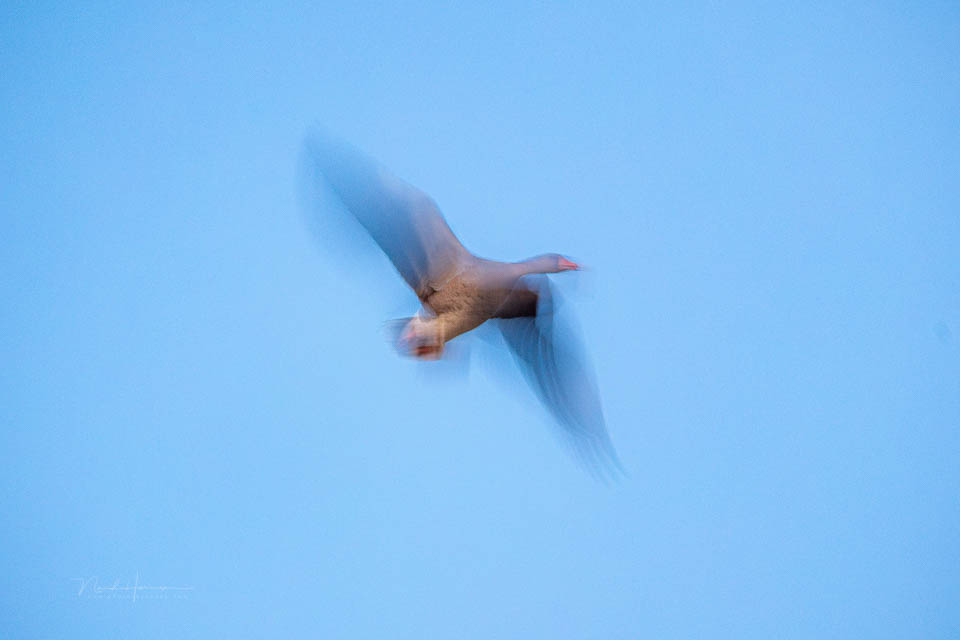
Photographing with off-camera flash, using cleverly positioned flashes, can be different. This is how owls and bats are photographed. It can produce beautiful images, and I think the animal will be less bothered by it.
But firing a flash straight at them, with all the available intensity needed to be useful in daylight, and with several photographers standing next to each other... I have an opinion on that.
I mentioned the gannets on Heligoland because I know it is done there frequently, or regularly? But perhaps it happens in more places or situations.
What do you think about this kind of photography? Do you think it is not a problem, and if so, why? Or do you think it is simply not done? Perhaps you have a more nuanced opinion. Let us know below this post.
About the author
Nando Harmsen has been photographing for more than 40 years. He specialises in wedding photography and landscape photography. Nando also gives talks, workshops, masterclasses and photo trips, and regularly reviews new and interesting equipment.
You might also like
-
 Photographing birds? Practise first.
by Nando Harmsen
-
 Bird photography often requires a lot of patience
by Erik Nevels
-
 Flash photography tip: Think about your ISO
by Elja Trum
-
 Flash photography tip: Put your flash outside
by Elja Trum
-
 Flash photography tip: Light the background
by Elja Trum

3 comments
-

 Vbruggeman wrote on Tuesday 23 June 2026 at 12:43
| reply
Vbruggeman wrote on Tuesday 23 June 2026 at 12:43
| reply
I'm sorry Nando, but I don't have a more nuanced opinion on this. I think I'm even stricter when it comes to nocturnal animals. Leave the latter to professional documentary makers à la David Attenborough who have tremendous respect for wildlife. Photograph animals in their extremely natural environment with the freedoms AND limitations present at that moment. I really can't see 'flashes' as 'natural'. I'm probably making half the photographers angry now, but this is my personal opinion, which nobody has to agree with. Everyone is entitled to their own opinion. This is mine.
Translated from Dutch. -
 Donald Willemsen wrote on Tuesday 23 June 2026 at 13:02 | reply
Nando, you have an opinion about it and it's not hard to guess what it is. My opinion will be in the same vein as yours. I think using flash in bird photography is 'not done'. I consider that a disturbance to the animals. You don't do that. Moreover, I don't see the point of it.
Translated from Dutch.
Photographing of and in nature should be possible, but must be done with respect and without causing disturbance. -
 Martin wrote on Tuesday 23 June 2026 at 17:48 | reply
Hi Nando, I think ‘if you want to photograph an animal in its natural habitat, then do that too! Natural light is an essential part of that’.
Translated from Dutch.
Flash light is by definition unnatural and the (nature) photo has therefore failed.
Regardless of whether or not you startle the animal; something you obviously don’t do as a nature lover
Have your say
Please note: Articles older than a week can only be commented on by signed-in visitors.Would you still like to comment? sign in or create a free account.
Become a better photographer every week
A practical photography tip in your inbox every week.
39,024 photography enthusiasts already receive the tips! More about the weekly mail. Or keep up to date via  Facebook.

Elja Trum
Photofacts; everything to do with photography!
Would you like to take better photos and keep up with what is happening in photography? Photofacts publishes articles that teach you something about photography — from a product announcement to a practical shooting tip or a look at a website. Photofacts covers photography every day and is a hobby project of Elja Trum's that got out of hand. The articles are written by a team of volunteer authors. If you would enjoy writing one or more articles for Photofacts, do get in touch.More about PhotofactsPhotofacts is made possible in part by
