

The moment you no longer see progress in your photography
Thursday 28 May 2026, 12:24 by Nando Harmsen | 1,112 views | 0 commentsThis article was translated from Dutch with the help of AI. Read the original.
The first months and years of your photography are inspiring. You make great strides and see your photos becoming better and more interesting. Then comes the moment when that progress seems to stop. Do you recognise this? It may be a better sign than you would expect.
Every photographer reaches a point where their growth seems to stagnate. Perhaps you recognise yourself in that. Somehow, you get stuck. There is no progress in your photography. At least, you don't see any real progress.
That can be frustrating. All the enjoyment seems to disappear from photography, as if by magic. There are times when you feel like hanging your camera up. Are you experiencing this? Then you are certainly not the only one.
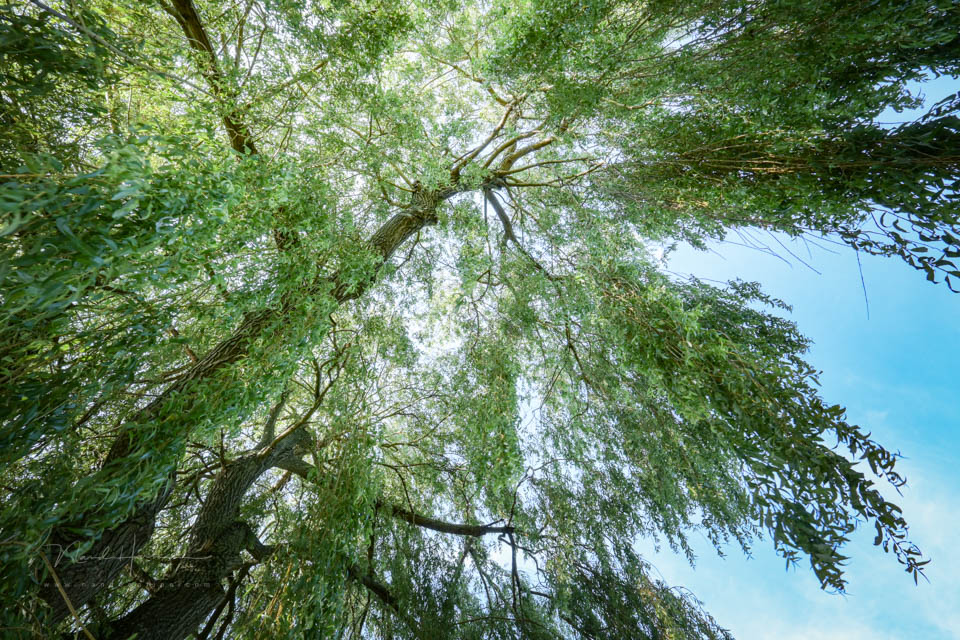
This apparent standstill is not a sign that you are bad at photography, or that your photos are bad. Not at all. The people around you, or in the community you are part of, continue to praise your photos.
So what is going on? Why do you experience this standstill, even though the world around you says that your photos are beautiful or fantastic? Do the others see something you don't?
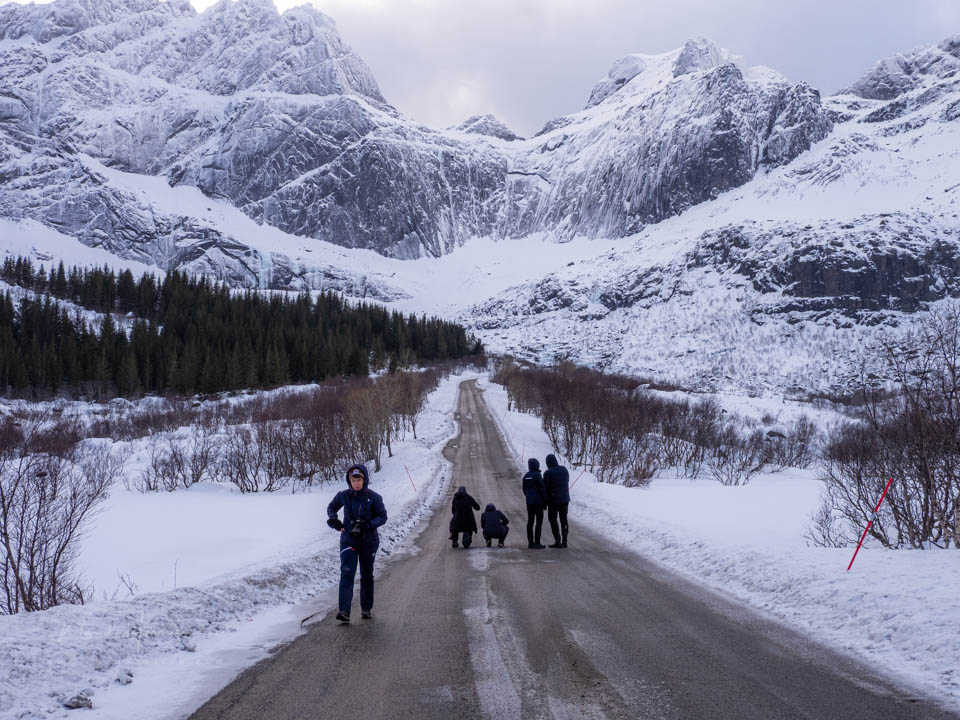
Everyone who starts learning something will make great leaps at first. You too, as a photographer. Every time you went out, you learned something new. There was a lot of progress in your photography.
Compare it with Maslow's learning curve. At first, you don't yet know what you can't do, so you simply get started. With everything you did, you learned new things, and your photos became a little better. You became aware of the possibilities.
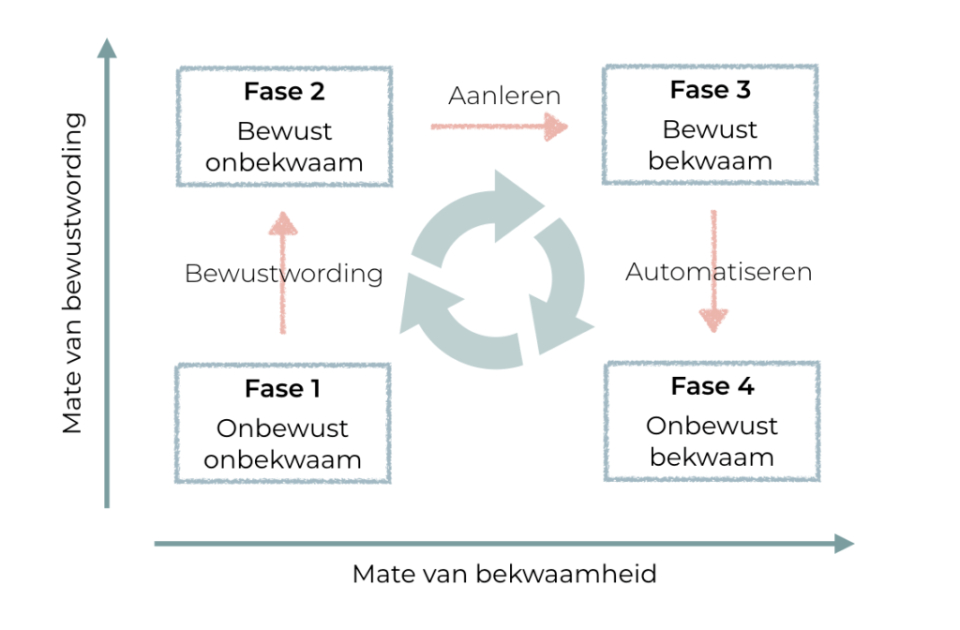
Until you gradually begin to realise that there is also a lot you don't know. You then enter the next phase of Maslow's learning curve. You are consciously incompetent. This is a difficult phase in which it seems as if you are no longer learning anything.
At this stage, development not only seems to be slow, it is slow. The things you want to learn are more difficult than ever. Learning them takes time and practice. You also have to allow yourself that time.
Everyone goes through this phase. Persevering can be difficult. But as I said earlier, don't hang your camera in the willows. Keep going stubbornly, keep practising. Above all, keep enjoying photography.
What I have noticed is that looking back at images from one or two years ago can help. You become more aware of the steps you have taken without realising it. That gives you new courage and new energy.
Are you at the point where it seems that you are making little or no progress? Embrace it, because this means you are standing on the threshold.
About the author
Nando Harmsen has been photographing for more than 40 years. He specialises in wedding photography and landscape photography. Nando also gives talks, workshops, masterclasses and photo trips, and regularly reviews new and interesting equipment.
You might also like
-
 The right way to learn from a book or video
by Nando Harmsen
-
 Where do you find your inspiration?
by Nando Harmsen
-
 Focus stacking: experimenting is learning
by Juliette Gribnau
-
 You have to practise to learn
by Nando Harmsen
-
 If you can't think of anything to photograph, try these ideas
by Nando Harmsen
-
 Photograph historic times (right now)
by Elvira Smit
0 comments
Be the first to share what you think!
Have your say
Please note: Articles older than a week can only be commented on by signed-in visitors.Would you still like to comment? sign in or create a free account.
Become a better photographer every week
A practical photography tip in your inbox every week.
38,982 photography enthusiasts already receive the tips! More about the weekly mail. Or keep up to date via  Facebook.

Elja Trum
Photofacts; everything to do with photography!
Would you like to take better photos and keep up with what is happening in photography? Photofacts publishes articles that teach you something about photography — from a product announcement to a practical shooting tip or a look at a website. Photofacts covers photography every day and is a hobby project of Elja Trum's that got out of hand. The articles are written by a team of volunteer authors. If you would enjoy writing one or more articles for Photofacts, do get in touch.More about PhotofactsPhotofacts is made possible in part by
