

The natural light photographer does not exist
Monday 7 November 2022, 15:51 by Nando Harmsen | 4,229 views | 14 commentsThis article was translated from Dutch with the help of AI. Read the original.
I always have to laugh a little when I hear someone say that they are a 'natural light photographer'. In many cases, it seems to be an excuse not to use flash. But aside from that, I don't believe anyone is really a natural light photographer. Unless...
I don't want to offend anyone with this article, so let me say that upfront. If you want to call yourself a natural light photographer, then you should carry on doing so. Why not? It gives some indication of what kind of photographer you are and what viewers or clients can expect from your photos.
Although, I suspect a client won't be interested at all in how your photos are created. They will only care about the result, and that needs to meet their expectations. Whether you use natural light, flash, or both. Or perhaps something completely different.

No natural light, but existing light
Natural light, think about what this 'term' means. It indicates that the light is naturally present. No artificial light. As photographers, we immediately think of flash, because that is artificial.
But there are more types of light that are not naturally present, and therefore cannot be called natural light. Think of fluorescent lighting, a light bulb, LED lighting, a chandelier, spotlights, and perhaps even candlelight, although that could be debatable.
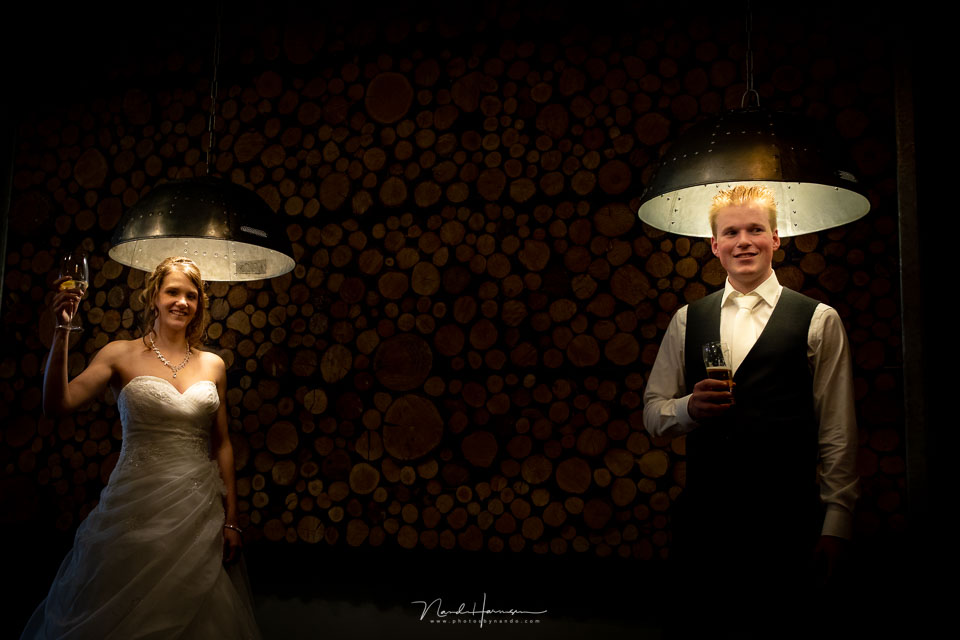
If you are a real natural light photographer, all the lights will have to be switched off before you take a photo. No interior lighting, no street lighting, nothing... Only the light that is naturally present and enters through windows and doors.
Perhaps this distinction is a little silly, even childish. I agree with you. But I do want to use it to make you think about the use of 'natural light'.
Because what we actually mean by natural light photographer is a photographer who uses the existing light. That can also be artificial light.
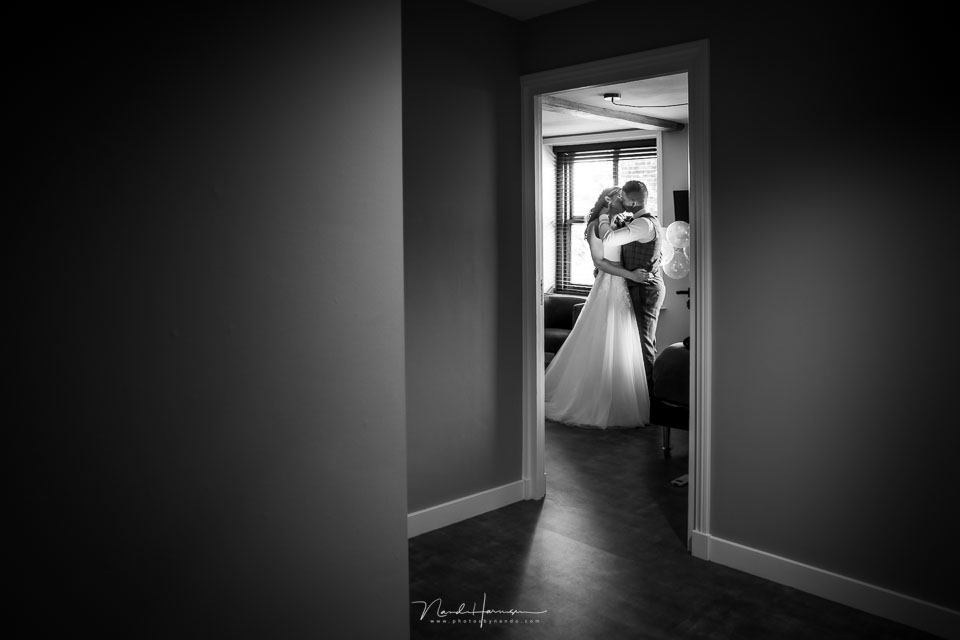
The quality of light
Real natural light enters through windows and doors. It gives you fantastic light to work with, beautiful shadows, and a lovely atmosphere.
I love it, provided you can shape it as you wish. In other words, place your subject close to the window to make maximum use of that light.
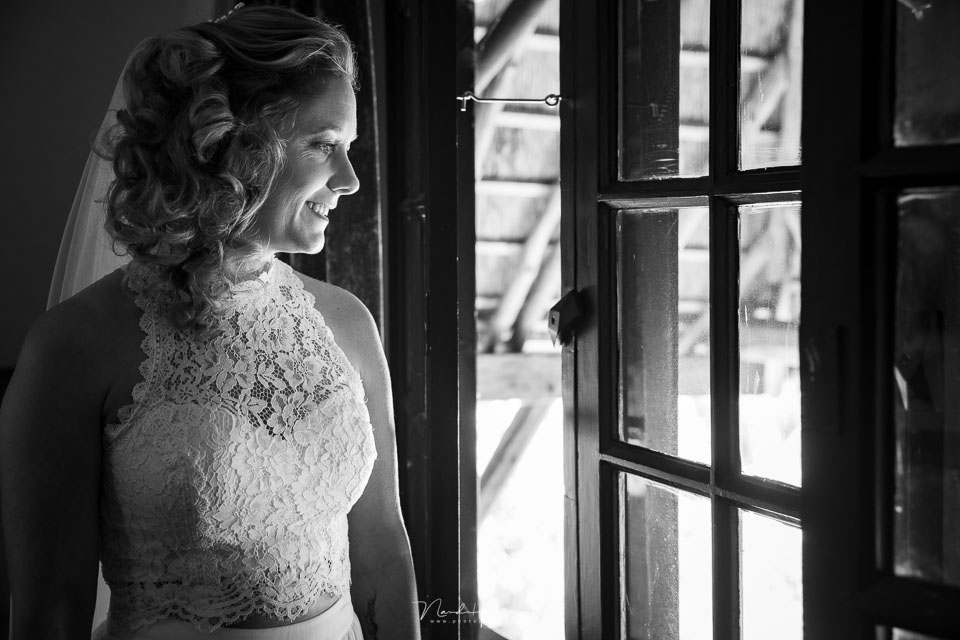
As the distance from a window or door increases, there is a chance that it will become very dark. The light becomes scattered and eventually diffuse.
After all, with every doubling of the distance from the light source, only a quarter of the amount of light remains. In short, you need to use a high ISO setting.
The solution is to switch on the lights. A fluorescent light on the ceiling, or a chandelier, LED lamps, a table lamp, or spotlights on the wall and ceiling. Suddenly you have artificial light in your photo, often coming from a direction you don't actually want.
Although it has become brighter and a high ISO is less necessary, the quality of the light has visibly deteriorated. Light in the wrong place, unwanted shadows, uneven lighting, and of course the colour of the light, which can cause an awkward colour cast.


What is the solution to poor-quality light? Exactly, bring your own light in the form of a flash. You add a little more artificial light to the existing artificial light, but using a light, the flash, that you have complete control over.
Using existing light is not wrong, unless...
I personally think using existing light is fantastic. It can create atmosphere and give a photo a lot of character.
But if the existing light is poor quality, I choose to add my own light to it. That way, I can create good-quality light in (almost) all conditions.
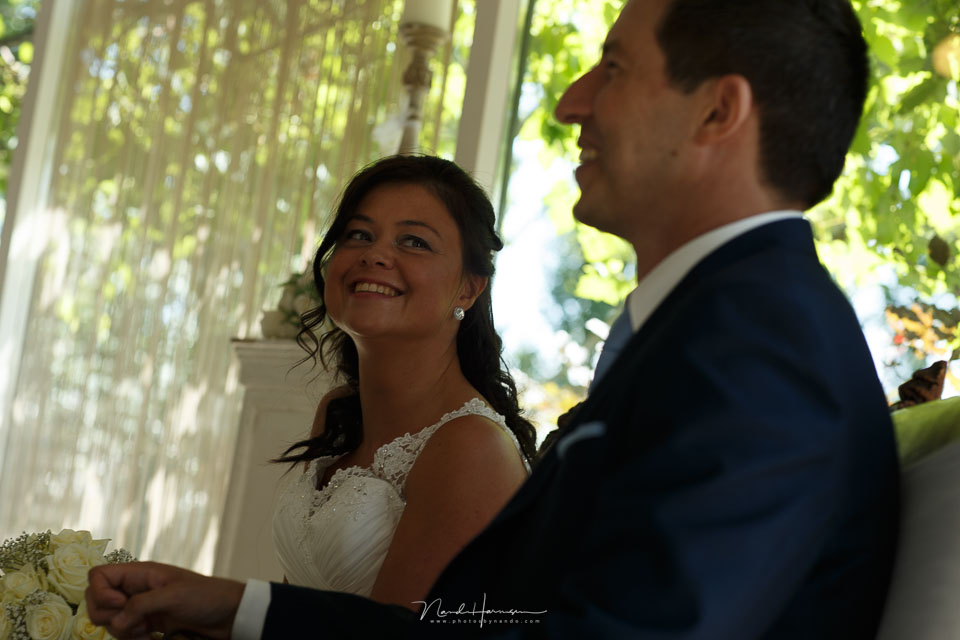
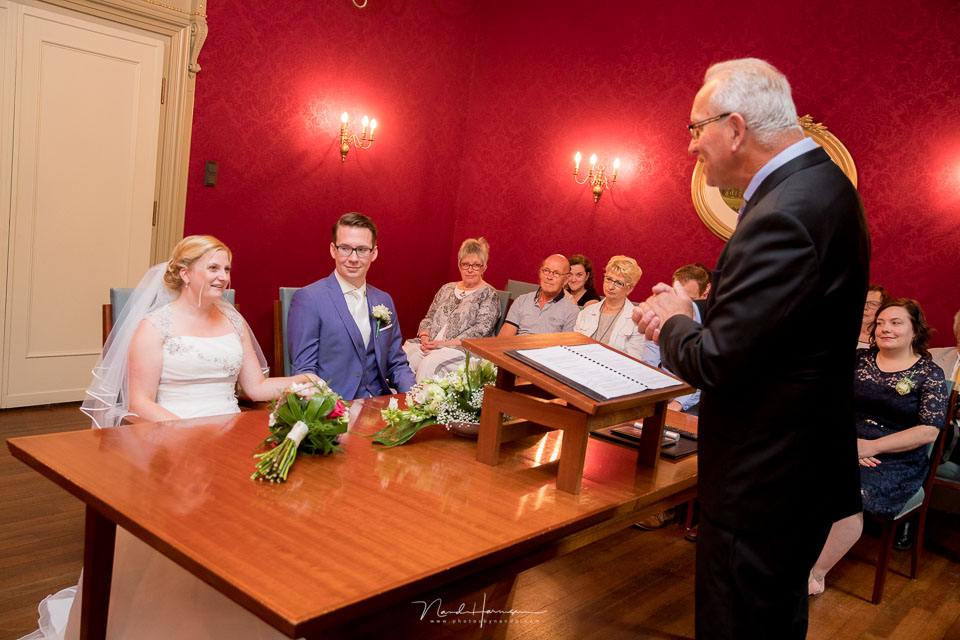
Do you think flash always produces an ugly result, and is that why you are a natural light photographer? Then it's time for a flash course, because good technique produces very natural, fantastic results.
And don't worry, when the existing light is fantastic, that flash can be switched off just as quickly. Use the best possible quality of light for your photo, isn't that what you want as a photographer? It makes no difference whether it is natural, existing, or flash light. Or a combination of the three.
How do you see yourself? Are you a natural light photographer, or are you not afraid to use flash when it adds something? Tell us about it in a comment below this post.
About the author
Nando Harmsen has been photographing for more than 40 years. He specialises in wedding photography and landscape photography. Nando also gives talks, workshops, masterclasses and photo trips, and regularly reviews new and interesting equipment.
You might also like
-
 Turn your flash into natural-looking light
by Nando Harmsen
-
 Flash photography tip: Put your flash outside
by Elja Trum
-
 Good results with an on-camera flash
by Nando Harmsen


14 comments
-
 hans wrote on Monday 7 November 2022 at 16:51 | reply
Well explained, clear and bright(light). Beautiful black/white photo of the bride by the window.
Translated from Dutch.
I enjoy reading all your articles, whether they are reviews or this kind of article, everything is good in terms of explanation, clear and understandable. -
 Mac wrote on Tuesday 8 November 2022 at 07:59 | reply
Light is light, it doesn't matter where it comes from as long as it's used properly.
Translated from Dutch.
I myself rarely use flash (and by rarely I mean maybe 1 or 2 times a year), because I prefer using existing light rather than adding flash. But that's just my way of photographing. -
 Martin Hermes wrote on Tuesday 8 November 2022 at 10:57 | reply
I always use flash and where necessary the flash is upright or angled you can assess for yourself whether you need no - a lot or little light and you can learn from your mistakes. Try flashing a Christmas tree with lights on and then without flash both handheld on automatic then you can see what a lot of light does to the object nicer or not you decide that yourself.
Translated from Dutch. -

 Donald Willemsen
wrote on Tuesday 8 November 2022 at 11:10
| reply
Donald Willemsen
wrote on Tuesday 8 November 2022 at 11:10
| reply
A good, clear and convincing story, Nando. I always prefer the use of existing light, but I have no problem at all with adding flash light in the form of, for example, a fill flash. There are examples where adding flash light is simply necessary for a good photo.
Translated from Dutch.
Suppose I am photographing in nature and my subject needs more light in the form of a fill flash. Then I find it terribly ugly when you can clearly see in the photo that flash light was used. To me, that comes across as unnatural. So the trick is that although you use flash light in nature, you still make it come across to the viewer in such a way that it is not noticeable that artificial light was used. You may also have to do some things in the editing to achieve that. -
 Jean-Pierre wrote on Tuesday 8 November 2022 at 11:14 | reply
I see myself as a natural light photographer...(but I do often use a fill flash, preferably with a large softbox or umbrella...)
Translated from Dutch. -
guest wrote on Tuesday 8 November 2022 at 11:32 | reply
I rarely use the flash, I always have trouble with the shadows that are created
Translated from Dutch. -
 Elja Trum
wrote on Tuesday 8 November 2022 at 11:38
| reply
Elja Trum
wrote on Tuesday 8 November 2022 at 11:38
| reply
@Guest; Yes, flash photography is something you have to put a bit more effort into. I just happened to write a whole book about it.
Translated from Dutch.
In my opinion, flash photography looks best when you can't tell that a flash was used. -
Jean-Pierre wrote on Tuesday 8 November 2022 at 11:41 | reply
@Elja: that's right, hence my softbox @Gast: with that you soften the shadows, brings out the subject when used properly, and makes the use of the flash virtually invisible...
Translated from Dutch. -
Donald Willemsen
wrote on Tuesday 8 November 2022 at 11:58
| reply
@gast. Your shadow problem can be solved in various ways.
Translated from Dutch.
1. Increase the distance between the subject and the background. That reduces the harshness of the shadow.
2. Use the flash off-camera with a softbox or umbrella on it, taking the flash-to-subject distance into account.
3. Use a reflector screen in combination with flash light. -
 P. Nees wrote on Tuesday 8 November 2022 at 14:24 | reply
I see many mistakes in the attached photos, provided they were taken by an amateur.
Translated from Dutch. -

-
 Slimpie wrote on Tuesday 8 November 2022 at 19:15
| reply
Slimpie wrote on Tuesday 8 November 2022 at 19:15
| reply
“Flash photography is at its best in my opinion when you can't see that a flash was used.“
Translated from Dutch.
Sometimes it's beautiful when you can see that a flash was used instead. Think for example of Bruce Gilden. -
 Wouter van Duin wrote on Wednesday 9 November 2022 at 00:20 | reply
There are people who like to use flash, and there are also people who don't want to. Of course, they don't always and everywhere make use of natural light. That term should be removed anyway. The opposite of flash light is not natural light, but available light. Flash light doesn't have to look unnatural at all. But yeah, there really are legions of photographers who would rather only concern themselves with available light.
Translated from Dutch. -
 H'jet wrote on Wednesday 9 November 2022 at 09:55 | reply
I also found the small light in the eyes important.. with just a tiny bit of fill flash or bounce flash.
Translated from Dutch.
The quality and atmosphere of the photo always come first.
Have your say
Please note: Articles older than a week can only be commented on by signed-in visitors.Would you still like to comment? sign in or create a free account.
Become a better photographer every week
A practical photography tip in your inbox every week.
39,024 photography enthusiasts already receive the tips! More about the weekly mail. Or keep up to date via  Facebook.

Elja Trum
Photofacts; everything to do with photography!
Would you like to take better photos and keep up with what is happening in photography? Photofacts publishes articles that teach you something about photography — from a product announcement to a practical shooting tip or a look at a website. Photofacts covers photography every day and is a hobby project of Elja Trum's that got out of hand. The articles are written by a team of volunteer authors. If you would enjoy writing one or more articles for Photofacts, do get in touch.More about PhotofactsPhotofacts is made possible in part by
