

Turn Your Most Successful Landscape Photo into Black and White
Friday 16 July 2021, 20:10 by Nando Harmsen | 5,547 views | 3 commentsThis article was translated from Dutch with the help of AI. Read the original.
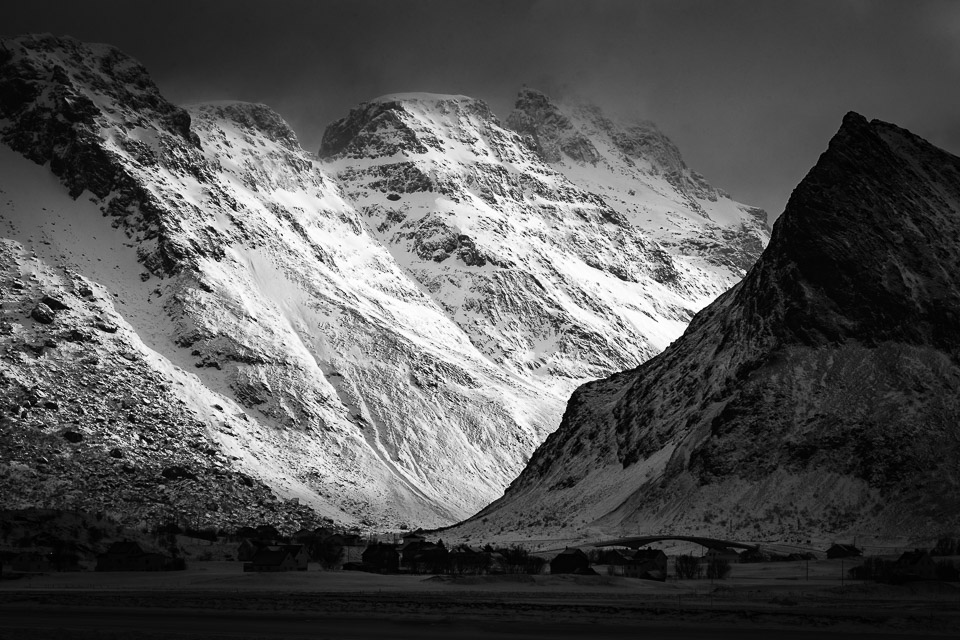
A landscape is photographed in colour nine times out of ten. Probably even more often. For many people, black and white is a kind of last resort when a colour photo disappoints. Yet it can be interesting to convert your most successful or atmospheric photo to black and white. Give it a try.
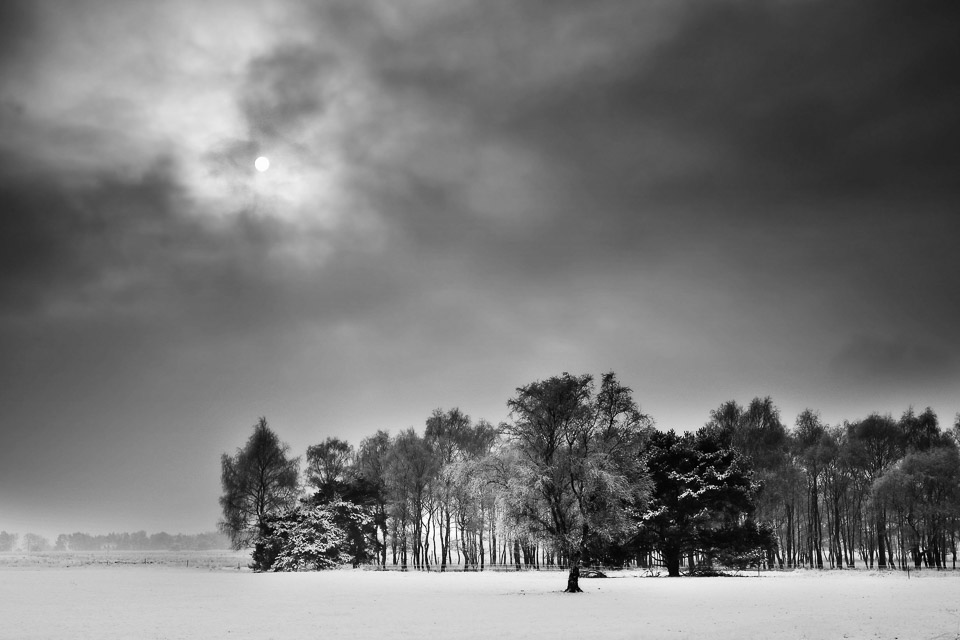
Generally, we prefer to take a landscape photo in colour. The colours of a sunrise, sunset or the blue hour are especially appealing. As a landscape photographer, you probably have a few fantastic, successful photos of moments like these.
I have a tip for you. Dive into your archive and look for your best landscape photos. This is usually very easy in Lightroom or Luminar if you have used stars or colours to rate them. Make a virtual copy of these photos, and try converting them to black and white.
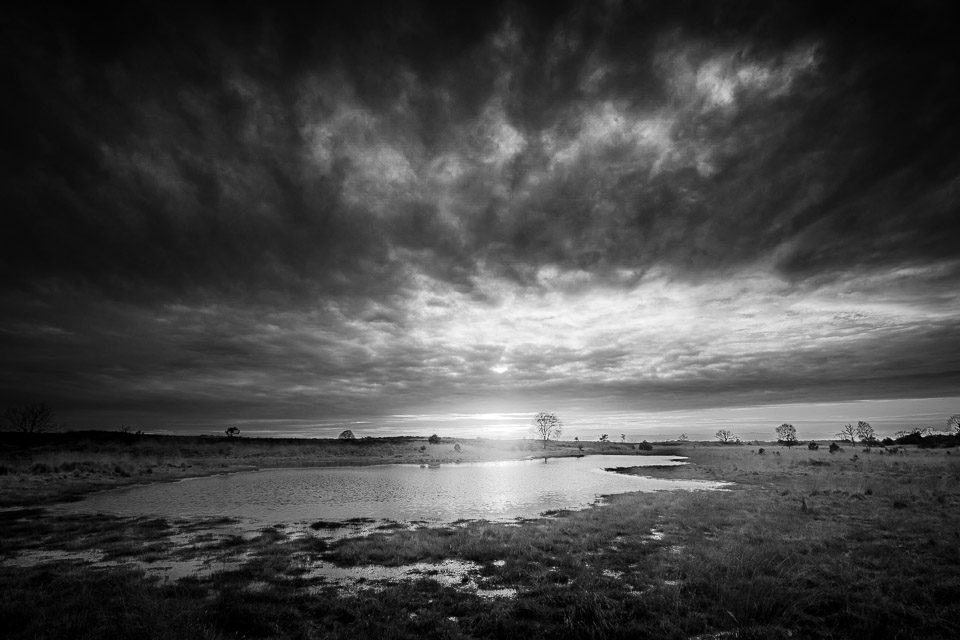
I don't mean simply converting it to black and white using the 'black and white' button in your editing software. That does not give you a black and white photo, but a photo with no colour left. That may sound like a strange claim, but it is less strange than you might think.
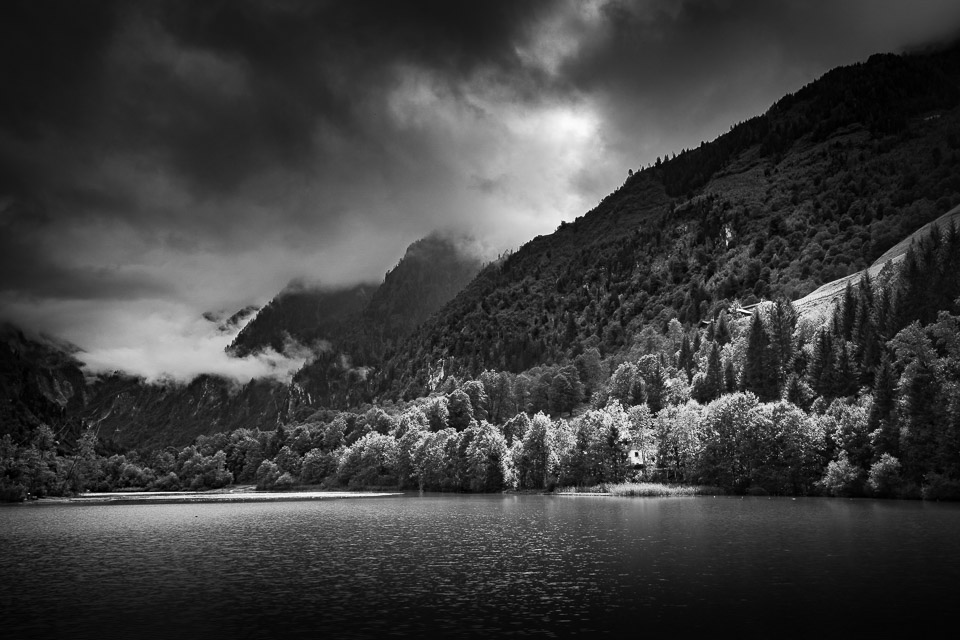
With black and white, you can make certain colours darker or lighter. In fact, you use colour to create a beautiful black and white conversion. The more you play with colours, the more unique your black and white photo can become.
That's not all. Next, optimise the contrast. Make sure your black and white photo contains more than just shades of grey, with genuinely dark and light tones too. Sometimes even pure black and pure white. Nothing is more important than good, suitable contrast in your black and white photo. If necessary, take a look at the world of Ansel Adams' zone system.
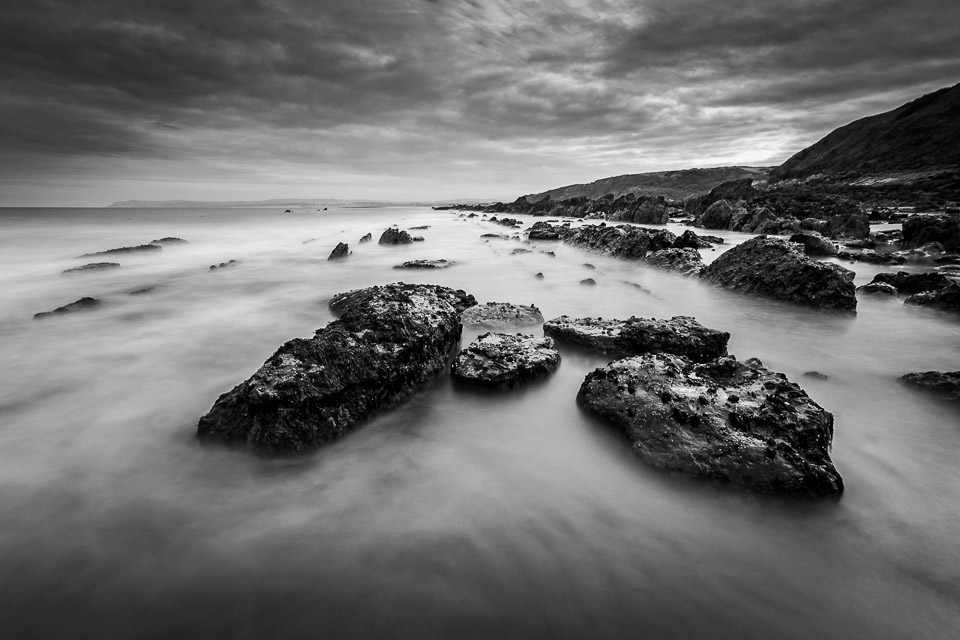
Take a look at the result you get. Who knows, the photo may speak to you even more than it did in colour. Or perhaps the photo disappoints simply because the colours have disappeared. In the latter case, take a critical look at the composition of your photo. Is the composition good? Or was the photo only successful because of the colours?
By diving into your archive and playing around with converting photos to true black and white, you learn not just to look at the structure of your photo, you also learn a lot about light. Where it comes from, where it goes and what draws your attention. After all, you are no longer distracted by colours.
About the author
Nando Harmsen has been photographing for more than 40 years. He specialises in wedding photography and landscape photography. Nando also gives talks, workshops, masterclasses and photo trips, and regularly reviews new and interesting equipment.
You might also like
-
 Where do you find your inspiration?
by Nando Harmsen
-
.jpg "Inspiration, essential for your photography!") Inspiration, essential for your photography!
Inspiration, essential for your photography!by Laura van der Burgt
-
 Review: Inspiration by Ap Dijksterhuis
by Erik van Rosmalen
-
 An inspiring trip to Lofoten, Norway
by Nando Harmsen
-
 Time for self-reflection
by Laura van der Burgt
-
 Increase Your Chances of Taking Successful Street Photos
by Huub Keulers
3 comments
-

 Piet van Kroonenburg
wrote on Saturday 17 July 2021 at 18:58
| reply
Piet van Kroonenburg
wrote on Saturday 17 July 2021 at 18:58
| reply
Beautiful photos accompanying an article that has really touched my heart. Photos that capture the essence of the story. B&W photography was called the university of photography in the analogue era and in my opinion that is still the case. B&W brings the essence of photography back, namely the subject and what do I want to tell with my photo!
Translated from Dutch.
Personally, I would rather call it grayscale photography because it is more than just black and white. I myself will always continue to photograph in colour, but in post-processing I use those colours as I would have used a yellow, orange or red filter in the analogue era. -
 Nando
wrote on Tuesday 20 July 2021 at 09:55
| reply
Nando
wrote on Tuesday 20 July 2021 at 09:55
| reply
@Piet:
Translated from Dutch.
Thanks for your response. The use of color filters is a subject that I find quite interesting. I wonder to what extent this can be imitated in post-processing. After all, with a filter you change the light before it reaches the sensor.
That is interesting to look into sometime, I think. -
 willyduvel wrote on Tuesday 20 July 2021 at 12:54 | reply
There is apparently a lot to do with such a conversion I myself don't do it that often (find it difficult and time-consuming) Have already once taken the photo first in effects (nikon 5600) and then converted it and that gives nice or weird results Cheers
Translated from Dutch.
Have your say
Please note: Articles older than a week can only be commented on by signed-in visitors.Would you still like to comment? sign in or create a free account.
Become a better photographer every week
A practical photography tip in your inbox every week.
39,078 photography enthusiasts already receive the tips! More about the weekly mail. Or keep up to date via  Facebook.

Elja Trum
Photofacts; everything to do with photography!
Would you like to take better photos and keep up with what is happening in photography? Photofacts publishes articles that teach you something about photography — from a product announcement to a practical shooting tip or a look at a website. Photofacts covers photography every day and is a hobby project of Elja Trum's that got out of hand. The articles are written by a team of volunteer authors. If you would enjoy writing one or more articles for Photofacts, do get in touch.More about PhotofactsPhotofacts is made possible in part by
