

Review: Fujifilm GFX-100 medium format camera
Friday 5 March 2021, 16:08 by Elja Trum | 4,702 views | 0 commentsThis article was translated from Dutch with the help of AI. Read the original.
The Fujifilm GFX 100 is an extreme camera. A medium format camera with a 102-megapixel sensor, image stabilisation and fast autofocus. I was able to use this camera for a few months. Here is my review of the GFX 100.
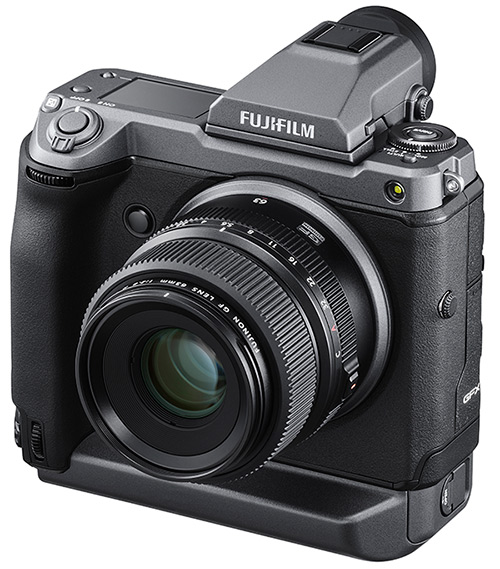
Fujifilm GFX-100 specifications
- 102-megapixel BSI-CMOS sensor (44 x 33 mm)
- 5-axis image stabilisation
- Sensitivity: 100 - 12,800 ISO (extended: 50 - 102,400)
- 16-bit RAW images
- 5 shots per second
- 4K video (30p)
- Phase detection on the sensor
- Removable viewfinder (OLED, 5.76 million dots)
- 2x SD card slots
- GF lens mount
- 2x battery (800 shots)
- 3.2-inch tilting screen (2.36 million dots)
- Weight: 1,400 grams
- Dimensions: 156 x 164 x 103 mm
In the hand
The first thing you notice about this camera is that it is huge. At least compared to a full-frame camera. Compared to other medium format cameras, it is actually quite compact.
At 1.4 kilograms, it is not a light camera, although it is lighter than a Nikon D6 or Canon 1D X. You notice that immediately when you pick it up. Despite this, the camera feels comfortable in your hand thanks to the pleasant grip. You can wrap your hand around it properly and have contact with the camera at all the important points.
At least as long as you use the standard grip. You can also turn the camera and use the portrait grip. That one is much less comfortable in the hand, though. Mainly because the grip is much smaller where your fingers go. The buttons are also in a slightly different position in this orientation. Inconvenient.
In practice, I hardly ever use the portrait grip, so it did not bother me. If you use the second grip regularly, this is something to bear in mind.
All in all, it feels like a very solid camera. You really have something in your hands. Many photographers find that more pleasant than a flimsy mirrorless camera.
Controls
I am not particularly enthusiastic about the camera's controls. Normally, I am very enthusiastic about Fujifilm's controls: you can set everything by feel using large dials.
With the GFX-100, Fujifilm moves away from this. This may make the camera more flexible to set up to your own taste, but it lacks that nice feeling of being able to set up the camera by touch. You first have to get to know the GFX-100 properly before you can operate it blindly.
Moreover, the dials can sometimes be turned accidentally and, especially the one on the back, you can sometimes press a dial by accident, which may cause a different screen to appear unexpectedly.
Menus
If you already use a Fujifilm camera, the GFX-100's menu will feel familiar. They are almost identical to those on the X-series cameras. The various functions are divided into tabs and you can navigate through them in several ways.
As a Canon user, I find those menus slightly more pleasant, but there is actually not much to criticise about the GFX-100's menus.
3 displays
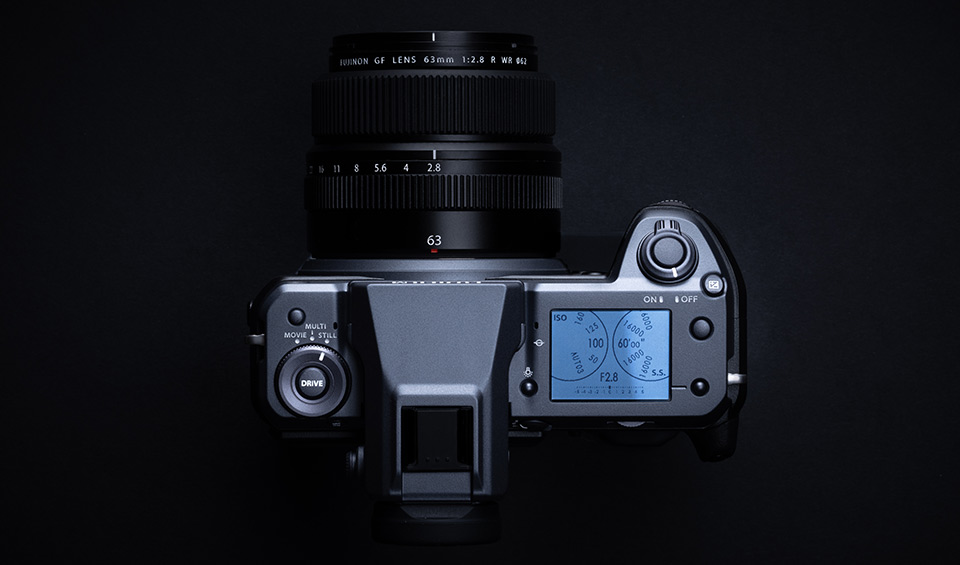
There are 3 displays on the camera. Obviously, there is the screen, which tilts in two directions, where you can view your photos and scroll through the settings.
There is also a small screen on top of the camera. You can use it to display various settings and camera information. Pressing the button next to it lets you switch between three different views. Two of them show settings and a third option displays a histogram.
This top screen stays on even when you turn the camera off, except when you choose the histogram, of course. Handy, because you can always see which settings your camera is using. For example, as soon as you take it out of your bag.
The third display is the odd one out. It is a long, narrow screen below the flip-out display. It is an LCD screen that only shows a monochrome image. You can adjust what it displays. I found it useful to be able to view the histogram live here.
The sensor
The GFX-100 contains a new 102-megapixel sensor. The sensor measures 44 by 33 millimetres, making it around 70 per cent larger than a full-frame sensor. There are also medium format cameras with even larger sensors, but this is already a sizeable sensor, of course.
If you compare it with the sensors in Fujifilm's APS-C mirrorless cameras, such as the X-T3, you would need four of these sensors to cover the same area.
Autofocus
The sensor has phase detection points. It is the first medium format camera with this feature and it helps considerably with focusing faster.
The autofocus is pleasantly quick, especially in sufficient light. When it gets darker, for example in a studio setting, the camera can struggle to focus.
Modern DSLRs and mirrorless cameras do focus faster than the GFX-100, but in many real-world situations I do not think you will notice the difference.
The GFX-100 also has EyeAF, which is very useful for portrait photographers. You can have the camera automatically focus on an eye in the frame.
This feature also works less well than on, for example, a Canon R5, but EyeAF often still helps with focusing.
When the autofocus cannot find the eye by itself, you can of course always set the focus point in the right place manually or choose to focus and compose.
Image stabilisation
With the built-in image stabilisation, the camera can compensate for around 5.5 stops of light. The GFX-100 was also the first medium format camera with in-body image stabilisation, and it is obviously a very useful feature when you take photos with the camera without a tripod.
More than studio and landscape
Medium format cameras are often seen as being really suitable only for portrait and landscape photography. The Fujifilm GFX-100 is actually quite versatile.
At 5 shots per second, it is quite fast. The camera also focuses fairly quickly and, for a medium format camera, it can be called compact. The in-body image stabilisation also makes the camera more flexible.
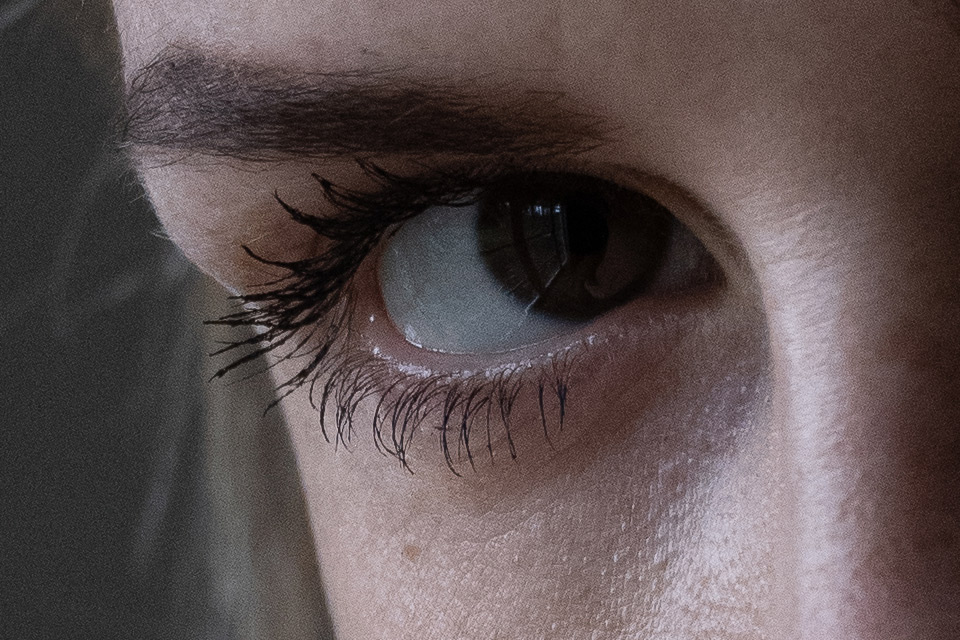
f/4, 1/125s, 1250 ISO @ 120mm
Image quality
Oh, this is why I fell so much in love with this camera. The quality of the photos it produces is so beautiful. The resolution, the dynamic range, the detail...
The photos are a joy to edit in Lightroom. You can recover a lot from the shadows and, with the huge resolution, you can crop quite heavily if needed. The high resolution also gives you plenty of options for removing imperfections.
The downside is that you need a powerful computer to edit the photos smoothly, and your hard drive can fill up faster than expected. The files are quickly around 80 to 100 megabytes each, compressed and lossless.
The huge resolution means that you also see movement in the image more quickly at 100 per cent. Fujifilm handles this nicely with the sensor's built-in image stabilisation. This means you do not necessarily need faster shutter speeds to guarantee absolute sharpness.
A clear advantage, especially because other medium format cameras do not offer this. You can simply take handheld photos with this camera and do not always need a tripod to get sharp photos.
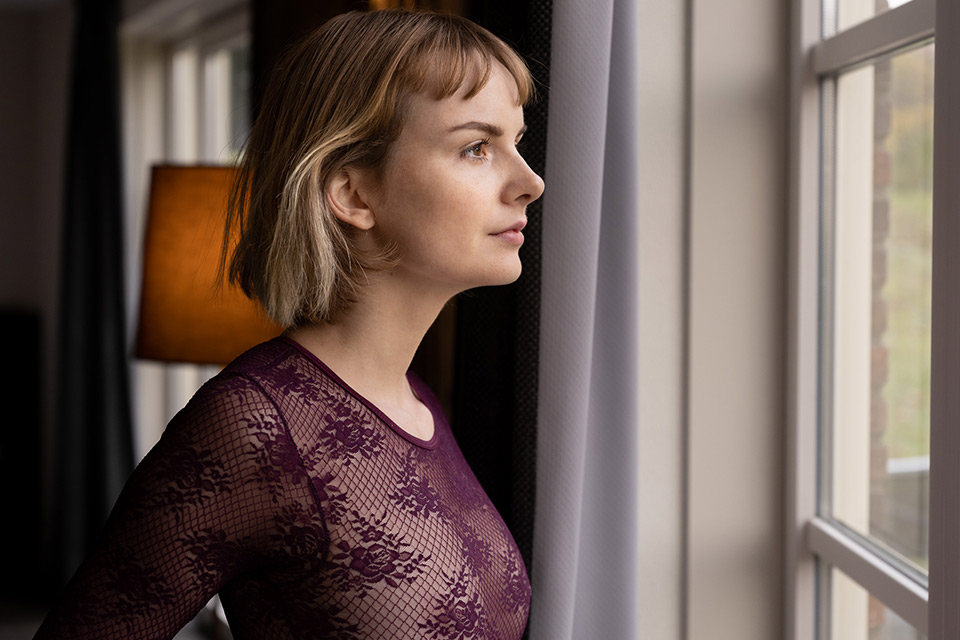
Are you curious to see what a RAW file looks like? Download the RAW file of the edited photo above and try it yourself in your favourite RAW editor.
» Download Fujifilm GFX-100 RAW file (116 MB)
Price
The Fujifilm GFX 100 comes with a hefty price tag. The camera costs 10,999 euros in shops. That is a lot of money, but for a camera like this it is actually a bargain.
There is only one camera that offers a 100-megapixel sensor for less money: the recently announced Fujifilm GFX-100S.
The 100S offers the same 102-megapixel sensor in a more compact body and at an actually extremely low price of 5,999 euros. The 100S is due to appear in shops this month. It may therefore be worth waiting.
Conclusion
The Fujifilm GFX-100 is absolutely an impressive camera. I was sorry to have to return my review sample.
The GFX-100 gives you the resolution and image quality that you cannot get from any full-frame camera. At a relatively affordable price.
Unlike most medium format cameras, the GF-100 is also highly versatile. Not directly for a sports photographer, but a wedding or even a street photographer could make good use of its capabilities.
If the size, weight and price are not too much of a drawback for you, the Fujifilm GFX-100 is highly recommended. Personally, though, I would now go for the GFX-100S. Even though I have not yet been able to try that one out in practice.
The biggest drawback of this camera, in my opinion, is the handling. With other Fujifilm cameras, this is always sublime, with the retro controls working really well in practice. Unfortunately, this pleasant way of taking photos is missing from the GFX-100.
It is still perfectly usable, of course, but you miss some of the enjoyment that those physical controls provide.
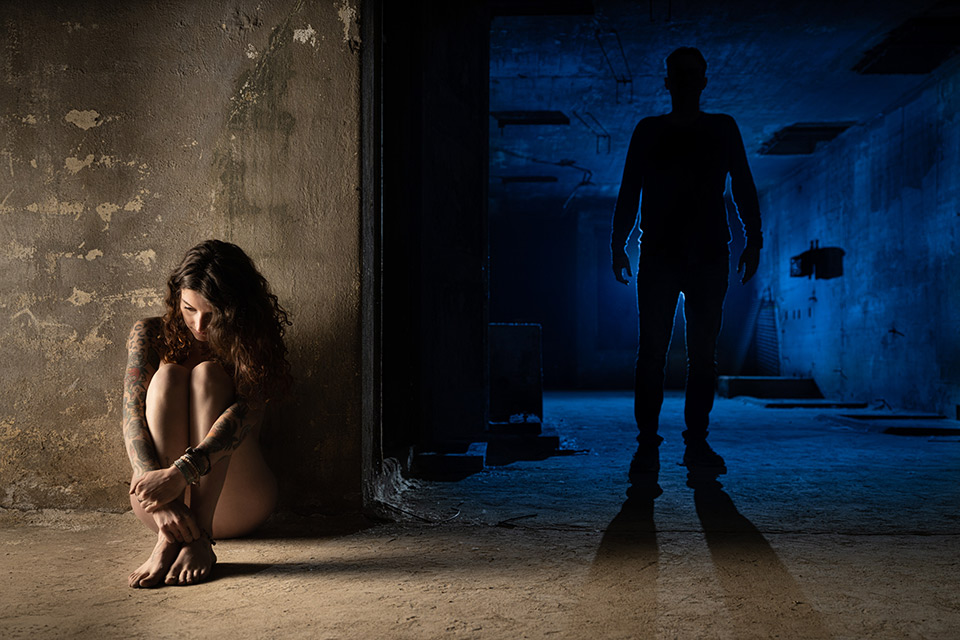
f/5, 1/125s, 250 ISO @ 46mm
More reviews
Want to read more about the Fujifilm GFX-100?
Here are a few reviews by others.
- Fujifilm GFX-100 review by Nando Harmsen (Dutch)
- Fujifilm GFX-100 review by DP Review
- Fujifilm GFX-100 review by Sansmirror
- Fujifilm GFX-100 review by Digital Camera World
- Fujifilm GFX-100 review by Ken Rockwell
- Fujifilm GFX-100 review by Photography Life
About the author
Elja Trum is the founder of Photofacts and online photography course website Photofacts Academy. He has been writing about photography since 2006. Elja is also the author of (Dutch) books on composition, black-and-white photography, flash photography and portrait photography.
You might also like
-
 Review: Fujifilm GFX 100S II medium format camera
by Elja Trum
-
 Fujifilm introduces the GFX100 II medium format camera
by Nando Harmsen
-
 Fujifilm GFX50S II medium format camera announced
by Nando Harmsen
-
 Fujifilm announces the GFX-100S
by Nando Harmsen
-
 Fujifilm GFX 100 RF announced
by Elja Trum
-
 Review: Fujifilm X-T50
by Nando Harmsen
0 comments
Be the first to share what you think!
Have your say
Please note: Articles older than a week can only be commented on by signed-in visitors.Would you still like to comment? sign in or create a free account.
Become a better photographer every week
A practical photography tip in your inbox every week.
39,083 photography enthusiasts already receive the tips! More about the weekly mail. Or keep up to date via  Facebook.

Elja Trum
Photofacts; everything to do with photography!
Would you like to take better photos and keep up with what is happening in photography? Photofacts publishes articles that teach you something about photography — from a product announcement to a practical shooting tip or a look at a website. Photofacts covers photography every day and is a hobby project of Elja Trum's that got out of hand. The articles are written by a team of volunteer authors. If you would enjoy writing one or more articles for Photofacts, do get in touch.More about PhotofactsPhotofacts is made possible in part by
