

Review: Canon RF100-400mm f/5.6-8 IS USM
Friday 12 August 2022, 14:14 by Nando Harmsen | 9,236 views | 0 commentsThis article was translated from Dutch with the help of AI. Read the original.
A 100-400mm zoom range is very versatile. It is suitable for wildlife, sports and landscape photography. For Canon mirrorless cameras, you were limited to the more expensive lenses. Now there is the RF100-400mm f/5.6-8 IS USM, and this is the review
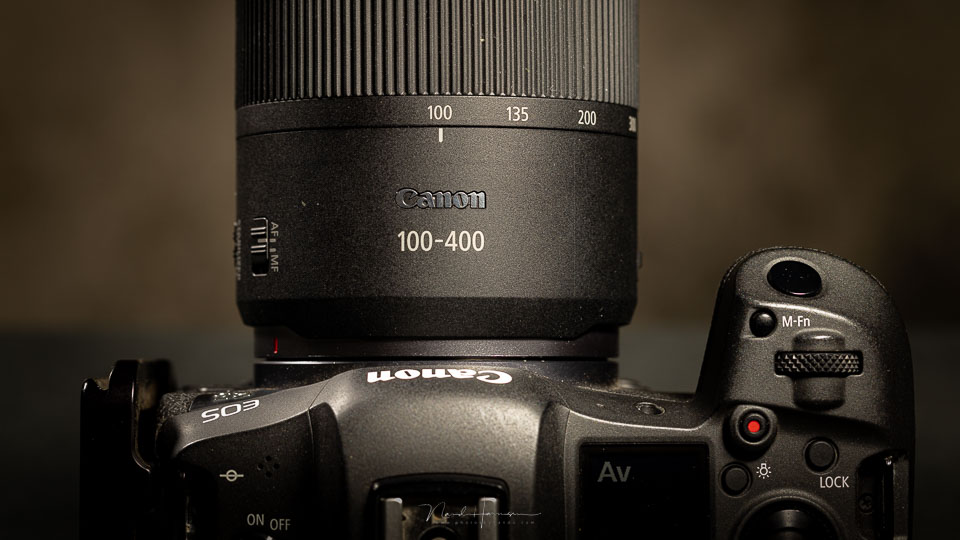
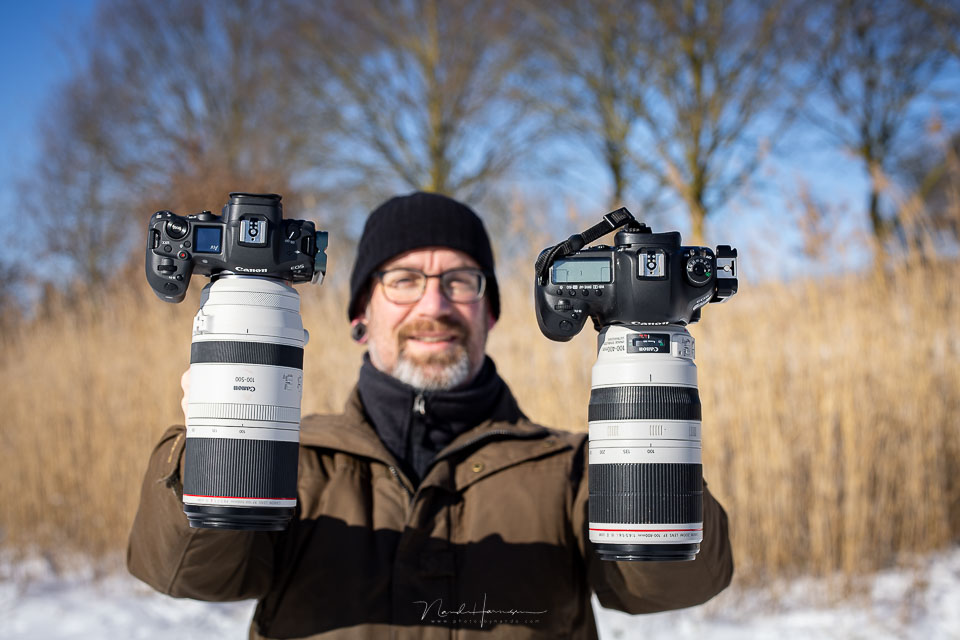
The RF100-500mm f/4.5-7.1L IS USM is a fantastic lens. After my review, I decided to make it part of my photography kit. There are a few things you could consider disadvantages. The lens is heavy, large and not cheap.
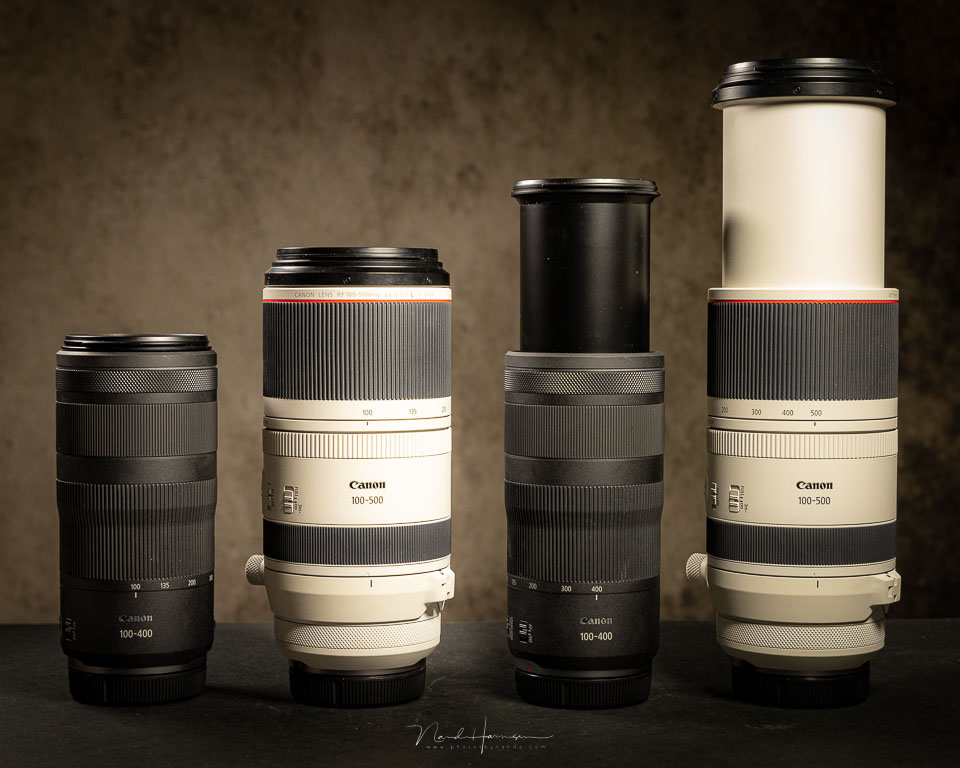
The RF100-400mm f/5.6-8 IS USM now brings this zoom range within reach of photographers who either cannot afford the larger sibling of this lens, or simply do not want to carry around the size or weight of the RF100-500L.
The RF100-400 has an introductory price of 699 euros, which is very attractive. For comparison, the RF100-500L costs more than 3000 euros. Besides the difference in zoom range and aperture, you also give up some image quality. But less than you might expect.
Appearance and construction
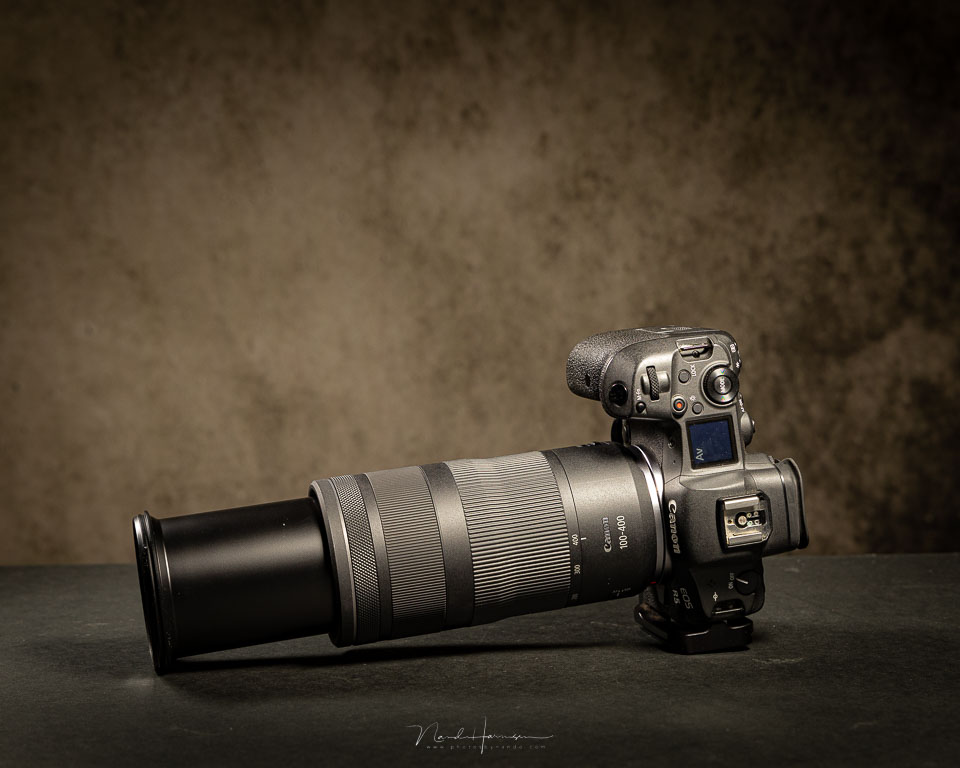
The RF100-400 is a very compact and light lens. It is only 16.5 centimetres long and weighs no more than 635 grams. The lens extends considerably when zooming in, increasing its length by 7.6 centimetres.
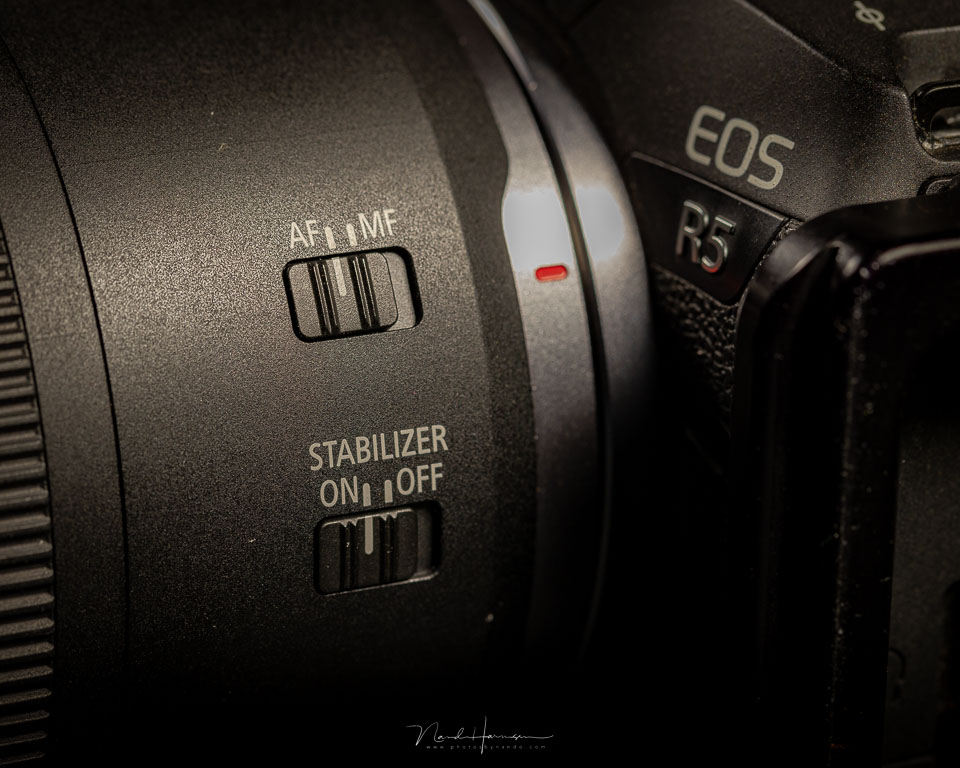
The zoom ring is wide and turns smoothly. Further towards the front, you will find the focus ring and the control ring. The lens has three switches, one for autofocus, one for image stabilisation, and a lock switch to prevent the lens from extending unintentionally.
The RF-100-400 can also be used with the 1.4x and 2x teleconverters. This will considerably increase the focal lengths. The disadvantage is the maximum aperture you then have to deal with.
The 1.4x teleconverter is still manageable, as you then have f/8-f/11. But the 3x teleconverter will result in f/11-f/16, which is not very practical. I think an RF600mm or RF800mm would be a better choice in that case.
With the Canon R7 and R10, you have the advantage of the crop factor. On these cameras, the RF100-400 provides an angle of view equivalent to 160-640mm, with a maximum aperture of f/5.6-f/8. If you need a long focal length, such a camera is worth considering.
Image quality
For a lens of this calibre, you cannot expect to achieve perfect image quality. For that, you need to invest in the more expensive RF100-500L. But that does not mean that the RF100-400 delivers poor image quality.
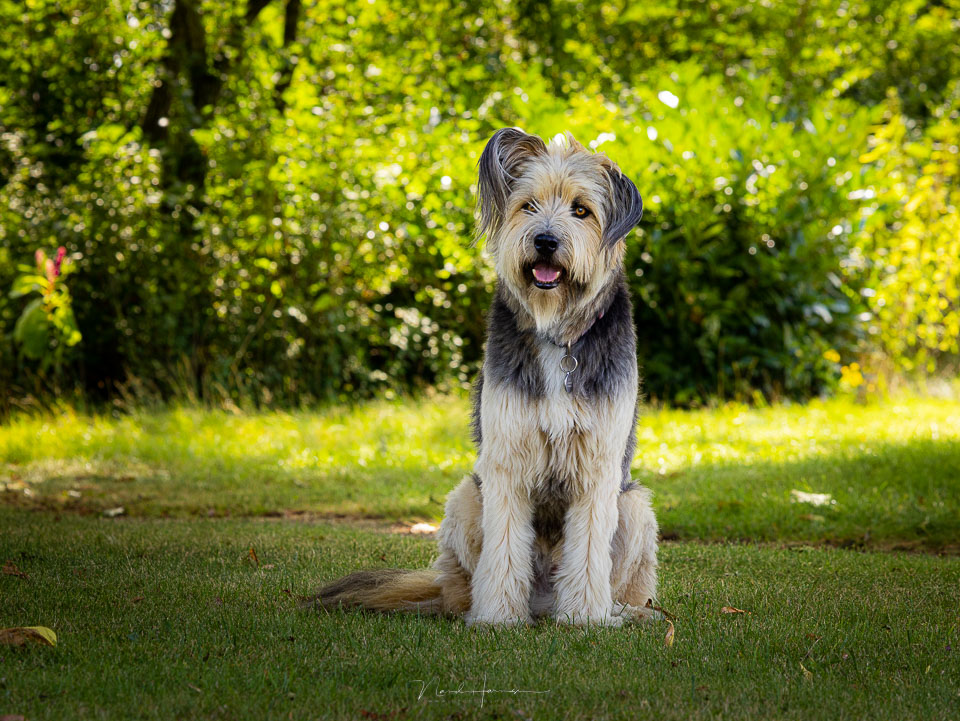
The lens produces reasonably good sharpness, particularly in the centre of the image. Although stopping down often increases sharpness, you have little room to do so with this lens. Diffraction starts to occur quickly, although this often only becomes visible when you compare photos directly with each other.
The edges of the photo show less sharpness than the centre, which is to be expected. In general, this is not much of a problem if you use this lens for wildlife photography. For landscape photographers who want plenty of sharpness across the entire image, it can be more noticeable.
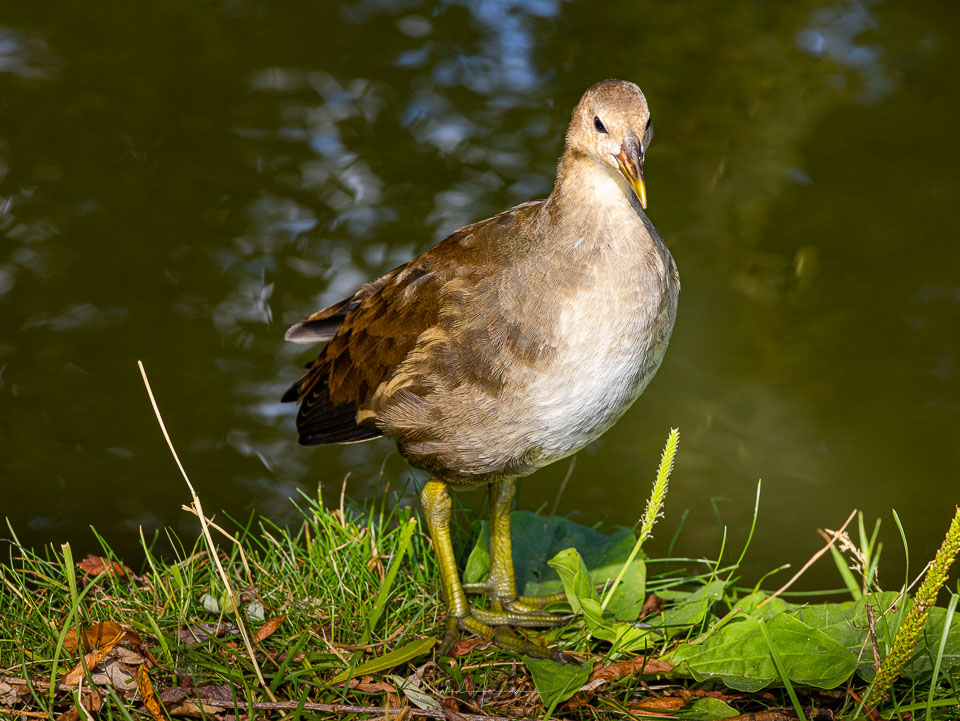
Vignetting is present, but is generally removed perfectly by the image correction in the camera, and in software. Vignetting generally has no adverse effects, and it often helps to keep attention more towards the centre of the image.
The maximum aperture of the RF100-400 ranges from f/5.6 to f/8. This means that the lens is not very light-sensitive, so in dark situations you will soon need to use a higher ISO.
In general, f/8 is still perfectly usable. After all, we often use a fast lens at f/8 for well-known reasons. If your shutter speed becomes too slow, image stabilisation will help you. The lens can provide up to 5.5 stops of stabilisation.
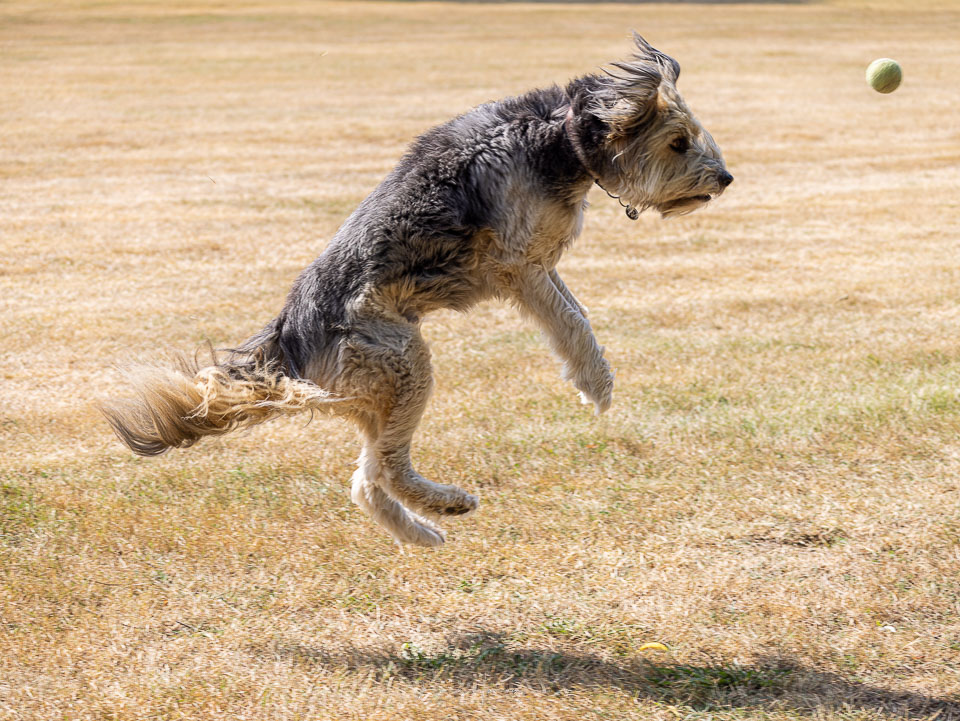
Using it in practice
Ultimately, it is all about using it in practice. The compact size and low weight are very convenient. You can take the lens with you more easily. The low weight can be a disadvantage when keeping your camera steady. More weight is often more stable.
The images from the RF100-400 look good, especially with the image corrections built into the cameras. They correct barrel distortion, pincushion distortion and vignetting effectively. The autofocus works quickly and silently, making it easy to follow fast-moving subjects.

Do make sure your shutter speed is fast enough for action photography, as f/8 will quickly lead to a slower shutter speed in dark weather conditions. Although f/8 may seem like a small aperture, compared with the more expensive lenses this is only 1 stop less light.
The RF100-400 can focus from as close as 88 centimetres. The magnification achieved in that case is no less than 0.41x. This also makes the lens very suitable for (semi-)macro shots of flowers, butterflies and amphibians, for example.

Conclusion
The RF100-400 is a wonderful lens for photographers who want a substantial zoom range. The advantage of this lens is not just its low weight and compact size, but certainly also its price.
The consequence of all these advantages is that the lens cannot deliver the quality offered by the more expensive versions. For normal use, this lens will perform very well. The image quality is simply good, so you do not need to worry that your images will disappoint you.
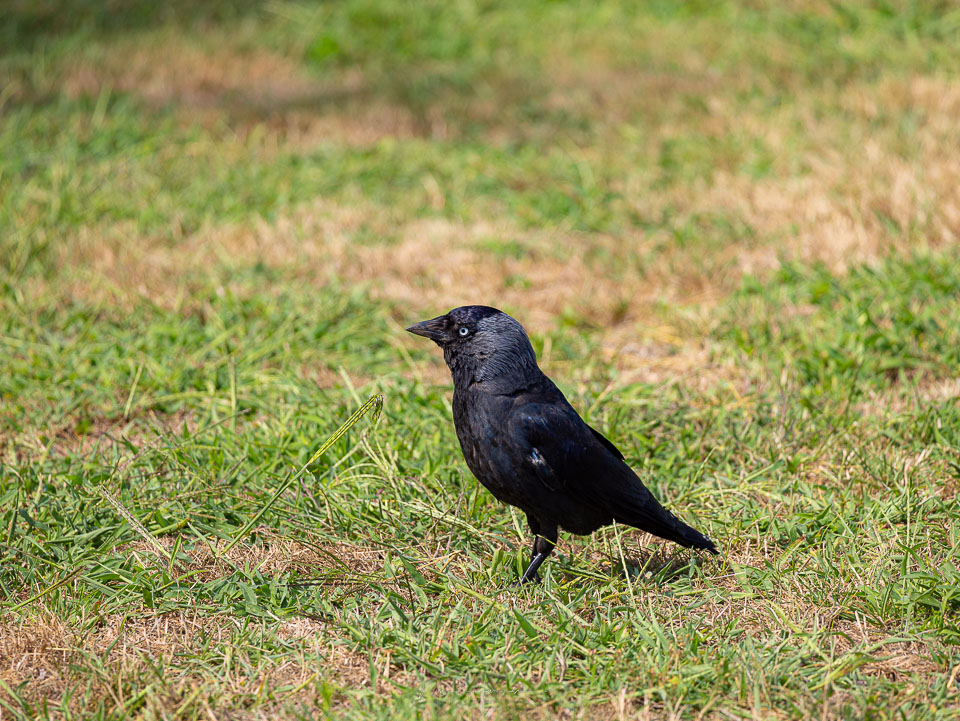
As for the aperture, you do not need to worry about it too much. Newer generations of mirrorless cameras perform well at higher ISO values, so the one stop less light you get with this lens compared with the more expensive versions is easily compensated for with ISO.
If you are looking for an affordable lens for wildlife, landscapes and semi-macro photography, I can recommend the RF100-400.
Pros
- Compact and lightweight
- Low price
- Image stabilisation up to 5.5 stops
- Good image quality
- Can be combined with the 1.4x and 2x teleconverters
- Short minimum focusing distance with magnification up to 0.41x
Cons
- Not very light-sensitive
- Lens hood not included
- No tripod collar option, not even as an accessory
- Stopping down quickly brings you up against the diffraction limit
Alternatives
Naturally, the first lens that comes to mind as an alternative is the RF100-500mm f/4.5-7.1L IS USM. It performs better, but the price is also four times higher. In addition, the increase in weight and size should not be underestimated.
Other options include the EF100-400mm f/4-5.6L II IS USM, with an adapter to use it on Canon's mirrorless cameras. The quality of this lens is outstanding, but here too, the increase in weight and size applies. You lose the compactness offered by the RF100-400.
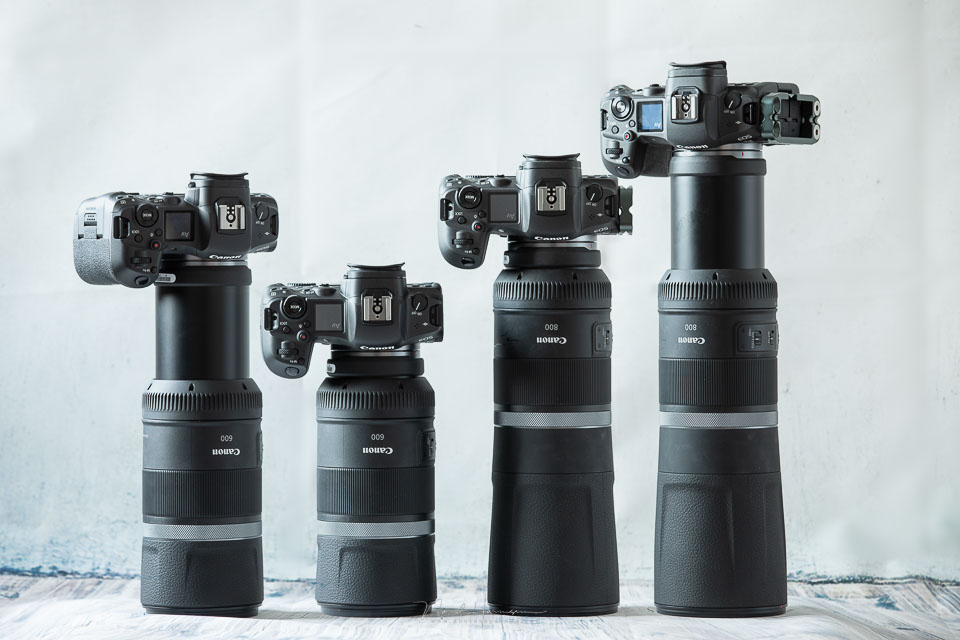
If you only need the telephoto range, the RF600mm f/11 is an option, or even the RF800mm f/11 if 600mm is not enough. I also extensively tested these lenses after they came onto the market. The only disadvantage is that you lose the ability to zoom in and out.
Do you have a little patience? According to the rumours, an RF 150-600mm is on the way, but it is uncertain when. Of course, you can also use the Sigma and Tamron 150-600mm lenses, with an adapter, as an RF version of these lenses does not yet exist.
Many thanks to Canon Nederland for making this lens available.
About the author
Nando Harmsen has been photographing for more than 40 years. He specialises in wedding photography and landscape photography. Nando also gives talks, workshops, masterclasses and photo trips, and regularly reviews new and interesting equipment.
You might also like
-
 Review: Canon RF100-500mm f/4,5-7,1L IS USM
by Nando Harmsen
-
 Review: Canon RF 100-300mm f/2.8L IS USM
by Nando Harmsen
-
 Review of the Canon RF 600 and RF 800 Telephoto Lenses
by Nando Harmsen
-
 Wildlife photography and switching to mirrorless
by Evert Doorn
-
 Review: Canon EOS R3
by Nando Harmsen
0 comments
Be the first to share what you think!
Have your say
Please note: Articles older than a week can only be commented on by signed-in visitors.Would you still like to comment? sign in or create a free account.
Become a better photographer every week
A practical photography tip in your inbox every week.
39,079 photography enthusiasts already receive the tips! More about the weekly mail. Or keep up to date via  Facebook.

Elja Trum
Photofacts; everything to do with photography!
Would you like to take better photos and keep up with what is happening in photography? Photofacts publishes articles that teach you something about photography — from a product announcement to a practical shooting tip or a look at a website. Photofacts covers photography every day and is a hobby project of Elja Trum's that got out of hand. The articles are written by a team of volunteer authors. If you would enjoy writing one or more articles for Photofacts, do get in touch.More about PhotofactsPhotofacts is made possible in part by
