

Review of the Canon RF 600 and RF 800 Telephoto Lenses
Friday 5 February 2021, 16:32 by Nando Harmsen | 8,169 views | 4 commentsThis article was translated from Dutch with the help of AI. Read the original.
Canon has two very special lenses for its mirrorless cameras: the RF 600mm and RF 800mm telephoto lenses. They put an extremely long focal length within reach.
You do have to bear in mind that they have an aperture of f/11. The question is: how useful are these lenses?

We all know them. Canon's extreme telephoto lenses. The huge white lenses that weigh many kilos and cost a small fortune. They are exceptionally good and deliver fantastic results. But they are not exactly easy to carry around or use handheld.
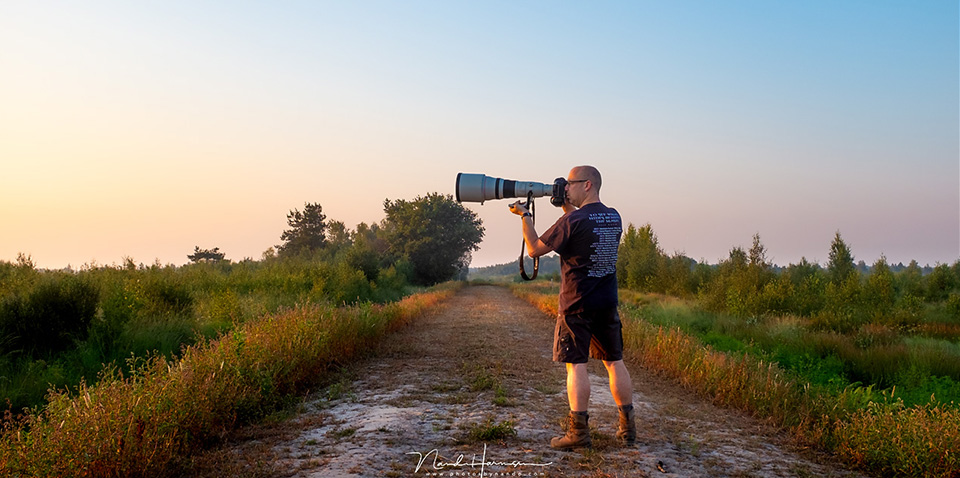
The advantages of those large telephoto lenses are of course the fantastic image quality and the relatively large apertures, which make using them in poorer light easy.
The disadvantages are the weight and size. And the price. You will soon have to pay 14,000 euros for a Canon EF 800mm f/5.6L IS USM.
The new RF 600mm and RF 800mm are an answer to the disadvantages of the large white 'telephoto tubes', as they are sometimes called. The RF 600mm and RF 800mm are relatively small and light, and therefore very portable. You can put them in your camera bag and easily walk around with them all day. If necessary, with both of them.
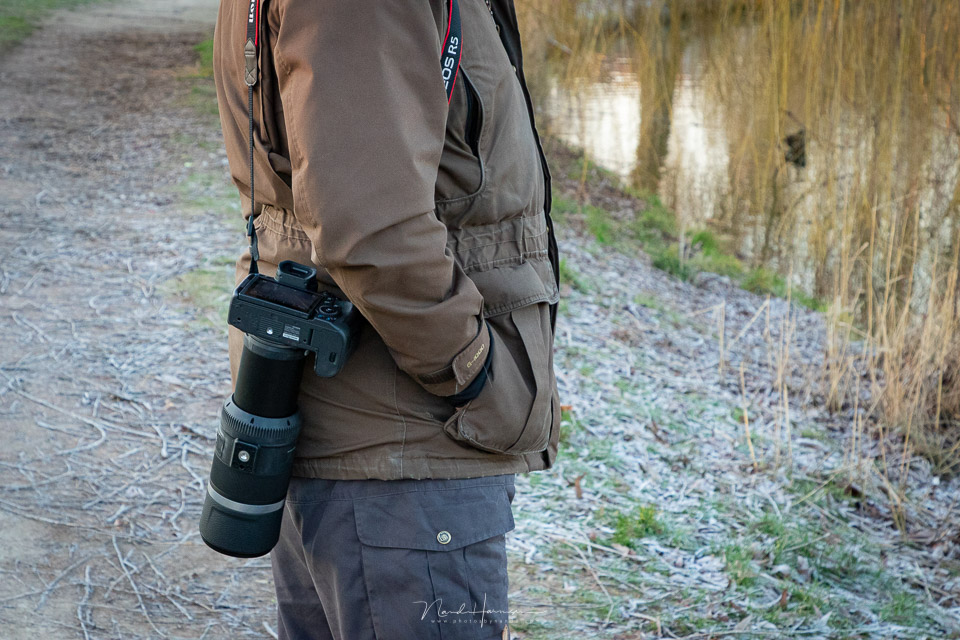
Of course, there is a catch. That portability comes with a trade-off. To keep them so compact, with the corresponding low weight, these two lenses have an aperture of f/11.
By this I also mean that they have an aperture of only f/11. There is no aperture mechanism. This absence has partly contributed to the low weight.
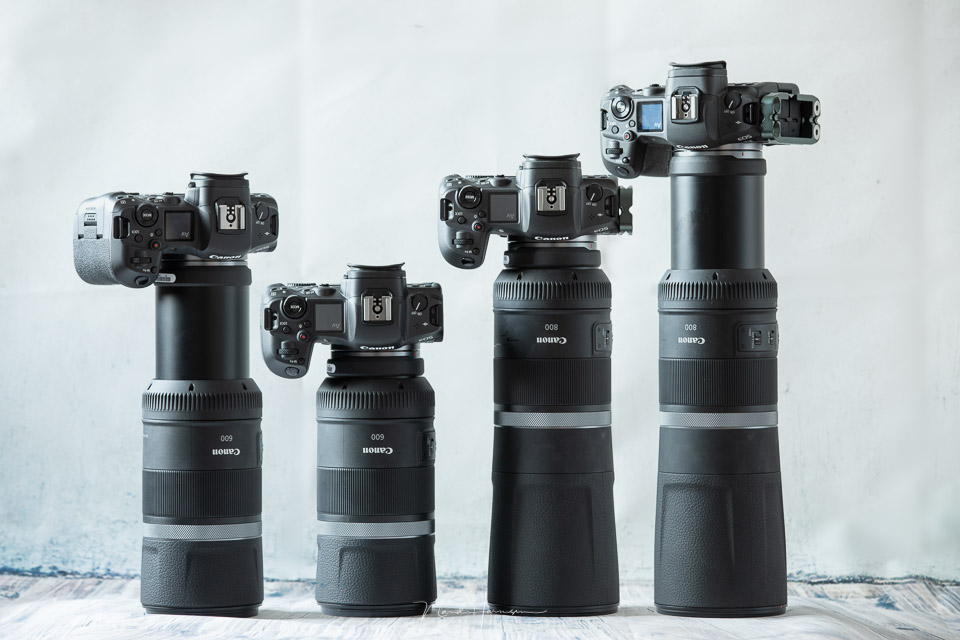
There is something else going on with these two lenses. They can be collapsed, which makes their physical length considerably shorter. It is a very clever system that makes these lenses quite special.
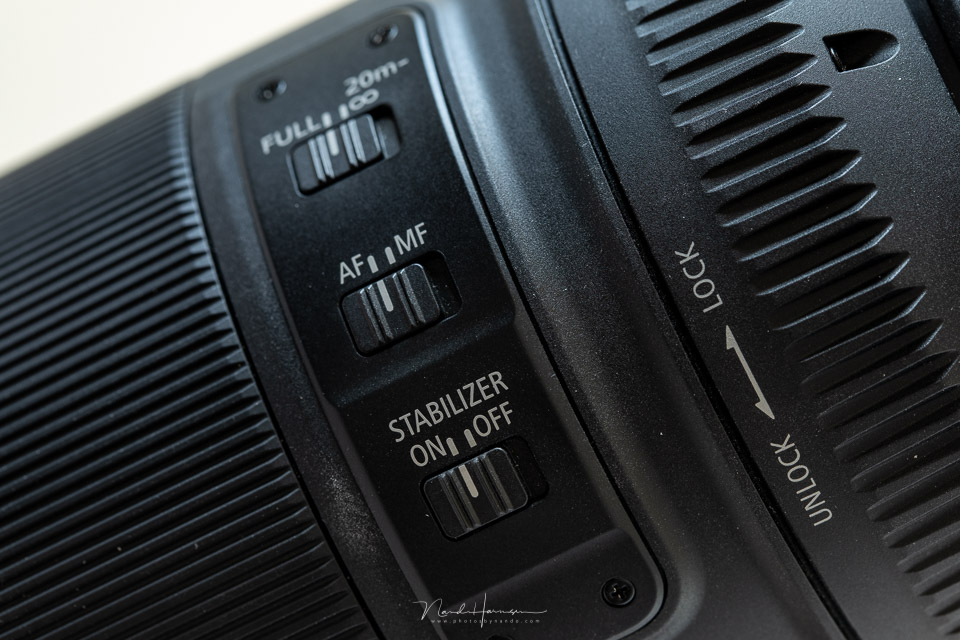
Fortunately, the RF 600mm and RF 800mm have image stabilisation, which is certainly no unnecessary luxury at these focal lengths. Combined with the built-in image stabilisation of the Canon EOS R5 and EOS R6, you get as much as 8 stops of stabilisation. As the aperture is f/11, you can certainly use every extra stop.
Although image stabilisation is available, you cannot switch it between normal operation and panning, where stabilisation in the horizontal direction is disabled. It is simply on or off.
What does an aperture of f/11 mean?
Canon Nederland provided me with the RF 600mm and RF 800mm to test, but the dark days of January and February are unfortunately not ideal for these lenses.
Because of the very small aperture of f/11, you need a lot of light to get a sufficiently fast shutter speed. If you want to photograph animals, you certainly need that.
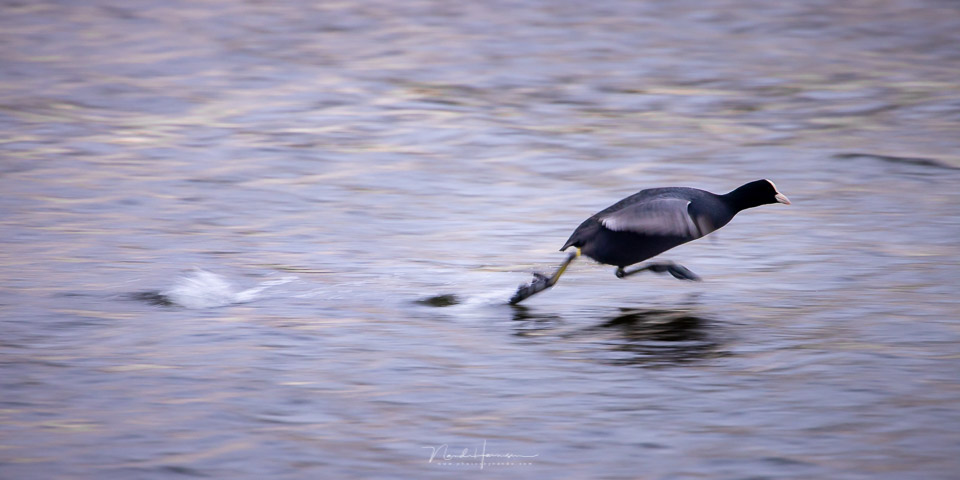
On a sunny, cloudless day, according to the f16 rule, the shutter speed at f/16 will be one divided by the ISO value. If you set the camera to ISO100, the shutter speed will be 1/100 sec. At f/11, that will be 1 stop faster, giving you 1/200 sec.
Another guideline is one divided by the focal length as the minimum shutter speed for handheld photography. With the RF 600mm, that means at least 1/600 sec, and with the RF 800mm as much as 1/800 sec.
You understand that this is many times faster than 1/200 sec at f/11 on a sunny day. Image stabilisation is therefore essential. OR you have to increase the ISO value.
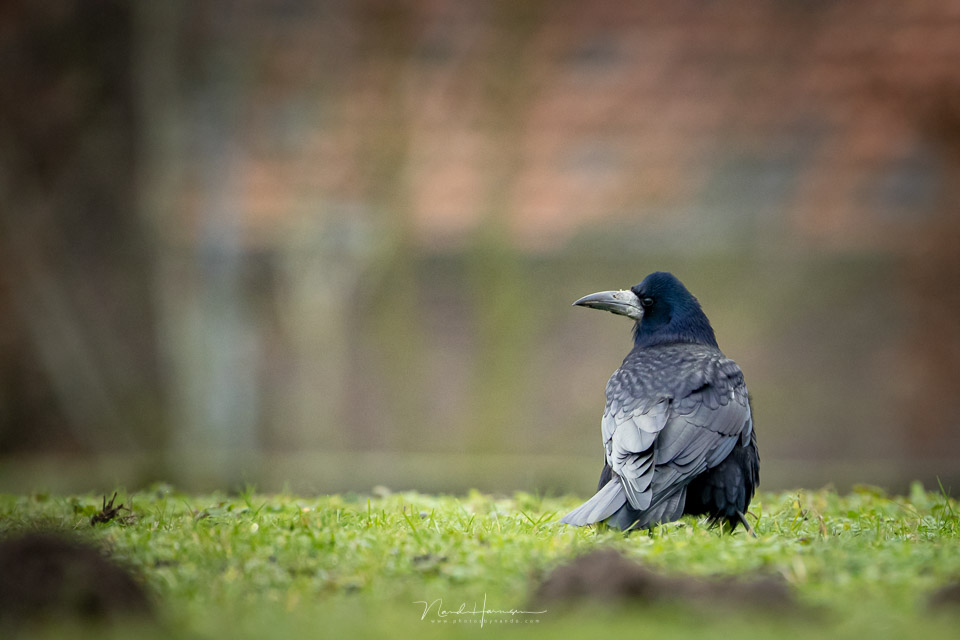
In dark weather conditions, you will soon need to increase the ISO value considerably. During the time I was able to photograph with these two lenses, I often needed ISO1600 or more, while I had set 1/125 sec as the slowest shutter speed.
That is actually already too slow in my opinion, especially with focal lengths of 600mm or 800mm. Even with image stabilisation, and certainly with moving animals.
The advantages of these lenses
With the RF 600mm and RF 800mm, you have to rely on a combination of image stabilisation and high ISO values. These are the consequences of a light and relatively small telephoto lens.
That low weight does mean that these lenses are very easy to take with you, and that walking around with them is no problem. To give you an idea, the RF 800mm even weighs less than a 70-200mm lens with an aperture of f/2.8.
Another advantage of these lenses is the price. By leaving out an aperture unit, complex image stabilisation options and because of the f/11 aperture, the RF 800mm costs a little over 1,000 euros and the RF 600mm around 800 euros. That may still seem like a lot, until you compare it with a Canon EF 800mm f/5.6L, which will cost well over ten thousand euros
Although the use of these lenses is somewhat limited to normal daylight situations, these lenses are in fact gems. They put extremely long focal lengths within everyone's reach.
Using them in practice
The first thing I noticed was that both lenses block the camera when they are not extended. In other words, you cannot change any settings before putting the lens into the shooting position and locking it.
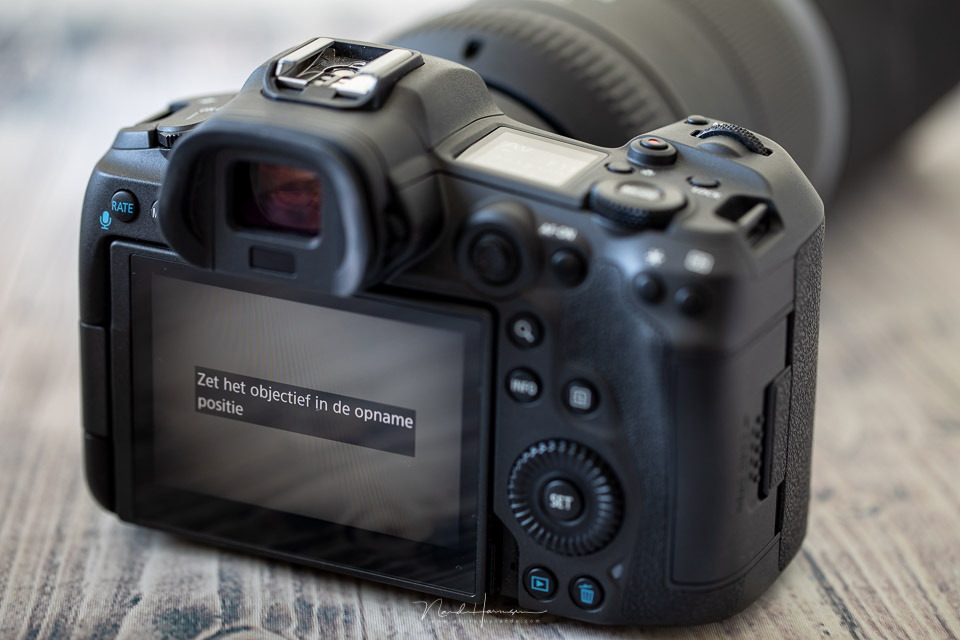
It is good that not locking the lens prevents a photo from being taken, but completely blocking the camera is excessive, I think.
It would have been nice if setting the ISO, autofocus or other menu options had simply been possible. On the other hand, it is not a disaster. You just have to bear it in mind.
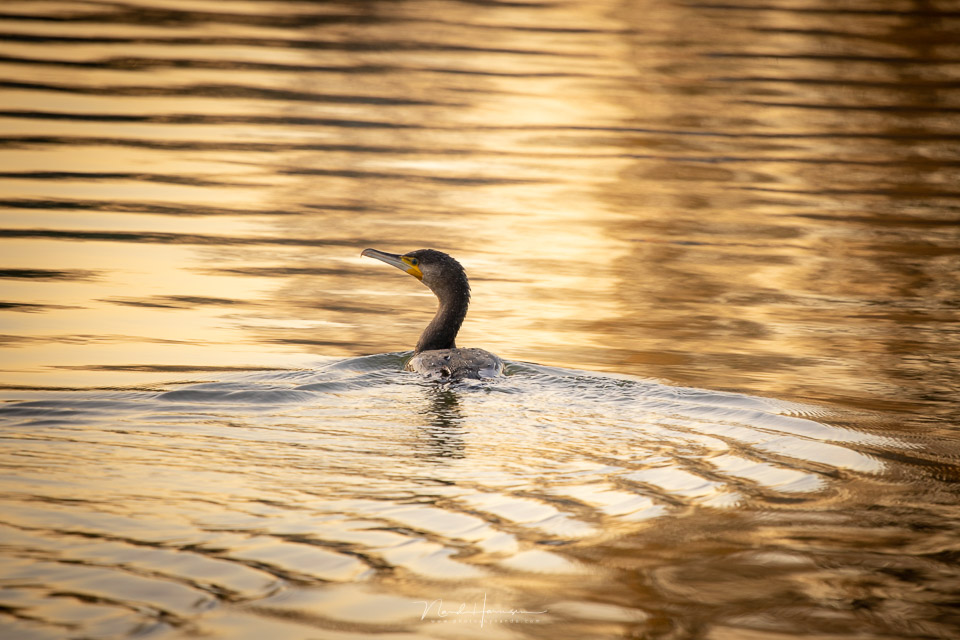
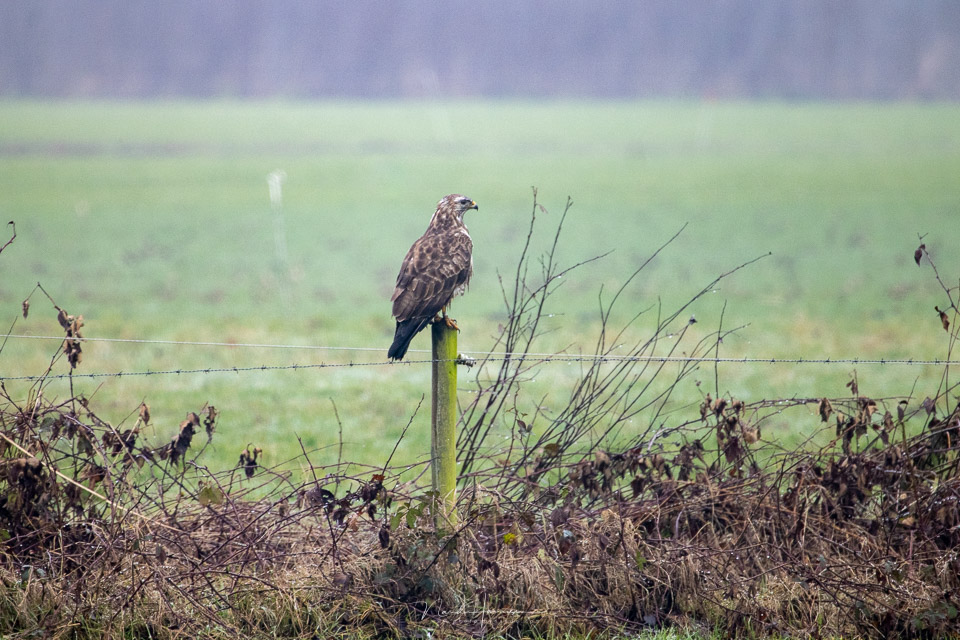
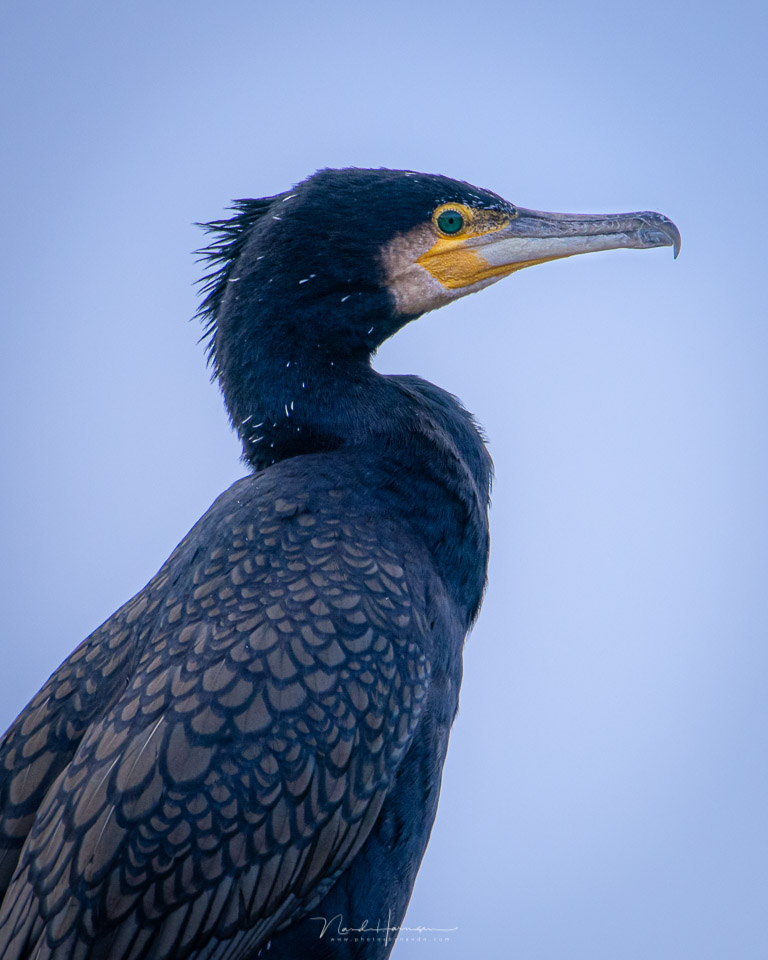
I used both lenses extensively, sometimes in appalling weather conditions. That is when you notice that f/11 as the maximum aperture is a limitation. But the long focal length does allow you to capture birds and other animals reasonably well from quite a distance.
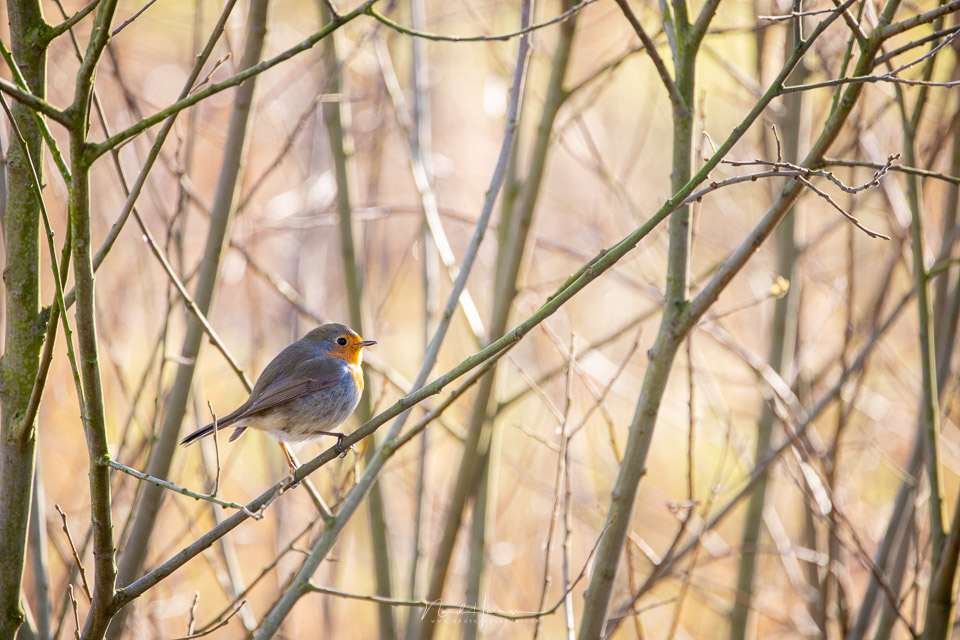
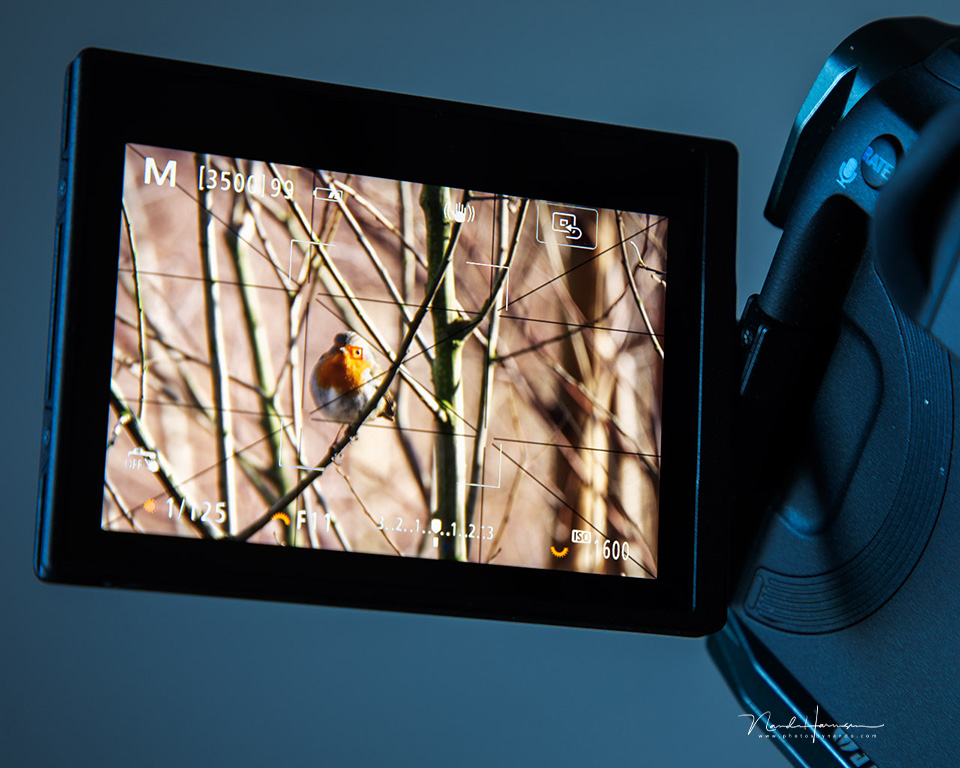
The autofocus of the RF 600mm and RF 800mm works perfectly with the Canon EOS R5. However, because of the small aperture, the entire field of view is no longer used for autofocus. You only have a large square frame in the centre.
Although the entire image cannot be used, all the options offered by the Canon EOS R5 autofocus system work within the frame. There is fully functional body, face and eye AF, even with birds that appear very small in the frame.
There is also very usable AF tracking within the frame. The Canon EOS R6 should perform similarly.
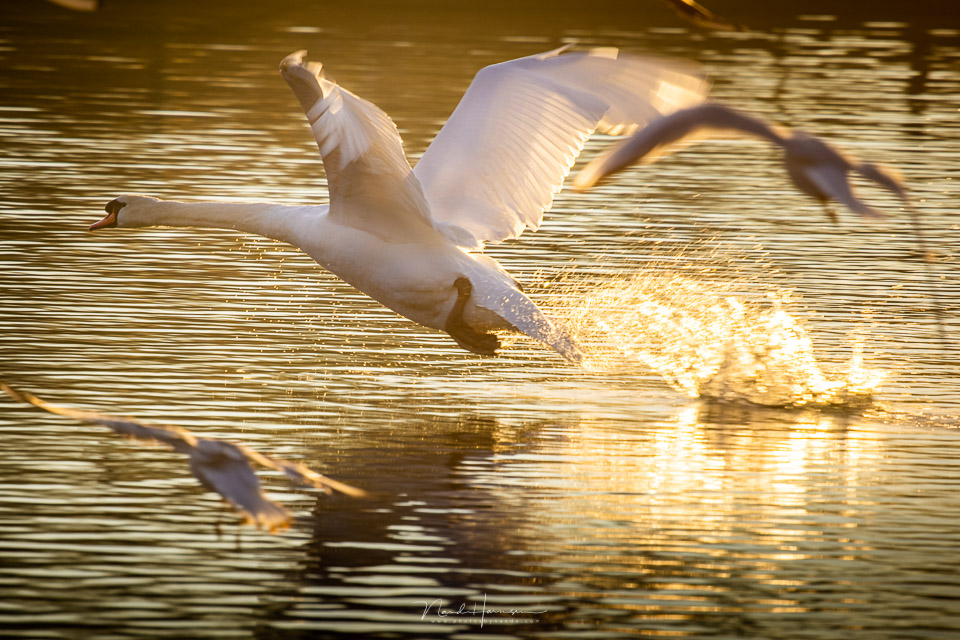
The AF is very fast and accurate even at f/11, making it easy to follow flying birds or running animals. As long as they are far enough away, that is, because the narrow angle of view of the RF 600mm, and especially the RF 800mm, can make it difficult to keep your subject perfectly in the frame.
The small aperture has no effect on the brightness of the viewfinder or LCD screen. This is of course thanks to the exposure simulation of mirrorless cameras. There are a few things to bear in mind.
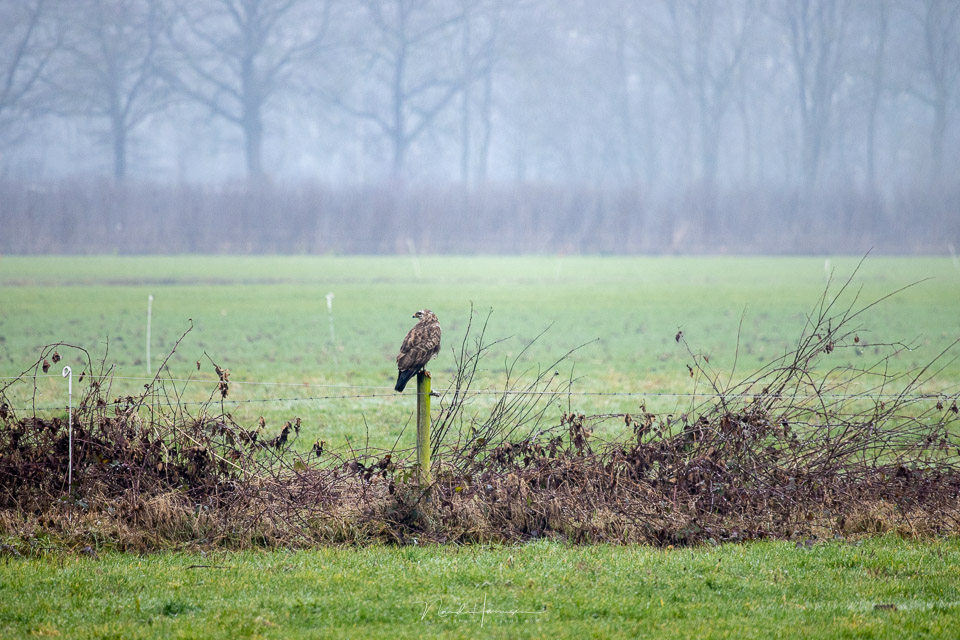
While photographing in the rain, I noticed that a haze can appear. This is caused by the huge amount of rain you have to photograph through. As a result, you do not get optimum sharpness when photographing an animal at a great distance.
Obviously, this has nothing to do with the lens, but with the conditions in which you are photographing. This will also happen at high temperatures because of rising warm air. It makes no difference whether you use the RF 800mm or the 14-times-more-expensive EF 800mm f/5.6L.
Also a teleconverter
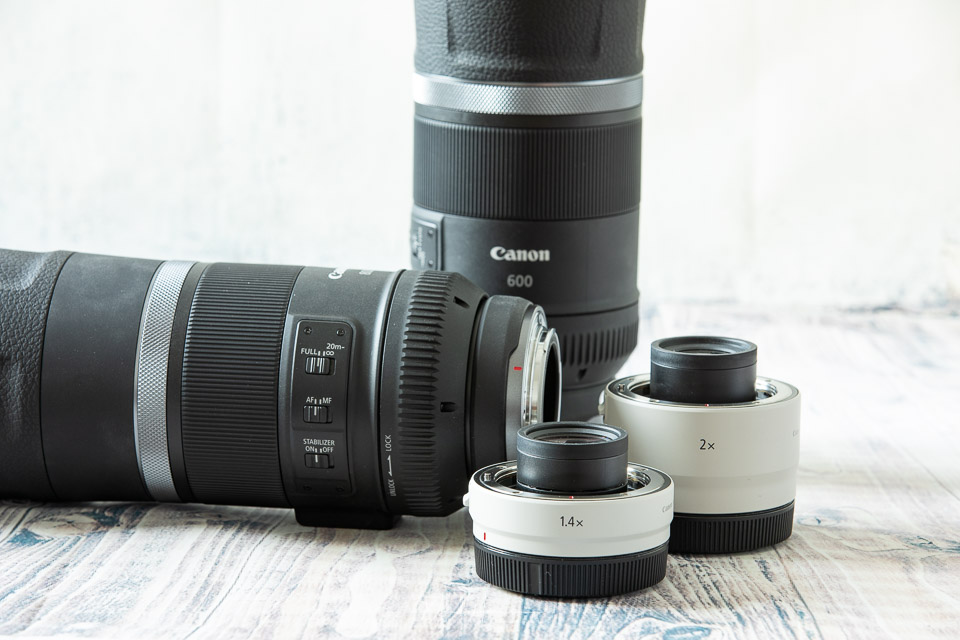
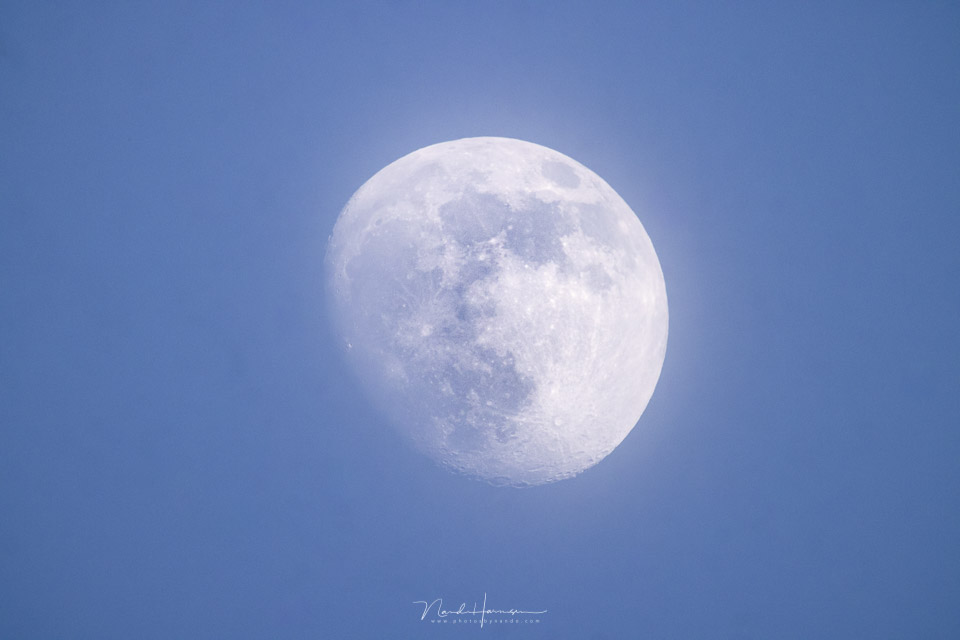
As unbelievable as it sounds, the RF 600mm and RF 800mm can also be used with the RF 1.4x and RF 2x teleconverters. This turns the RF 600 into an 840mm and 1200mm focal length respectively. The RF 800mm becomes an impressive 1120mm and 1600mm focal length.
Do bear in mind that with the RF 1.4x teleconverter, the aperture becomes f/16, and with the RF 2x teleconverter you end up with an aperture of f/22. Very little light then passes through the RF 600mm and RF 800mm.
This means longer shutter speeds or even higher ISO values. But there is a bigger problem waiting around the corner.
Every lens has an optimum sharpness. In many cases, this is somewhere around f/8 or f/11. If your aperture is wider, you may suffer from lens aberrations. If your aperture is smaller, diffraction occurs and your image becomes less sharp. The resolution of the image sensor also affects the point at which diffraction occurs.
This means that when using either of the two teleconverters, you go well beyond the optimum aperture. Diffraction therefore occurs, making the photos less sharp. From this point of view too, using a teleconverter with these lenses is not the best choice.
The conclusion
My first impression of the Canon RF 600mm and RF 800mm was mixed. This was mainly due to the aperture. Without having used them, it was already clear that they perform best in good light and at high ISO values.
In less favourable light, you really depend on the maximum ISO values that are acceptable for your camera. Fortunately, the Canon EOS R5 and Canon EOS R6 perform well at high ISO values.

The construction of these two lenses is very solid and well made. Because of their low weight and extendable design, you are more inclined to take them with you 'just for a moment'. You do have to bear in mind that these lenses are anything but light-sensitive.
The small aperture, you cannot really call it an aperture because the lenses do not have an aperture mechanism, is not strange for the RF 800mm and is perfectly acceptable.
You have seen in this article what it means when that aperture becomes a few stops wider. The size of an 800mm lens with an aperture of f/5.6 is enormous. That makes the RF 800mm a very successful lens.

The RF 600mm is a different story, however. It too has an aperture of f/11. I think this would have been a much more suitable lens if this aperture had been f/8.
For comparison, an EF 100-400mm lens with an aperture of f/5.6 becomes a 560mm f/8 with the 1.4x teleconverter. Those 40mm less do not make much difference, but that one stop does.
The RF 600mm and RF 800mm lenses are in principle suitable for teleconverters. Unfortunately, when using a teleconverter, the aperture becomes so small that diffraction starts to play a role. As a result, the photos are no longer as sharp. Without a teleconverter, the image quality can simply be called good, although it cannot be compared with the large white telephoto lenses I mentioned earlier.
I think the seasoned bird and wildlife photographer is better off with a large, expensive white telephoto lens with a large aperture. Provided you can make the investment. Especially if quality and sharpness are very important, it may be worth saving for a little longer. If, however, you are looking for portability and flexibility, the RF 600mm and RF 800mm are a very good and useful alternative.
What I like
- Small and compact when collapsed (207mm and 259mm long)
- Low weight (830 grams and 1260 grams)
- Easy to take with you and walk around with
- Good image quality
- Favourable price
- Image stabilisation up to 8 stops with the Canon EOS R5 or EOS R6
- Autofocus works with fully functional eye AF
- Autofocus is fast and quiet
What I like less
- No settings possible on the camera when the lens is collapsed
- f/11 aperture on the RF 600mm
- The teleconverter is in practice not really usable because of the loss of image quality and the aperture becoming too small
- No tripod collar included
- Not suitable for dark weather conditions
- Autofocus area is considerably smaller
- No weather sealing
- No lens hood included
Bear in mind that the things I like less are partly dependent on the physical limitations of this type of lens. Without the f/11 aperture, for example, they would not be so easy to carry. You have to decide for yourself what matters most and what carries the most weight.
Thanks to Canon Nederland for making these fantastic lenses available. The Canon RF 600mm f/11 IS STM changes hands for 1,059 euros, the Canon RF 600mm f/11 IS STM for 799 euros.
About the author
Nando Harmsen has been photographing for more than 40 years. He specialises in wedding photography and landscape photography. Nando also gives talks, workshops, masterclasses and photo trips, and regularly reviews new and interesting equipment.
You might also like
-
 Review: Canon RF 200-800mm f/6.3-9 IS USM
by Nando Harmsen
-
 Review: Canon RF 100-300mm f/2.8L IS USM
by Nando Harmsen
-
 Review: The Canon RF 85mm macro lens
by Nando Harmsen
-
 Review: Canon RF 100mm f/2.8L IS macro lens
by Nando Harmsen
-
 Review: the Canon RF 50mm f/1.8 STM
by Nando Harmsen
-
 Review: Canon RF100-500mm f/4,5-7,1L IS USM
by Nando Harmsen
4 comments
-
 Eduard Barreveld wrote on Monday 8 February 2021 at 21:43 | reply
Nando,
Translated from Dutch.
an excellent and very informative review!
Yet I am left with one question: I work with a Canon 300mm F4 L IS lens and would actually like something longer. What is your advice (especially regarding image quality): keep this lens and add a Canon 2x III extender or trade it in for a 600 mm F11? That is one stop less bright, but does have better image stabilization. But is it better?
Very interested in your answer -

 Nando
wrote on Tuesday 9 February 2021 at 11:05
| reply
Nando
wrote on Tuesday 9 February 2021 at 11:05
| reply
@Eduard: I would choose a 1.4x teleconverter, not a 2x. Then you have 450mm, which is a very pleasant focal length, at f/5.6.
Translated from Dutch.
If that is still not enough, an EF100-400 with a 1.4x teleconverter would be my choice. Then you have 560mm at f/8.
By the way, the RF600 is only for the mirrorless series. If you have a Canon mirrorless camera, you could also consider an RF100-500. -
 4BYE
wrote on Tuesday 9 February 2021 at 14:10
| reply
4BYE
wrote on Tuesday 9 February 2021 at 14:10
| reply
Good and honest story!
Translated from Dutch.
Based on the story, I am happy with the Sony 200-600. As a wildlife photography enthusiast, I often have to deal with somewhat poorer lighting conditions. Of course larger and heavier but very sharp and easy to use, also when your subject requires slightly less than 600mm. Also useful with BIF to pick up the subject first and then zoom in. A bit faster too, of course. The advantage of Olympus, on the other hand, is that my relatively light (second-hand) 300mm F4 Pro is effectively a 600mm F4. However, I still run into the limitation of zooming out now and then, and the fact that a 2.0 crop sensor is inferior to an FF in poorer lighting conditions. But for "macro" and focus stacking from 1.4 meters, a top performer. Naturally, the new prices are considerably higher than those of the Canon lenses mentioned.
As a former Canon user, the 7D II with 100-400 II was a nice combination. However, I don't like Sony's APS-C cameras, which is why the 200-600 now offers roughly the same. -
 domi wrote on Tuesday 23 February 2021 at 19:03
| reply
domi wrote on Tuesday 23 February 2021 at 19:03
| reply
Hi Nando
Translated from Dutch.
I have had the 600mm in my possession for 2 days now and I am quite happy with it. Do new brushes always sweep well ?
It is at least nice and light and easy to take along. On our daily walks it is a real added value. No more lugging around with heavy bags and tripods.
The f11 has not proved to be a limitation so far. Even with fast shutter speeds it worked fine. The exposure triangle has now become a diagonal, but that works too.
I do find focusing somewhat less good. I miss the distance indication on the lens. It is now a bit of guessing and missing. With your autofocus you are no use if you want to catch a flying bird. Now I use the AF button, focus on a subject in the distance and adjust manually as soon as I get the bird in the viewfinder.
And...what I am especially happy about is the sharpness. So much better than my old Tamron 150-600mm.
Of course it is not the sharpness of a very expensive professional lens but yes, what I get for this price is fine for me.
Ah and BTW I use it on my Eos R.
If you have any more user tips I would be happy to hear them
thanks for the review
Domi
Have your say
Please note: Articles older than a week can only be commented on by signed-in visitors.Would you still like to comment? sign in or create a free account.
Become a better photographer every week
A practical photography tip in your inbox every week.
39,077 photography enthusiasts already receive the tips! More about the weekly mail. Or keep up to date via  Facebook.

Elja Trum
Photofacts; everything to do with photography!
Would you like to take better photos and keep up with what is happening in photography? Photofacts publishes articles that teach you something about photography — from a product announcement to a practical shooting tip or a look at a website. Photofacts covers photography every day and is a hobby project of Elja Trum's that got out of hand. The articles are written by a team of volunteer authors. If you would enjoy writing one or more articles for Photofacts, do get in touch.More about PhotofactsPhotofacts is made possible in part by
