

Electronic First Curtain Shutter and Bokeh
Monday 22 September 2025, 20:10 by Nando Harmsen | 2,903 views | 2 commentsThis article was translated from Dutch with the help of AI. Read the original.
Many mirrorless cameras have an electronic first-curtain shutter. Do you like photographing with an extremely shallow depth of field? Be careful with this feature.
It used to be simple. You had a shutter and that was it. With mirrorless cameras, you can choose, sometimes from three different options. One of them is the electronic first-curtain shutter.
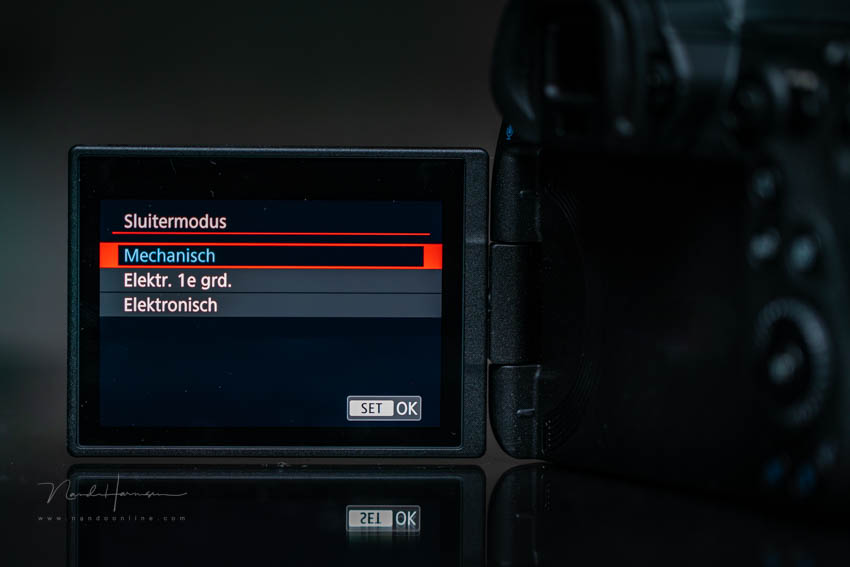
The mechanical shutter is familiar to all of us. The shutter opens, and closes again. The time between opening and closing is the shutter speed.
The electronic shutter is what we got with mirrorless cameras. The sensor is read out line by line. This takes time, which means the rolling shutter effect can come into play. That is distortion of moving elements in the image.
And then there is the electronic first-curtain shutter, which does exactly what the term says. The shutter speed starts electronically and ends mechanically. I will leave out the specific details for the sake of simplicity.
The electronic first-curtain shutter has a major disadvantage when you like photographing with a shallow depth of field. The appearance of the blur is strongly affected when the shutter speed is very fast.
I did a test to show this. I used an f/1.2 lens to get clear bokeh balls. I set the shutter speed to 1/6400 sec, which you can quickly end up with in practice when shooting at f/1.2.
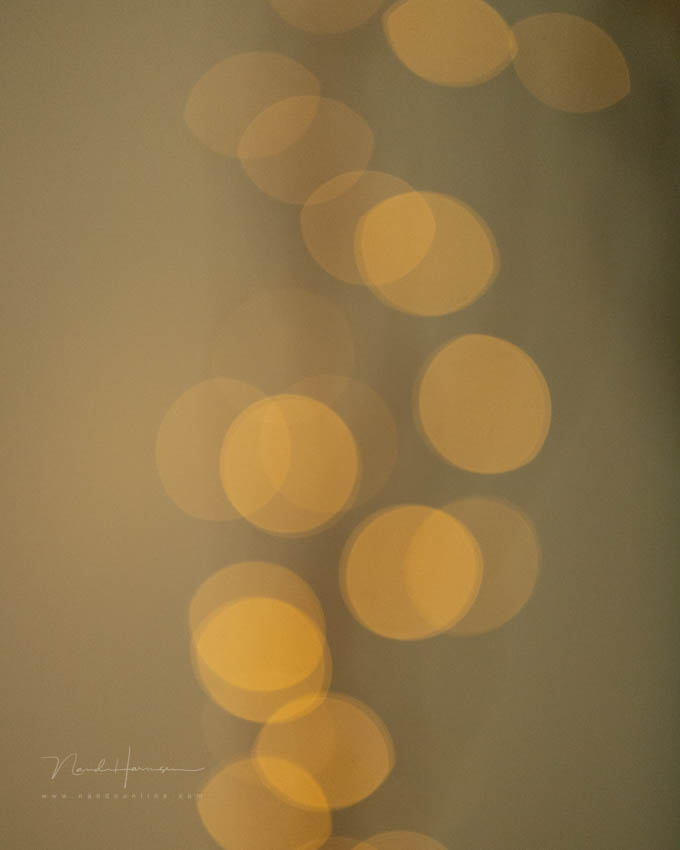
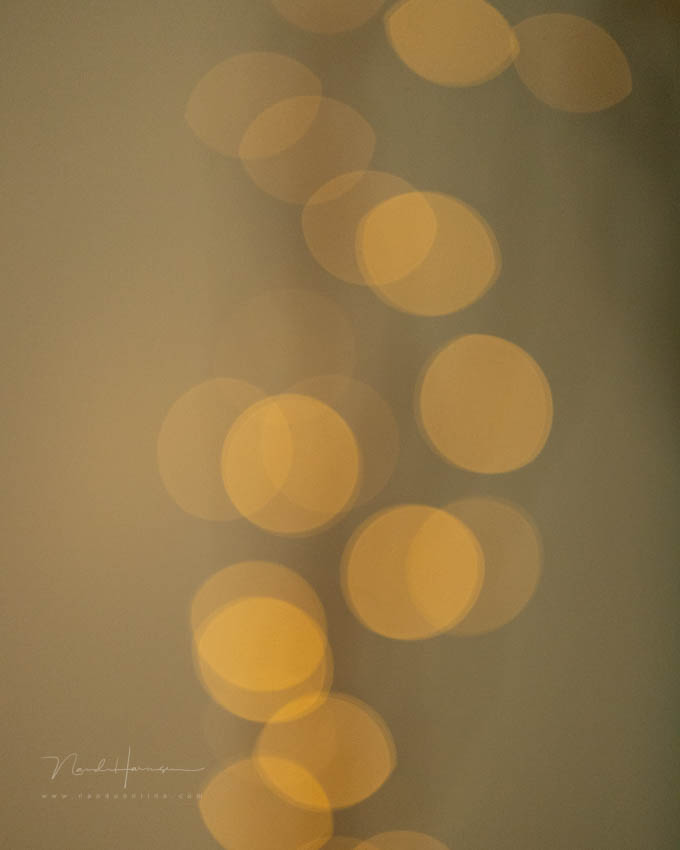
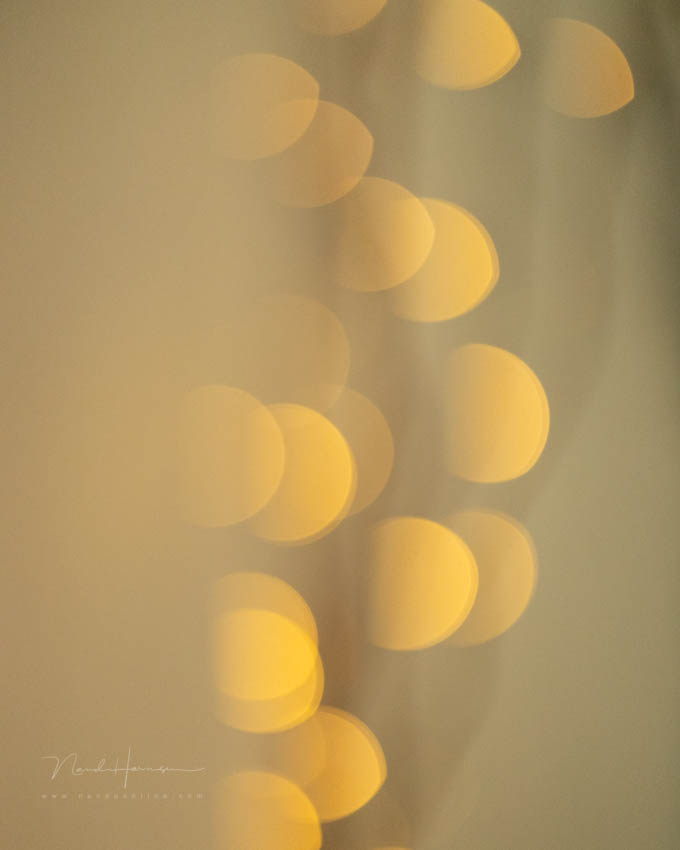
It is worth realising that this effect with an electronic first-curtain shutter only occurs at very fast shutter speeds. I made the following series to show this.
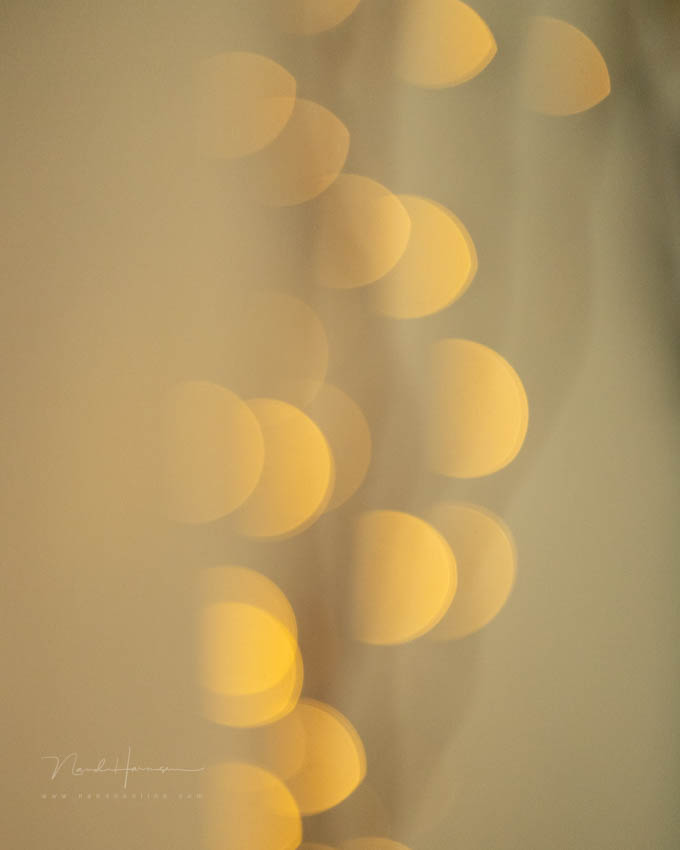


As you can see, the effect of cut-off bokeh balls is still present at 1/1000 sec. It is much less noticeable than at 1/8000 sec or 1/6400.
If you keep the shutter speed below 1/1000 sec, the effect will hardly be noticeable any more, or may even be absent. It is something you need to take into account. The bokeh will always suffer from it, though.
Bear in mind that some cameras do not have a fully mechanical shutter or a fully electronic shutter. Or that a mechanical shutter is not possible at all with a particular type of lens, Nikon for example.
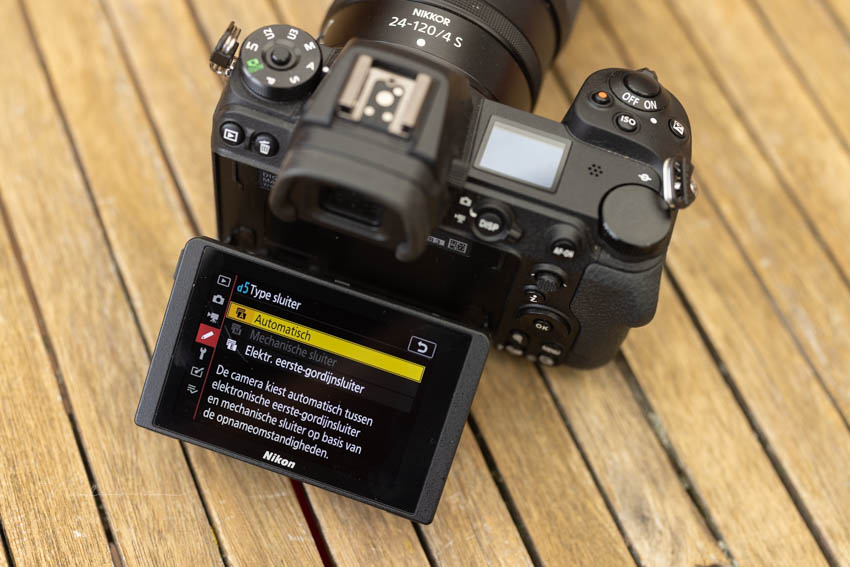
The effect does not depend on the camera brand or type of lens. It is an effect caused by the way this type of shutter works.
You can prevent this by using a mechanical shutter, or the fully electronic shutter, if available. Also bear in mind the other disadvantages that can occur. You can read more about this in this article.
About the author
Nando Harmsen has been photographing for more than 40 years. He specialises in wedding photography and landscape photography. Nando also gives talks, workshops, masterclasses and photo trips, and regularly reviews new and interesting equipment.
You might also like
-
 The difference between bokeh and shallow depth of field
by Nando Harmsen
-
 Be aware of the drawbacks of the electronic shutter
by Nando Harmsen
-
 Night photography tip: using bokeh rings
by Nando Harmsen
-
 When should you flash on the first or second curtain?
by Liesbeth van Asselt
-
 Mushrooms with bokeh
by Erik Nevels
-
 Wildlife photography and switching to mirrorless
by Evert Doorn
2 comments
-
 Hans wrote on Tuesday 23 September 2025 at 11:47 | reply
Thank you Nando. Important info!
Translated from Dutch. -
 Donald Willemsen wrote on Tuesday 23 September 2025 at 16:10 | reply
Nando, good to know. Quick question: Does the problem also occur with a global shutter?
Translated from Dutch.
I ask this because a global shutter does not produce a rolling shutter effect.
Have your say
Please note: Articles older than a week can only be commented on by signed-in visitors.Would you still like to comment? sign in or create a free account.
Become a better photographer every week
A practical photography tip in your inbox every week.
39,079 photography enthusiasts already receive the tips! More about the weekly mail. Or keep up to date via  Facebook.

Elja Trum
Photofacts; everything to do with photography!
Would you like to take better photos and keep up with what is happening in photography? Photofacts publishes articles that teach you something about photography — from a product announcement to a practical shooting tip or a look at a website. Photofacts covers photography every day and is a hobby project of Elja Trum's that got out of hand. The articles are written by a team of volunteer authors. If you would enjoy writing one or more articles for Photofacts, do get in touch.More about PhotofactsPhotofacts is made possible in part by
