

The unique features of an Olympus
Friday 15 December 2023, 16:32 by Nando Harmsen | 3,998 views | 4 commentsThis article was translated from Dutch with the help of AI. Read the original.
The OM-Systems brand, formerly known as Olympus, is generally not very popular. This MFT system has a small sensor, which many photographers would rather avoid. But OM-Systems, or Olympus, cameras have a unique feature that would not look out of place on cameras from other brands.
The features I mean are Live-Composite, Live-Bulb and Live-Time. These are unique to Olympus, or should I say OM-Systems? As far as I know, you will not find them on any other camera. And that is a real shame.
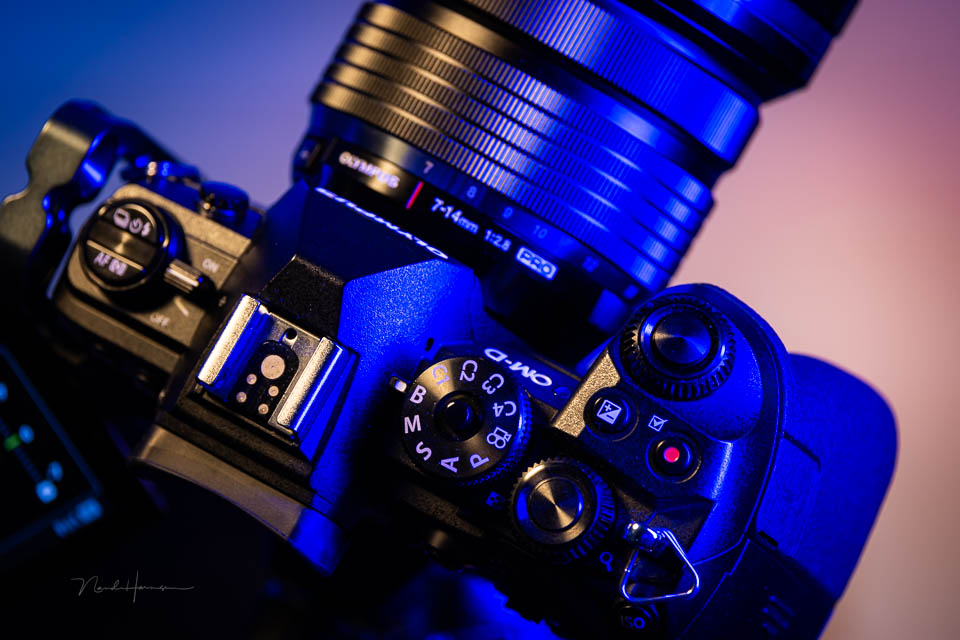
The special thing about these features is that you can see the progress of the exposure live on the camera's LCD screen. This makes it less necessary to calculate long exposures. You simply watch the screen until the exposure looks right.
Live-Bulb and Live-Time
Put simply, Live-Bulb and Live-Time are almost the same features. They are both intended for extremely long exposure times, for which you can no longer use a manual setting. They are used when you need to use Bulb.
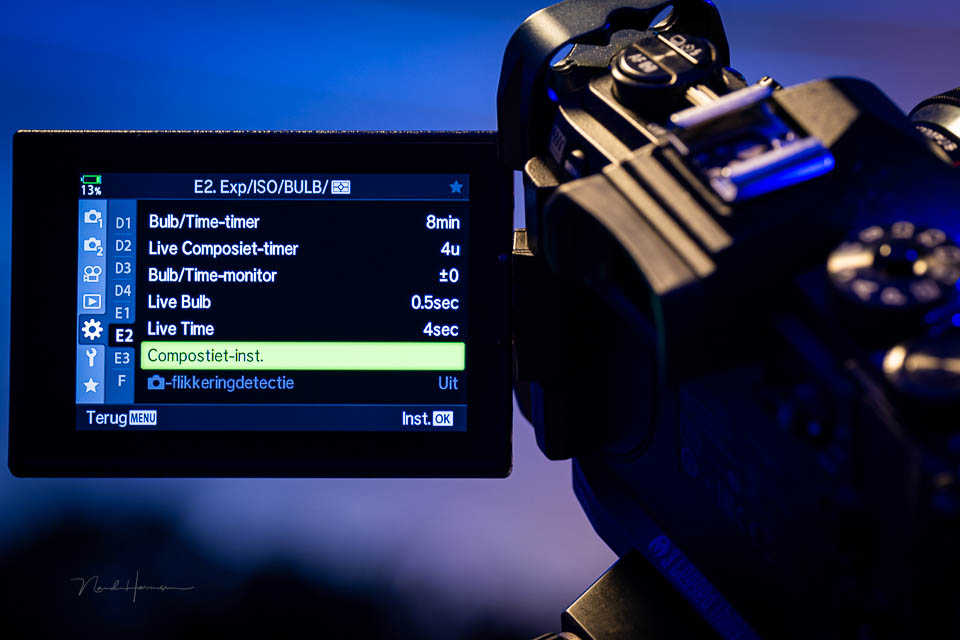
With Live-Bulb and Live-Time, you choose an interval exposure time on the Olympus. This can vary between 1/2 second and 60 seconds. The camera refreshes the image on the LCD screen at the interval exposure time you have set. This lets you see the progress of your long exposure.
Depending on the ISO value used, the screen is refreshed between 9 and 24 times. At ISO 200, the image is refreshed up to 24 times. At ISO 1,600, that is only nine times.
Suppose you set the interval exposure time to 30 seconds at ISO 800. With Live-Bulb and Live-Time, the image is refreshed every 30 seconds with the new exposure time: 30 sec - 60 sec - 90 sec - 120 sec - 150 sec - 180 sec - etc. Up to a maximum of fourteen refreshes.
After that limit, the exposure simply continues. You just no longer see the result appear on the screen in real time.
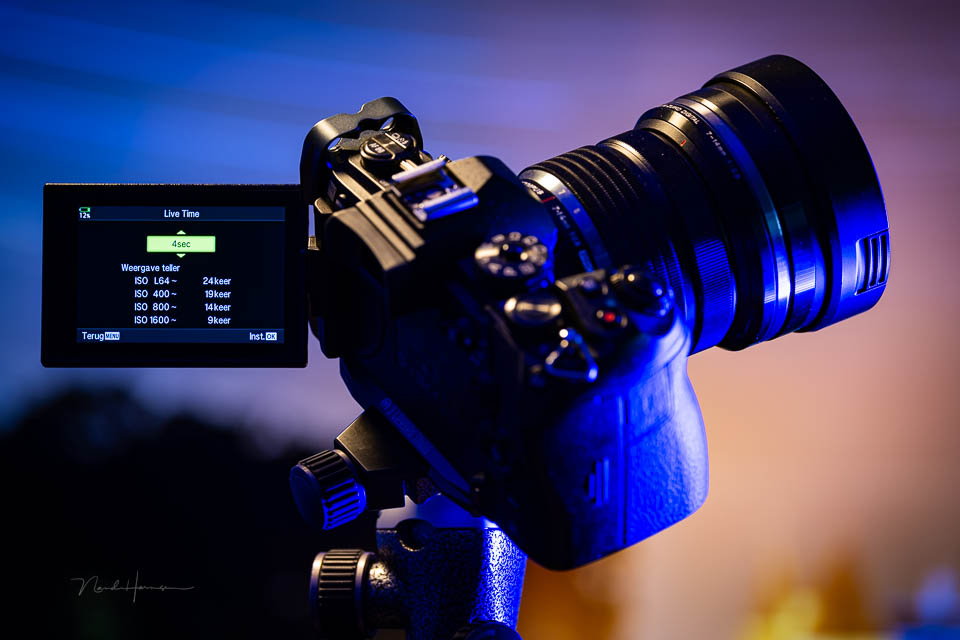
These two features let you follow the progress of the exposure live, as long as you stay within the number of refreshes. When the exposure looks right, you stop it.
With Live-Bulb, you have to hold down the shutter button for as long as you want to expose. With Live-Time, you press the shutter button to start the exposure, and press it again to stop the exposure.
Live-Composite
A long exposure with Live-Composite works very differently. Here too, you can use extremely long exposure times, but the difference from Live-Bulb and Live-Time is how the exposure works.
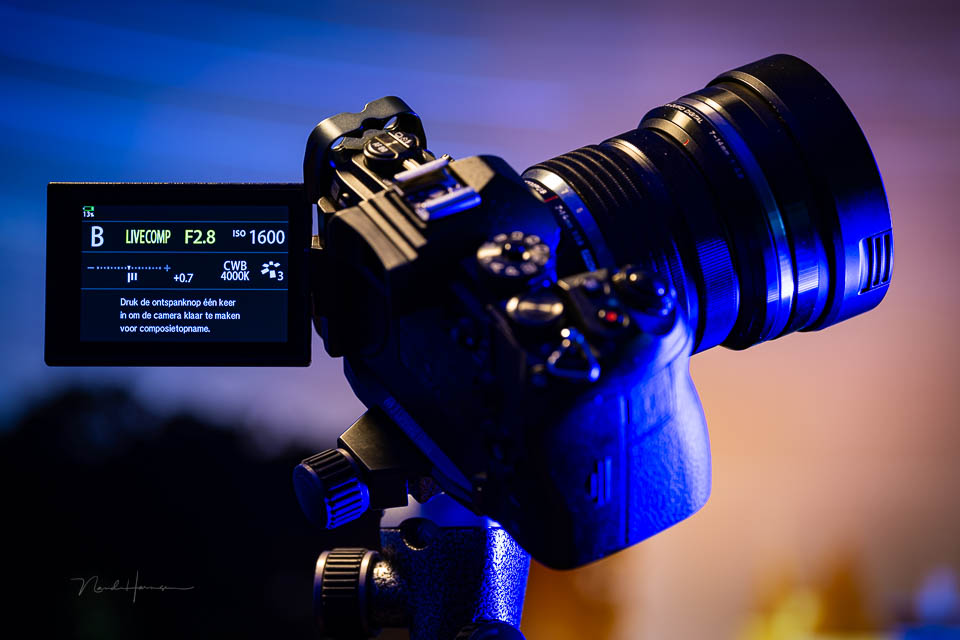
With Live-Composite, you set a base exposure. When you then activate Live-Composite, the exposure will no longer change, even if you expose for an extremely long time. Only light that enters the frame is recorded, provided that it is brighter than the background.
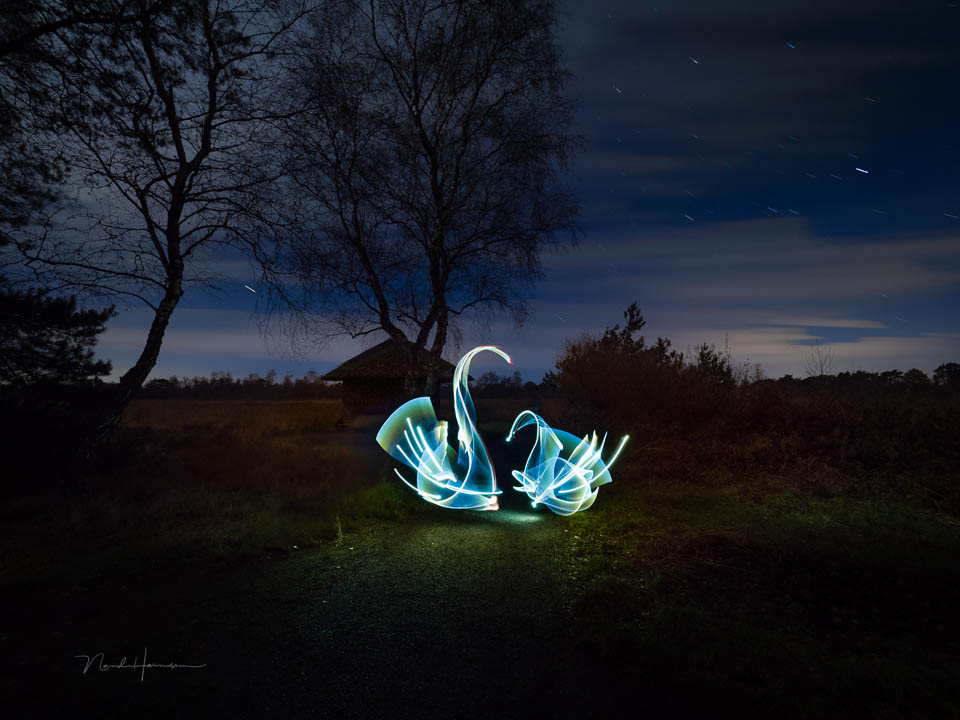
With Live-Composite, you can create light paintings perfectly, for example. You set a base exposure, and only the areas where you draw with light are recorded because they are brighter than the rest. This gives you all the time you need to make your light painting without the risk of overexposure.
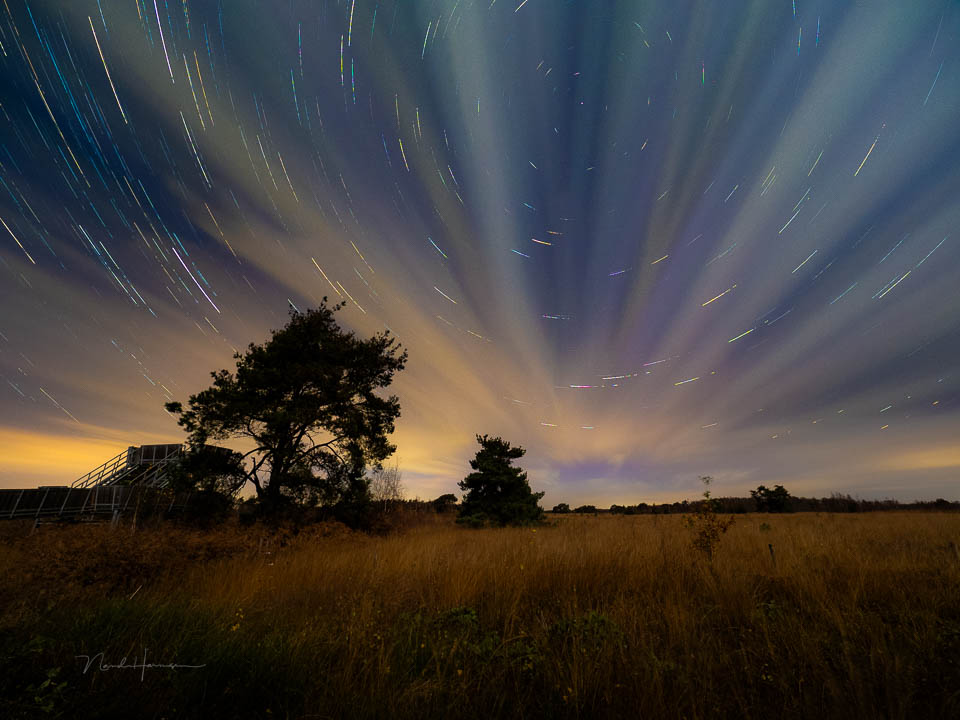
It is also ideal for photographing star trails. Only the movement of the stars is recorded because they are brighter than the 'background'. You can also see the trails appear in the image as time passes.
Disadvantages
Of course, there are also a few minor disadvantages to working this way. With Live-Bulb and Live-Time, the number of image refreshes is limited. Once that number has been reached, you will no longer see any changes on the LCD screen.
You therefore need to choose the interval exposure time carefully for these two features. It is not really a disadvantage, but it is something to keep in mind.
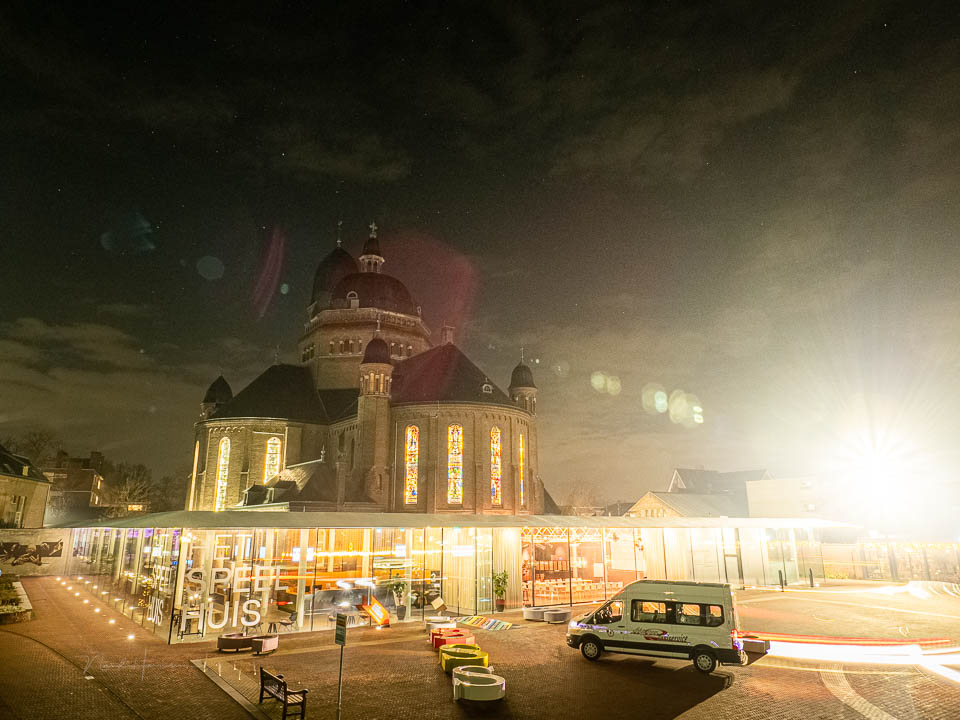
With Live-Composite, the disadvantage can be light sources that unexpectedly enter the frame. Or a mistake while light painting, especially when drawing complete things. One mistake, and you can start again. This risk is smaller if you make several exposures with shorter exposure times and combine them later.
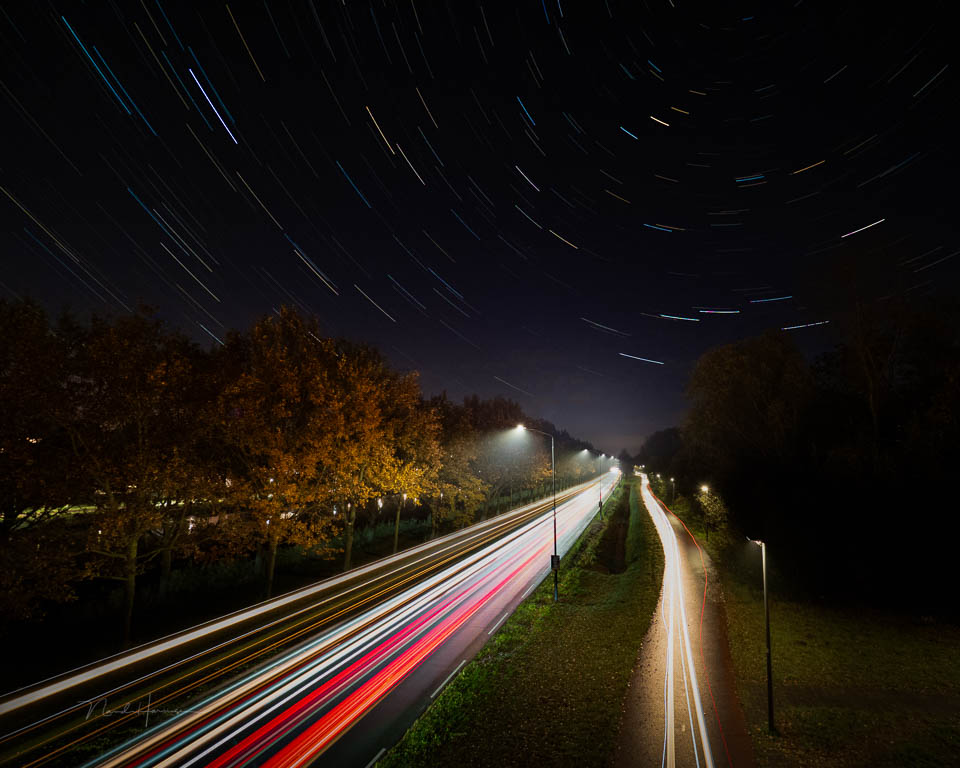
For star trails, this problem is greater, especially when you have been working for an hour or longer. A car headlight in the frame, and everything is lost. With separate exposures, you can simply stop, and you still have all the exposures from that point available.
Do you have an Olympus or OM-Systems camera, and do you ever use these features? Share your experience and tips in a comment below this post. Do you have a camera from another brand and would you also like to have these features? Let us know.
About the author
Nando Harmsen has been photographing for more than 40 years. He specialises in wedding photography and landscape photography. Nando also gives talks, workshops, masterclasses and photo trips, and regularly reviews new and interesting equipment.
You might also like
-
 Olympus's Live Bulb in practice
by Nando Harmsen
-
 The new Olympus is called OM Systems OM-5
by Nando Harmsen
-
 Olympus OM-3 announced
by Elja Trum
-
 Olympus OM-1 micro four-thirds camera announced
by Elja Trum
-
 Why did you choose your camera brand?
by Nando Harmsen
4 comments
-
 Rene wrote on Tuesday 19 December 2023 at 11:27 | reply
The sensor has improved enormously in recent years. The image stabilization is very good. The weight of the equipment is very low. Also take a look at the time lapse photography function.
Translated from Dutch. -

-
 Tiem Meijering wrote on Tuesday 19 December 2023 at 12:10 | reply
Agreed with the story above. I use Live Time and Live Composite a lot. So easy to make time exposures, star trails, done in one go, no extensive post-processing. Super satisfied with that. And don't forget the in-camera stacking (bracketing), good image stabilization. And the disadvantages of a small sensor are exaggerated. I think the quality is super.
Translated from Dutch. -

 MacBigfoot wrote on Saturday 6 January 2024 at 23:38
| reply
MacBigfoot wrote on Saturday 6 January 2024 at 23:38
| reply
Recently experimented with lightpainting at the club evening with my OM-D E-M1 mark II: a really fun experience, especially compared to colleagues who use a different camera brand and then stand there calculating, counting down and such to create a complete lightpainting.
Translated from Dutch.
I agree with the previous reactions that Olympus’s qualities are underestimated, and I’m therefore extremely happy with it!
Have your say
Please note: Articles older than a week can only be commented on by signed-in visitors.Would you still like to comment? sign in or create a free account.
Become a better photographer every week
A practical photography tip in your inbox every week.
39,024 photography enthusiasts already receive the tips! More about the weekly mail. Or keep up to date via  Facebook.

Elja Trum
Photofacts; everything to do with photography!
Would you like to take better photos and keep up with what is happening in photography? Photofacts publishes articles that teach you something about photography — from a product announcement to a practical shooting tip or a look at a website. Photofacts covers photography every day and is a hobby project of Elja Trum's that got out of hand. The articles are written by a team of volunteer authors. If you would enjoy writing one or more articles for Photofacts, do get in touch.More about PhotofactsPhotofacts is made possible in part by
