

Using a tripod? Pay close attention to your tripod plate
Thursday 16 June 2022, 20:10 by Nando Harmsen | 6,270 views | 3 commentsThis article was translated from Dutch with the help of AI. Read the original.
If you use a tripod, you know you need a tripod plate to attach your camera to it. That is also the weakest link and poses the greatest risk of an accident with your camera. I explain what you can look out for to reduce the risk of your camera falling.
I see it regularly during my workshops and masterclasses, and also during the photography trips I run for Fotografie-reizen.nl. A photographer who has not placed their camera properly on the tripod. That makes my heart stop, and I dread the moment when something goes wrong.
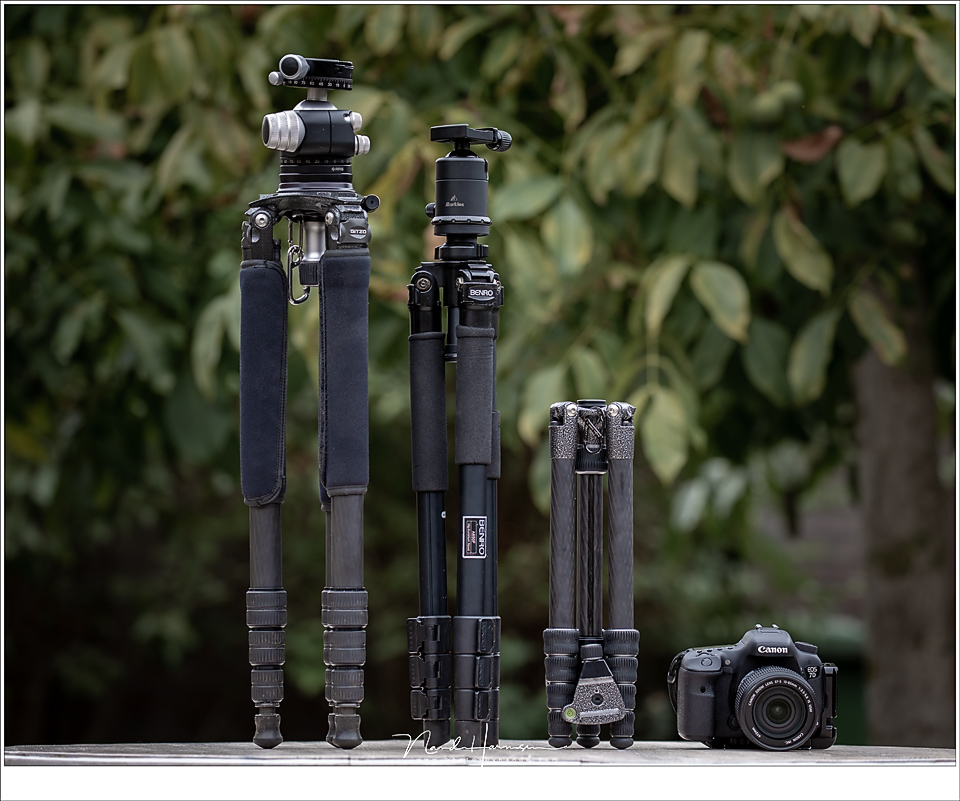
There are two ways to set up a tripod. A bad way and a good way. The latter gives you stability and safety, allowing you to take the photo you want.
Whether you are using a shutter speed of 1/1000 of a second or 1000 seconds. Whether you are photographing with a 10mm wide-angle lens or a 1000mm super-super telephoto lens.
A badly set up tripod is unstable, falls over easily and does not allow you to take a good photo. It is as simple as that. So be sensible and always spend an extra minute setting up the tripod properly.
But a firmly set up tripod alone is not enough. Also make sure that the tripod plate is properly attached to your camera.
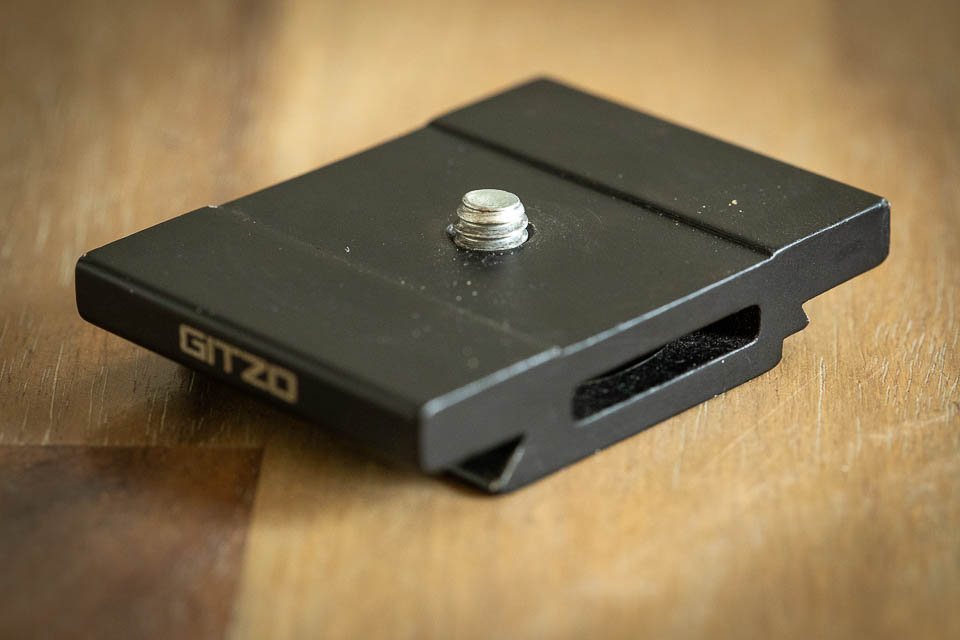
You often have a quick-release plate for the bottom of your camera. This may be an Arca-Swiss type, or a Manfrotto type, of which there are at least three different versions. Make sure that this quick-release plate is always very securely fastened.
This can be a challenge. Some tripod plates have a ring that you can tighten with your fingers. Other tripod plates require a coin. There are also some that require an Allen key.
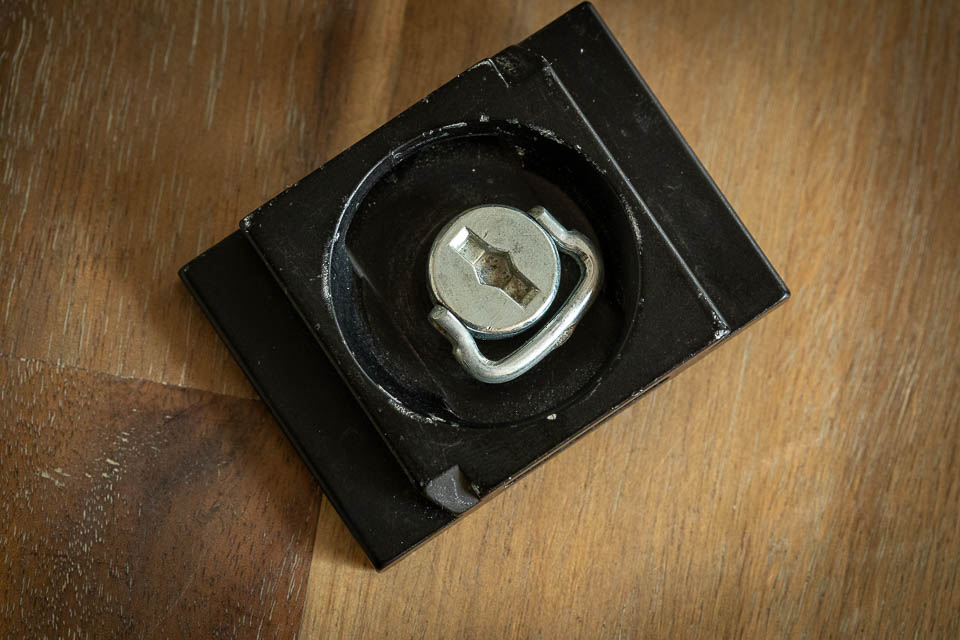
Whichever one you have, make sure it is properly and, above all, securely fastened. And most important of all, it must not rotate. If it starts rotating, your camera will become loose on the tripod, with all the risks that entails. Believe me, it happens much more often than you would expect.
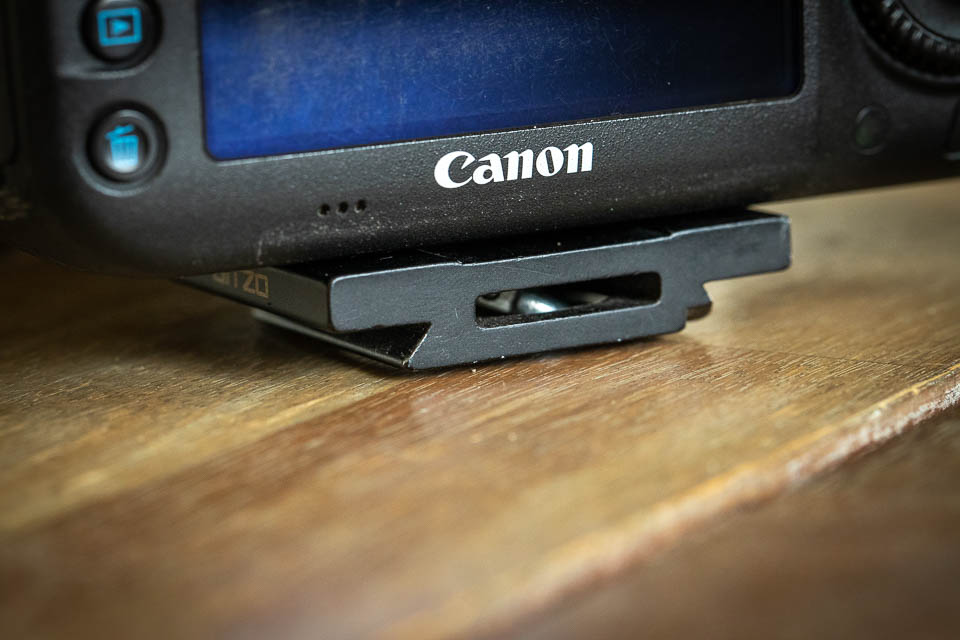
A coin or an Allen key certainly helps to tighten a tripod plate properly. But be careful not to try to tighten the plate with all the strength you have, or more.
Although I have never seen it happen in real life, you could twist and break the tripod mount in the camera itself.
The problem with a rotating tripod plate is often the lack of resistance. Every tripod plate should have a piece of rubber on it. That at least gives you some friction to prevent it from rotating.
Especially when the camera is used in portrait orientation, this rotation can cause a very serious problem.

An animation of what happens far too often.
Even so, tightening it properly is not always enough. An even better solution is a tripod plate designed so that it cannot rotate. These are often plates with a raised edge.
They are usually made specifically for your camera, but not always. Arca-Swiss plates with a raised edge that cannot rotate are often available. I do not know whether they are available for Manfrotto.
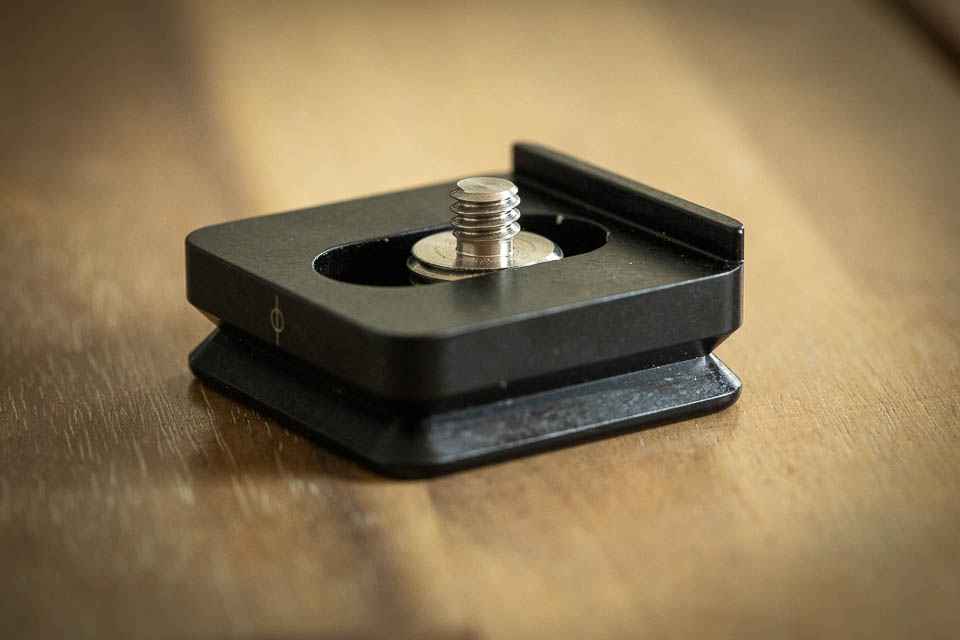
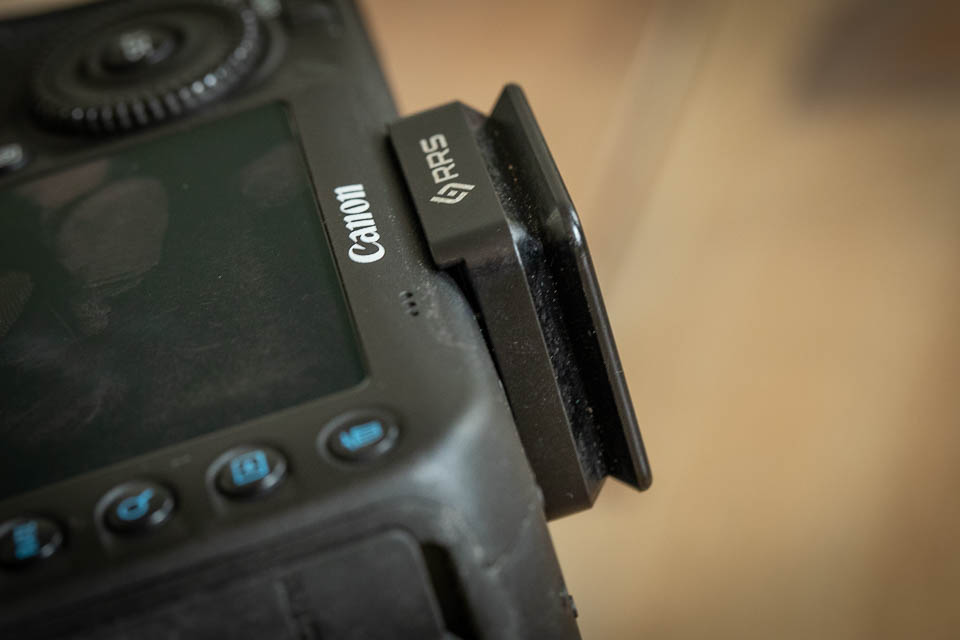
Another solution is an L-bracket. This has the added advantage that you do not have to tilt the tripod head. It may be an investment, but a camera that falls and breaks will cost more.
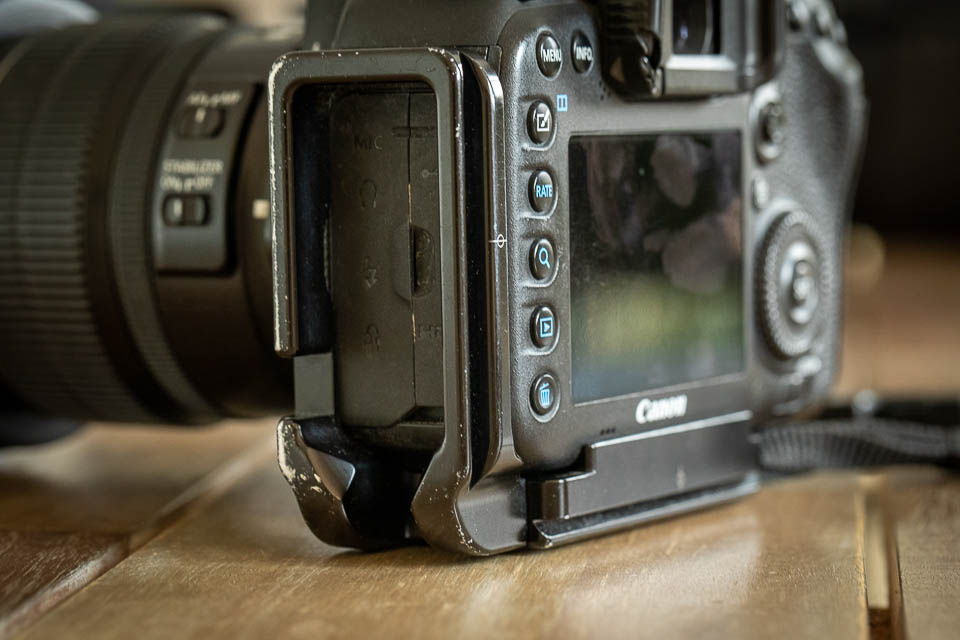
Despite all this, even with a non-rotating tripod plate, L-bracket or any other system, always check that your camera is properly and securely attached to the tripod. Prevention is better than cure.
One last tip. Do you have a lens with a tripod collar? Buy an extra tripod plate and attach it to the collar. That way, you will never need to remove or reposition a tripod plate again.
Has your tripod plate ever turned out to be loose? Share your story in a comment below this post.
About the author
Nando Harmsen has been photographing for more than 40 years. He specialises in wedding photography and landscape photography. Nando also gives talks, workshops, masterclasses and photo trips, and regularly reviews new and interesting equipment.
You might also like
-
 Review: SmallRig VB99 Pro mini V-mount battery
by Nando Harmsen
-
 Sigma introduces a 50mm F1.2 DG DN Art for L and E-mount
by Nando Harmsen
-
 Tamron introduces its first lens for Fujifilm X-mount
by Nando Harmsen
-
 Sigma announces a 500mm lens for E and L mount
by Nando Harmsen


3 comments
-
 guest wrote on Thursday 16 June 2022 at 23:43 | reply
It strikes me that almost every tripod head brand has its own system for attaching the camera to the tripod. I use a redged tripod. A tripod made in the Netherlands. I have the impression that this brand has gone out of business. At the time, a ball head of the same brand was supplied with it, naturally with its own type of coupling. I wasn't satisfied with that ball head for various reasons and then bought a new ball head that is much better and works with a universal acra swiss coupling. After a lot of testing, I am extremely satisfied with that new ball head and the acra swiss coupling. It took some getting used to, but I have managed that by now as well. When I go out photographing, I am never in a hurry. I take my time with every photo and when I use the tripod, I check whether all the locks on the legs are properly fastened, whether the acra plate is properly attached under the camera or lens and whether the coupling on the ball head is properly secured. So I take my time and at least take the photo 'before the calf has drowned'
Translated from Dutch. .
. -
guest wrote on Friday 17 June 2022 at 10:53 | reply
Saw a new option this week on Nikonrumors.com as an alternative to the L-bracket. The ATOLL from the Taiwanese company Silence Corner. With this, the camara rotates in a ring around the lens mount. Maybe worth investigating sometime
Translated from Dutch. . Regards Hans
 -
 Stefanie wrote on Tuesday 21 June 2022 at 14:06 | reply
Tripod collar with standard Arca Swiss edge, no extra plate needed, even better. I have a clip with a shopping cart coin attached to my camera bag as standard for the slowly loosening plate. The big disadvantage of the universal L-bracket, I think, is that (depending on which way around it is) you either can't access your battery or your card, otherwise I would have had that standard on the camera instead of a tripod plate
Translated from Dutch.
Have your say
Please note: Articles older than a week can only be commented on by signed-in visitors.Would you still like to comment? sign in or create a free account.
Become a better photographer every week
A practical photography tip in your inbox every week.
39,079 photography enthusiasts already receive the tips! More about the weekly mail. Or keep up to date via  Facebook.

Elja Trum
Photofacts; everything to do with photography!
Would you like to take better photos and keep up with what is happening in photography? Photofacts publishes articles that teach you something about photography — from a product announcement to a practical shooting tip or a look at a website. Photofacts covers photography every day and is a hobby project of Elja Trum's that got out of hand. The articles are written by a team of volunteer authors. If you would enjoy writing one or more articles for Photofacts, do get in touch.More about PhotofactsPhotofacts is made possible in part by
