

Working as a Photographer: How Do You Get Started?
Saturday 15 December 2018, 14:41 by Peter Segerius | 13,073 views | 11 commentsThis article was translated from Dutch with the help of AI. Read the original.
Many people nowadays call themselves photographers, to some degree of professionalism. Some only take photographs to preserve memories, while others get a thrill from a beautiful composition or even see something artistic in it.
Every advanced hobbyist may have considered turning their hobby into their job, but what is the difference between a serious hobby photographer and a professional photographer?
What steps do you need to take and what skills do you need to turn your hobby into your profession?
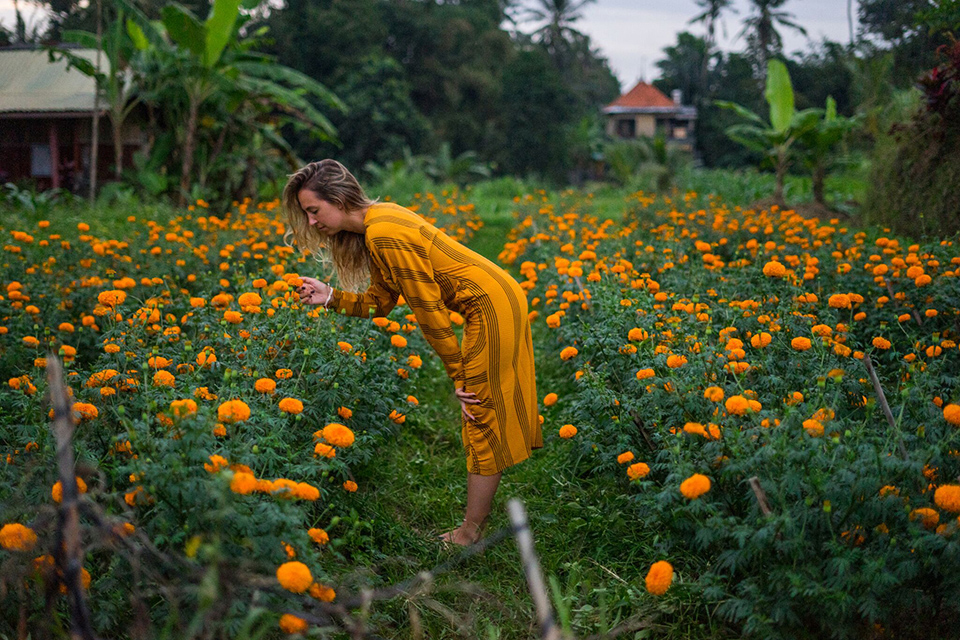
The disadvantage of the large number of people taking photographs nowadays is that you have to find a way to stand out. There are several ways to do this.
Some choose a style and specialise in it. Others focus more on improving their skills and broadening their knowledge.
Skills
In principle, no formal training is required to become a photographer. However, with a good education, you often have an advantage over others. As an aspiring professional photographer, it is important to have mastered a number of skills and abilities.
A good starting point is having a good understanding of how your equipment works and what technologies are currently available. This includes not only hardware, but software as well.
There are many different photo editing programmes available nowadays, but the most widely used are Lightroom and Photoshop from Adobe. With these programmes, you can make things as simple or as complicated as you like. Sometimes a lot of editing is required, while at other times it is better to edit less.
Knowledge of hardware is more important than the hardware itself. Hobbyists often worry more about their 'gear' than professional photographers do. It is better to know how to use your camera, tripod or flash properly than to own the most expensive equipment and not understand it. It is also very important to know which lens to use for which purpose.
As a professional photographer, you should not be afraid to give your opinion on a photograph or give instructions to your model. Be critical and pay attention to detail. Even if something seems perfect, there is often still room for improvement.
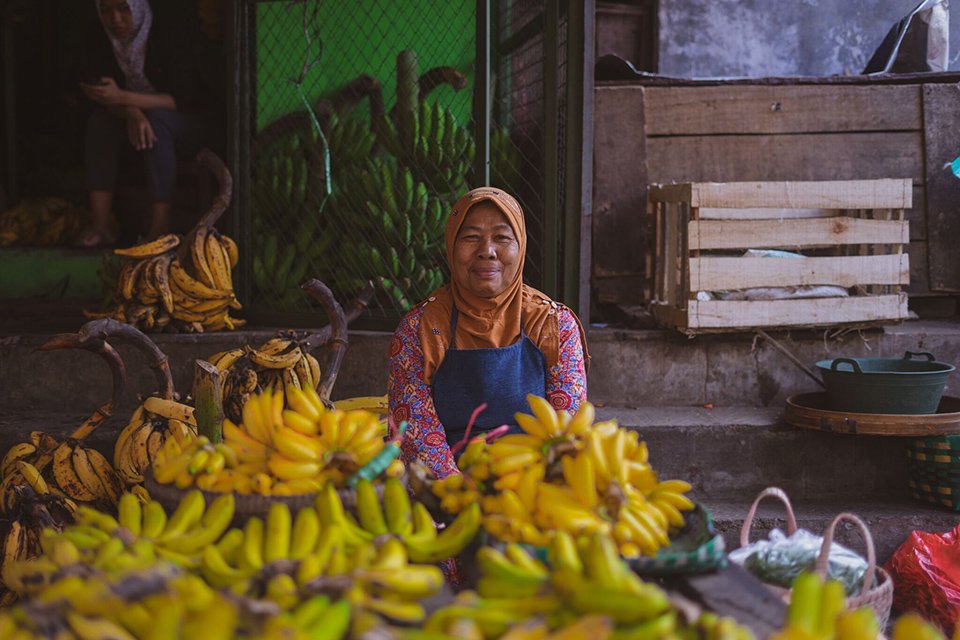
Especially in street and travel photography, confidence and the ability to take initiative are very important. You should not be afraid to get involved in the moment to capture the perfect shot. This often leads to unique experiences and funny situations.
Specialisms
There are many different specialisms within photography. You could become a product photographer, fashion photographer or travel photographer, to name just a few. Some even earn their money by taking “stock” photographs.
It is useful to look at what you are already good at, then look for a suitable vacancy as a photographer. Working as a photographer's assistant is always a good start.
This allows you to gain experience of what it is like to be a photographer and what tasks a photographer has. It is also a good opportunity to expand your network.
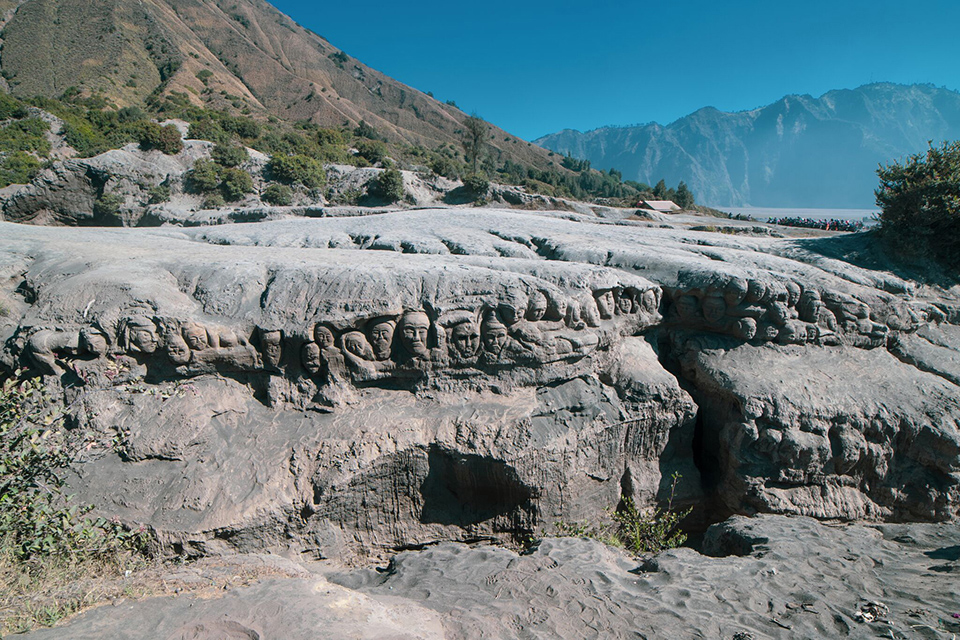
Self-employed or working for a company
Besides working for a company, you could also choose to be your own boss. Working as a self-employed photographer has a number of advantages over working for a company. For example, you can accept and schedule assignments at your own pace.
The downside is that you need to show initiative and have a fairly large network if you want to make a living from it. Another advantage is that you decide what you photograph, allowing you to focus on taking, for example, only wedding photographs or portraits. Or you can choose to accept all kinds of different assignments.
There are many different possibilities within photography. For now, taking initiative remains the most important first step. You need the desire to change your career and not be afraid of a possible salary reduction during the first few months of your new career.
What you ultimately get in return is every hobbyist's dream job, and this investment will pay for itself many times over.
About the author
Peter werkt momenteel voor YoungCapital, maar is voorheen actief geweest als freelance fotograaf. Zijn stijl is voornamelijk een goede compositie vinden, en kenmerkt zich vooral in het kleurenspel van zijn foto's.
You might also like
-
 Professional photographers don't always take fantastic photos
by Nando Harmsen
-
 Tomorrow I’ll Be a Photographer
by Michiel Heijmans
-
 Review of the Eizo ColorEdge CG3100X monitor
by Nando Harmsen
-
 Is a DSLR still a good choice in 2026?
by Nando Harmsen
11 comments
-

 patrick180 wrote on Saturday 15 December 2018 at 17:07
| reply
Don't understand that people still say you can make a living from it. PLEASE let's not fool each other.
Translated from Dutch.
There is no real money to be made in photography anymore, at least you can't make a living from it anymore these days.
too much TFP nonsense and people look at their wallet instead of quality. -
 Jenny wrote on Sunday 16 December 2018 at 09:11 | reply
Funny thing is that 5 years ago there was an article on Photofacts with 5 reasons not to want to make photography your profession. I think there is still a lot of truth in that, or perhaps those 5 reasons have only become stronger. There are so many amateur photographers who reach a high level (i.e. can deliver very 'slick' photos) that it is becoming increasingly difficult to distinguish yourself in any way. I think that if you want to distinguish yourself, it no longer (entirely) lies in the field of photography itself (that of course has to be in order) but in building a name and a network. Only then can you hopefully earn a living from it, but I think many professionals continue to do other work alongside it for quite some time first, and afterwards also offer other things such as giving courses, workshops, photo trips, etc. https://www.photofacts.nl/fotografie/rubriek/tips_en_truuks/5_redenen_om_van_fotografie_niet_je_beroep_te_maken.asp
Translated from Dutch. -
 Michelle Peeters wrote on Sunday 16 December 2018 at 12:24
| reply
@Jenny and Patrick: that is also my own experience as a professional. Make sure you can do everything, then you can do a lot on the side, preferably of course on the creative side. And make sure you have a large and good network, everything works with likability and people pulling strings these days.
Translated from Dutch. -
 petersegerius
wrote on Tuesday 18 December 2018 at 09:31
| reply
@Jenny, Patrick & Michelle What you’re saying is absolutely true, it is indeed very difficult to enter the market these days. Especially in these times, it’s incredibly important to have an edge in terms of likeability. But I actually hear from (former) colleagues who are still active that they are actually achieving a lot of success and constantly have work during this period. That is namely a by-product of the modeling and fashion world, which keeps growing.
Translated from Dutch. -
 Richard Wijnands wrote on Tuesday 18 December 2018 at 10:48 | reply
I do think the story is sketched rather easily. Become self-employed and then..... There is much more involved in running a business. And then I haven't even mentioned your photography skills or indeed your network.
Translated from Dutch.
Starting out on your own is entrepreneurship! This also includes marketing, administration and many more things that come with it.
I also agree with the reactions of some above. Hobbyists are strongly emerging. I have nothing against a hobby photographer, but I do have something against unfair competition. And that is not how the market works!
I know a hobby photographer who has an average annual turnover of between 20 and 30 k. Not registered with the Chamber of Commerce and knows the color black.
So unfortunately I can't compete with this myself. And unfortunately there are many hobbyists who earn quite a lot of money from photography, but basically don't follow the rules of the game.
Professional photographers do pay VAT, taxes and are insured properly.
Sorry, perhaps this doesn't completely belong in this context, but this way those who do want to start out on their own can see that there is much more involved than one probably has in mind.
Over the past 2 years I have seen several professional photographers stop and quite a lot of photo studios have closed.
Simple example, nowadays it is quite difficult to have a passport photo taken somewhere.
-
 Liesbeth van Asselt
wrote on Tuesday 18 December 2018 at 10:56
| reply
Just a contrary opinion
Translated from Dutch. . I actually think there is a decent living to be made in photography. What is often forgotten, though, is that as a photographer you primarily have to be an entrepreneur. Entrepreneur first, photographer second. Spotting new opportunities in the market, keeping up in your field, distinguishing yourself, being willing to work double weeks, etc.
When I started as a professional photographer 15 years ago, I did everything: companies, families, children, weddings, profile photos, dogs and because I had been giving training for a very long time and had been photographing for a very long time, I naturally combined that experience in giving photography workshops as well.
By now I know better: if you offer everything, you actually offer nothing. You haven't delved all the way into a single subject. You have to divide your time, after all, and a day only has 24 hours. And so, because of my business and training background, I specialized in business photography and giving courses and workshops. Split into two businesses: Webrendement and Stapfoto. Since that specialization, my schedule has been full. Clients want a specialist, not someone who knows a little about everything.
So if you want to start as a photographer, look for a specialization! Do something you're passionate about, something you already have a lot of experience with, something you're better at than others. I once spoke to a former construction worker who now photographs for contractors and property developers, great! -
Richard Wijnands wrote on Tuesday 18 December 2018 at 11:18 | reply
@Liesbeth definitely agree. I also earn my living with photography. My message is also mainly to make it clear that you won't get there with photography alone.
Translated from Dutch.
You really do have to be an entrepreneur.
And indeed, with specialization you can go a long way. -
 Rick wrote on Tuesday 18 December 2018 at 16:58 | reply
I pretty much agree with everyone above me, but Liesbeth really does hit the nail on the head.
Translated from Dutch.
In the past, you could wait for your clients if you did good work, but that's not how it works anymore these days. You'd be better off being a lousy photographer with a good entrepreneurial drive than a good photographer without one.
Whether it's fun and justified is another story. But that's simply how it works these days, so if you want to earn your income from photography, you'll have to respond to this after all.
What I do find a shame, however, is that an article about working commercially as a photographer (which always leads to the necessary discussion on Photofacts) is written by a young man who himself does not generate a full-time income from photography. With all due respect to Peter, of course.
Ending a story with the sentence;
'What you ultimately get in return is the dream job of every hobbyist, and this investment will pay for itself many times over. '
is, in my opinion, odd when you yourself are employed in marketing and your main income therefore does not come from photography or entrepreneurship itself.
Once again, all due respect to Peter and to him for taking the time and effort to write this guest blog, and there are certainly some good points in it. However, next time I would personally have a full-time photographer (or someone who clearly has this ambition) write a more realistic and concrete picture in a similar article. -
 RiPa-Photo
wrote on Tuesday 18 December 2018 at 17:13
| reply
I agree with Richard Wijnands, first and foremost you also have to be an entrepreneur and master that as well. However, I don't share the pessimistic attitude towards hobbyists, partly because I was once a hobbyist myself, but mainly because I don't believe that the clients who pay a hobbyist under the table would ever have become your clients. They go for B-grade while you're A-grade, right?
Translated from Dutch.
Competition and unfair competition exist in every line of work and you can only overcome them by distinguishing yourself.... in whatever way.
I'm far from the best photographer, far from the best entrepreneur... but I distinguish myself by making all my clients happy and word gets around.
Keep your chin up and stay positive. -
petersegerius
wrote on Tuesday 18 December 2018 at 17:27
| reply
@Rick, I absolutely agree with you about the first points you make.
Translated from Dutch.
I have previously worked as a photographer for several years, and in doing so I also made the necessary friends and connections. So I am not lacking in knowledge about the market and how things work. I have my current job not only because I find it incredibly fun and interesting, but also because I am studying Marketing. This combination of working and studying has made it so that I could no longer photograph full time. Although I am therefore no longer involved in this full time, I of course still take on some assignments here and there. Hence, nowadays I call myself an enthusiastic hobbyist, because it no longer determines my entire income. -
 Jax Kraal wrote on Wednesday 19 December 2018 at 08:23 | reply
I always find it interesting to read how professional photographers blame amateurs for the fact that they don't earn enough to make a living from it.
Translated from Dutch.
I actually only take photos at football matches, with the occasional concert. I am an amateur and have a regular job that I earn my money from. I don't earn anything from photography. I do have to pay for all my own equipment (including a Canon 1D IV and Canon 70-200mm F2.8) without being able to claim any of it back from the tax authorities.
I also once had a discussion with a professional freelance photographer who said that I was "giving my photos away for free outside the stadium". Now that isn't the case at all, but he thought that meant he was missing out on income.
First of all, my client isn't his client (I take photos for a number of supporters' associations and they would never think of him when they need a photographer), but in my opinion the most important rule is: if you want people to buy your photos, you have to make sure you take the most beautiful photos that everyone wants to have.
If you're top-notch, you don't have to worry about the competition and the fact that amateur photographers are snatching away potential clients.
Have your say
Please note: Articles older than a week can only be commented on by signed-in visitors.Would you still like to comment? sign in or create a free account.
Become a better photographer every week
A practical photography tip in your inbox every week.
38,937 photography enthusiasts already receive the tips! More about the weekly mail. Or keep up to date via  Facebook.

Elja Trum
Photofacts; everything to do with photography!
Would you like to take better photos and keep up with what is happening in photography? Photofacts publishes articles that teach you something about photography — from a product announcement to a practical shooting tip or a look at a website. Photofacts covers photography every day and is a hobby project of Elja Trum's that got out of hand. The articles are written by a team of volunteer authors. If you would enjoy writing one or more articles for Photofacts, do get in touch.More about PhotofactsPhotofacts is made possible in part by
