

Review: Before They Pass Away by Jimmy Nelson
Friday 28 July 2017, 16:32 by Michelle Peeters | 13,422 views | 5 commentsThis article was translated from Dutch with the help of AI. Read the original.
Jimmy Nelson captured remarkable tribes from around the world in their natural surroundings with his Before They Pass Away project. Breathtakingly beautiful photos.
The Flemish photographer Hannelore Vandenbussche travelled with cameraman Bram Vis and Jimmy Nelson as part of this remarkable project.
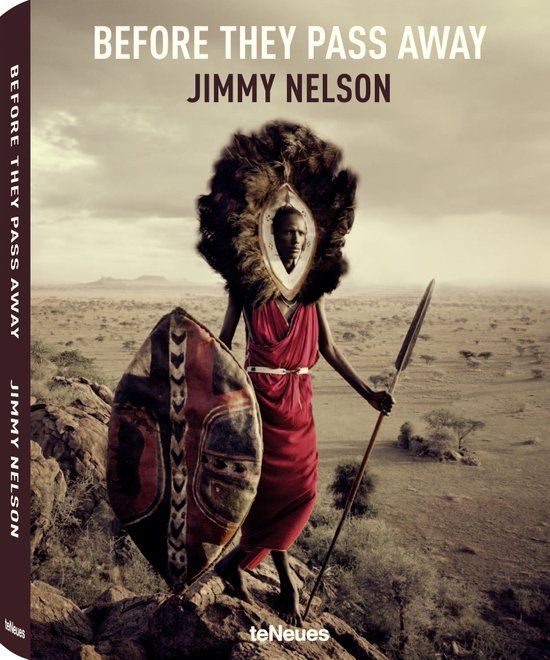
After visiting Jimmy Nelson's photo exhibition at Mark Peet gallery in Den Bosch, I could no longer resist the temptation and bought the Collector's Edition XL, with 423 pages and 423 colour photos.
About the book
Between 2010 and 2013, photographer Jimmy Nelson travelled around the world with his camera, with the aim of documenting remarkable tribes, their traditions, different ways of life and their individuality in their natural surroundings.
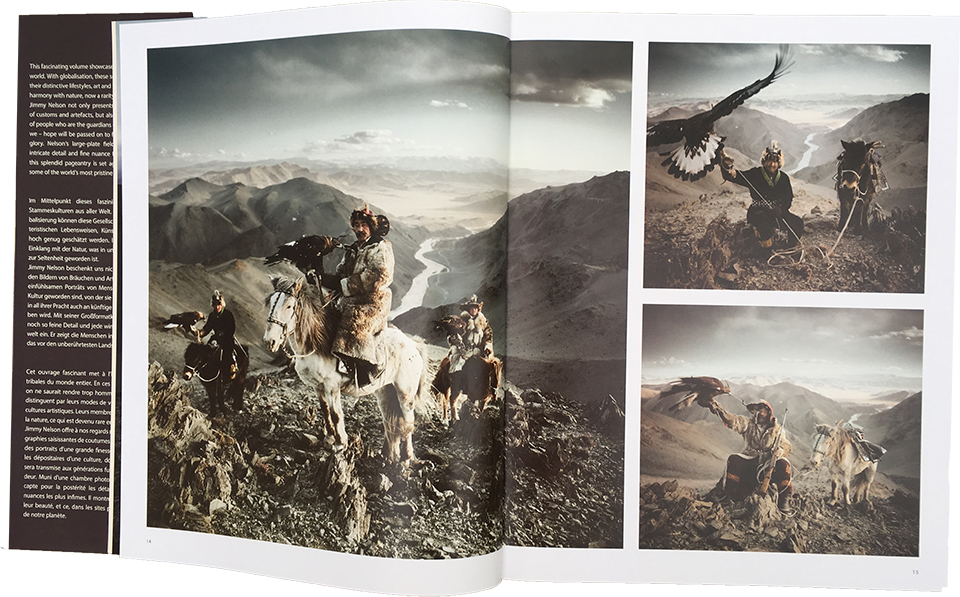
This photo series was intended to serve as a visual reference work for future generations, because according to Jimmy Nelson, the authenticity of these cultures will gradually disappear. The book takes you to the most beautiful places in the world.
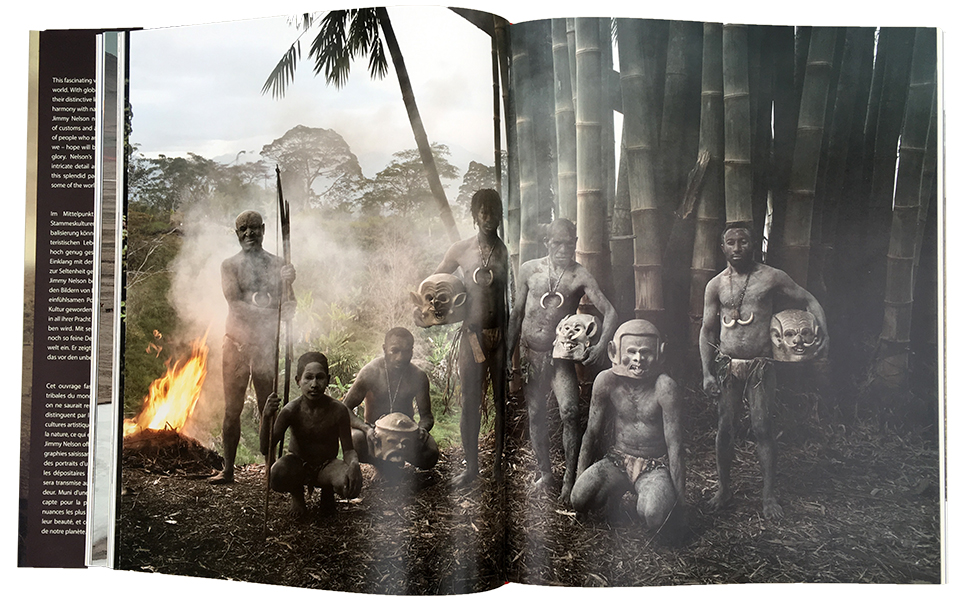
From colourful Tanzania, where Nelson photographed the Maasai tribe in traditional dress, to the rugged, untouched and snow-covered taiga in Mongolia.
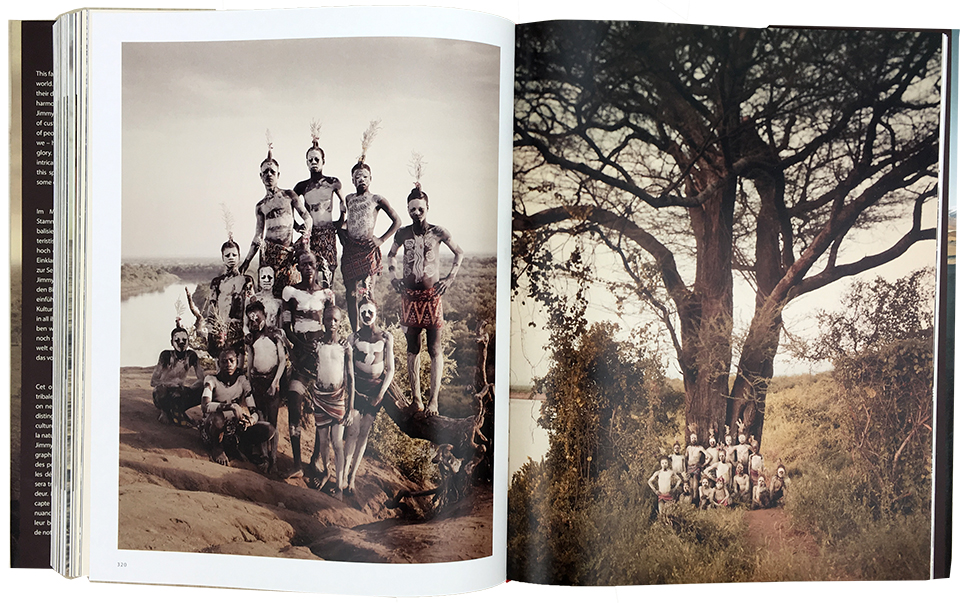
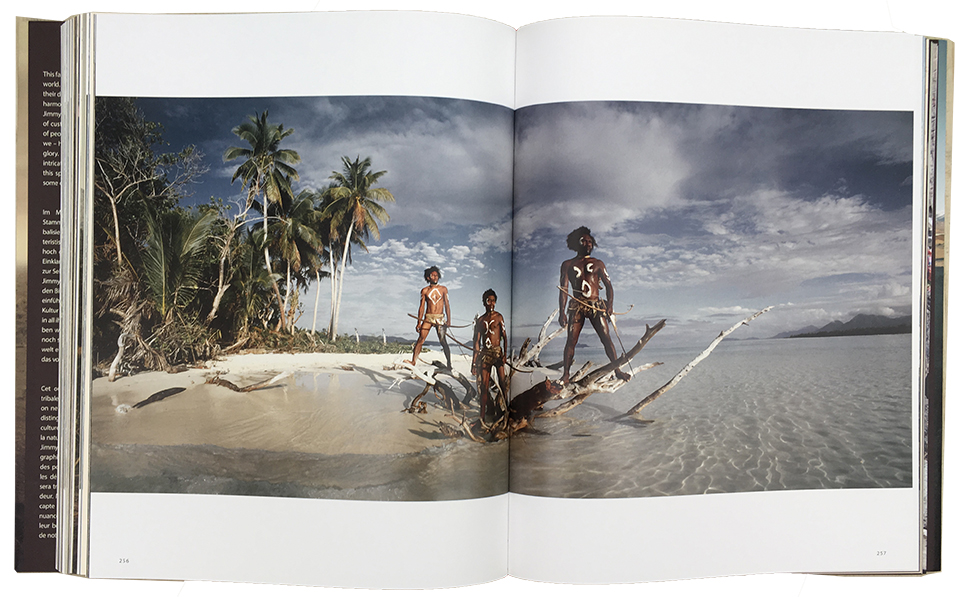
It is full of impressive photos of more than 30 indigenous peoples and landscapes from the most diverse countries. The final result of his long journey was brought together in the book with the fitting title Before They Pass Away.
Criticism too
The book is hugely popular and copies are therefore flying off the shelves. However, there is also a great deal of criticism of the book and the photos Jimmy Nelson took of these tribes.
Jimmy Nelson himself says that he tried to create what he calls: An ambitious aesthetic photographic document that could stand the test of time. A work that would be an irreplaceable ethnographic record of a rapidly disappearing world.
But according to critics, the image Jimmy Nelson paints is not the reality these tribes would live in. Everything is staged and therefore does not realistically show how these people really live.
It would therefore be complete nonsense to show in this way that the authenticity of these tribes must be preserved. The photos would only have been made to make money.
Authenticity
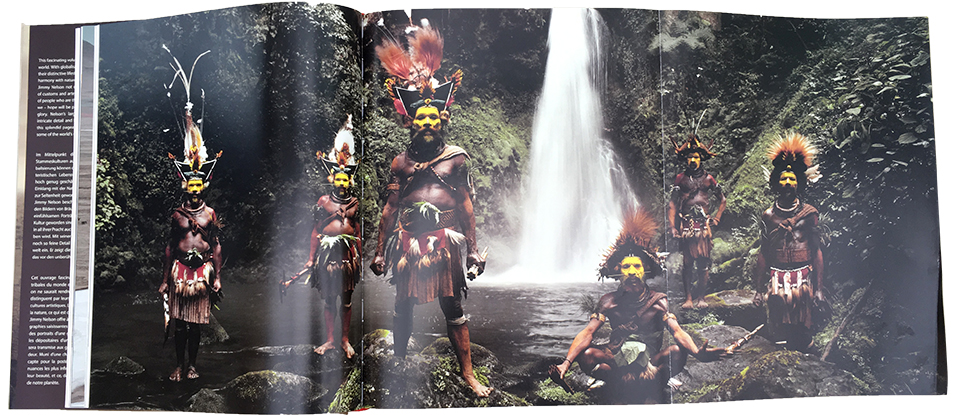
The subject Jimmy Nelson addresses in his book is authenticity. Our current world is increasingly focused on the individual.
As a result, people, especially in the West, increasingly feel the need to be unique because they believe they have lost their authenticity. That is why they often search for places where they hope to find this authenticity again.
He therefore went looking for societies that still possess authenticity. That led him to these tribes. These tribes would still have the purity and authenticity of 'real' humanity.
The rest of the world should take an example from this. He says he wanted to capture them as purely as possible.
Puppetry
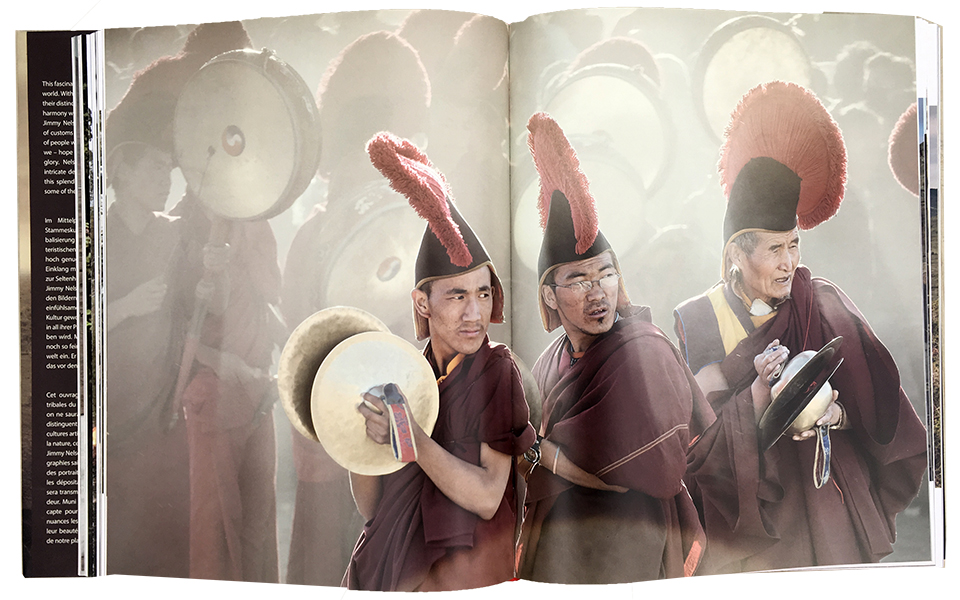
But the tribes he photographed often do not live at all as he depicted them. They have not worn the clothes they are wearing for a very long time, and they no longer use the attributes shown. In fact, the authenticity of these tribes does not exist at all.
He therefore creates the idea that these tribes are not yet connected to the rest of the world and have therefore not yet been 'spoilt'. This is what Western consumers like to see, proof that authenticity still exists.
They pay a lot of money to see members of African tribes in 'authentic' clothing and to see people from South America hunting in an 'authentic' way.
By now, everyone also knows through social media that these tribes no longer live in this way. After these tribes have performed their 'puppet show' for the tourists, they simply put on different clothes again. Yet many tourists continue to pay a lot to see these people like this.
Illusion
According to the critics, Jimmy Nelson is selling an illusion, that authenticity still exists. But the image people have of how these tribes live can also be accepted as authentic by people like this.
Compare it with our fancy-dress parties during carnival, or towns such as Spakenburg or Marken, where the older generation still sometimes walks around in traditional dress. It certainly is not the case that all Dutch people always dress like that.
The same applies to these tribes. Some people still live like this, but probably a large proportion do not. The question is whether this is really such a bad thing. Who is Jimmy Nelson to order these people not to lose their true 'authenticity' and not to start living as we do in our Western world?
Lovely to dream away
In any case, I think it is a wonderful book with breathtaking photos that allow you to dream away about remote areas where people at least still live in a much more traditional way than we do in our Western world.
I do not personally think it matters that things have been staged and set up. I focus more on the beautiful compositions and the fantastic quality of the photos. I understand they were taken with a Hasselblad camera, and that certainly shows! A lovely book to own!
About the author
Michelle Peeters is fotografe en oprichter van DeuxBleus Fotografie. Michelle herkent het bijzondere in het gewone en het gewone in het bijzondere. Ze heeft zich nooit willen specialiseren en is daardoor van alle markten thuis.
You might also like
-
 What gear does Jimmy Nelson use?
by Michelle Peeters
-
 Review: Photo book 'Voor altijd Rotterdam'
by Erik van Rosmalen
-
 Review: The Photoshop Layers Book - Johan Elzenga
by Michelle Peeters
-
 Book: Scott Kelby, how do you do that in Photoshop?
by Michelle Peeters
-
 Review: Practical Nature Photography Book NXTLVL
by Michelle Peeters
-
 Review: The Great Landscape Photography Book by Scott Kelby
by Michelle Peeters
5 comments
-
 Mario Bentvelsen wrote on Tuesday 1 August 2017 at 12:29 | reply
Ik begrijp de kritiek wel, omdat er nauwelijks meer stammen zijn die geen contact hebben met de 'buitenwereld'. In dat opzicht - van de culturele authenticiteit - vind ik het fotoboek Genesis van Salgado beter geslaagd. De portretten en reportages ogen 'natuurlijker' (hoewel in z/w), er wordt minder in geposeerd. De benadering van Nelson is anders, maar beide boeken zijn schitterend.
This comment was written in another language and has not been translated yet. -

 Michelle Peeters wrote on Tuesday 1 August 2017 at 13:29
| reply
@Mario: dat boek van Salgado lijkt me ook interessant, goeie tip!
This comment was written in another language and has not been translated yet. -
 geerjanssen
wrote on Wednesday 2 August 2017 at 11:16
| reply
Wat is nog echt in deze wereld? Het gaat om geld en meer niet.
This comment was written in another language and has not been translated yet.
Ook Photofacts is opgezet door slimme jongens die geld willen verdienen.
Dit gedrag zal nog eeuwen aanhouden, dus moeten we er mee leren omgaan.
Fotografie is al zolang het bestaat niet echt, ensceneren en manipuleren is al zo oud als de mensheid. Haal er uit wat je van belang vindt. -
 Elja Trum
wrote on Wednesday 2 August 2017 at 11:28
| reply
@Geerjanssen; Nou, Photofacts is toch echt gewoon gestart als hobby. Ik ben er in 2006 mee gestart omdat ik het leuk vond om een eigen blog te hebben. Fotografie was een onderwerp wat me aansprak en vandaar dat ik hierover ben gaan schrijven.
This comment was written in another language and has not been translated yet.
Tot 2014 heb ik het puur als hobby gedaan naast mijn werk (elke avond nog een paar uur achter mijn computer om artikelen te schrijven) en kwamen er minimale inkomsten uit (waar ik ook blij mee was, want ik kon er mooi nieuwe fotoapparatuur mee kopen).
Eind 2013 ben ik Photofacts Academy gestart en dat bleek in 2015 financieel interessant genoeg zodat ik kon stoppen met mijn werk en fulltime aan Photofacts en Photofacts Academy kon werken.
Dus om nu te spreken van 'slimme jongens die geld willen verdienen'.. -
 Marian wrote on Wednesday 2 August 2017 at 12:38 | reply
Elja, je bent gewoon een slimme jongen. Leuk dat je van je hobby je werk hebt kunnen maken!
This comment was written in another language and has not been translated yet.
Have your say
Please note: Articles older than a week can only be commented on by signed-in visitors.Would you still like to comment? sign in or create a free account.
Become a better photographer every week
A practical photography tip in your inbox every week.
38,836 photography enthusiasts already receive the tips! More about the weekly mail. Or keep up to date via  Facebook.

Elja Trum
Photofacts; everything to do with photography!
Would you like to take better photos and keep up with what is happening in photography? Photofacts publishes articles that teach you something about photography — from a product announcement to a practical shooting tip or a look at a website. Photofacts covers photography every day and is a hobby project of Elja Trum's that got out of hand. The articles are written by a team of volunteer authors. If you would enjoy writing one or more articles for Photofacts, do get in touch.More about PhotofactsPhotofacts is made possible in part by
