
Accessibility at workshops and locations for people with disabilities
Wednesday 14 October 2020, 20:02 by Juliette Gribnau | 3,498 views | 2 commentsThis article was translated from Dutch with the help of AI. Read the original.
When you use a mobility scooter and want to visit a bird hide, course, workshop or something similar, you come up against a lot of obstacles. Finding your way around them is quite a task.
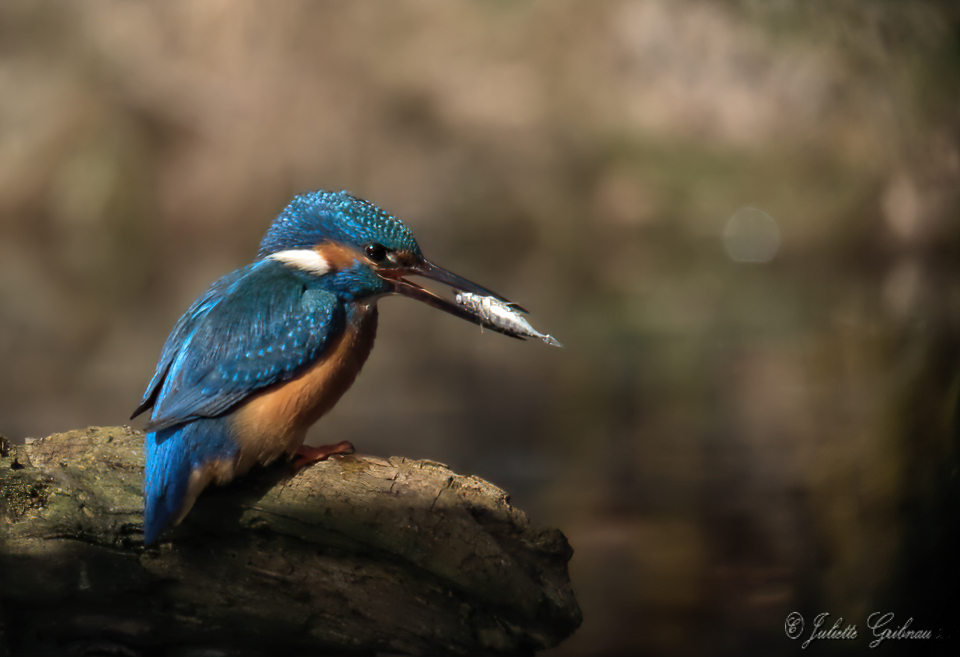
Bird hides
Most bird hides are difficult or impossible to reach with a mobility scooter, so you first have to ask for extra information. Well, that means making a list of which bird hides are and are not suitable for you.
And unfortunately, most bird hides are ruled out. Bumpy paths leading to them where your mobility scooter gets stuck, or where your back takes a hard hit. Or paths that are too narrow, causing damage to nature.
I could make a (short) list of which bird hides you could visit as a scootshooter, but... everyone's disability is different, so you still have to work it out for yourself.
A camouflage net works best for me. I spent hours puzzling over how to get the net properly over me and my mobility scooter, and how to make sure it would not blow or slide off.
My tip: weights, like the ones you use for tablecloths on a table outside on your patio. It turned out to be a solution for me, although I made a slightly heavier weight myself.
So far, I have only visited one bird hide where I could get in properly and sit comfortably. And then it is wonderful to be able to photograph there in peace, without having to struggle with a camouflage net.
Workshops
It often sounds so good: learning and practising photography with guidance from an expert!
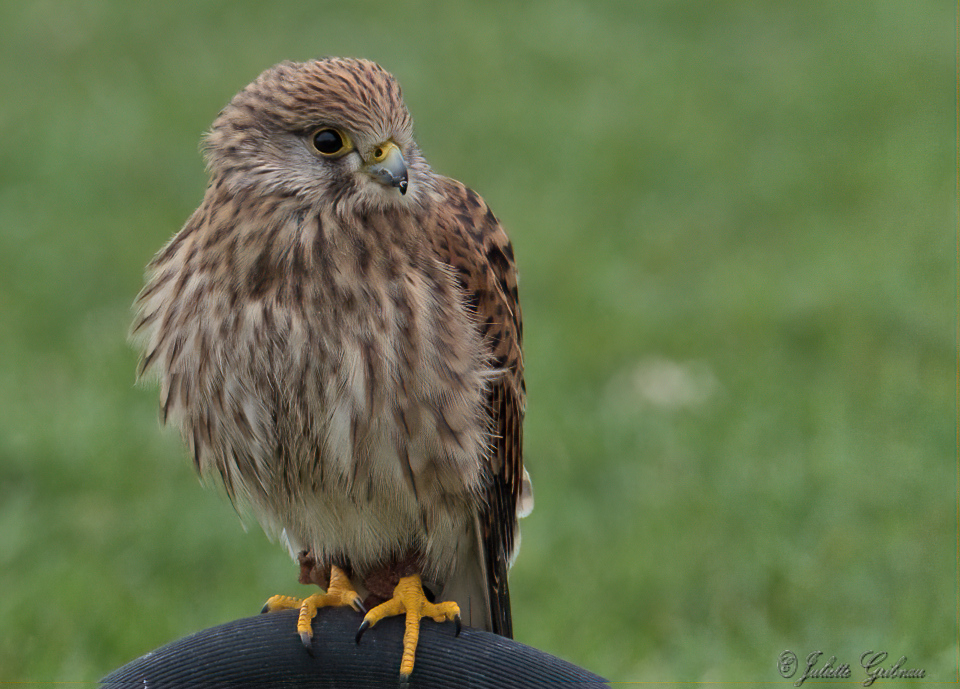
I attended a workshop (organised by Foto Konijnenberg in Den Ham) where a falconer flew his birds of prey, while a photographer gave advice on settings and technique.
Well... first we stood watching and listening to the falconer and the photographer (unfortunately I have forgotten his name) on a bumpy field (a meadow).
The first recommendation was a telephoto zoom lens... which I did not have. I did already have the 300mm pro, a prime lens. The photographer tried it briefly and said it was a very good lens.
The birds were all sitting on a small post, most of them wearing eye masks, with a chain attached to one leg and connected to the post. I have a problem with this, but that is not what this is about.
The first bird would fly from someone on one side of the meadow.. and fly straight to someone on the other side of the meadow.
When you can simply stand, you can follow the bird in the direction it is flying. But with a mobility scooter, you need both hands to turn your scooter on a bumpy meadow.... so your hands are not on your camera.
By the time you have turned... the bird has flown and landed. Well... that is a real shame. So I left the flying aside and bumped over to the posts with the other birds.
There, lying on my stomach, I was able to take some nice photos that I was pleased with.
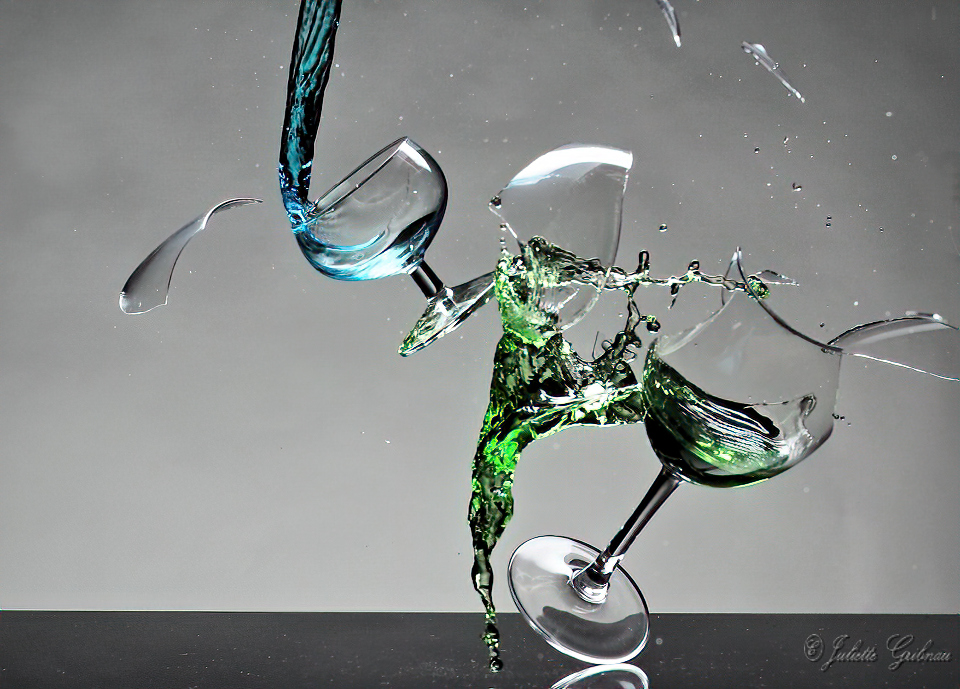
Another workshop that I really enjoyed was 'Smash your own glasses', given by Arend Spaans. This photographer had a better understanding of what photographing with disabilities involved because of his own experiences.
I did not really learn much here, but I watched the professional equipment with great admiration, seeing how it worked and what you could do with it. Everything was ready: time to play!
I would recommend it, but once again: everyone's disability is different. Ask for information first! Preferably by phone, because you can explain your question more clearly that way.
I have found my own way of going somewhere where I can gain new experiences (without any guidance, lessons or instruction). Through Pixfactory, I discovered the book The best photo locations in the east of the Netherlands.
The great advantage for scootshooters is that addresses are included. Complete with house numbers. This makes it possible to book a ride there with the Regiotaxi or Valys. And possibly arrange to be picked up again later.
And then: investigate. These books are also available for other parts of the Netherlands.
Finally: if you do not try anything... you will get nowhere!
So just give it a go. Go to a workshop, bird hide or wildlife screen. Take a practical or online course: you will always learn something or enjoy yourself.
And there is always the manual for your camera... do you still look at it now and then?
About the author
Juliette fotografeert nu meer dan 15 jaar. Haar specialisme ligt bij natuurfotografie. Zij fotografeert vooral vogels en insecten vanuit haar scootmobiel tijdens de vele lange ritten door de natuur.
You might also like
-
 Photographing from a mobility scooter
by Juliette Gribnau
-
 A day in a photography hide
by Erik Nevels
-
 The point or nonsense of a photography workshop
by Nando Harmsen
-
 Photographing birds? Practise first.
by Nando Harmsen
-
 A day photographing from a photography hide
by Nando Harmsen
-
 A workshop must not be an escape from your own uncertainty
by Michiel Heijmans
2 comments
-
 Tonny hoevers wrote on Thursday 15 October 2020 at 16:59 | reply
Nice blog, the Alblasserwaard photo hide is highly recommended for you
Translated from Dutch.
Tom Reuvers' workshops in his studio are also highly recommended -

 scoot-shooter
wrote on Friday 16 October 2020 at 09:58
| reply
scoot-shooter
wrote on Friday 16 October 2020 at 09:58
| reply
thank you Tonny for this recommendation !! Certainly also a nice addition for many readers. !
Translated from Dutch.
Have your say
Please note: Articles older than a week can only be commented on by signed-in visitors.Would you still like to comment? sign in or create a free account.
Become a better photographer every week
A practical photography tip in your inbox every week.
39,079 photography enthusiasts already receive the tips! More about the weekly mail. Or keep up to date via  Facebook.

Elja Trum
Photofacts; everything to do with photography!
Would you like to take better photos and keep up with what is happening in photography? Photofacts publishes articles that teach you something about photography — from a product announcement to a practical shooting tip or a look at a website. Photofacts covers photography every day and is a hobby project of Elja Trum's that got out of hand. The articles are written by a team of volunteer authors. If you would enjoy writing one or more articles for Photofacts, do get in touch.More about PhotofactsPhotofacts is made possible in part by
