

How does a limited edition work and what should you look out for?
Tuesday 8 May 2018, 16:32 by Elvira Smit | 10,549 views | 0 commentsThis article was translated from Dutch with the help of AI. Read the original.
There is something odd about fine art photography: artificial scarcity is deliberately maintained. Expensive photographs are (almost) always part of a limited edition. That is strange, since you could print a photo infinitely many times. So how does it work?
What is a limited edition?
When you buy a photograph, it is either part of a limited edition or an unlimited edition. Most photographs fall into the latter category: IKEA produces endless quantities of photographs with the same image.
But online you often deal with unlimited editions too, such as stock photos and image libraries for news photos.
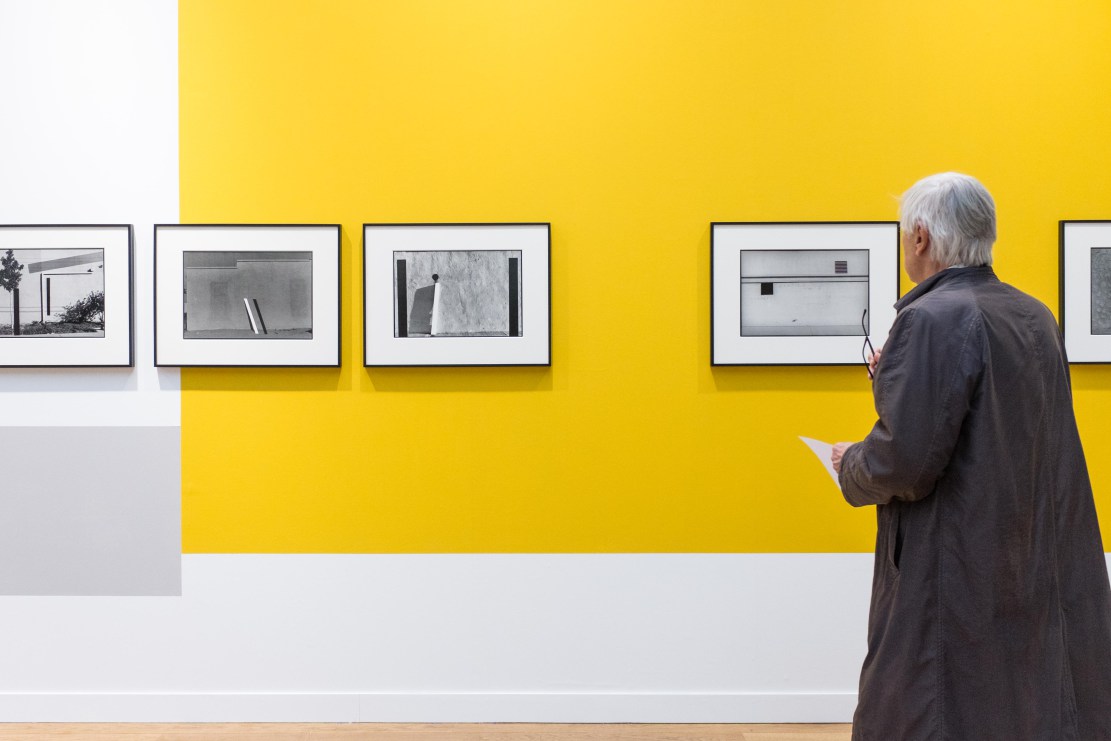
It is different with photographs sold at a gallery or displayed at an art fair. Suddenly, there is scarcity in the market. On (or next to) the photograph, you will see:
- The number of photographs in the edition
- The position of the photograph in the total series
For example: if you buy the 3rd photograph from a series of 20, the front or back of the photograph will say: 3/20.
About Artist Proofs
Most series consist of 5 to 30 prints of a unique photograph. Usually, around 2 Artist Proofs are added to these, indicated as + 2AP.
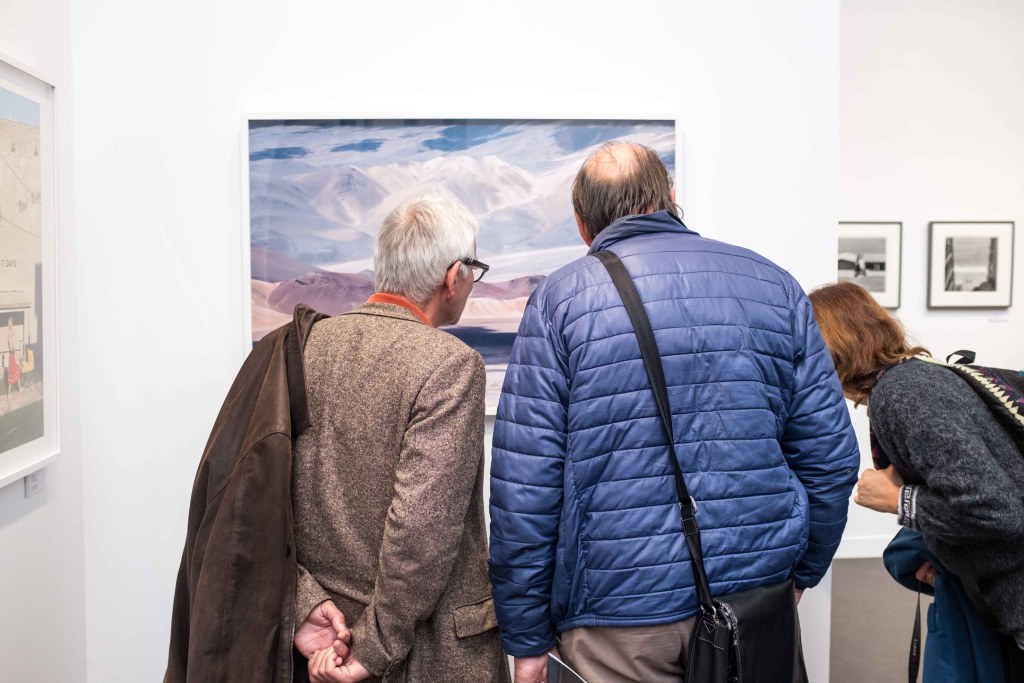
Artist Proofs are (officially) the first prints approved by the photographer after printing. The photographer usually keeps these himself. The print may later be offered for sale after the edition has sold out, at a much higher price. Or the photographer uses them to lend out temporarily for an exhibition.
Who decides the size of the edition?
The gallery and the photographer decide together how many prints of the photograph will be sold. And that is where the artificial scarcity begins. Without scarcity, there is no pressure to buy the photograph now. Besides, the photograph is hardly an investment if it can be printed endlessly.
When deciding the size of the edition, the photographer's popularity among collectors is taken into account, among other things: the more popular their work, the smaller the edition and the more expensive the photographs. If it is an up-and-coming photographer, the series is somewhat larger and the prices are lower.
With more well-known photographers, even the position of the photograph in the edition matters. If you buy the last photograph, it is almost always many times more expensive than the first few photographs.
Extremely large "limited" editions
Photographer Peter Lik makes optimum use of limited editions. He does stretch things rather far, though: 995 prints of each photograph are available. Each time 10 per cent of the prints are sold, the price rises significantly. The sooner you buy, the cheaper your print.
And he also has 45 Artists Proofs available. They are not intended for an exhibition, because Lik is not popular in that circuit at all.
No, he would rather sell those 45 prints for an even higher price than the regular prints. They shamelessly sell for 200,000 dollars or more.
Want to read more about this crafty businessman? I previously wrote an article about his clever tricks on my blog.

A bit of cheating
If you are not as crafty as Peter Lik, you can of course simply cheat. Wherever there is money to be made, people cheat. A well-known trick for getting even more money from a popular sold-out photograph is to offer it again in a slightly different format, as a new limited edition.
Strictly speaking, it is no longer the same photograph because of the different format. But it is still cheating. So always ask about the total number of editions released of this photograph.
And what if you, as a photographer, secretly print more photographs anyway?
A photographer would immediately ruin their own future if they personally put some extra prints up for sale. And so it rarely, if ever, happens. It is a world that keeps itself neatly in order, although it does push the boundaries when it comes to the crop of an image.
About the author
Ik heb een eigen fotografieblog, Kronkeling. Daar schrijf ik om de week twee artikelen. Over hoe je je blik kunt scherpen, je creativiteit kunt aanwakkeren, en over fotografen die mij inspireren. Geen technische zaken, wél over hoe je leert kijken. En dat blijkt nog een hele klus. Een mooi startpunt zijn de Kronkeltips, die vind je hier.
You might also like
-
 Review: Discover the World of Fine Art Photography with Micky Hoogendijk
by Michelle Peeters
-
 Have a choice? Choose an odd number
by Nando Harmsen
-
 Sigma introduces the 28-105mm f/2.8 DG DN Art lens
by Nando Harmsen
-
 Sigma introduces a 50mm F1.2 DG DN Art for L and E-mount
by Nando Harmsen
-
 Comparison of Profotonet photo papers
by Nando Harmsen
-
 Fine weather is boring for landscape photography
by Nando Harmsen
0 comments
Be the first to share what you think!
Have your say
Please note: Articles older than a week can only be commented on by signed-in visitors.Would you still like to comment? sign in or create a free account.
Become a better photographer every week
A practical photography tip in your inbox every week.
38,886 photography enthusiasts already receive the tips! More about the weekly mail. Or keep up to date via  Facebook.

Elja Trum
Photofacts; everything to do with photography!
Would you like to take better photos and keep up with what is happening in photography? Photofacts publishes articles that teach you something about photography — from a product announcement to a practical shooting tip or a look at a website. Photofacts covers photography every day and is a hobby project of Elja Trum's that got out of hand. The articles are written by a team of volunteer authors. If you would enjoy writing one or more articles for Photofacts, do get in touch.More about PhotofactsPhotofacts is made possible in part by
