

Photographing birds? Practise first.
Saturday 11 April 2026, 22:11 by Nando Harmsen | 1,824 views | 3 commentsThis article was translated from Dutch with the help of AI. Read the original.
Photographing birds is great fun. You can do it anywhere. In your garden, at a location with lots of birds, from a public bird hide or from a paid bird hide. Naturally, you want good results. That is why it is important to practise first.
I regularly see this happening on photo trips. Participants who want to take photos of unusual birds enthusiastically get started. The only problem is that they have no experience photographing birds in flight, and that is a shame.
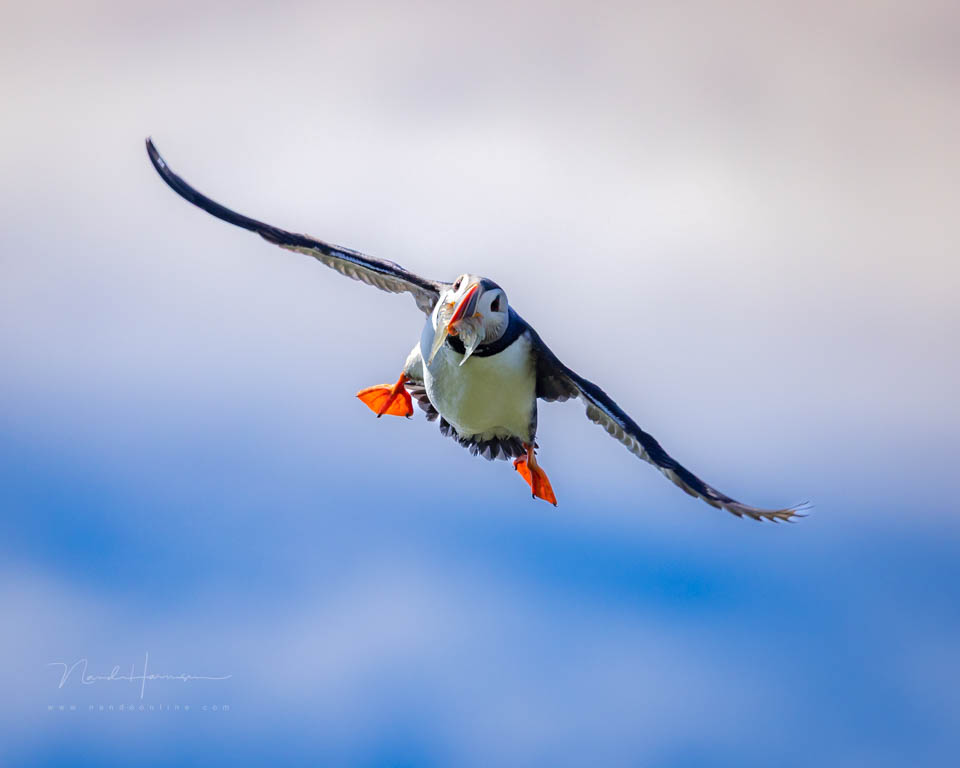
I sometimes see the frustration setting in. It does not work, or what they see on the screen afterwards is disappointing. Sometimes settings are changed without thinking, which has the opposite effect. The cause is a lack of experience.
As a guide, I find that frustrating too. It is not nice when participants do not succeed. They should have an enjoyable experience, not a frustrating one. You should be able to enjoy all those feathered friends fluttering around you.
Experience plays a major role in taking successful photos of birds, especially birds in flight. That is why practice is important. You do this before you go on a trip, not during the trip. In other words, go and practise.
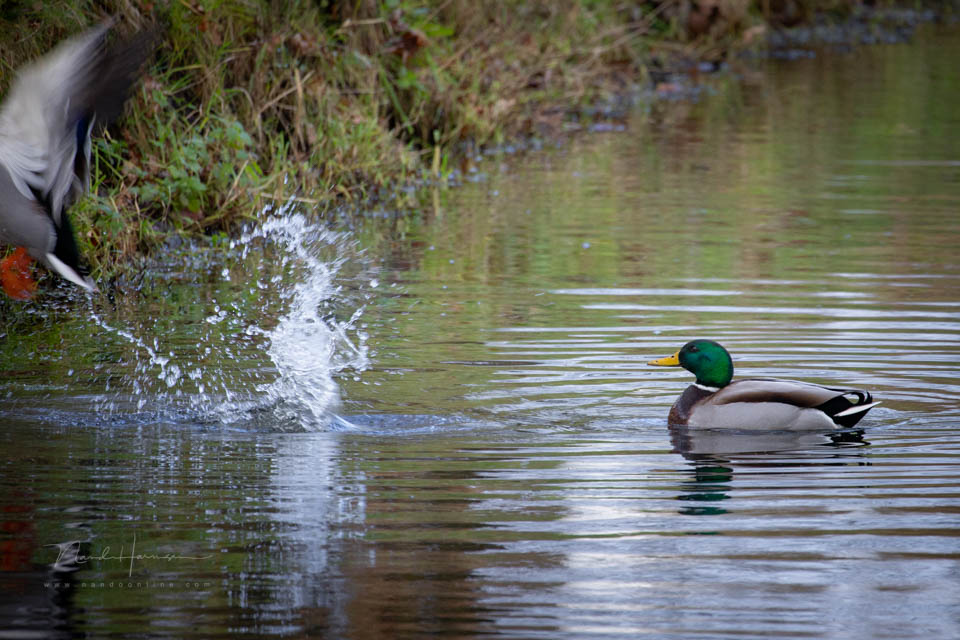
You do not have to practise with a sea eagle or a puffin. You can do it with the birds where you live, or close by. Find a place with gulls, jackdaws, geese or ducks. Anything that flies and has feathers is suitable.
Practise tracking birds in flight. Find out which settings work best for your camera and what you find comfortable to use. Learn your camera's limitations and the things you need to pay attention to.
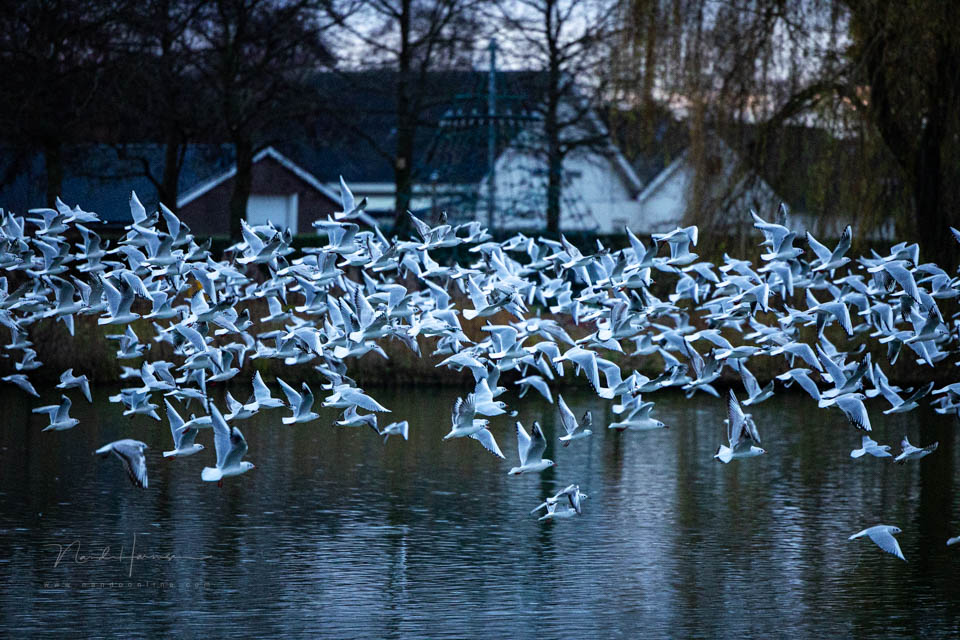
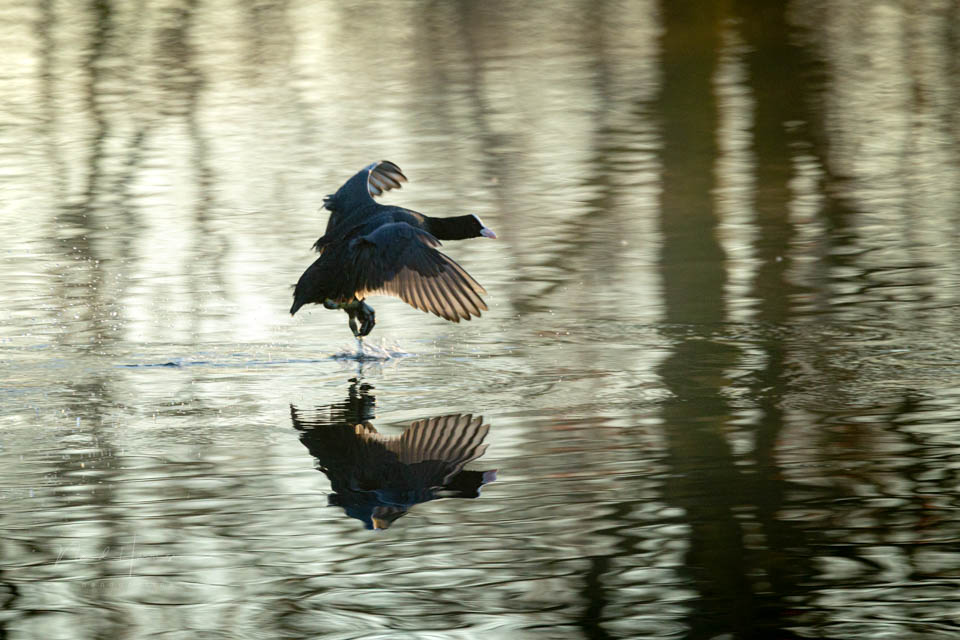
Do not do this just once, but very often. Start every few days, and study the results and where things go wrong. Keep practising, and you will notice that things keep getting better. Learn from your failures.
It is not a problem if you have to delete thousands of photos either. Every bird photographer will have to do this, including experienced bird photographers. But the more experienced you become, the more often you will get good results. Then you are truly ready for your photo trip.
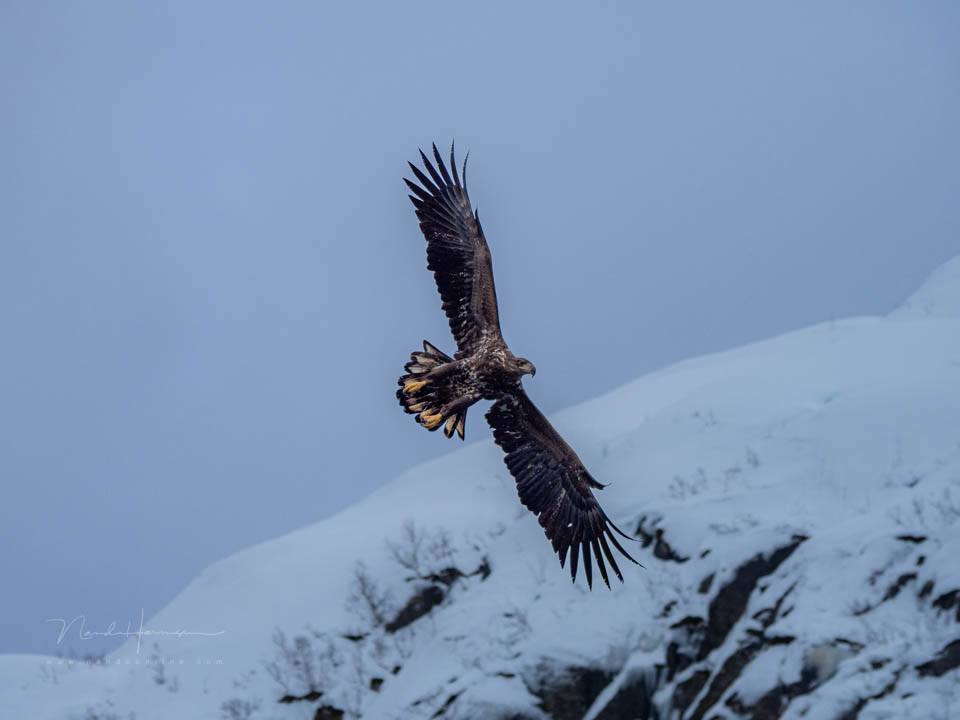
To return to the photo trips I lead, the disappointing results often turn out not to be so bad after all. There are almost always some good photos among them. And that is what matters. You do not need thousands of successful photos. Ten or so is enough.
About the author
Nando Harmsen has been photographing for more than 40 years. He specialises in wedding photography and landscape photography. Nando also gives talks, workshops, masterclasses and photo trips, and regularly reviews new and interesting equipment.
You might also like
-
 Photographing wildlife in your own back garden
by Elja Trum
-
 Bird photography often requires a lot of patience
by Erik Nevels
-
 Bird photography? Don't forget the common species.
by Nando Harmsen
-
 A telephoto lens isn't just for birds
by Erik Nevels
-
 Street photography tip: Photograph from a bird's-eye view
by Michiel Heijmans
3 comments
-
 Cor Kuijk wrote on Tuesday 14 April 2026 at 19:05 | reply
As always, practice makes perfect. Every pro knows that, at least 10,000 hours to become a master at something. Good luck
Translated from Dutch. -

-
Cor Kuijk wrote on Wednesday 15 April 2026 at 07:51 | reply
While popular culture often quotes 10,000 hours as the magic number to achieve world-class mastery in a field, this is more of a rule of thumb than a strict scientific law. Achieving "mastery" depends heavily on the complexity of the skill, the quality of practice, and your definition of a "master".
Translated from Dutch.

Have your say
Please note: Articles older than a week can only be commented on by signed-in visitors.Would you still like to comment? sign in or create a free account.
Become a better photographer every week
A practical photography tip in your inbox every week.
39,079 photography enthusiasts already receive the tips! More about the weekly mail. Or keep up to date via  Facebook.

Elja Trum
Photofacts; everything to do with photography!
Would you like to take better photos and keep up with what is happening in photography? Photofacts publishes articles that teach you something about photography — from a product announcement to a practical shooting tip or a look at a website. Photofacts covers photography every day and is a hobby project of Elja Trum's that got out of hand. The articles are written by a team of volunteer authors. If you would enjoy writing one or more articles for Photofacts, do get in touch.More about PhotofactsPhotofacts is made possible in part by
