

Night photography tip: choose the blue hour
Wednesday 23 February 2022, 22:11 by Nando Harmsen | 3,978 views | 0 commentsThis article was translated from Dutch with the help of AI. Read the original.
If you photograph something at night, you will be dependent on the available artificial light. This can look beautiful, but sometimes a little natural light makes a lovely addition. Combine the artificial light with the last light of the day, the blue hour.
The blue hour is the moment after sunset, just before night really falls. This blue hour comes after the golden hour, and despite its popular name, it officially lasts only about fifteen minutes. The name is correct, though, as the light is beautifully blue.
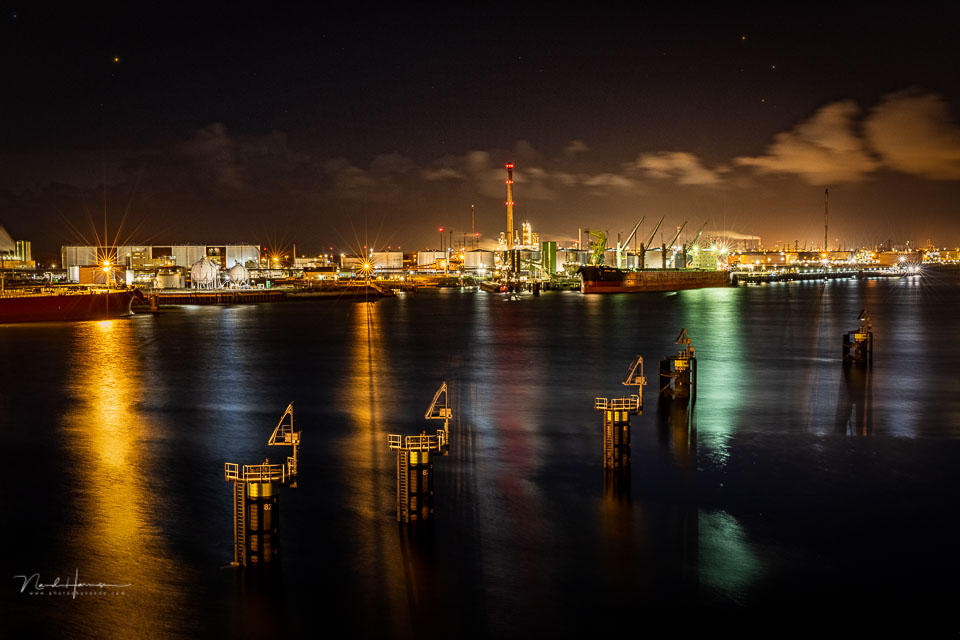
Although night photography is great fun, the area outside the reach of your light source can quickly become very dark, or even black. This is not a problem if your subject fills more than three quarters of the frame, but if it fills less, the amount of 'black' can make the photo rather... well, dark.
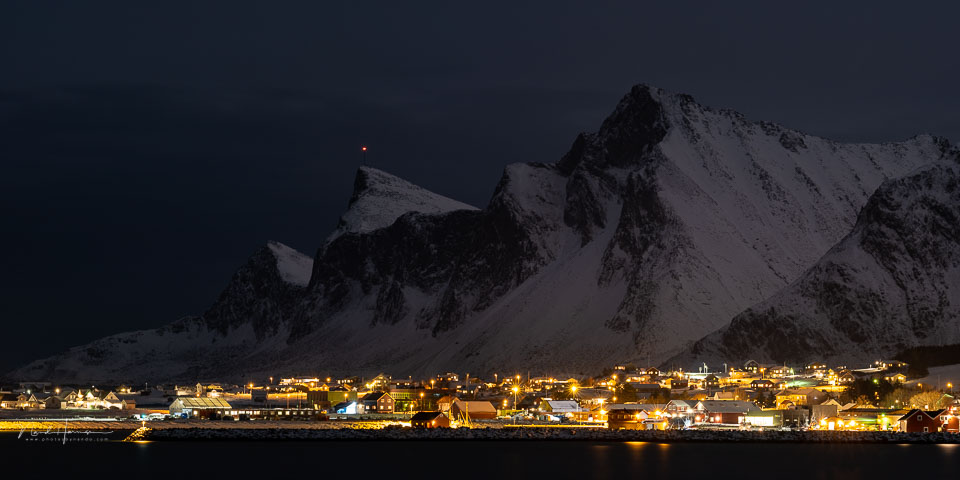
The amount of darkness does not of course have to be a problem. It may even be your aim. But also try taking a night photo during the blue hour. The combination of the blue daylight and the warm tones of the artificial light creates a beautiful contrast.
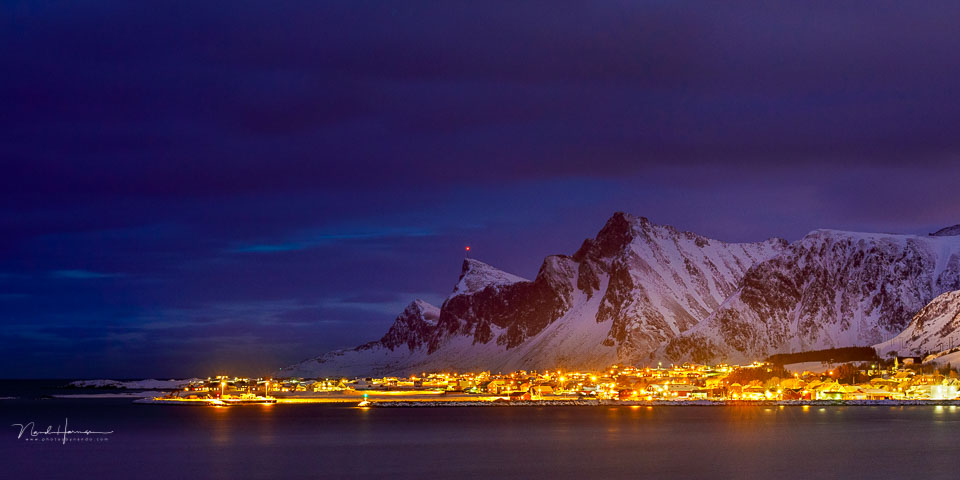
If you want to photograph a subject during the blue hour, make sure you arrive at your destination well in advance. Before you know it, the blue light will have disappeared.
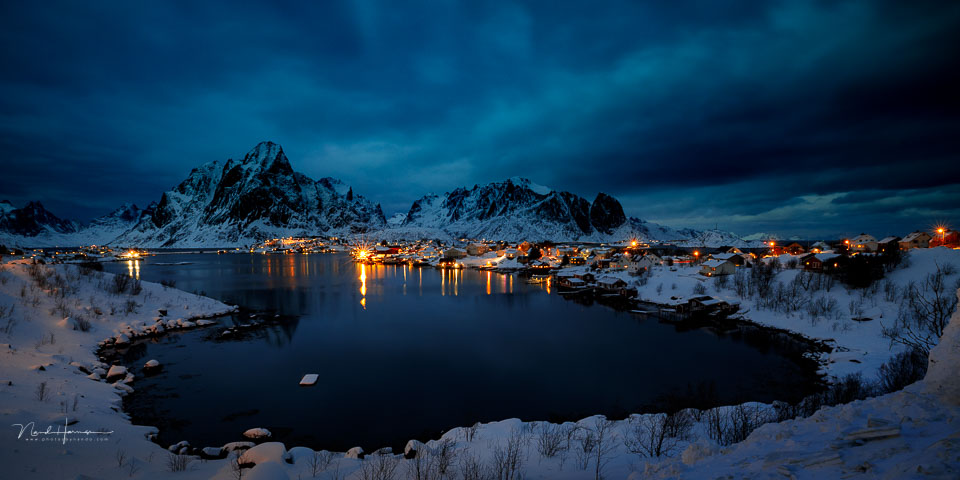
So remember, the blue hour lasts only about fifteen minutes. Capture this light in your night photo and it can create a particularly beautiful effect. Just give it a try.
About the author
Nando Harmsen has been photographing for more than 40 years. He specialises in wedding photography and landscape photography. Nando also gives talks, workshops, masterclasses and photo trips, and regularly reviews new and interesting equipment.
You might also like
-
 How blue can the blue hour be?
by Nando Harmsen
-
 Capturing the Blue Hour with Your Phone
by Elja Trum
-
 Night photography on Schiermonnikoog, part 1
by Erik Nevels
-
 Night photography tip: long exposure noise reduction
by Nando Harmsen
-
 Night photography tip: the eye is drawn to the brightest point
by Nando Harmsen
-
 Night photography tip: keep bright lights bright
by Nando Harmsen
0 comments
Be the first to share what you think!
Have your say
Please note: Articles older than a week can only be commented on by signed-in visitors.Would you still like to comment? sign in or create a free account.
Become a better photographer every week
A practical photography tip in your inbox every week.
39,024 photography enthusiasts already receive the tips! More about the weekly mail. Or keep up to date via  Facebook.

Elja Trum
Photofacts; everything to do with photography!
Would you like to take better photos and keep up with what is happening in photography? Photofacts publishes articles that teach you something about photography — from a product announcement to a practical shooting tip or a look at a website. Photofacts covers photography every day and is a hobby project of Elja Trum's that got out of hand. The articles are written by a team of volunteer authors. If you would enjoy writing one or more articles for Photofacts, do get in touch.More about PhotofactsPhotofacts is made possible in part by
