

The right way to learn from a book or video
Saturday 23 May 2026, 22:44 by Nando Harmsen | 1,358 views | 5 commentsThis article was translated from Dutch with the help of AI. Read the original.
The amount of learning material has increased exponentially with the internet. You are almost overwhelmed by instructional videos and articles. So much so that you could spend all your time on them. The question is, do you actually learn anything from them?
To answer this question, I will share my own experience. I thought Intentional Camera Movement was nonsense. I had tried it a few times, but it didn't look right. At the same time, the concept kept going round in my head.
What do you do then? You watch tutorials on YouTube.
One evening, I started watching one of the many videos available on YouTube. From there, I watched another video, and another, and another. Before I knew it, it was midnight and I was full of inspiration.
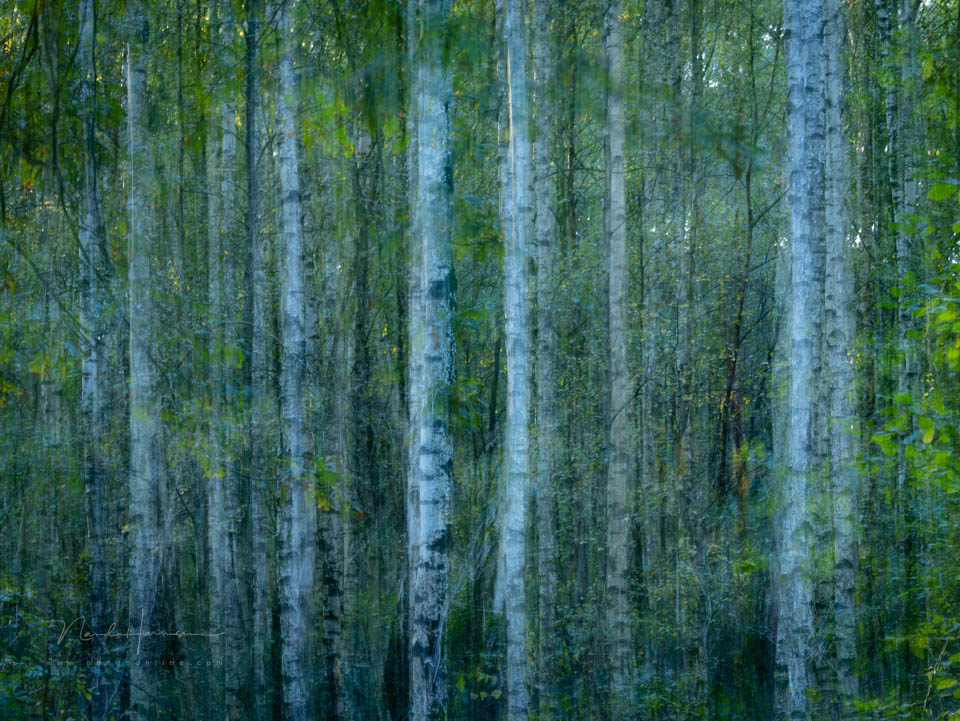
At that point, I thought I knew it all. Until I started practising ICM in the woods. And what was the result? It still didn't look right. I can tell you that this was particularly frustrating. After all, I had watched many hours of YouTube videos.
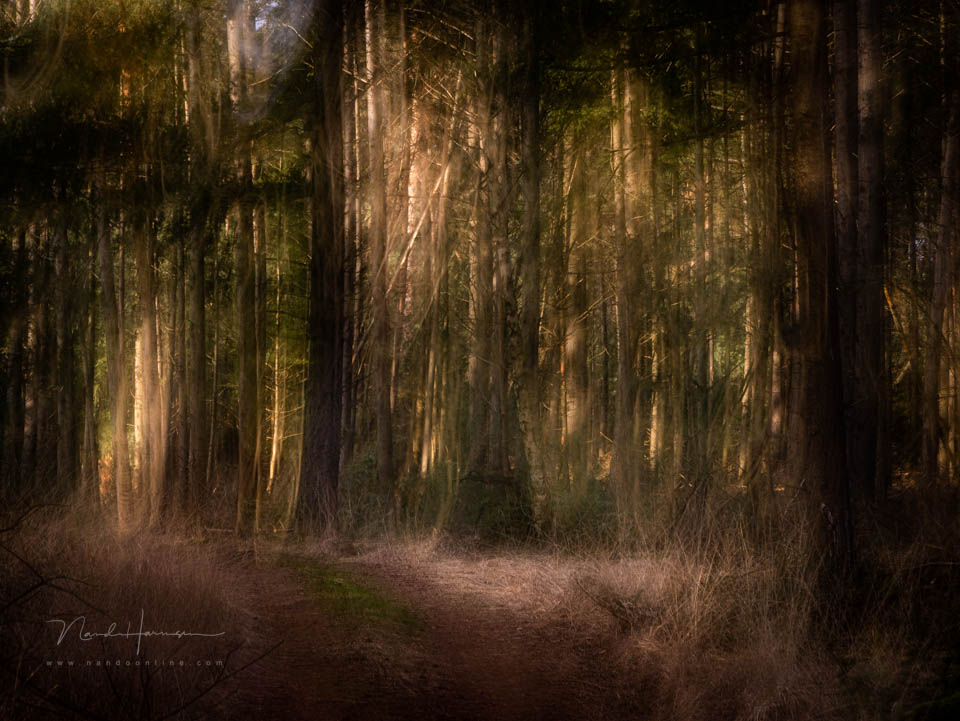
This experience tells you that watching videos or reading articles is not a way to learn how to use a photography technique. Of course, you learn things from educational material. But that doesn't mean you know how to use them.
The only way to really learn something is by doing it. You have to get away from that computer and pick up your camera. You have to go out and take photographs. You have to practise. You have to make mistakes and learn from them.
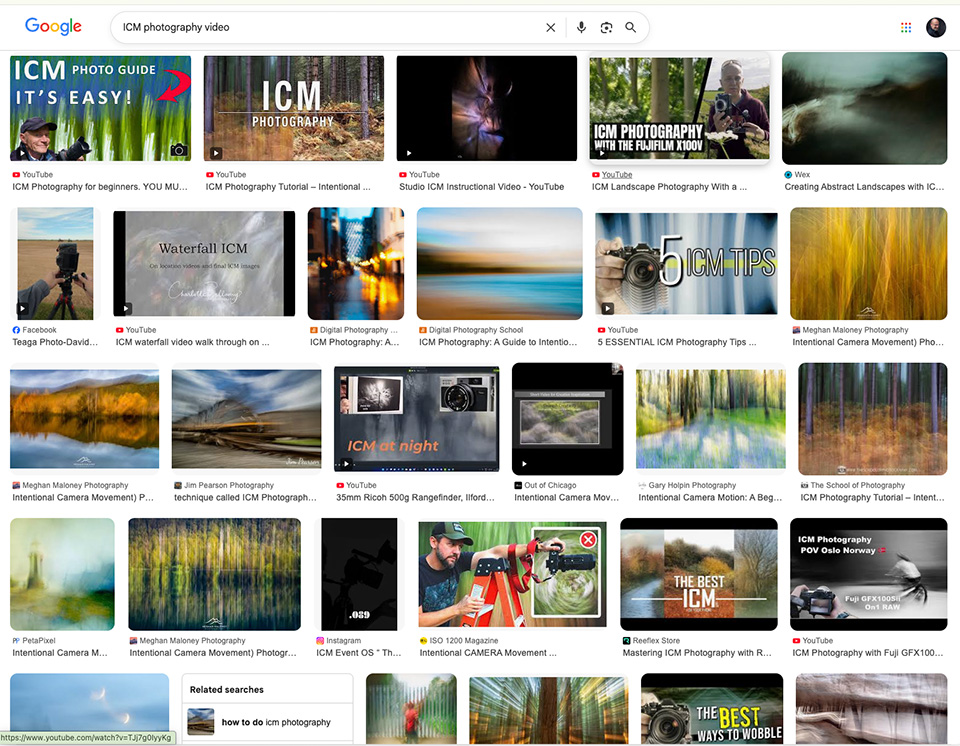
Are those videos and articles with all that information pointless, then? No, of course not. They can be a starting point, as they were for me. But it remains just theory.
Watch videos and read articles about the photography that interests you. But then go out and apply it in practice. Let it go wrong and get stuck. That is when, and only then, the videos and articles become useful again.
At that point, all that information gains more context. It is no longer abstract knowledge, but something you can apply. You start to understand why something is done. Not because someone tells you, but because you have experienced it yourself.
At Photofact Academy, we offer a wide range of educational material, both on photography and photo editing, although not on ICM yet. It is useful and educational. You will reap the benefits when you put the theory into practice.
About the author
Nando Harmsen has been photographing for more than 40 years. He specialises in wedding photography and landscape photography. Nando also gives talks, workshops, masterclasses and photo trips, and regularly reviews new and interesting equipment.
You might also like
-
 You have to practise to learn
by Nando Harmsen
-
 Review: Blurb photo books via Lightroom Classic
by Nando Harmsen
-
 Learn How the Exposure Meter Behaves
by Nando Harmsen
-
 Focus stacking: experimenting is learning
by Juliette Gribnau
-
 Landscape photography tip: learn to see instead of look
by Nando Harmsen
5 comments
-
 Donald Willemsen wrote on Tuesday 26 May 2026 at 16:28 | reply
A well-known proverb says: 'By doing, one learns.'
Translated from Dutch.
'Practice makes perfect' is another one.
I will certainly take such a course, Nando, but apply it myself? No, definitely not. I don't exactly cheer when I see ICM photos. Still, I do think it is important to be aware of the theory and technique. -
 ALAIN wrote on Tuesday 26 May 2026 at 18:34 | reply
Books, courses and videos give you knowledge and keys.
Translated from Dutch.
If you get to work with that, you acquire insight.
Only when you have insight into a certain subject (e.g. photography - or a specific speciality such as portrait, macro, ICM...) can you start applying the knowledge you have acquired creatively.
And of course do, do, do, so that, when you press the button, you already know what your photo will look like.
In the analogue era this was very important: there was little room for failures, and experimenting was expensive and the results only became visible after hours of work in the darkroom. -
 Paul Lefevere wrote on Tuesday 26 May 2026 at 21:22 | reply
It remains subjective of course, but I prefer the first version over the second...
Translated from Dutch. -

-
 Jannie wrote on Thursday 28 May 2026 at 14:34 | reply
when I see/read something that interests me I often first watch tutorials etc. to get some more info or inspiration. Then I decide whether it seems like something I'd like to try myself
Translated from Dutch.

Have your say
Please note: Articles older than a week can only be commented on by signed-in visitors.Would you still like to comment? sign in or create a free account.
Become a better photographer every week
A practical photography tip in your inbox every week.
39,079 photography enthusiasts already receive the tips! More about the weekly mail. Or keep up to date via  Facebook.

Elja Trum
Photofacts; everything to do with photography!
Would you like to take better photos and keep up with what is happening in photography? Photofacts publishes articles that teach you something about photography — from a product announcement to a practical shooting tip or a look at a website. Photofacts covers photography every day and is a hobby project of Elja Trum's that got out of hand. The articles are written by a team of volunteer authors. If you would enjoy writing one or more articles for Photofacts, do get in touch.More about PhotofactsPhotofacts is made possible in part by
