

The ideal all-round lens for Micro Four-Thirds
Sunday 15 March 2026, 20:10 by Nando Harmsen | 1,560 views | 8 commentsThis article was translated from Dutch with the help of AI. Read the original.
After 16 days of photography in Lofoten with the Olympus M.Zuiko 12-100mm f/4 PRO, I have got a good impression of this lens. How did I find it, and is it worth recommending? Be inspired by this article.
I previously wrote an article about my choice of the perfect lens for my Olympus camera. I chose the M.Zuiko 12-100mm f/4 PRO.
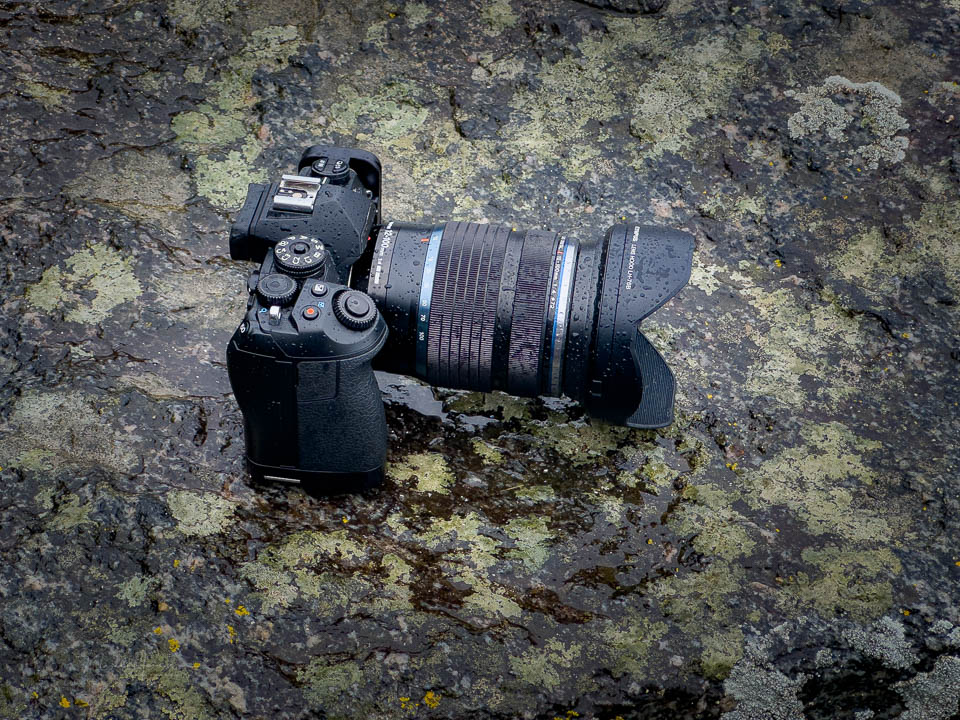
I used this Micro Four-Thirds (MFT) lens during the two consecutive photography trips to Lofoten in Norway. It has an angle of view equivalent to 24-200mm on full frame. This makes it very versatile.
I used the Olympus with this lens as my main camera. For extreme wide-angle shots, the Northern Lights and wildlife photography, I used my Canon R5. I had 12mm, 15-35mm and 100-500mm lenses available for that.
The biggest advantage I experienced was the flexibility of this lens. The angle of view of the 12mm (24mm full-frame equivalent) is perfect for most wide-angle shots. But it also lets you zoom in quite a lot when you want to.
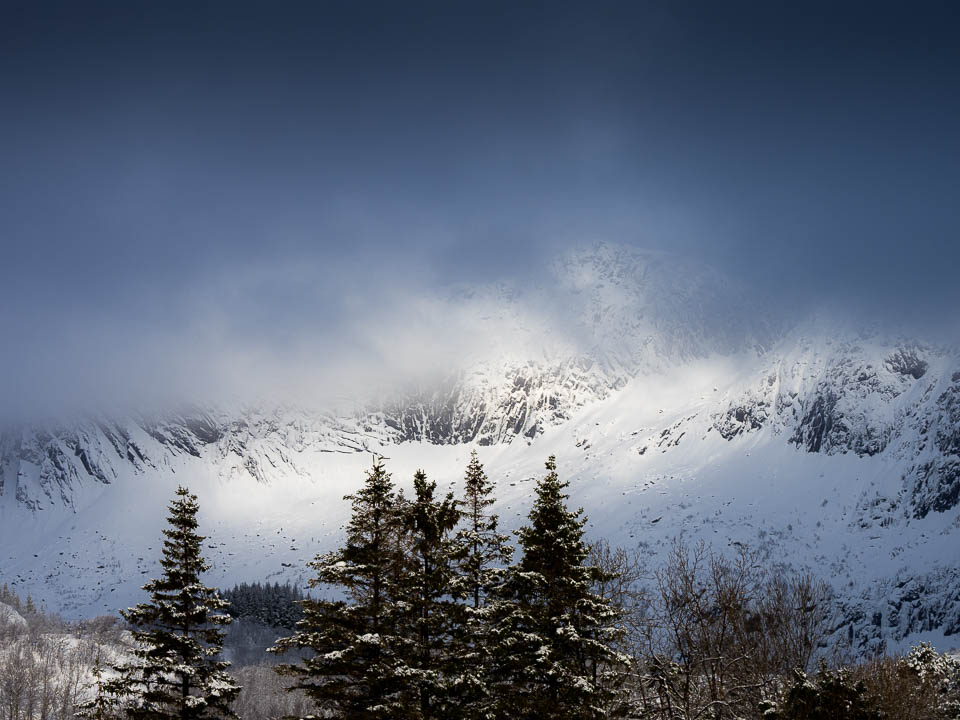
The Olympus's image stabilisation works together with the camera, reducing the need for higher ISO values or using a tripod. Of course, having the security of a tripod is always preferable in darker conditions.
The 12-100mm has f/4 as its widest aperture throughout the entire range. That might seem like a disadvantage, but I didn't experience it as such. This lens simply isn't intended for taking photos with a (very) shallow depth of field.
Most of the apertures I used were f/5.6 to f/11. Simply because, in most situations where this lens comes into its own, greater depth of field is the best choice. The small sensor also helps you maintain sufficient depth of field at wider apertures.
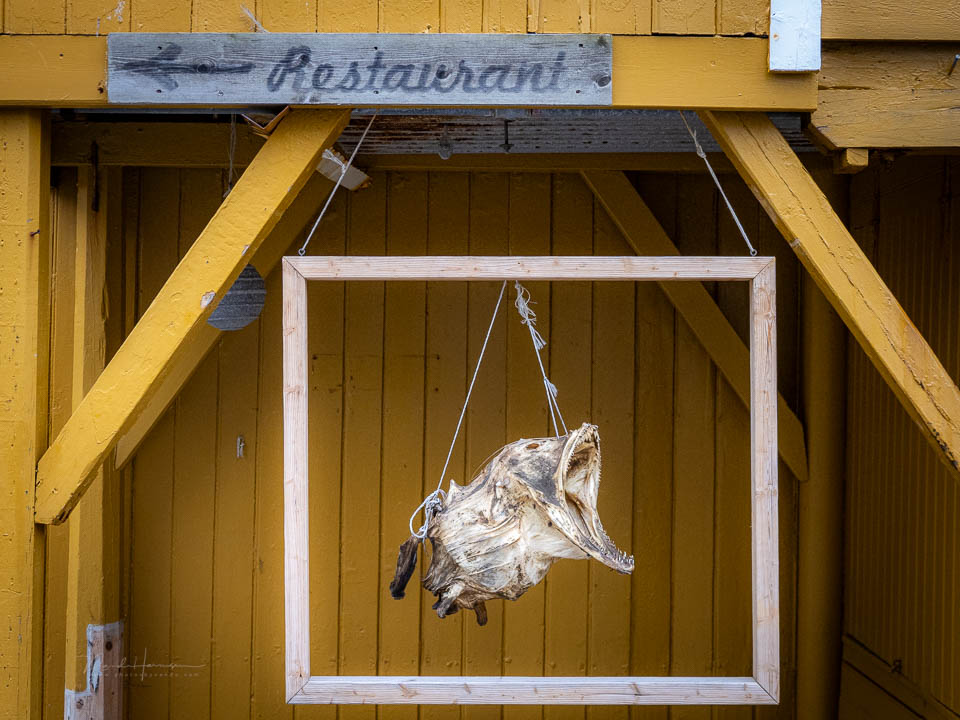
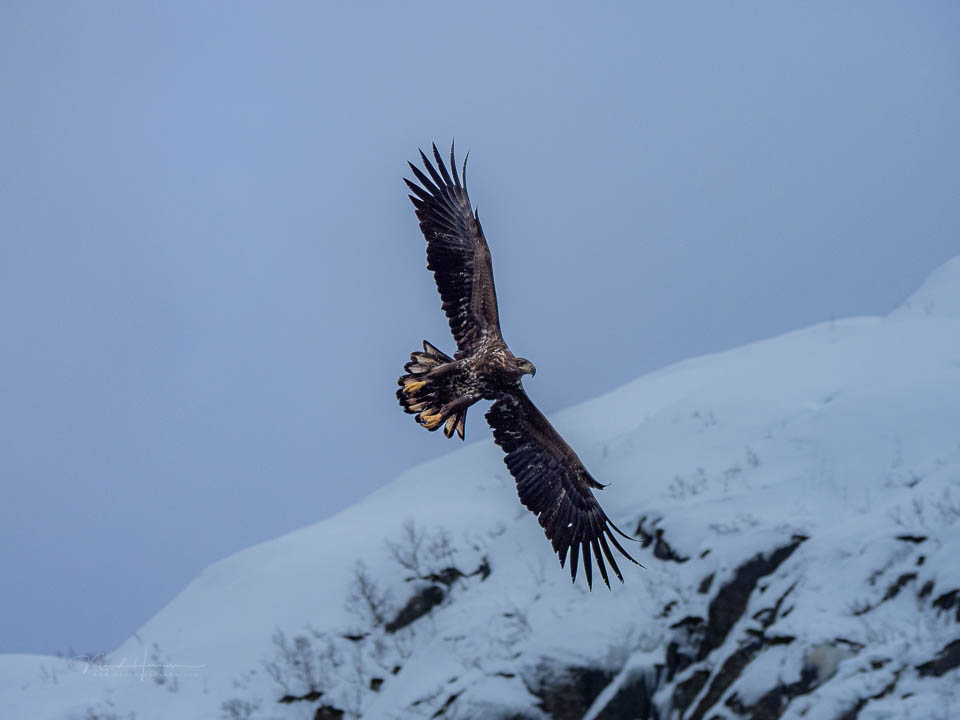
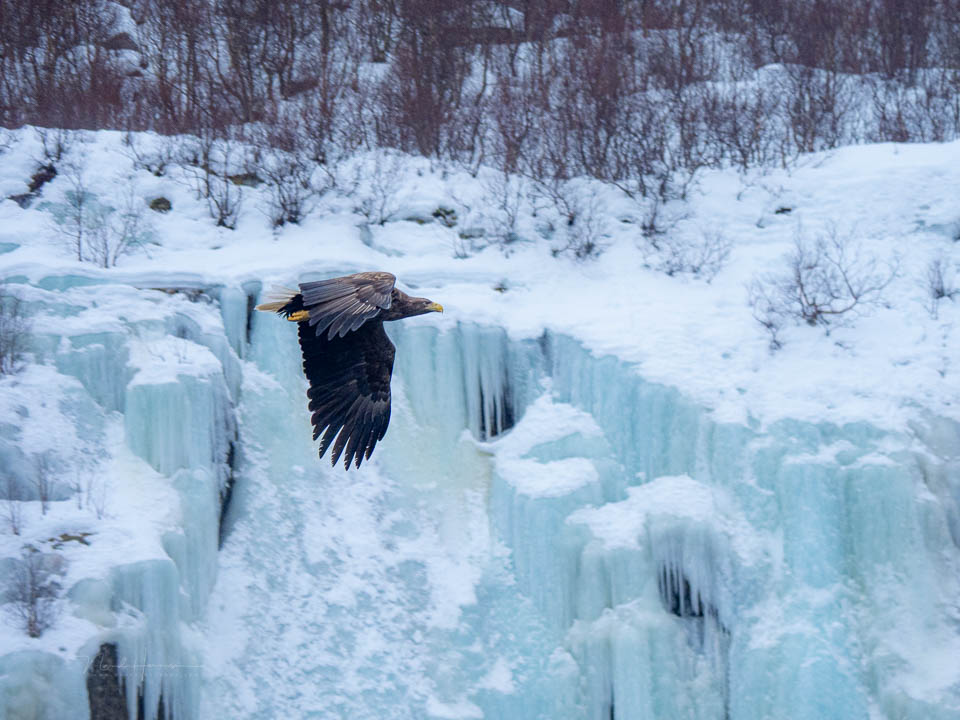
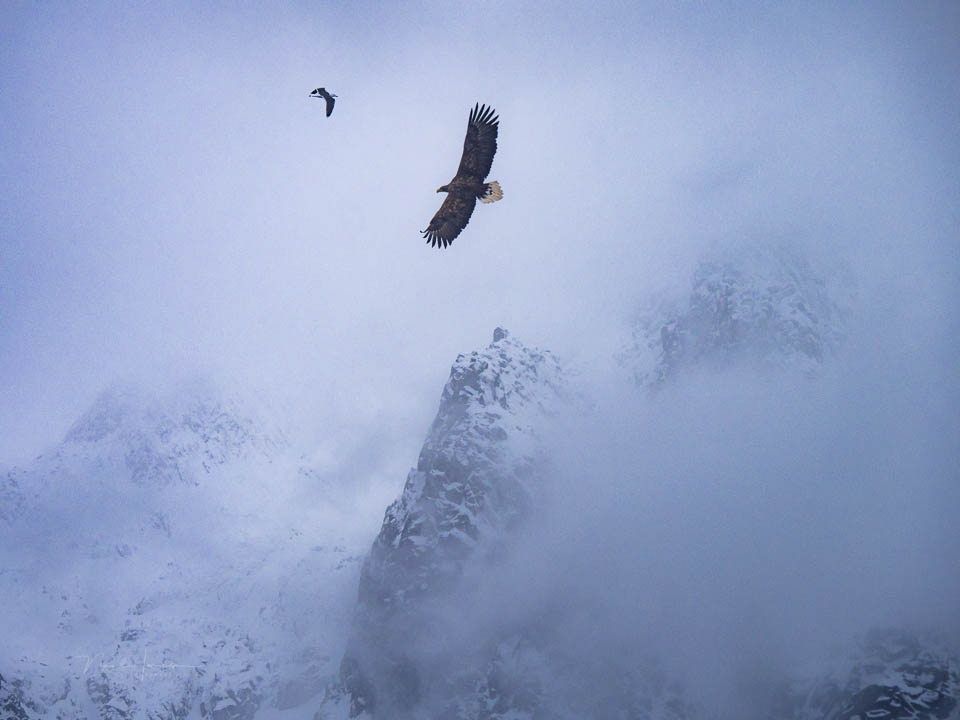
I also used the lens for photographing white-tailed eagles. The 100mm (200mm full-frame equivalent) doesn't offer any real close-up possibilities, but it was enough for the situation I was photographing in.
Zooming out to 12mm gave me more options for creating compositions of white-tailed eagles 'in the landscape.' That was also what I wanted. The 12-100mm was ideal for this. Unfortunately, the camera itself was a limiting factor for fast action.
The M.Zuiko 12-100mm f/4 PRO positively surprised me. For me, it has been the ideal lens. Versatile, flexible, compact and not afraid of a heavy shower either.
I really enjoyed using the 12-100mm and will certainly use it more for my photography. That doesn't mean I'll leave my Canon at home from now on. It does mean I'll use the Canon more for specific purposes, and the Olympus for more general photography.
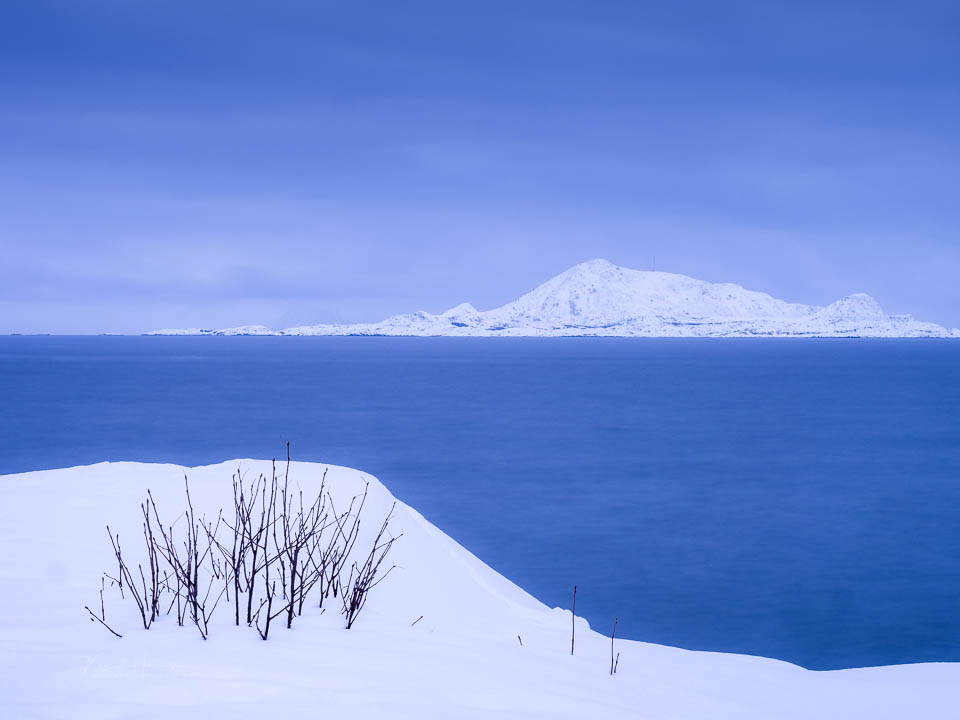
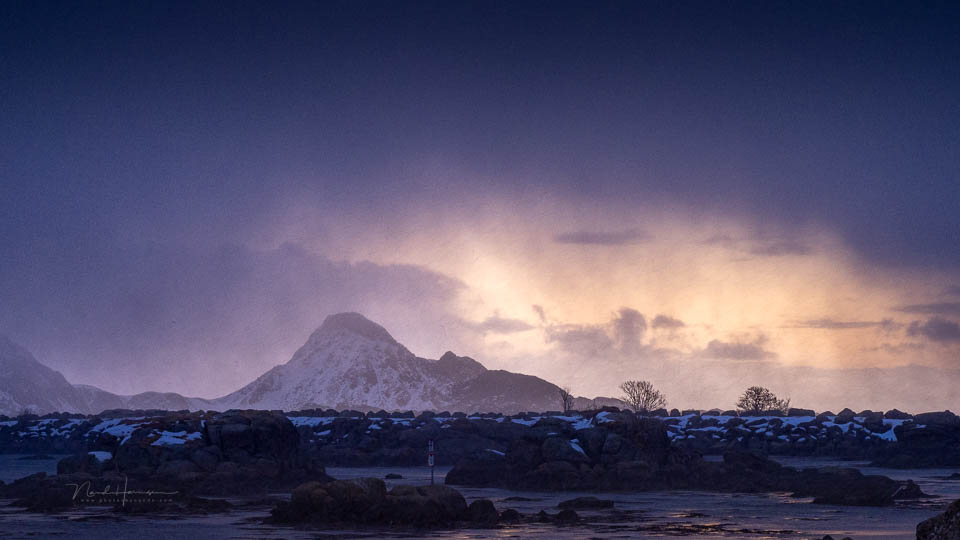
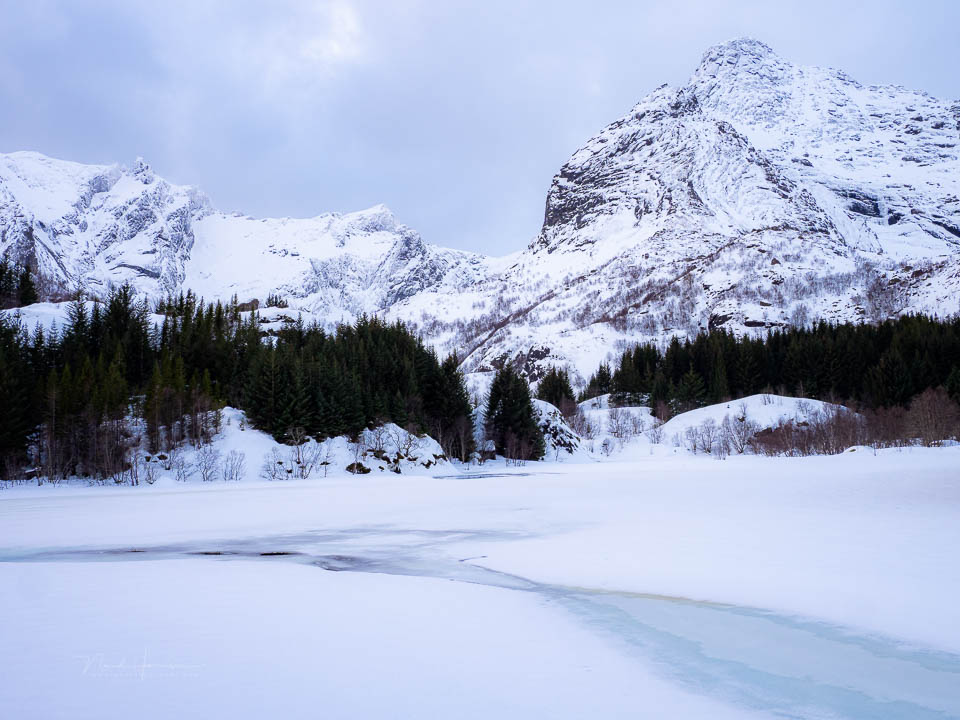
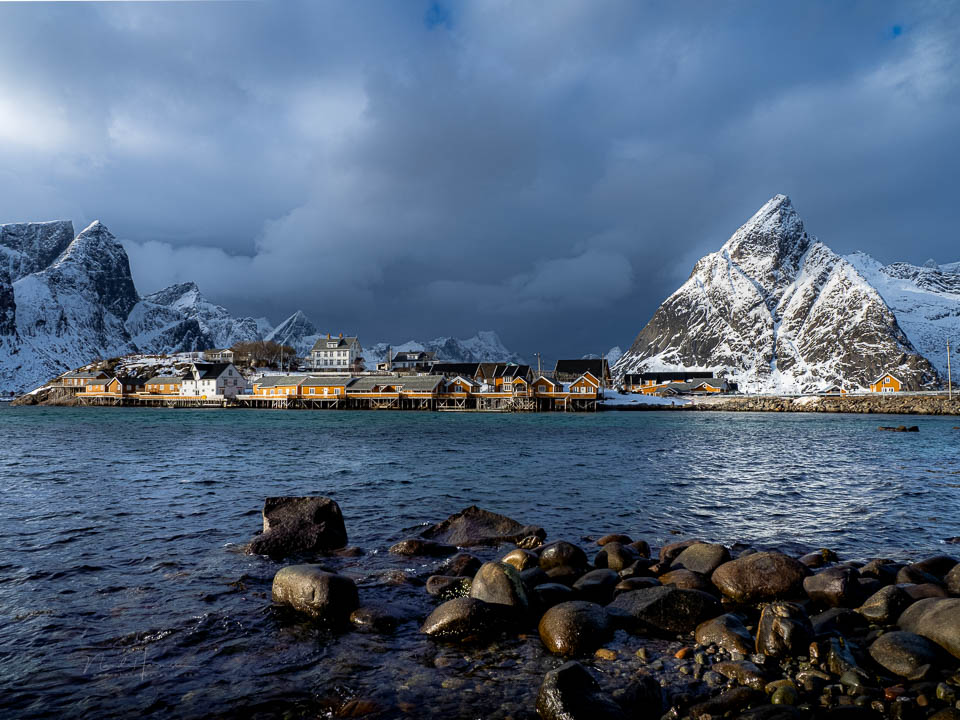
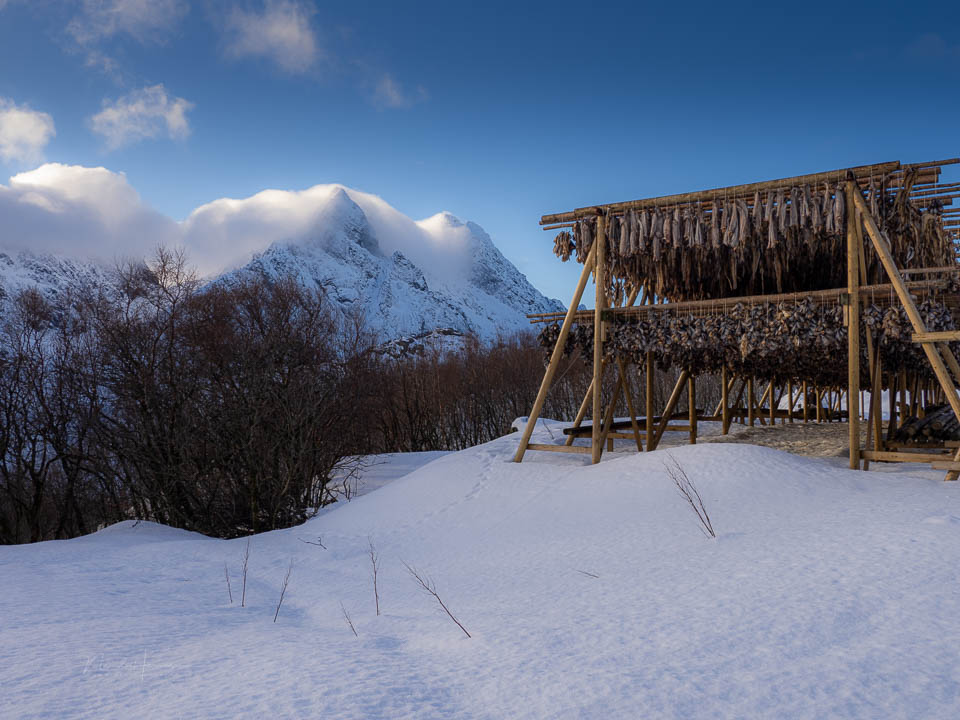
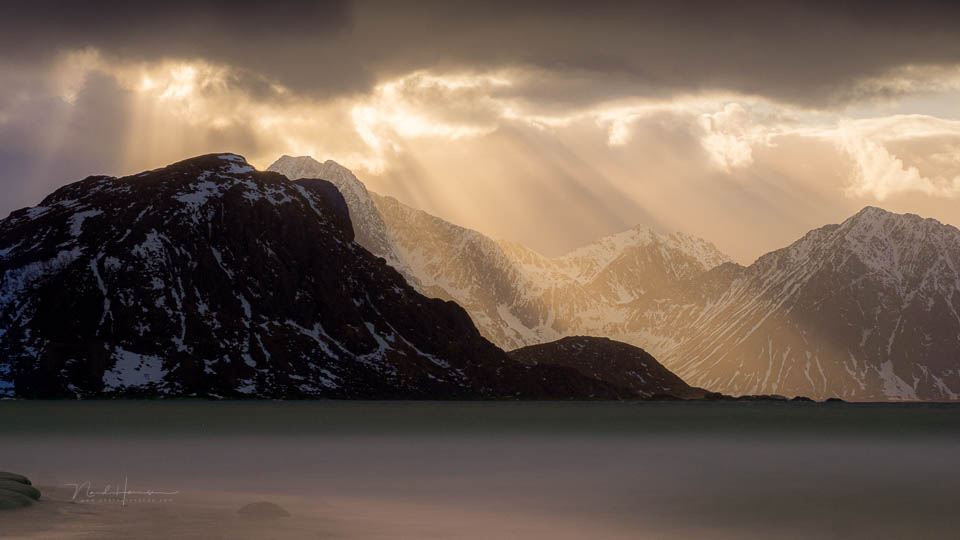
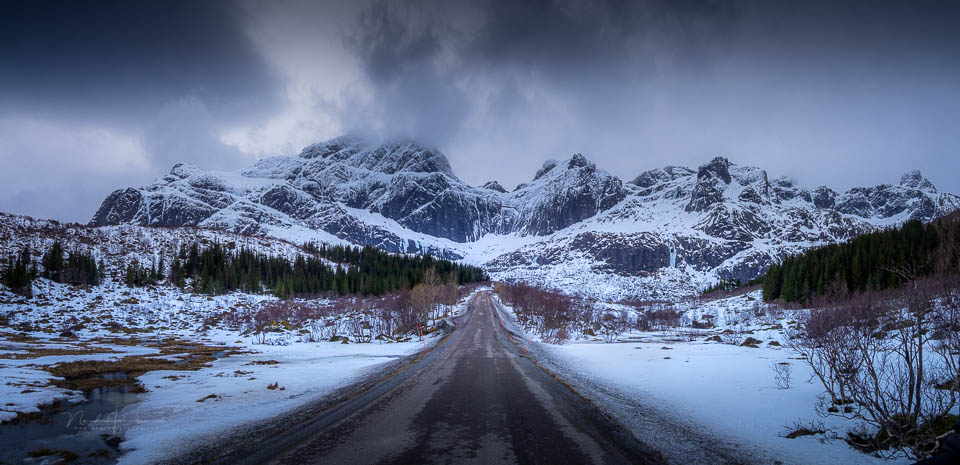
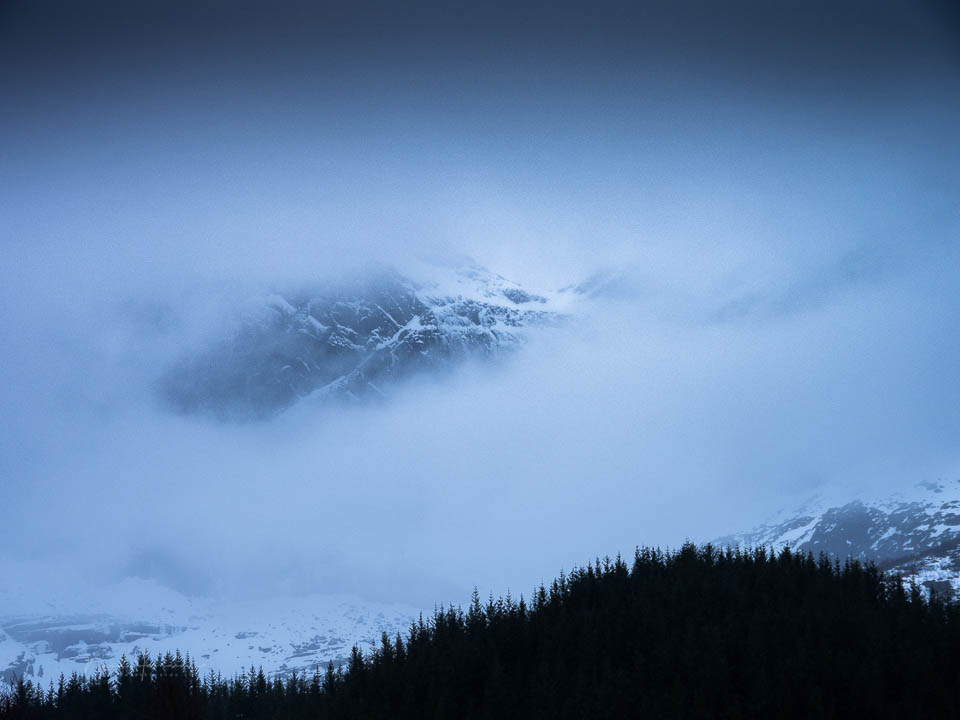
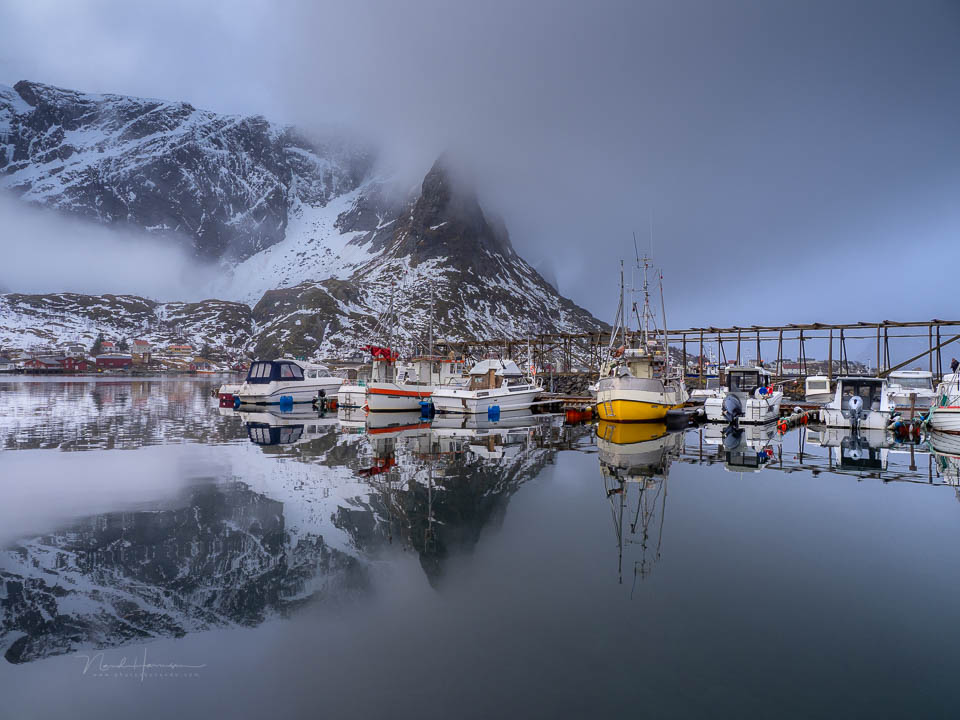
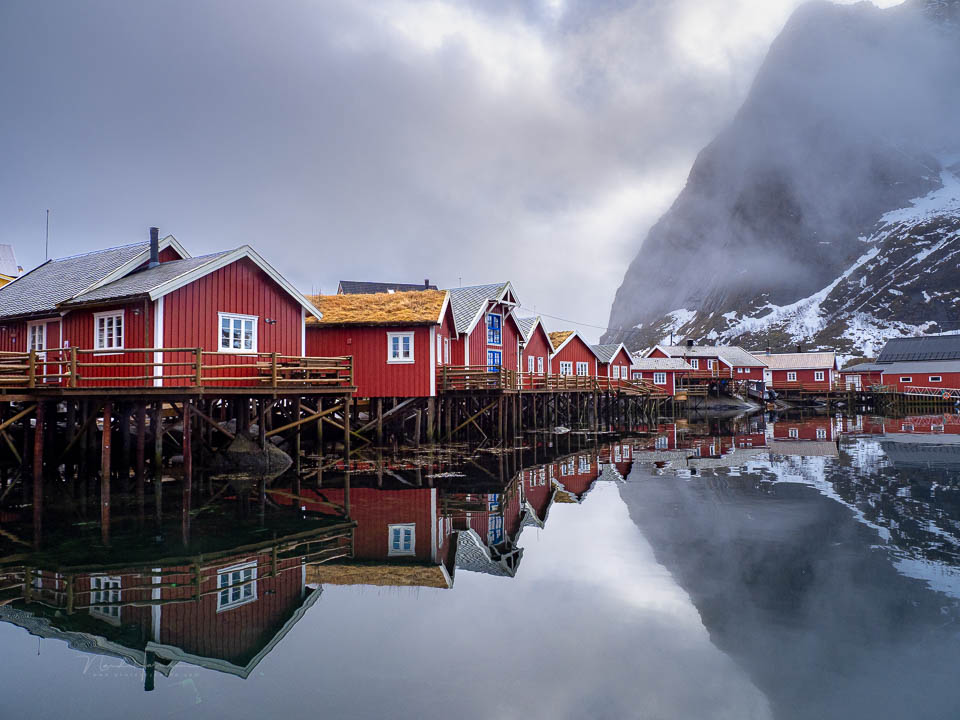
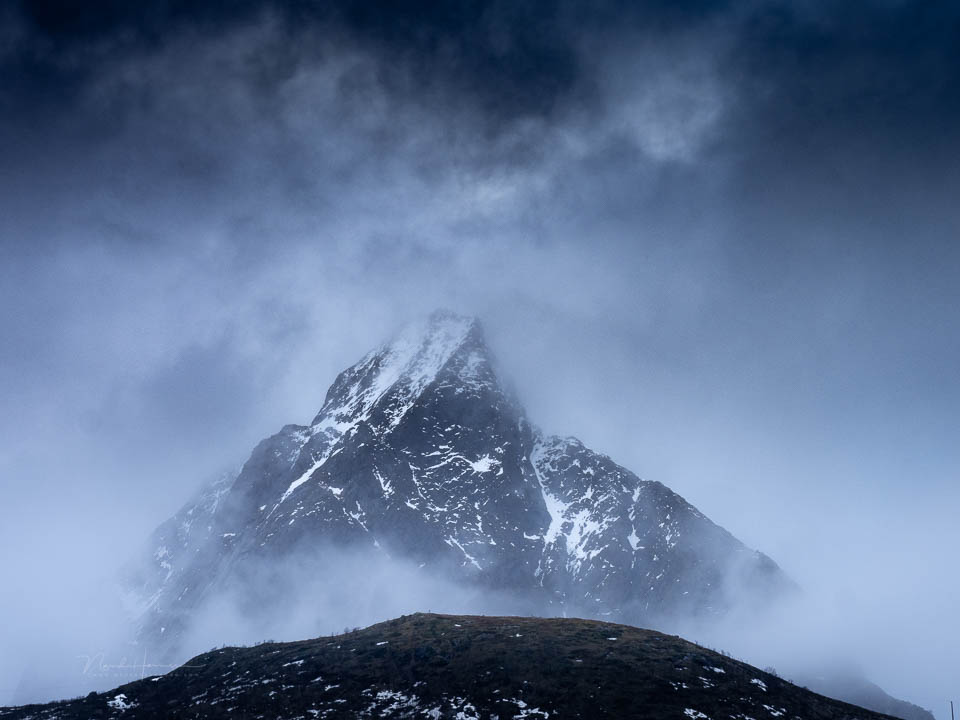
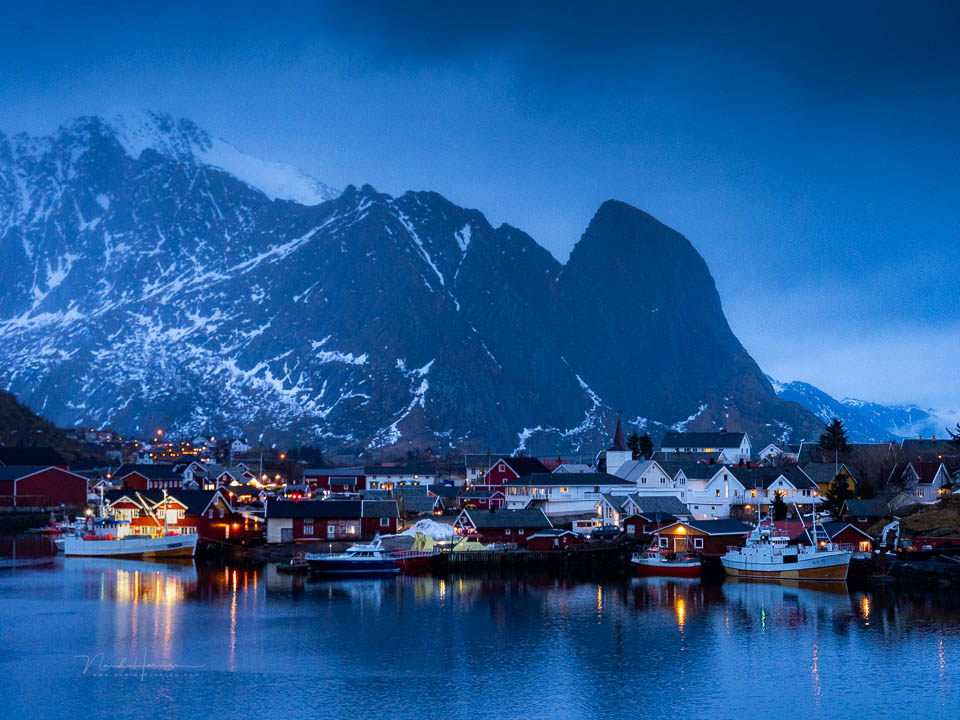
Let the following series of photos inspire you. They were all taken with the Olympus Om-D E-M1 mark III, fitted with the M.Zuiko 12-100mm f/4 PRO lens.
The focal length I have given is the actual value, and has not been converted to a full-frame equivalent. You can do that yourself if you wish. Use a crop factor of 2x.
About the author
Nando Harmsen has been photographing for more than 40 years. He specialises in wedding photography and landscape photography. Nando also gives talks, workshops, masterclasses and photo trips, and regularly reviews new and interesting equipment.
You might also like
-
 The perfect lens for Micro Four Thirds
by Nando Harmsen
-
 Olympus OM-1 micro four-thirds camera announced
by Elja Trum
-
 Olympus OM-3 announced
by Elja Trum
-
 The unique features of an Olympus
by Nando Harmsen
-
 Olympus's Live Bulb in practice
by Nando Harmsen
-
 An inspiring trip to Lofoten, Norway
by Nando Harmsen
8 comments
-
 eddy wrote on Tuesday 17 March 2026 at 13:39 | reply
When I switched from the Olympus E-30 to the OMD E-M1mk2 in 2018, I bought it with the 12-100. The ideal combo for travelling and walking or cycling. "You should definitely also test this lens at its shortest focusing distance" (pseudo-macro).
Translated from Dutch.
In the meantime, I have quite a collection of mFT/pro and FT lenses from Olympus, all very high quality and weather-resistant.
Glad to also read an article about mFT and Olympus/OM for once, it’s not the pixels and sensor size that make good photos. -
 Leen Koper wrote on Tuesday 17 March 2026 at 14:02 | reply
I completely agree with you. I made a similar trip of 6 weeks along the Norwegian coast, only with a Panasonic camera, so also m43 format, only with a 14-140 and an Olympus 8-25, and achieved excellent results with that. After more than 45 years of professional photography, of which more than 25 years digitally, I have come to the conclusion that a larger format is normally really nonsense. After all, almost all photographs are printed hardly larger than 30x40. And should that be the case, that can be done without any problem in a larger format. For example, I delivered an excellent wedding photo with a length of 1.70 meters. On top of that, the requirements for that are considerably lower, for the very simple reason that the distance from which it is viewed is considerably greater than with a smaller format. The m4/3 format comes across excellently in virtually all photos. And just look at the size and weight you can work with. After all those years of working with Hasselblad, Mamiya and Zenza Bronica and 35mm, I am once again happily heading out with 1/3 of the weight and that for a fraction of the price!
Translated from Dutch. -

 Nando
wrote on Tuesday 17 March 2026 at 14:33
| reply
Nando
wrote on Tuesday 17 March 2026 at 14:33
| reply
Sensor size never plays a role in print size. Resolution can be the limiting factor.
Translated from Dutch.
But as you say, viewing distance plays a role in that. Since the 10-megapixel threshold was crossed, resolution hardly plays a role in prints anymore. -
 Hans wrote on Tuesday 17 March 2026 at 14:22 | reply
Hi Nando, thanks for this fascinating article.
Translated from Dutch.
A question. You write (when photographing sea eagles): "The 12-100mm was ideal for that. Unfortunately, the camera itself was a limiting factor for the fast action".
What did you find was the limiting factor with this camera? It's a very fast camera, isn't it? -
Nando
wrote on Tuesday 17 March 2026 at 14:35
| reply
You mean the frame rate? That indeed isn't a limiting factor. The autofocus is. No idea what the newer generation Olympus and OM System cameras are like, but the autofocus of the E-M1 Mark III isn't very good at finding and tracking these birds.
Translated from Dutch. -
 Ron wrote on Tuesday 17 March 2026 at 16:13 | reply
I bought my OM1-MII last year with this lens and am very enthusiastic about it.
Translated from Dutch.
Recently I also bought the new 50-200 pro lens and received a 1.4x teleconverter as part of a promotion.
I really like the M43 system, no FF for me ?? -
 Vanlerberghe Patrick wrote on Wednesday 18 March 2026 at 07:10 | reply
Hi Nando, thanks also for the article about the Oly-OM system, the danger does exist though ..... addiction, I have a bit of experience with Canon and Sony and especially Nikon (DSLR and mirrorless) but after buying an Oly body (EMD E M1MKII) a few years ago with several pro lenses and in the meantime the OM collection has grown considerably, this has definitely become my most used photographic equipment, which does not mean that my FF Nikon is not excellent too, but the smaller and lighter Oly-OM cameras and lenses are simply really pleasant to work with the many special features and the results are more than decent and usually excellent or extraordinary. So beware of addiction ????
Translated from Dutch. -
Nando
wrote on Wednesday 18 March 2026 at 10:36
| reply
I'm not afraid of addiction, you know.
Translated from Dutch.
I use the camera I find most suitable for what I want to photograph, and the brand or sensor size is of secondary importance in that regard.
I switch between Canon, Olympus and Fujifilm and the brand is irrelevant to the photo.
Have your say
Please note: Articles older than a week can only be commented on by signed-in visitors.Would you still like to comment? sign in or create a free account.
Become a better photographer every week
A practical photography tip in your inbox every week.
39,079 photography enthusiasts already receive the tips! More about the weekly mail. Or keep up to date via  Facebook.

Elja Trum
Photofacts; everything to do with photography!
Would you like to take better photos and keep up with what is happening in photography? Photofacts publishes articles that teach you something about photography — from a product announcement to a practical shooting tip or a look at a website. Photofacts covers photography every day and is a hobby project of Elja Trum's that got out of hand. The articles are written by a team of volunteer authors. If you would enjoy writing one or more articles for Photofacts, do get in touch.More about PhotofactsPhotofacts is made possible in part by
