

Why no Micro Four Thirds mirrorless camera?
Wednesday 24 June 2020, 13:13 by Luc Baert | 8,545 views | 7 commentsThis article was translated from Dutch with the help of AI. Read the original.
In the article about the battle between the DSLR and the mirrorless camera, Michelle rightly suggests that the mirrorless camera has a bright future ahead. I have been taking photographs with an Olympus Micro Four Thirds mirrorless camera for around five years now, and I would like to share my experiences.

Around twelve years ago, I switched from a full-frame camera to the more compact Micro Four Thirds camera. I was always travelling for work and had time to practise my hobby, photography. I was actually rather fed up with taking a heavy camera and equally heavy lenses with me.
The Olympus E-520, a digital SLR camera with a smaller sensor and considerably lighter than a full-frame camera, was the camera that fitted my budget. I had a great deal of fun with this camera, but as a keen photographer I eventually wanted a better, “modern” camera.
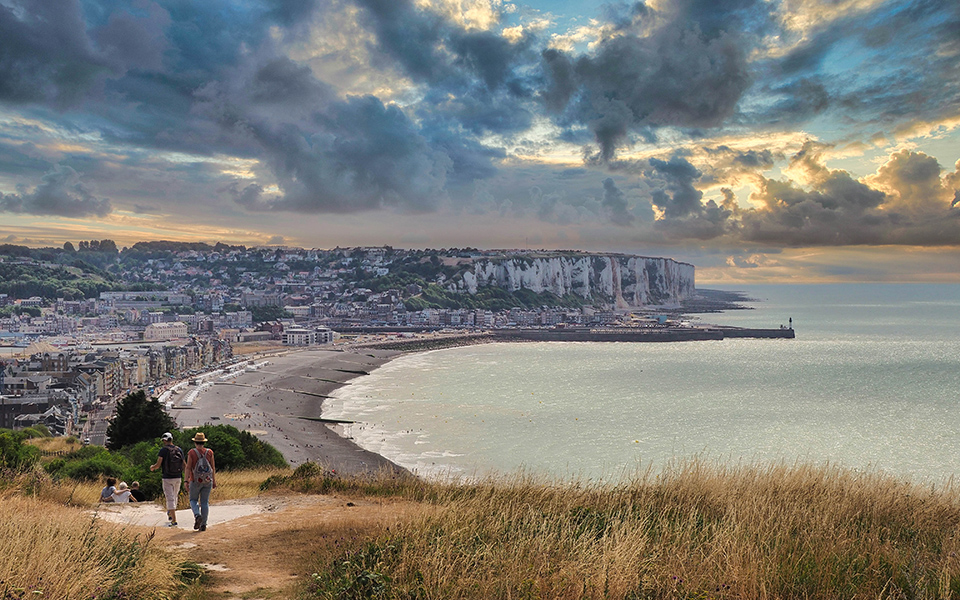
Just before the summer holiday of 2015, I bought my first mirrorless camera, an Olympus OM-D E-M5 Mark II. This Four Thirds mirrorless camera is really compact and weighs just 469 g, including battery and memory card.
The accompanying lenses are also compact and weigh considerably less. Once I had mastered the instruction manual and using the new technical features, it was a pleasure to work with this small, convenient but solid camera.
I think every keen photographer starts looking for the latest innovations, for greater perfection. The new Olympus camera, the OM-D E-M1 Mark II, also known as Olympus's flagship, did not leave me unmoved.
A few years ago, I bought this camera. It is a sturdy camera packed with innovative technology and incredibly fast. The camera body is dustproof, splashproof and freezeproof.
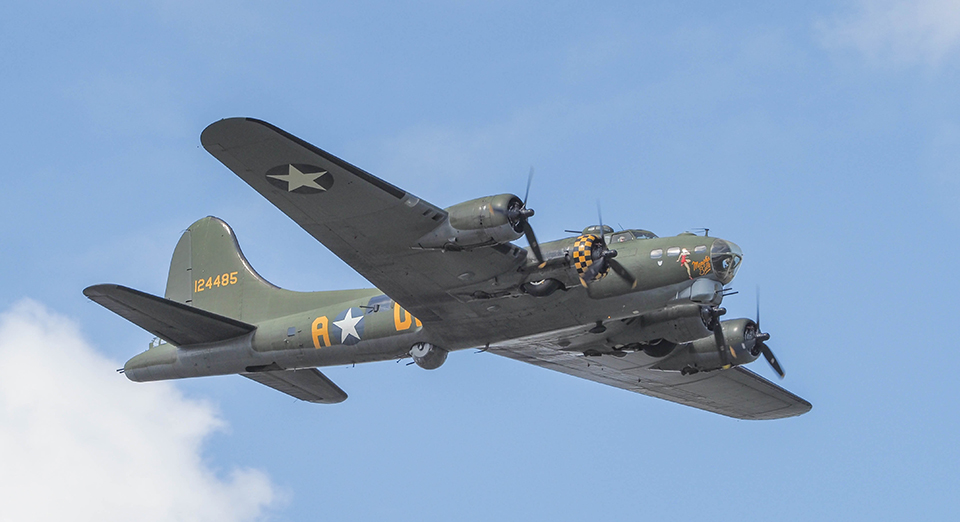
A camera for all kinds of work. Ideal for travelling and in the city. The camera delivers razor-sharp images and performs well in less favourable lighting conditions.
In the Olympus PRO lens range, I found three fantastic lenses that are compatible with both mirrorless cameras. It is a pleasure to work with a highly sophisticated and advanced camera.
Professional reviews in the specialist press are more than positive and show that the latest generation of Four Thirds cameras can compete with full-frame mirrorless cameras. Here are a few titles from reviews by professional photographers.

Competes with full-framers, Compact speed demon, Nightmare for tripod manufacturers, Absolute asset for photography, 5-axis image stabilisation, 4K video recording…
It is not my intention to advertise Olympus mirrorless cameras and the Four Thirds system, but to highlight this alternative to a rather expensive full-frame mirrorless camera.

I should also mention that Panasonic equips its Lumix cameras with a Four Thirds sensor too. These cameras are therefore part of the group of compact, lightweight cameras. When you want to buy a new lens, it is useful to know that Panasonic lenses are compatible with Olympus cameras.
For photographers considering switching from a DSLR to a mirrorless camera, it seems genuinely worthwhile to get to know the latest generation of Four Thirds cameras. Advanced technology, excellent image quality, a high shooting speed, compact size and low weight, all advantages you cannot ignore.

You pay considerably less for a technically advanced Four Thirds mirrorless camera than for a full-frame mirrorless camera. Detailed technical information about the cameras, lenses, prices, flashes and other accessories can easily be found online. Perhaps it is a good option for you!
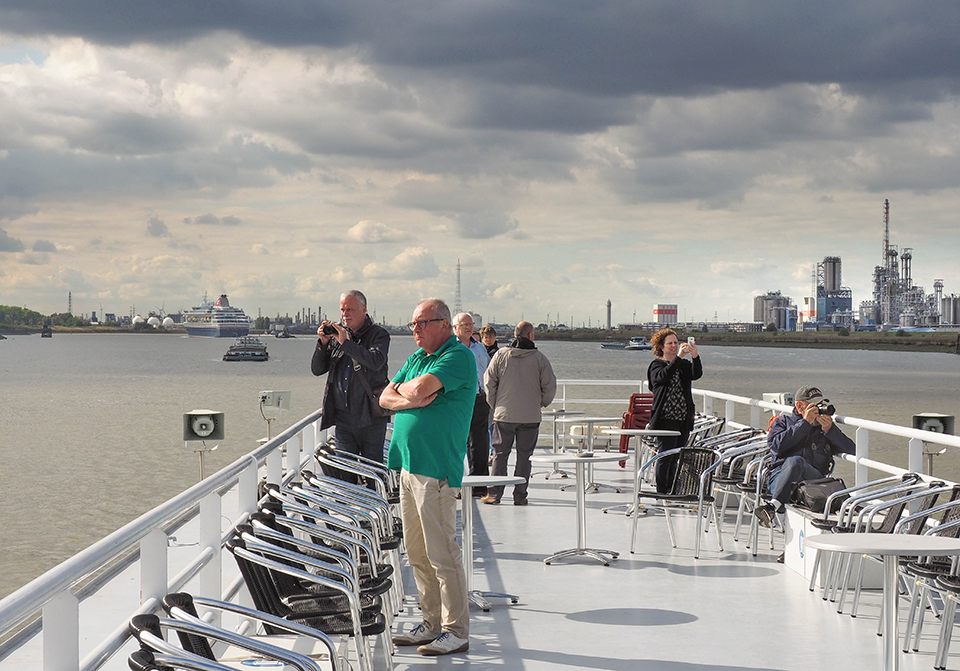
Olympus has since developed and launched a new mirrorless camera, the OM-D E-M1X. This Four Thirds mirrorless camera is aimed at professionals and is considerably more expensive than the previous models, with the body starting at 2,199 euros.
Olympus has also released the OM-D E-M1 Mark III, the improved version of the E-M1 Mark II, and it is slightly more expensive than this E-M1 Mark II, with the body starting at 1,799 euros. .
With the release of the OM-D E-M1 Mark III, the body of the OM-D E-M1 Mark II has become a few hundred euros cheaper, which professionals consider a good deal. (body from 1,149 euros) Prices for all the cameras vary depending on the retailer.
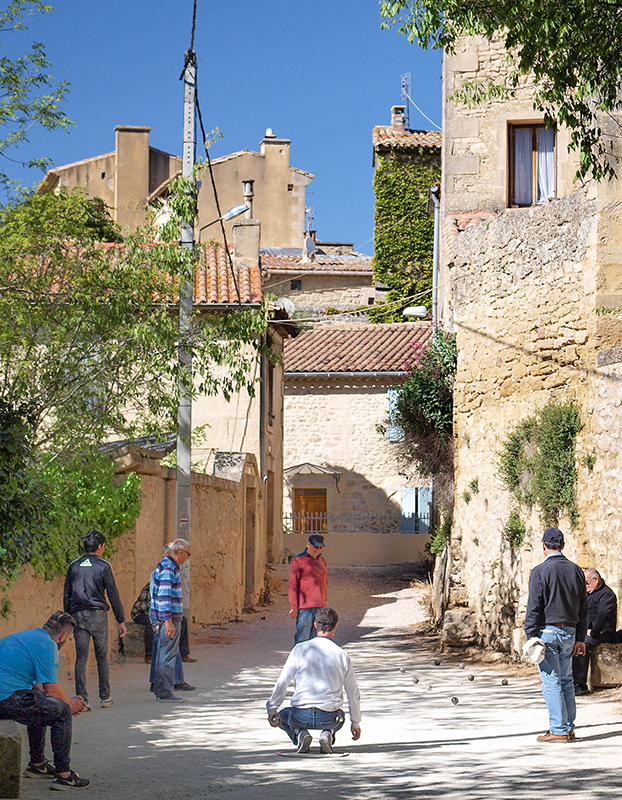
My photography equipment consists of:
• Olympus OM-D E-M1 Mark II, body
• Olympus OM-D E-M5 Mark II, body
• Olympus M. Zuiko Digital, 12-100mm, 1:4 IS PRO lens
• Olympus M. Zuiko Digital, 40-150mm, 1:2.8 PRO lens
• Olympus M. Zuiko Digital, 7-14mm, 1:28 PRO lens
• Olympus 25mm, 1:1.8 MSC lens
• Olympus M. Zuiko Digital,1.4 Teleconverter
• Flash: Olympus FL-700WR
• Flash: Olympus FL-600R
You might also like
-
 The ideal all-round lens for Micro Four-Thirds
by Nando Harmsen
-
 The perfect lens for Micro Four Thirds
by Nando Harmsen
-
 Olympus OM-1 micro four-thirds camera announced
by Elja Trum
-
 The battle between DSLRs and mirrorless cameras
by Michelle Peeters
-
 Olympus OM-3 announced
by Elja Trum
-
 Olympus sells off its camera division
by Michelle Peeters
7 comments
-
 marc wrote on Wednesday 24 June 2020 at 19:22 | reply
https://tweakers.net/nieuws/168900/olympus-stoot-cameradivisie-af.html
Translated from Dutch. -
 Chris Lans wrote on Tuesday 30 June 2020 at 11:17 | reply
The body of the OM-D E-M1X was close to €3,000.. too bad that this one was way too big, heavy and overpriced. The competition has been offering more for less money over the past few years. I also photographed with M43 alongside FF for 5 years with satisfaction, but sold my Olympus and Panasonic a few months ago and switched to Fuji last year. Too bad that a historic camera brand like Olympus (apart from their medical and astro division) is not going any further. I fear that Nikon is heading in this direction too.
Translated from Dutch. -
 Patrick K wrote on Tuesday 30 June 2020 at 12:52 | reply
I switched from a Pentax K3-II to an Olympus OM-D E-M1 Mark III not too long ago and am really glad I did. What a relief in terms of weight and speed. Photos are razor-sharp and very pleasing to look at in terms of color. I now need less time for post-processing than with my Pentax.
Translated from Dutch.
Despite Olympus selling off the camera division to JIP, I have every confidence that things will turn out fine. I also assume that my camera will keep working for quite a while yet.
The lenses are interchangeable with Panasonic, so in the worst case it will be a Panasonic body in the future. Then I will still be taking photos with a wonderfully compact camera which, combined with a lens, weighs even less than a decent full-frame lens from, for example, Sony (without a body). When I also look at the price tags of the lenses, the smile on my face only gets bigger. -
 Charel wrote on Tuesday 30 June 2020 at 13:52 | reply
A one-sided overview. You often mix up the terms MFT and FT. And you only talk about the more expensive OMD cameras, while the PEN series is at least as interesting if you choose light weight and good quality. The PRO lenses, by the way, are not exactly light and not cheap either. The fixed focal lengths with f1.8 are then a lot more attractive: cheaper and much smaller than with the FF format.
Translated from Dutch.
The nice thing about MFT is precisely that every camera has (approximately) the same sensor and also the same image software. So every MFT delivers the same output, also in RAW.
What you could also have mentioned is that lenses from Pana and Oly are interchangeable, but that they do not have all the capabilities on the other brand. For example, a Pana lens on your Oly body is very slow in terms of AF, because MSC is not on it. MSC is so fast, by the way, that an FF user does not notice any difference from their own phase detection AF.
Incidentally, quite a lot is already clear about the impending sale of Olympus. In any case, it is not that Olympus is stopping, the brand will continue to exist and will probably develop new products (after downsizing). The collaboration with the optical experts of parent company Olympus will also simply continue. -
 Rob wrote on Tuesday 30 June 2020 at 14:13 | reply
I myself have also had about 15 years of experience with Olympus cameras.
Translated from Dutch.
The emphasis is often placed on more pixels!
For an amateur photographer, in the end it's about having fun taking photos. The great advantage of Olympus, in my opinion, is the weight of the bodies and lenses ( Zuiko is among the best lens manufacturers) and the best image stabilisation there is!
Moreover, no other brand knows the possibility of live composition and focus hacking built into the body. The latest model (Em1 mark III) also has the possibility of photographing the starry sky with autofocus.
In short, a very nice system camera.
Keep shooting photos with Olympus (despite the approaching (partial) sale of the camera division. New cameras and lenses are expected for many more years! -
guest wrote on Tuesday 30 June 2020 at 17:32 | reply
Only an mft differs by about 2 stops in depth of field. That's quite a lot
Translated from Dutch. -

 4BYE
wrote on Tuesday 30 June 2020 at 20:27
| reply
After shooting intensively in the USA for 3 weeks in September with both the Olympus OM-D E-M 1 II + 40-150 Pro and Sony A7 III + 16-35, 24-70 and 200-600, I choose the Sony. I like it better on several fronts. I had bought the Olympus for focus stacking and that is a great option. This brought my attention to mirrorless. Together with the 60mm macro still in the bag. But for my landscape, night and wildlife photography I prefer my Sony gear. I see the advantages and disadvantages of both systems and it will be a consideration from person to person which system one wants to shoot with. With a good deal on the A7R III as a 2nd body, also extra crop possibilities or the 18MP crop mode for wildlife photography. Ultimately taken another step forward after 40 years of Canon SLRs. Ultimately it is all beautiful gear, of course! My biggest fear is that, given the increase in phones for photography, the market threatens to become increasingly smaller with all the consequences that entails.
Translated from Dutch.
Have your say
Please note: Articles older than a week can only be commented on by signed-in visitors.Would you still like to comment? sign in or create a free account.
Become a better photographer every week
A practical photography tip in your inbox every week.
39,024 photography enthusiasts already receive the tips! More about the weekly mail. Or keep up to date via  Facebook.

Elja Trum
Photofacts; everything to do with photography!
Would you like to take better photos and keep up with what is happening in photography? Photofacts publishes articles that teach you something about photography — from a product announcement to a practical shooting tip or a look at a website. Photofacts covers photography every day and is a hobby project of Elja Trum's that got out of hand. The articles are written by a team of volunteer authors. If you would enjoy writing one or more articles for Photofacts, do get in touch.More about PhotofactsPhotofacts is made possible in part by
