

Crop or use a teleconverter?
Friday 15 May 2026, 22:11 by Nando Harmsen | 1,750 views | 16 commentsThis article was translated from Dutch with the help of AI. Read the original.
If you often photograph with telephoto lenses, this will probably sound familiar. The subject is still too small in the frame. What is the best way to solve this? Crop, or use a teleconverter?
It is a dilemma many wildlife (animal/bird) photographers face. The subject is still too far away, making it appear smaller in the frame than you would like. You can accept this, or do something about it.
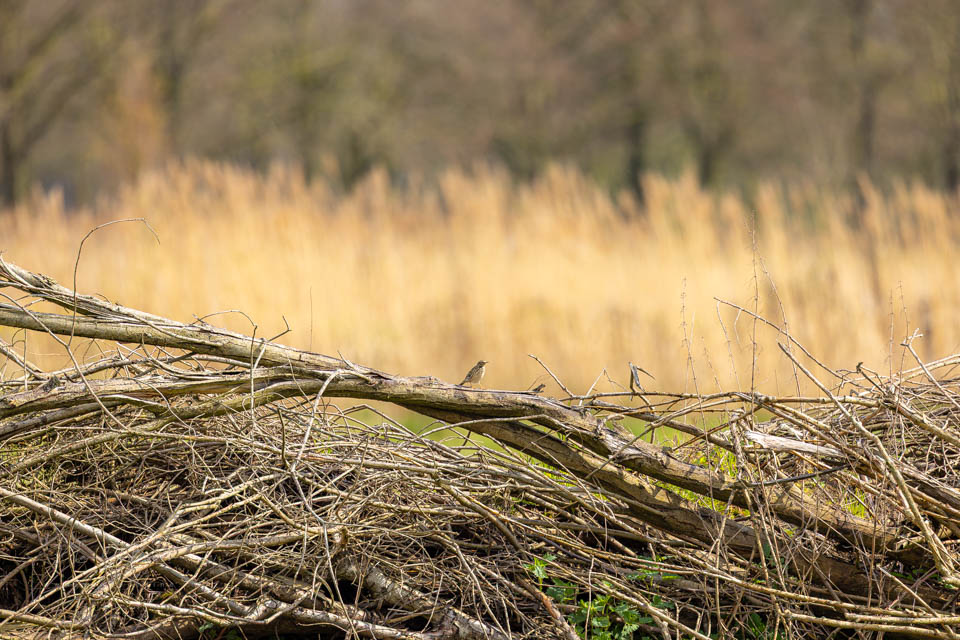
A new, longer telephoto lens is often more or less unaffordable. Even if you can afford one, it is not always practical. Perhaps a teleconverter could be the solution.
A teleconverter extends the focal length. You get a physically longer telephoto lens. With a 1.4x teleconverter, 400mm becomes a 560mm focal length. A 600mm becomes an 840mm lens.
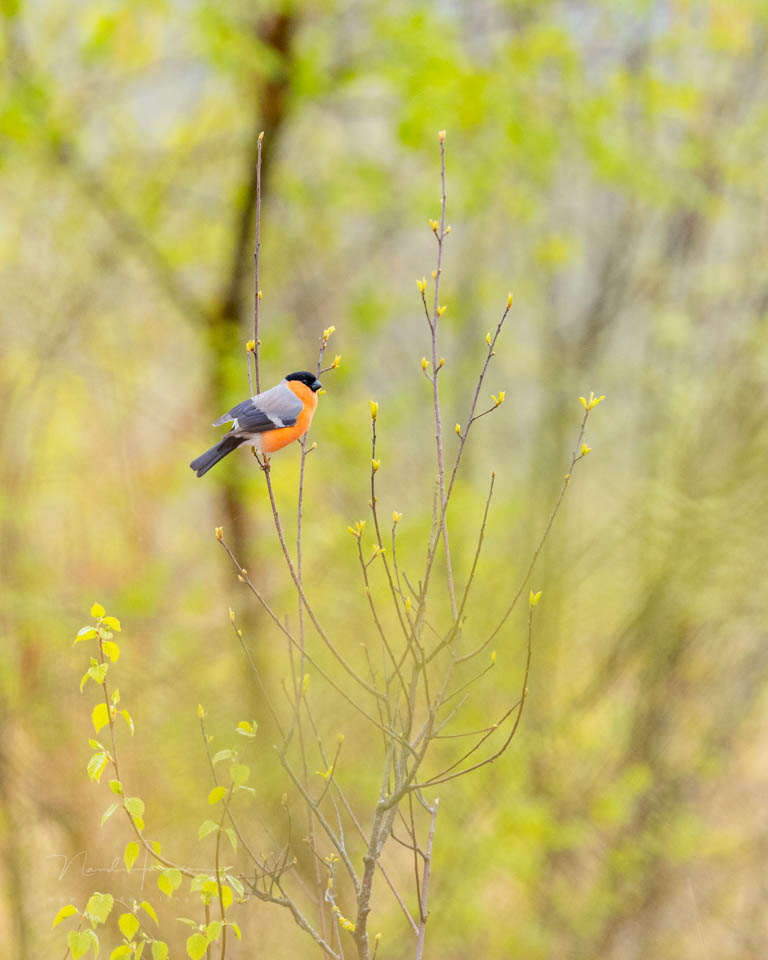
You can also choose a 2x teleconverter, which doubles the focal length. A 400mm becomes an 800mm focal length. A 600mm changes into an impressive 1200mm.
There is a downside to this. It affects the amount of light reaching the sensor. With a 1.4x teleconverter, you lose one stop of light. A 2x teleconverter causes a loss of two stops.
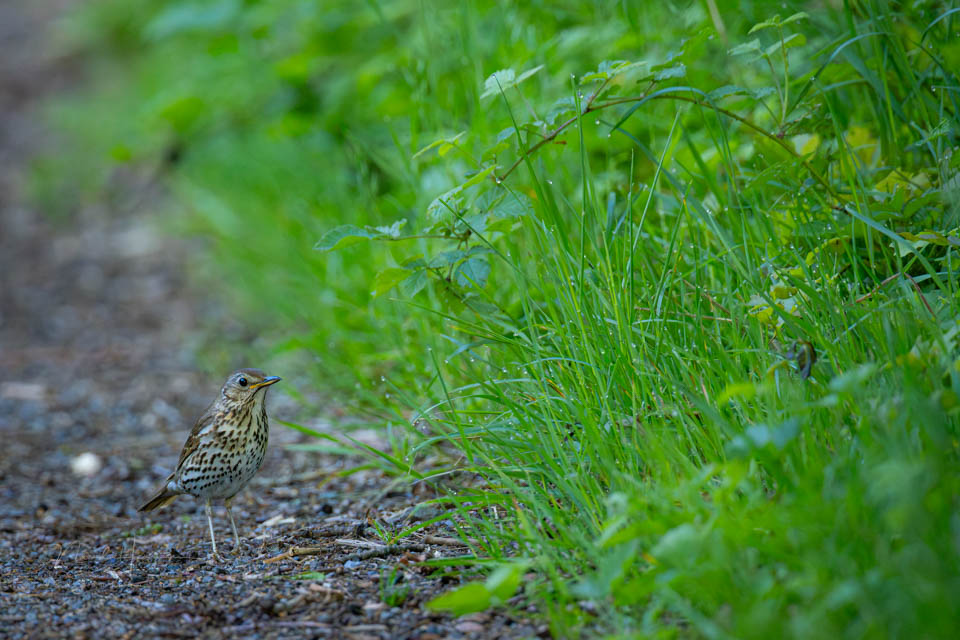
A teleconverter has even more consequences. Autofocus speed may decrease, and image quality takes a slight dip. In general, these differences are so small that we only notice them when studying and comparing the images very carefully.
It is also possible to crop. This involves cutting away a large part of the photo, resulting in the same magnification as a teleconverter. The disadvantage of cropping is the loss of resolution.
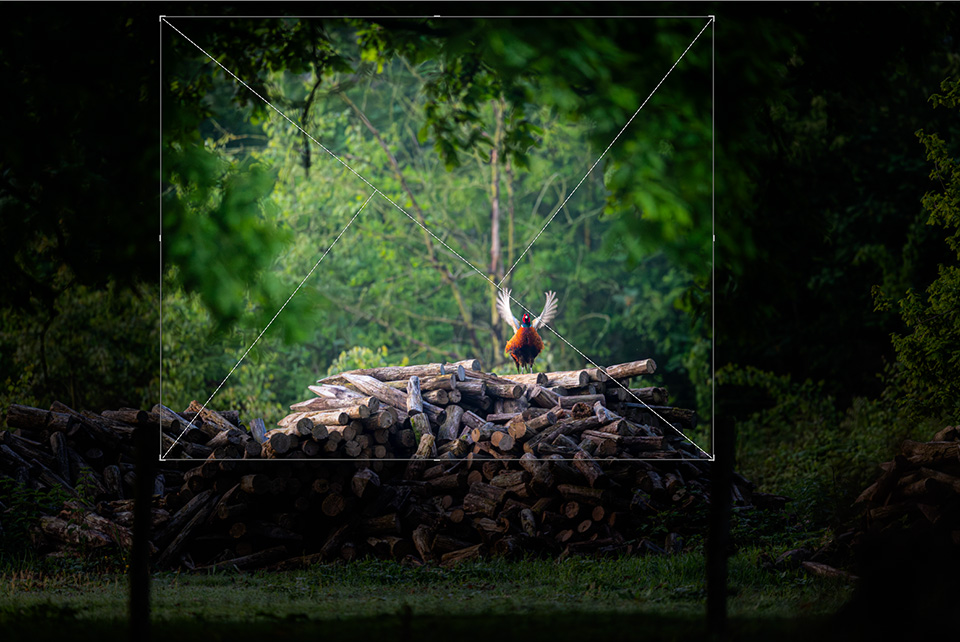
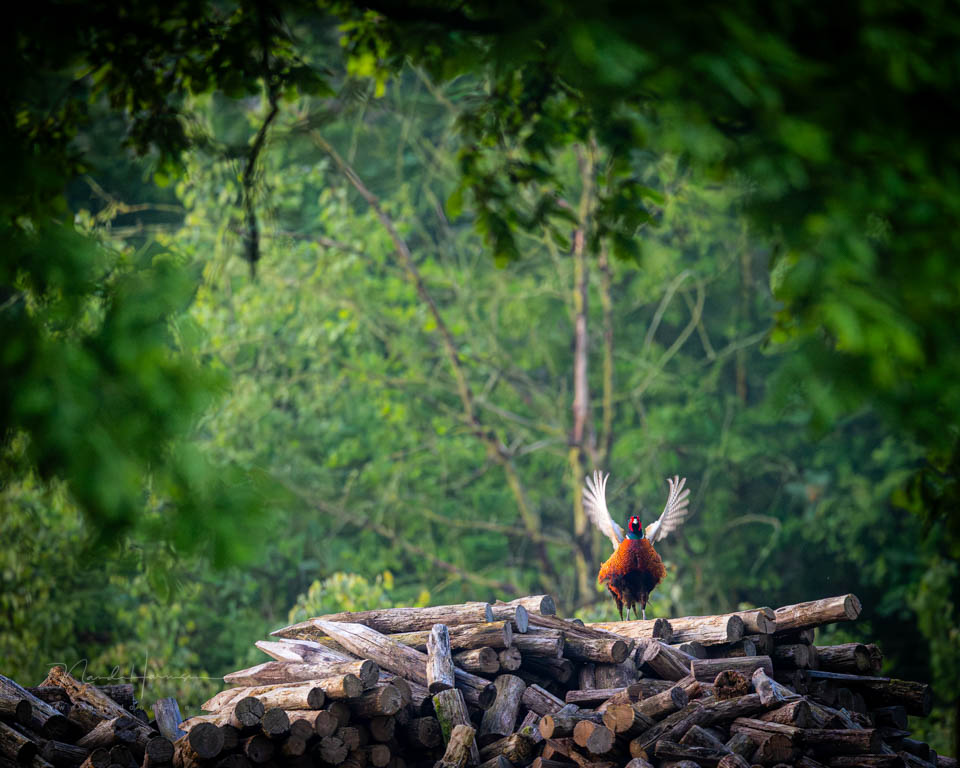
If you have a camera with a high resolution, for example 50 megapixels, there will still be enough resolution left after cropping. If you have a 25-megapixel camera, the same crop will take a substantial bite out of the resolution.
For internet use, there will always be more than enough resolution left after cropping. It should also work for a photobook containing a 20x30cm image. But very large prints can be challenging.
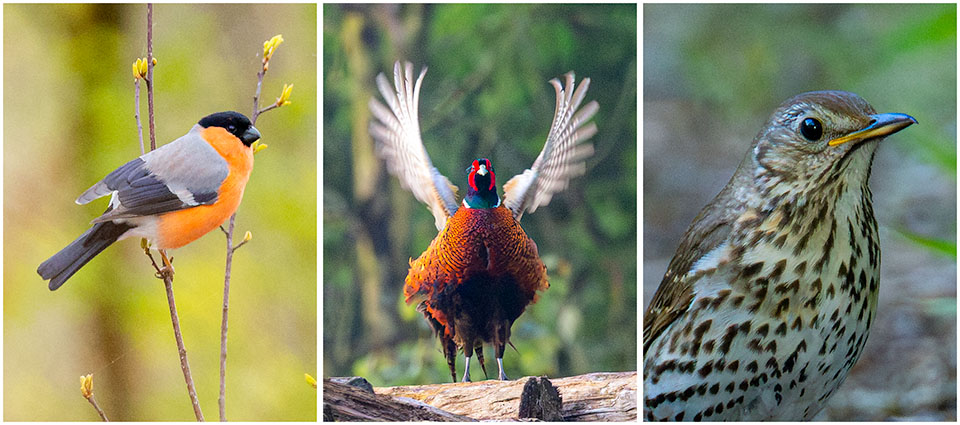
The advantage over a teleconverter is that you retain the widest aperture. This will be especially noticeable in dark conditions. Although modern noise reduction can already remove many concerns about high ISO values.
Bear in mind that a genuinely longer focal length through a teleconverter produces a very different-looking background than a crop. This means the depth of field will also be different. But that is something for another article.
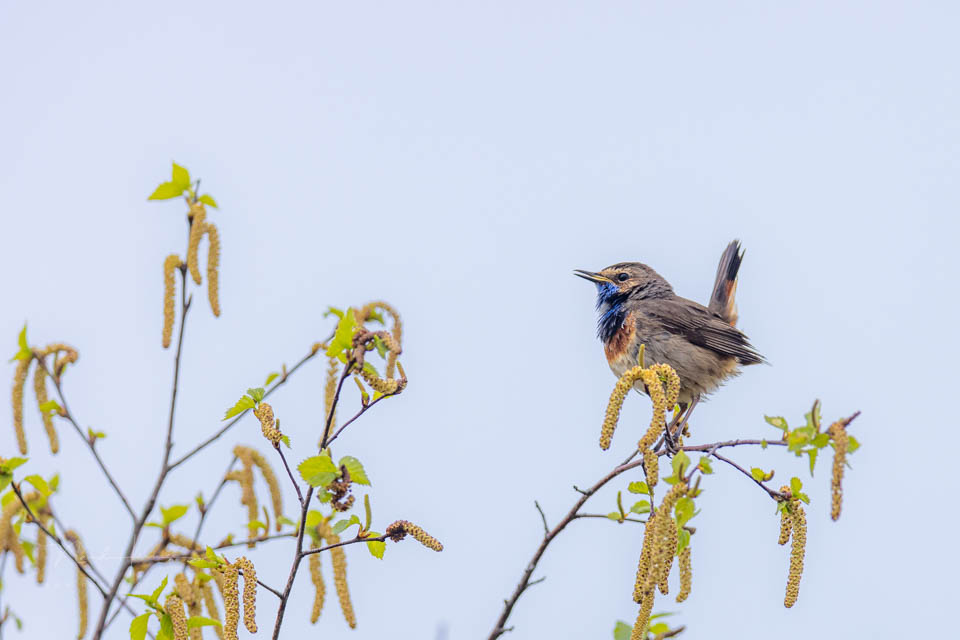
Are you using a teleconverter to achieve a longer focal length? Then remember that you can still crop afterwards in that case.
A teleconverter can be a good solution for getting a longer reach without making a big dent in your bank account. You retain your camera's resolution, and still have the option to crop. As long as you can live with the disadvantages.
Do you use a teleconverter, or would you rather not? Share your experience in a comment below this article.
About the author
Nando Harmsen has been photographing for more than 40 years. He specialises in wedding photography and landscape photography. Nando also gives talks, workshops, masterclasses and photo trips, and regularly reviews new and interesting equipment.
You might also like
-
 Difference in depth of field when cropping or using a teleconverter
by Nando Harmsen
-
 Review of the Canon RF 600 and RF 800 Telephoto Lenses
by Nando Harmsen
-
 The advantage of a crop sensor in landscape photography
by Nando Harmsen
-
 Landscape photography with a telephoto lens
by Erik Nevels
-
 The difference between a wide-angle photo and a telephoto panorama
by Nando Harmsen
16 comments
-

 MacBigfoot wrote on Saturday 16 May 2026 at 14:11
| reply
MacBigfoot wrote on Saturday 16 May 2026 at 14:11
| reply
I have visited De Valk Roofvogels twice, and both times I had an Olympus 40-150 (ƒ/2.8) with me.
Translated from Dutch.
The first time with a 2x teleconverter, the second time without. I didn’t suffer too much from the loss of light, but I liked the series without the teleconverter (and therefore having to crop more often) better because of the more blurred background.
I’m going to photograph birds again soon, for which at least 500mm would be required. I’ll take the teleconverter with me then, but I’ll see on location what I like, also depending on the background. -

-
 Job de Lange wrote on Monday 18 May 2026 at 17:07 | reply
Hi Nando,
Translated from Dutch.
another interesting article! Thanks!
Nice to have spoken to you in Deventer on Saturday! I'll keep following you. And I'd love to hear when you're going to the Opal Coast again......
Warm regards! -
-
 Ron A.B. wrote on Tuesday 19 May 2026 at 11:52 | reply
I’m very happy with my 2x converter on Canon’s 100-500 mm, but only when the sun is shining... Even an Icarus blue butterfly can then be nicely captured in a photo from a distance of less than a metre, just enough not to disturb the little creature...
Translated from Dutch.
If necessary, the ISO can be turned up quite high on my R6 Mark II, but of course you shouldn’t overdo it... -
Nando
wrote on Wednesday 20 May 2026 at 09:31
| reply
The only disadvantage of that combination is that you lose part of the zoom range. But if that’s not a problem, it’s a nice way to get a lot of magnification.
Translated from Dutch.
That one meter of distance surprised me... but indeed, 1.2 meters is the minimum focusing distance at 500mm. Never knew that, even though I’ve been using the lens for years already
-

-
-
 Peter van Dinther wrote on Tuesday 19 May 2026 at 22:40 | reply
You can also use the APS-C mode on your camera, if possible.
Translated from Dutch. -
-
Peter van Dinther
wrote on Wednesday 20 May 2026 at 09:59
| reply
Can you explain why?
Translated from Dutch. -
Nando
wrote on Wednesday 20 May 2026 at 10:46
| reply
Because by doing that you permanently reduce the resolution of your camera. You can't go back.
Translated from Dutch.
It's good for someone who shoots in jpeg and doesn't do any post-processing, but for the photographer who does post-processing it's better to crop during post-processing for maximum flexibility. -
Peter van Dinther
wrote on Wednesday 20 May 2026 at 10:07
| reply
We are talking about the range of telephoto lenses, right? For this, I think it works perfectly. Not for wide-angle, of course.
Translated from Dutch. -
-
 luc.vanhoorebeke@telenet.be wrote on Tuesday 19 May 2026 at 22:50 | reply
Is it then better to switch from, say, an R5 to an R7? ...that also gives you a considerable "gain" in millimeters without light loss... or am I seeing that completely wrong?
Translated from Dutch. -

Have your say
Please note: Articles older than a week can only be commented on by signed-in visitors.Would you still like to comment? sign in or create a free account.
Become a better photographer every week
A practical photography tip in your inbox every week.
39,079 photography enthusiasts already receive the tips! More about the weekly mail. Or keep up to date via  Facebook.

Elja Trum
Photofacts; everything to do with photography!
Would you like to take better photos and keep up with what is happening in photography? Photofacts publishes articles that teach you something about photography — from a product announcement to a practical shooting tip or a look at a website. Photofacts covers photography every day and is a hobby project of Elja Trum's that got out of hand. The articles are written by a team of volunteer authors. If you would enjoy writing one or more articles for Photofacts, do get in touch.More about PhotofactsPhotofacts is made possible in part by
