

Review: Canon RF 200-800mm f/6.3-9 IS USM
Friday 9 February 2024, 16:08 by Nando Harmsen | 6,512 views | 10 commentsThis article was translated from Dutch with the help of AI. Read the original.
Canon's new telephoto zoom lens could become very popular. The RF 200-800mm f/6.3-9 IS USM offers a fantastic zoom range and many possibilities. Most importantly, it is compact and not too heavy.
Anyone who photographs wildlife often needs a long focal length. This allows you to achieve considerable magnification. Or, as people commonly say, to bring the subject closer. Canon has several interesting lenses for this purpose.
First of all, there is the fantastic RF100-500mm f/4.5-7.1L IS USM. Even with its 500mm, though, it does not always offer enough reach. A teleconverter is one solution, but you lose a lot of light. You can then choose the expensive primes, which work better with teleconverters. But these are usually far beyond budget.
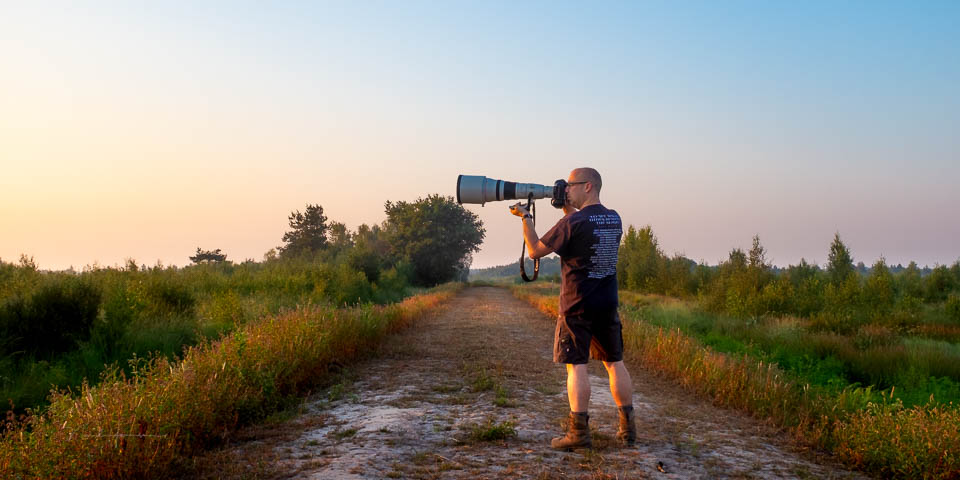
The alternative is the relatively inexpensive RF 600mm f/11 IS STM and RF 800mm f/11 IS STM. They are excellent lenses, but here too, the aperture can be a problem when the light conditions are not ideal.
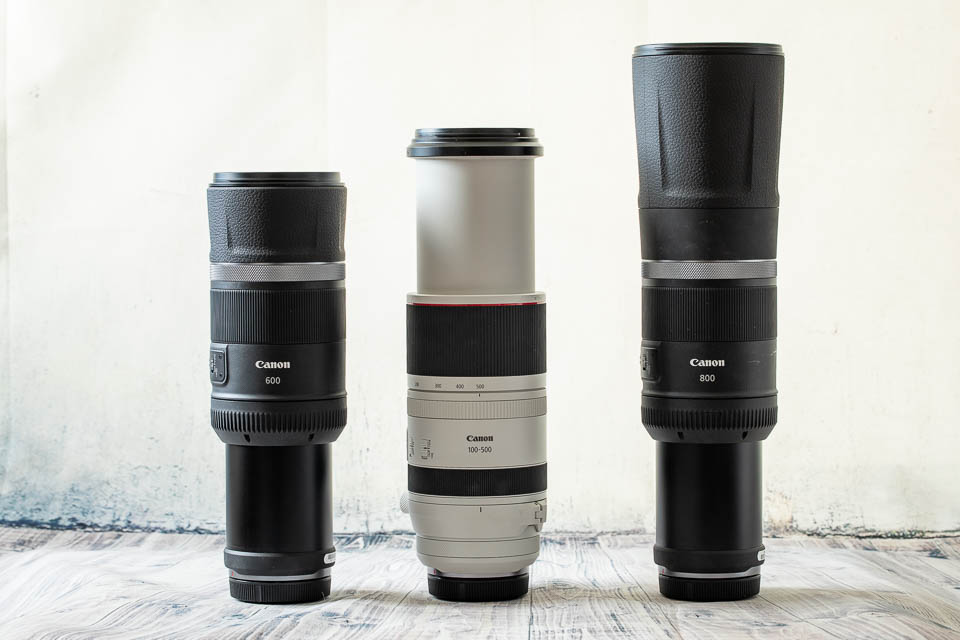
The RF200-800mm f/6.3-9 IS USM is therefore the lens many people have been waiting for. It is manageable, has an acceptable aperture, an enormous zoom range, and is affordable compared with many alternatives. Canon provided me with the lens for this review.
The exterior
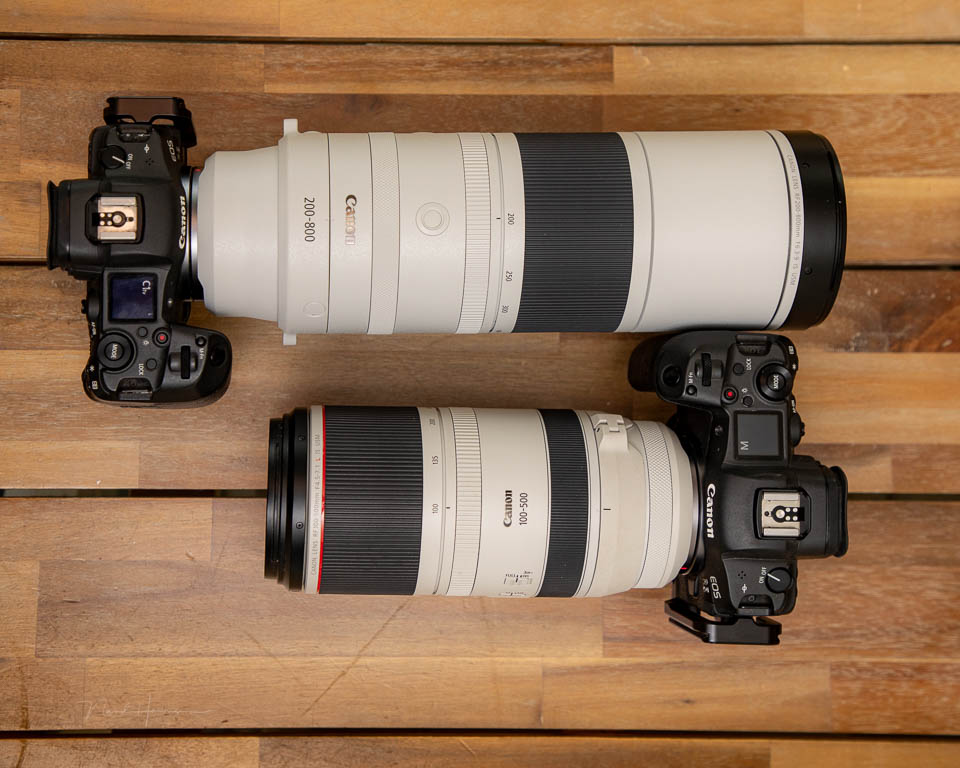
Don't be mistaken, the RF200-800mm is not a small lens. At its shortest setting, it is 31.4 centimetres long. Extended to 800mm, its length increases to no less than 41 centimetres. The lens has a diameter of 10.2 centimetres and a 95 mm filter size.
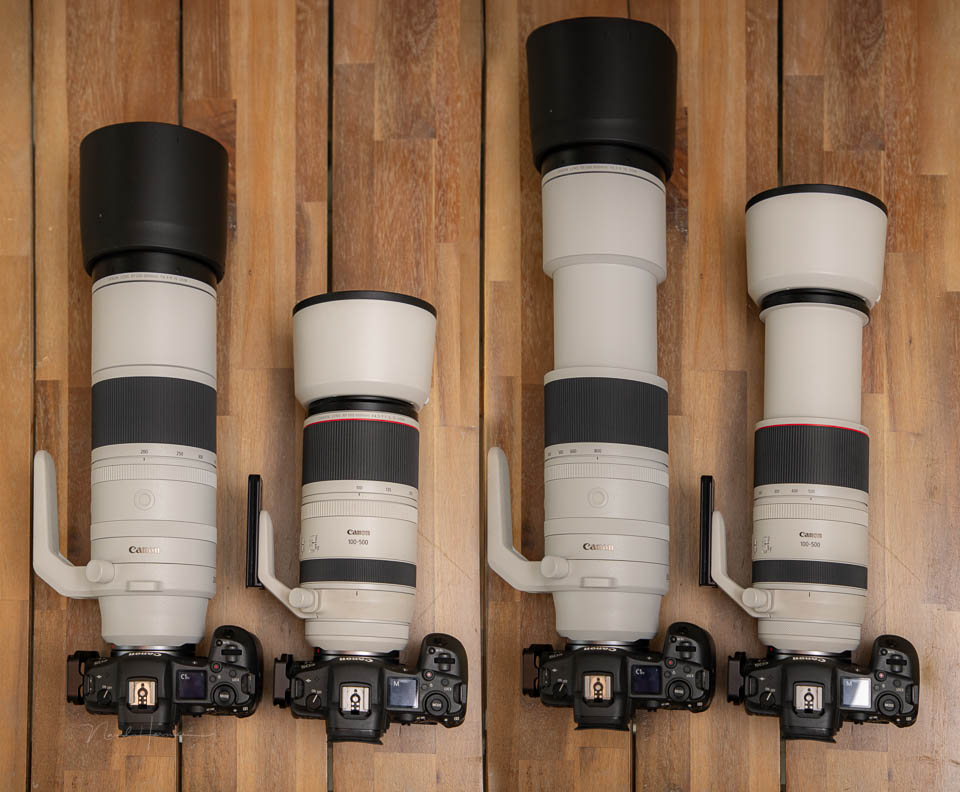
At 2,050 grams, the RF200-800mm's weight is quite reasonable. This makes the lens well suited to handheld use, provided the shutter speed is fast enough.
The tripod collar is a good size, so it can serve perfectly as a handle. It can rotate 360 degrees, but cannot be removed.
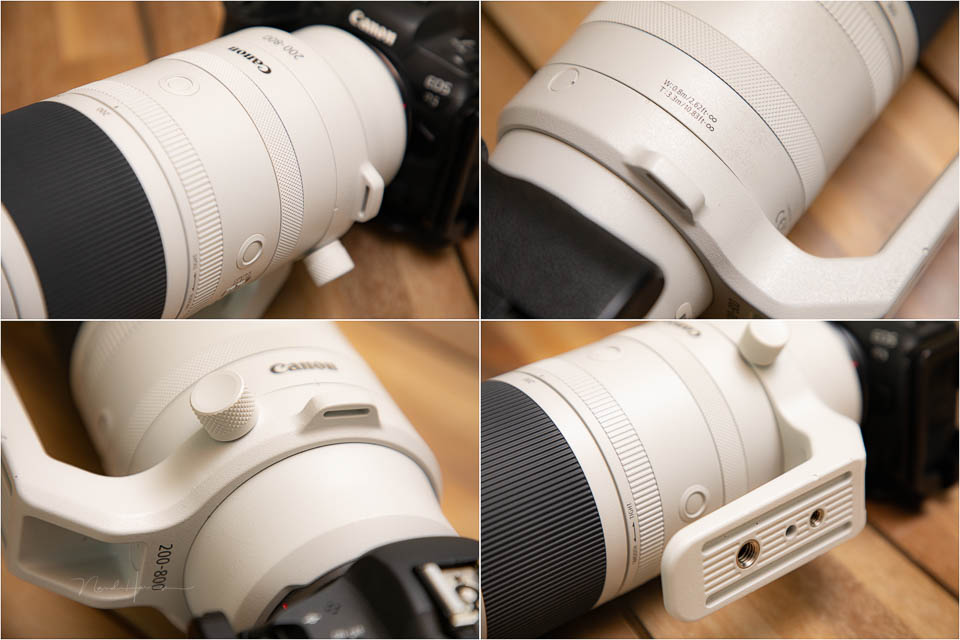
The tripod collar has eyelets for attaching a strap, which is certainly advisable even with the reasonable weight. Because of its length, the forces on the camera mount can become considerable. Attaching the strap to the lens prevents this.
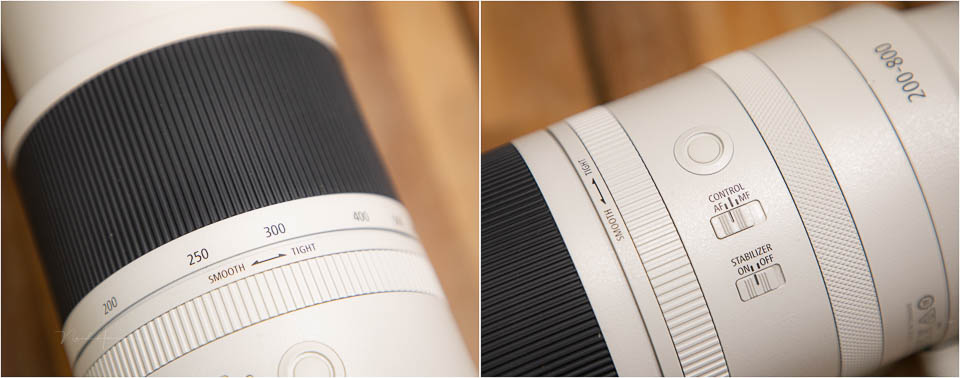
There are not many switches on the RF200-800mm, which is one of the ways it differs from the L-series lenses. You can switch autofocus and image stabilisation on and off.
There are two programmable buttons. The zoom ring cannot really be locked, but it can be 'secured'. Zooming remains possible, but with more resistance.
The focus ring and control ring are combined. This means that you also have to change the function of this ring using the focus switch. It is hardly possible to change this by touch, because the switch is deeply recessed and the different positions are very close together.
The aperture and image stabilisation
The maximum aperture changes while zooming. At 200mm, the maximum aperture is a reasonable f/6.3. At 800mm, this aperture has become f/9.
From around 270mm, the aperture is f/7.1, and from 455mm it is f/8. The range from approximately 640mm to 800mm is f/9.
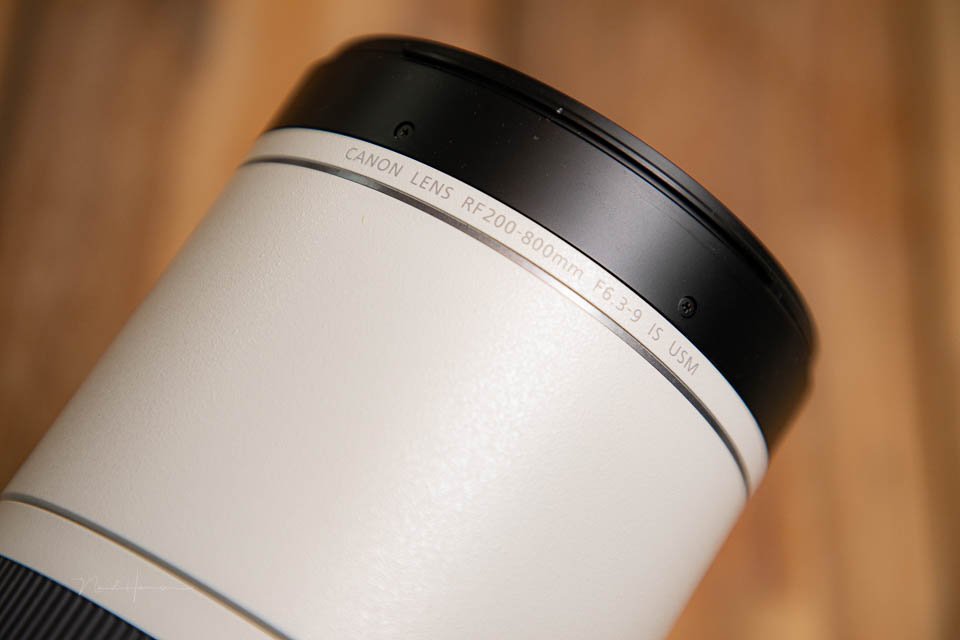
The range of apertures is in line with the RF100-500L, with at most a 1/3 to 2/3 stop difference. Fully zoomed in, the RF200-800mm offers 2/3 stop more light than the RF800mm f/11.
These relatively small apertures mean that you quickly need high ISO values in poor light conditions. A slower shutter speed is hardly an alternative, mainly because of the long focal length. The image stabilisation will not always compensate for this.
The RF200-800mm can stabilise the image by up to 5.5 stops at 800mm. It works together with IBIS (In-Body Image Stabilization), but this does not provide any additional stabilisation. Based on the 1/focal-length rule, you could theoretically shoot handheld at up to 1/25 second with stabilisation. In practice, this is almost impossible to achieve.
Image quality
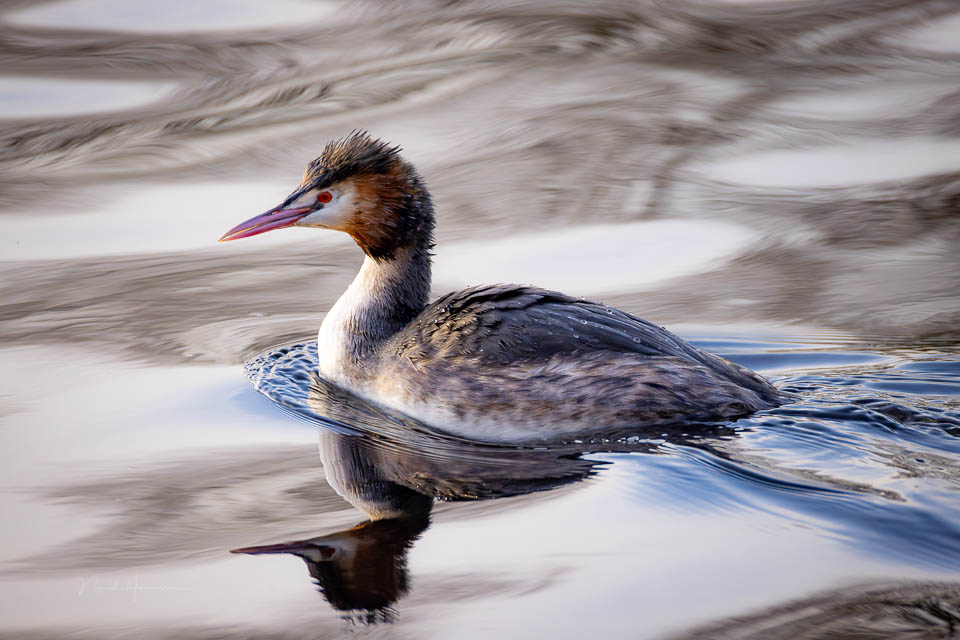
I did not specifically test the lens for image quality. Instead, I focused on the results in practice, which in fact gives a more realistic impression. You can see that the sharpness is not comparable with primes costing up to ten times as much, but the results are still very good.
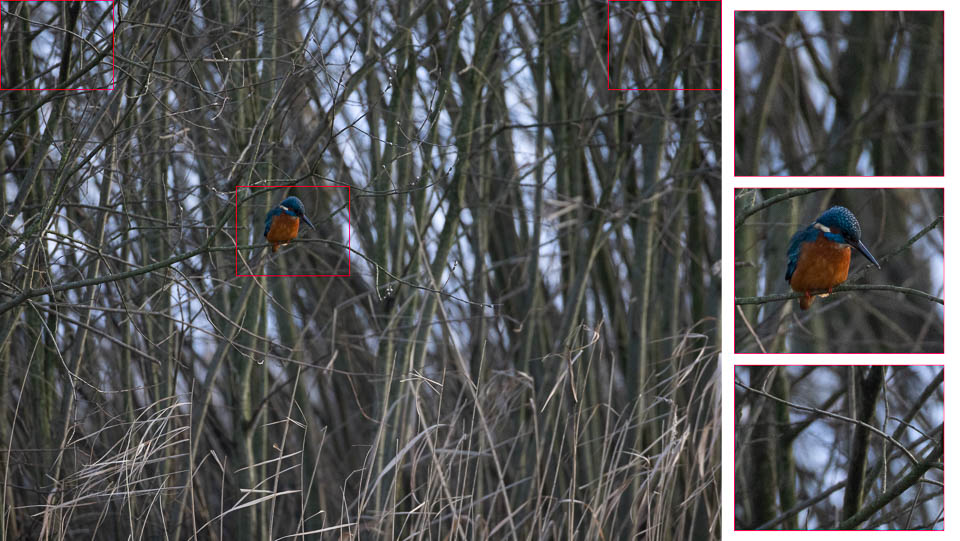
At 800mm, the image becomes a little softer. This may partly be due to the diffraction caused by the small maximum aperture. This was also visible with the RF800mm f/11. I do get the impression that diffraction is less noticeable with the RF200-800mm at 800mm, which makes sense given the available aperture.
The lens also appears to have reduced sharpness in the corners at 800mm, but this seems minor and is not distracting. Certainly not when the subject is mainly in the centre, which happens quickly with this lens.
In practice
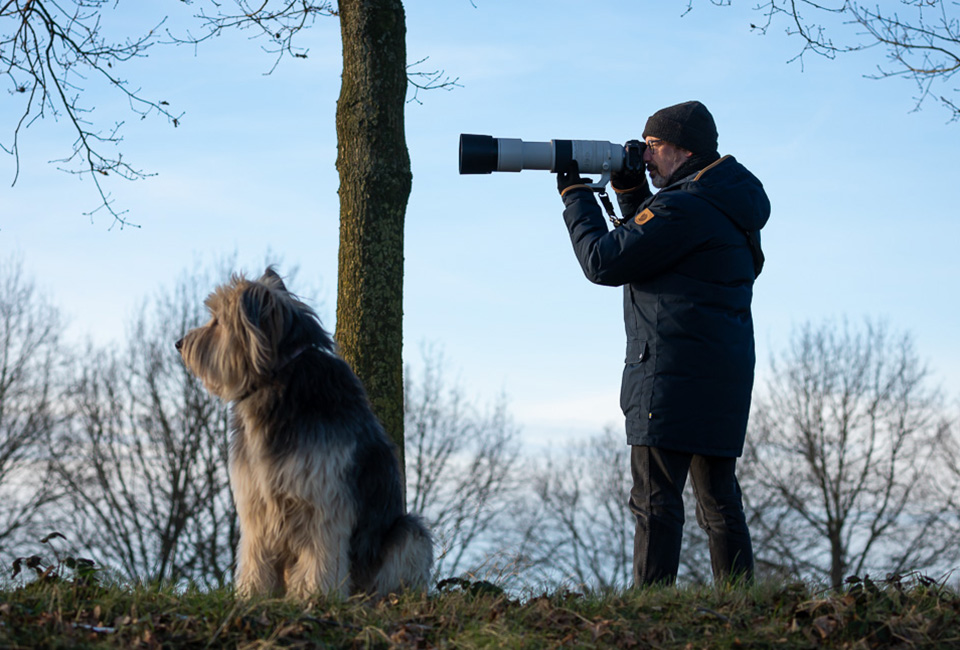
The lens invites you to shoot handheld. That is what I did in every case. Walking with the RF200-800mm causes hardly any weight problems, provided you attach the strap to the lens.

The enormous zoom range makes the lens extremely suitable for small animals that you cannot get too close to. If you can get close, you can zoom out, which is a major advantage.
At 200mm, the minimum focusing distance is a pleasant 80 centimetres. This changes as you move towards 800mm. At 800mm, you need to allow for a minimum focusing distance of 3.3 metres. At 200mm and a distance of 80 centimetres, the magnification is 0.25x.
All of this is also a disadvantage. I was quickly inclined to use the lens as if it were an 'ordinary' telephoto lens. This resulted in more blurry images than would normally be the case. The image stabilisation was unable to keep up.
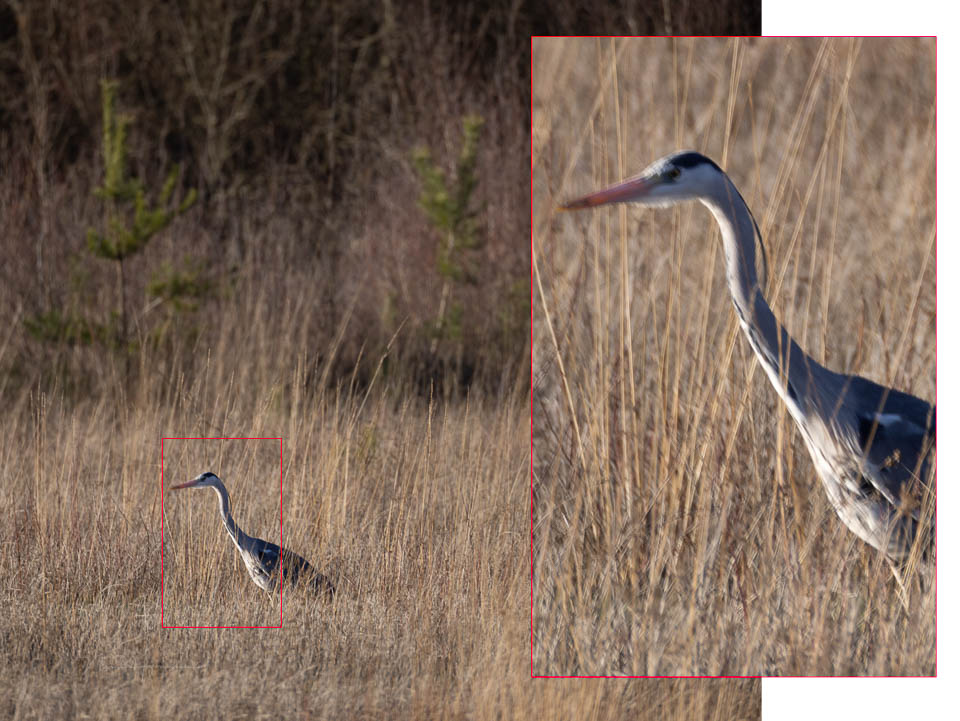
This is my fault, not the lens's. You should not underestimate the focal length. Pay attention to keeping your camera and lens steady. Even though there are 5.5 stops of image stabilisation, you cannot rely on it completely, but at the same time it is indispensable.
You need some time to get used to how to shoot handheld with focal lengths like these. Then you can achieve beautiful results, with the zoom range offering plenty of flexibility.
Conclusion
I had some doubts about the RF200-800mm when I first heard about it. However, after spending a few weeks out with this lens, I became enthusiastic. It offers many possibilities and is probably a perfect lens for photographers who photograph small animals from a distance.
It takes some getting used to the size, but the weight is not too high. The image stabilisation makes handheld shooting possible, as long as you learn to take the focal length into account.
You mainly notice that it is not an L lens from its features. For example, there is no way to switch between different stabilisation options. The lens does this for you. There is no focus limiter, and there is a combined focus/control ring.
Other differences from the L lenses include the quality of the glass in this lens, which guarantees optimum image quality. This includes distortion, corner sharpness and chromatic aberration. The image quality is good, that much is clear, but those expensive L lenses are simply better.
The aperture can sometimes require high ISO values. This is the result of a compact design combined with the focal length. It cannot be avoided. More important is the diffraction limit you encounter at 800mm. Even so, the advantages this lens offers outweigh the disadvantages.
With a recommended retail price of 2,499 euros, it is not exactly cheap, but it is very competitively priced. I think it could be a better purchase than the cheaper RF800mm f/11. If you are looking for a zoom lens with an enormous range, the RF200-800mm is highly recommended.
Advantages
- Large zoom range
- Although large, it is easy to use handheld
- Weighs only 2,050 grams
- 5.5 stops of image stabilisation
- Programmable buttons
- Well-sized tripod collar
- Strap attachment on the tripod collar
- Weather-sealed
- 1.4x and 2x teleconverters can be used
- Lens hood included
- Competitively priced
Disadvantages
- Image becomes slightly soft at 800mm
- Switches are deeply recessed and difficult to operate
- It takes effort to set the AF switch to the control function
- Diffraction occurs at 800mm
- Combined focus/control ring
- No image stabilisation modes, only on/off
- No focus limiter
- Handheld shooting at these focal lengths requires a learning process.
If you do not necessarily need a zoom range up to 800mm, the RF100-500mm f/4.5-7.1L IS USM is a better choice, despite its slightly higher price. You get an L lens with all the advantages that come with it. It is also much more compact. Read the review again.
Gallery
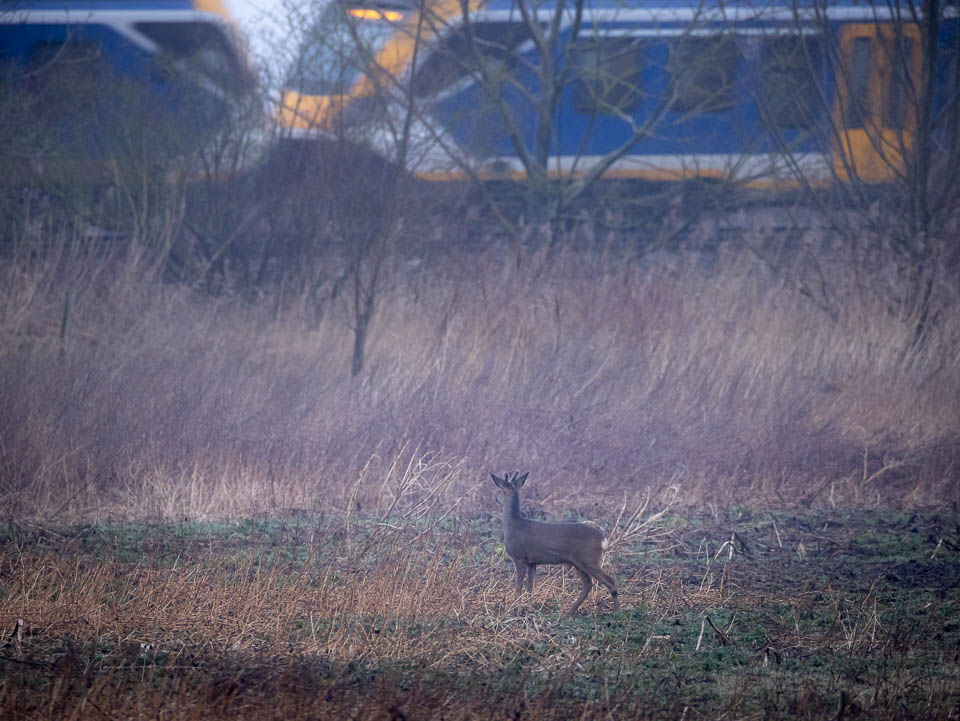
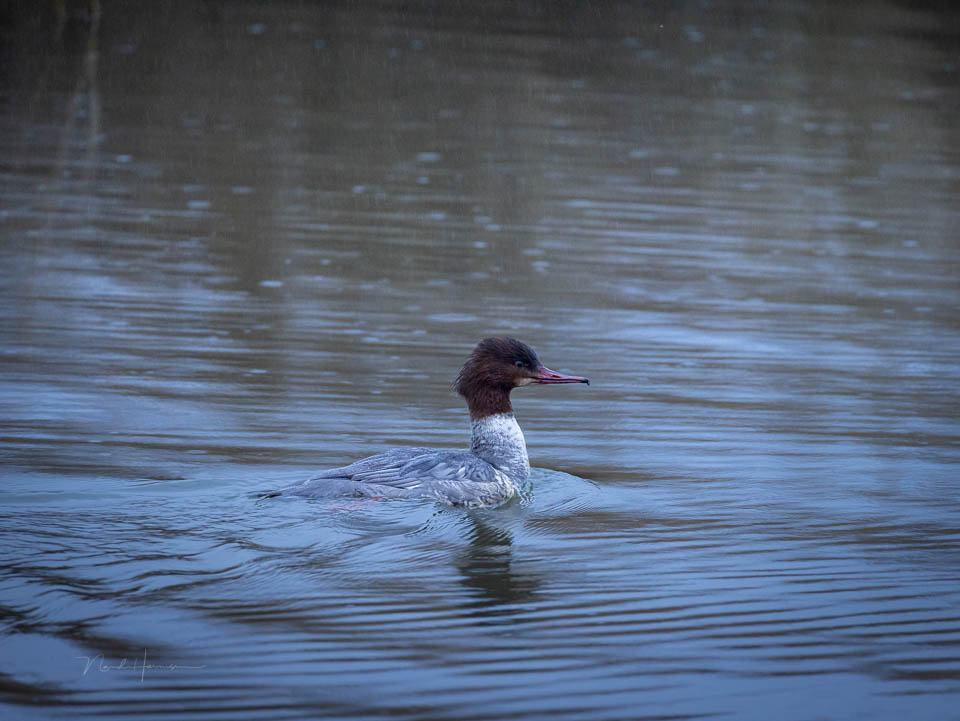
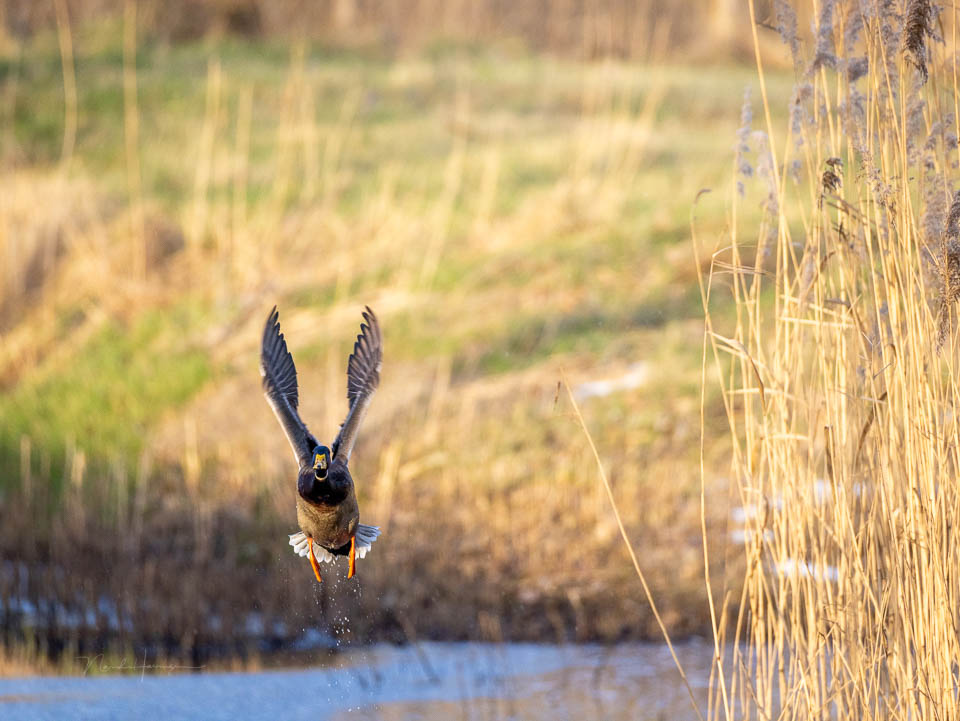
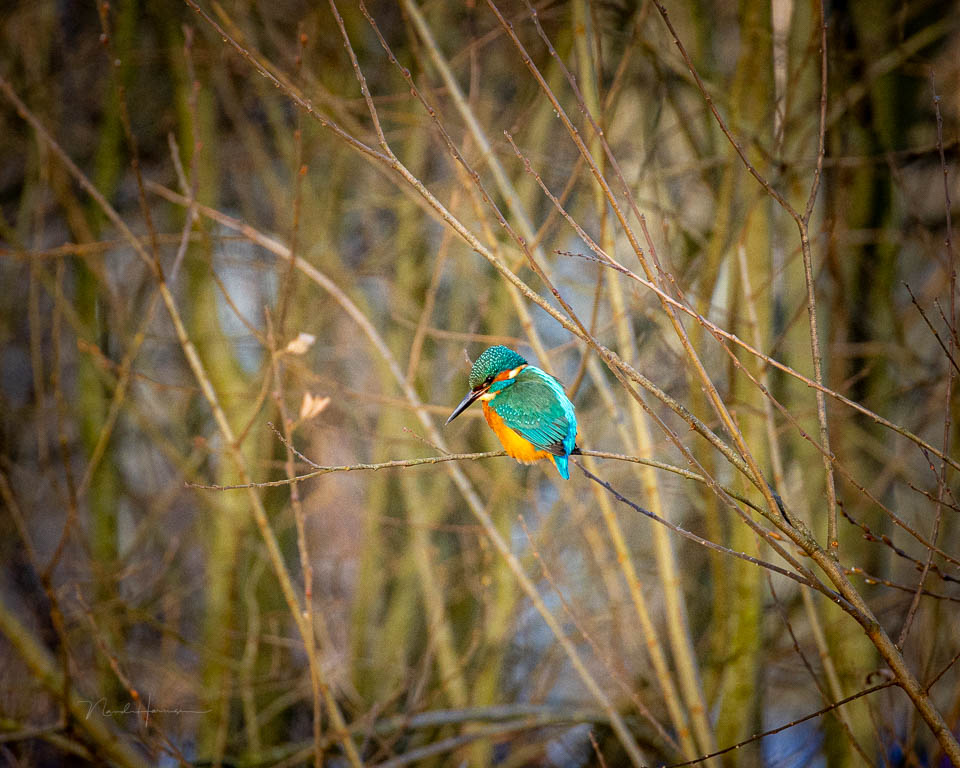
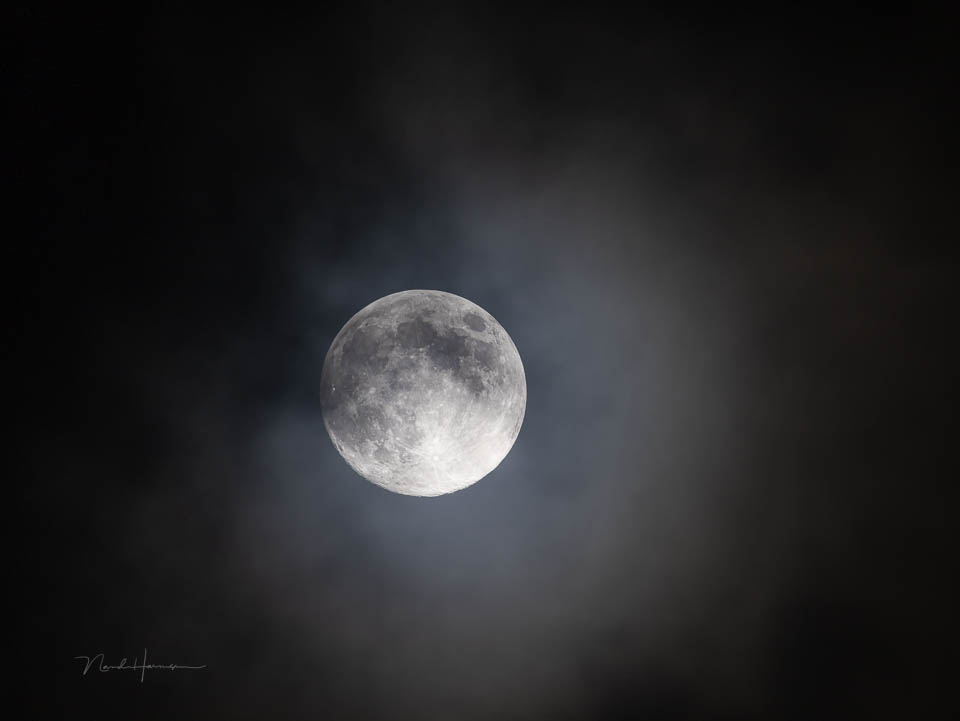
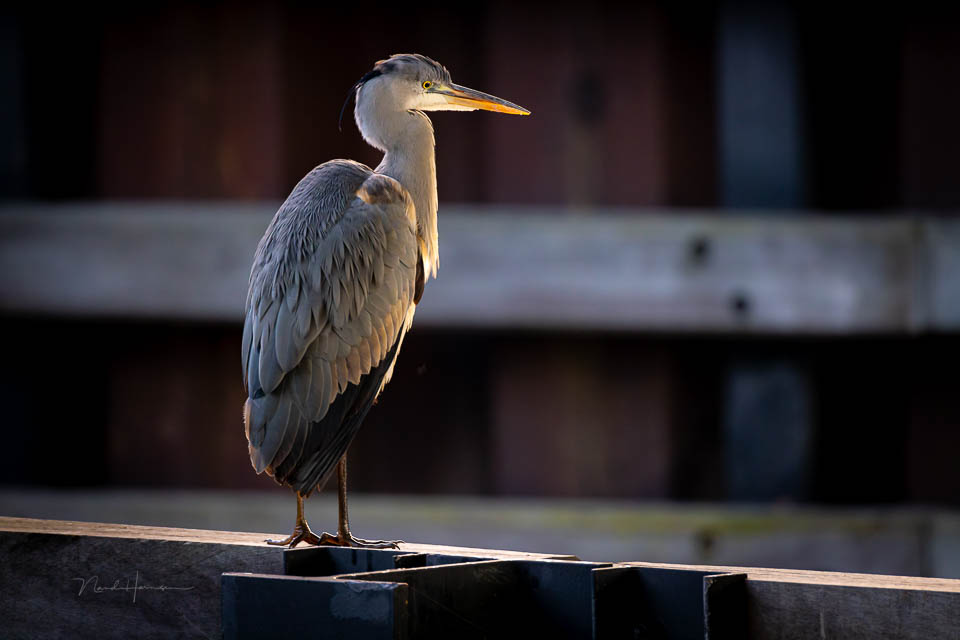
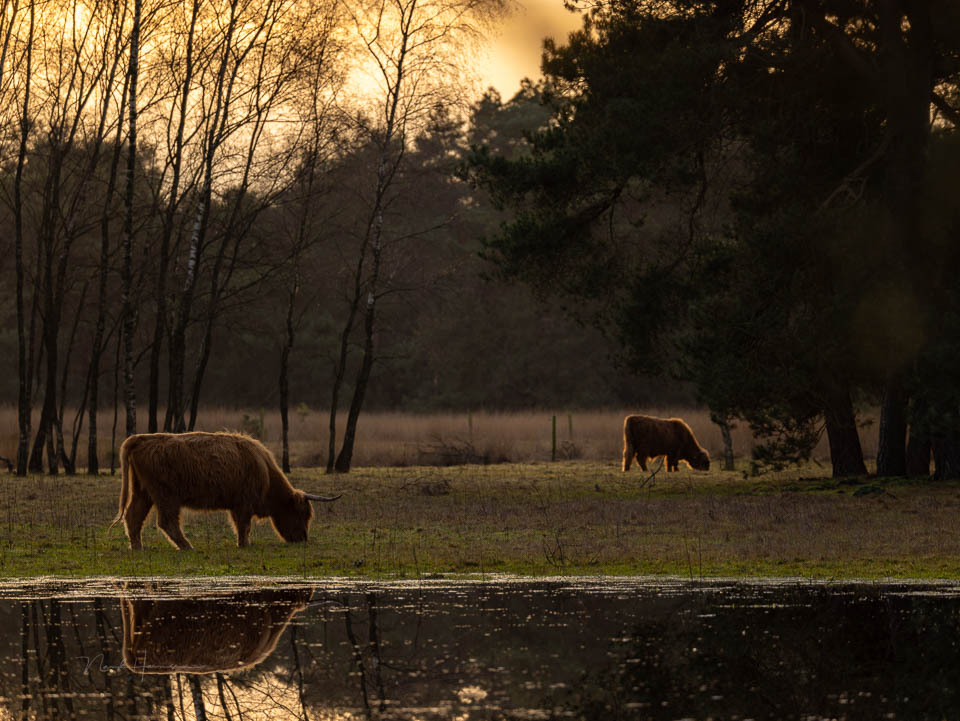
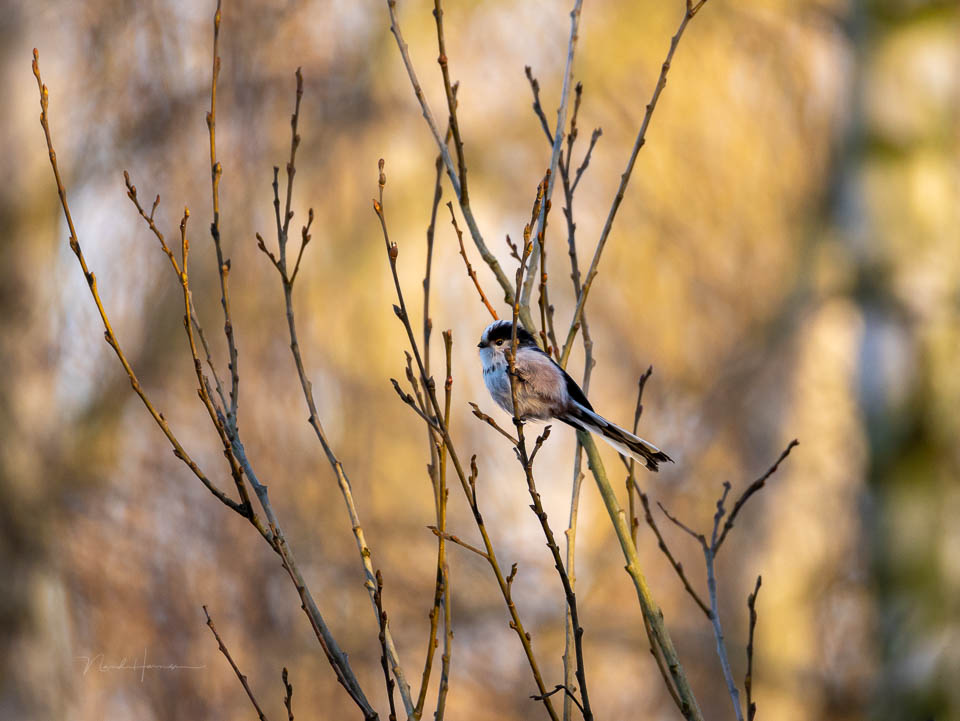
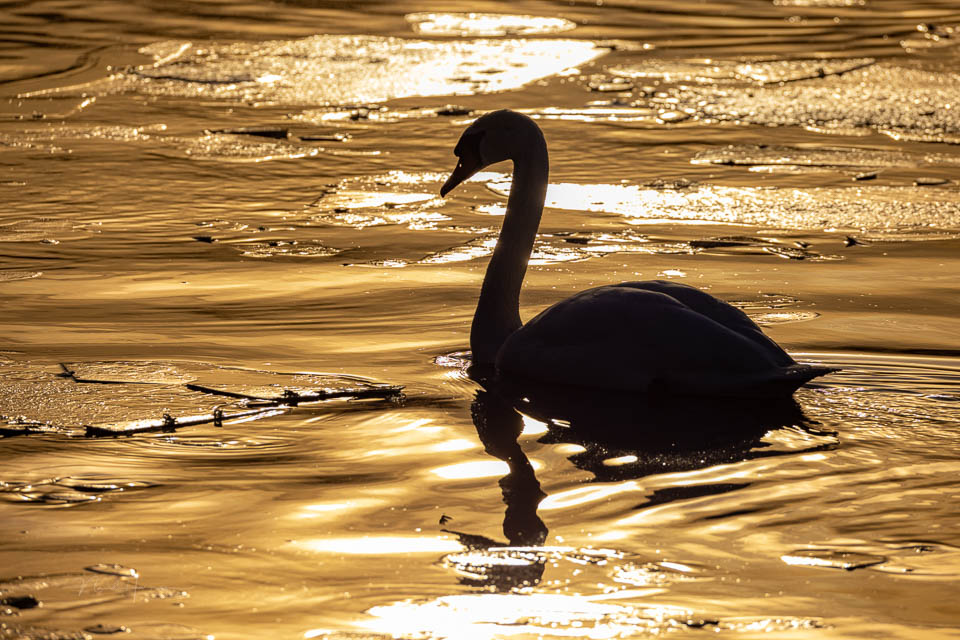
This is a selection of photos taken with the RF200-800mm. Every photo was taken handheld. The kingfisher and long-tailed tit photos have been cropped slightly. The other photos have not.






About the author
Nando Harmsen has been photographing for more than 40 years. He specialises in wedding photography and landscape photography. Nando also gives talks, workshops, masterclasses and photo trips, and regularly reviews new and interesting equipment.
You might also like
-
 Canon introduces RF 10-18mm, 200-800mm and 24-105mm lenses
by Nando Harmsen
-
 Review of the Canon RF 600 and RF 800 Telephoto Lenses
by Nando Harmsen
-
 Review: Canon RF 100-300mm f/2.8L IS USM
by Nando Harmsen
-
 Review: The Canon RF 85mm macro lens
by Nando Harmsen
-
 Canon RF 800mm f/5.6 and RF 1200mm f/8 announced
by Elja Trum
-
 Review: Canon RF 135mm f/1.8L IS USM
by Nando Harmsen
10 comments
-

 Donald Willemsen
wrote on Friday 9 February 2024 at 23:24
| reply
Donald Willemsen
wrote on Friday 9 February 2024 at 23:24
| reply
Nando, in your list of advantages you talk about the weight of the lens and you write there that the lens weighs only 2050 kilograms.
Translated from Dutch.
I think it's impressive that you can still take photos handheld with that
-
 Nando
wrote on Tuesday 13 February 2024 at 09:39
| reply
Nando
wrote on Tuesday 13 February 2024 at 09:39
| reply
For this zoom range and corresponding aperture, this isn't too bad.
Translated from Dutch.
With an R5 this is approximately 2800 grams
An EOS 1Dx with the EF70-200mm weighs approximately 2600 grams and everyone photographs handheld with that (who has or had one). -
Donald Willemsen wrote on Tuesday 13 February 2024 at 11:19 | reply
Nando, read it again under the heading 'Benefits'. It really does say, I quote: 'Weighs only 2050 KILOGRAM'
Translated from Dutch.
I understand that it's a mistake too. My intention was for you to correct it. Ok, my response may have come across as a bit sarcastic, but it wasn't meant maliciously. -
-
Donald Willemsen wrote on Tuesday 13 February 2024 at 14:04 | reply
Voilà, a heavy burden has been lifted from my shoulders. 😄😉.
Translated from Dutch. -
 Mario Wandels wrote on Tuesday 13 February 2024 at 15:49 | reply
nice that you put with every photo : "edited to taste".
Translated from Dutch.
Every photographer sees the world around him with his own eyes through his camera in a different way.
nice photos!
-
 ifiamminghi wrote on Tuesday 13 February 2024 at 19:10
| reply
ifiamminghi wrote on Tuesday 13 February 2024 at 19:10
| reply
That this lens cannot be compared with the 10x more expensive L primes, and that you are therefore focusing on the results in practice, indeed seems like a good approach to me.
Translated from Dutch.
But I do miss the comparison with an RF100-500+extender, and the RF800f/11 a bit in this article...
After all, many people have the RF100-500, and with the purchase of an extender (still cheaper than the RF200-800) one would achieve more or less the same range, but is the (practical) image quality then better or worse than that of the RF200-800? Or, if one already has the RF800f/11, would one be better off with the zoom at 800mm with the RF200-800?
(apart from the convenience of zooming, of course)
That RF800f/11 is also a lot lighter...
This of course does not detract from the quality of your article! -
Nando
wrote on Sunday 18 February 2024 at 10:50
| reply
Good point.
Translated from Dutch.
Unfortunately, I don't have an RF100-500L with an extender, only without one. And no RF600 or RF800 either. Comparing them is difficult then. Maybe this can be done sometime in the future, but I need to discuss that with Canon Netherlands.
I do know that an extender always results in some loss of quality. I don't know whether that is negligible compared to the RF200-800. The extender on the RF100-500 limits the zoom range, so keep that in mind. So it isn't the most ideal combination.
Compared to the RF600/800, the zoom range and f/9 have an advantage in my view over a fixed f/11.
But I would like to refer to the reviews of the RF100-500L and the RF600/800 here on PF. -
ifiamminghi wrote on Friday 16 February 2024 at 12:08
| reply
You (rightly) state that it is advisable to attach the strap to the relevant eyelets after all, in order to relieve the lens/camera connection (I hadn't thought of that yet).
Translated from Dutch.
But, in the photo just above "conclusion", I think I can see that you are using your shoulder strap with that (fantastic) QD coupling (which you wrote an article about earlier). Is that right ? Or am I not seeing what I think I'm seeing ?
(I am still very happy with the QD coupling that I learned about thanks to you, thanks for that!) -
Nando
wrote on Sunday 18 February 2024 at 10:55
| reply
Good spot, that is the QD system. It is attached to the tripod plate that I mounted on the tripod collar of the lens.
Translated from Dutch.
This way I carry the lens with the camera (instead of the camera with the lens) and I don't have to use the lens's own carrying strap.
Have your say
Please note: Articles older than a week can only be commented on by signed-in visitors.Would you still like to comment? sign in or create a free account.
Become a better photographer every week
A practical photography tip in your inbox every week.
39,077 photography enthusiasts already receive the tips! More about the weekly mail. Or keep up to date via  Facebook.

Elja Trum
Photofacts; everything to do with photography!
Would you like to take better photos and keep up with what is happening in photography? Photofacts publishes articles that teach you something about photography — from a product announcement to a practical shooting tip or a look at a website. Photofacts covers photography every day and is a hobby project of Elja Trum's that got out of hand. The articles are written by a team of volunteer authors. If you would enjoy writing one or more articles for Photofacts, do get in touch.More about PhotofactsPhotofacts is made possible in part by
