

Review: Sony FE 2.8/16-35 GM II lens
Friday 15 September 2023, 13:31 by Nando Harmsen | 4,201 views | 0 commentsThis article was translated from Dutch with the help of AI. Read the original.
The new Sony FE 2.8/16-35GM II lens is small, compact and has an f/2.8 aperture throughout the zoom range. Sony lent me this lens for several weeks. How is its quality and how does it perform in practice? Does it live up to its promises? Read it in this review.
There are three lenses with which you can capture virtually everything. These are a 70-200mm zoom lens, a 24-70mm zoom lens and a 16-35mm zoom lens. Together, these three form the so-called trinity.
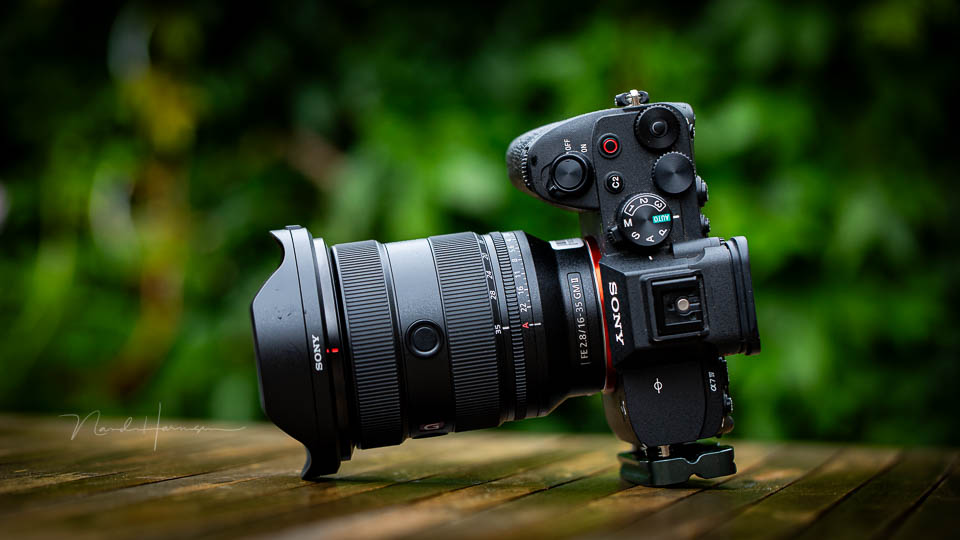
Sony has now released the second version of the 16-35mm, completing this trinity of lenses once again. Like the 24-70mm and 70-200mm, this lens also has an f/2.8 aperture throughout the zoom range.
The special thing about the FE 2.8/16-35 GM II, as this lens is called, is its compact shape and low weight. It is no less than 20% lighter than its predecessor, which is significant. This makes using the lens much more pleasant.
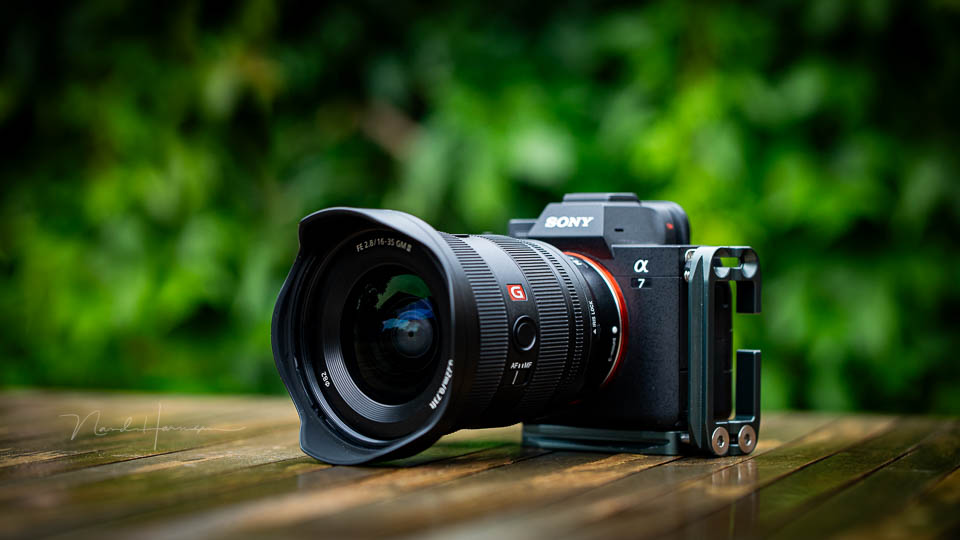
Appearance
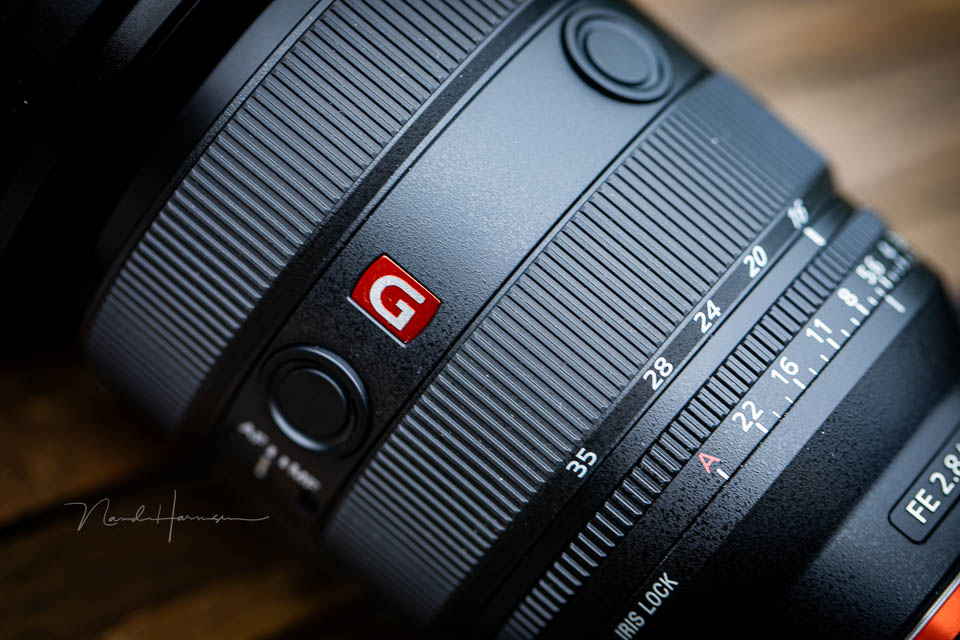
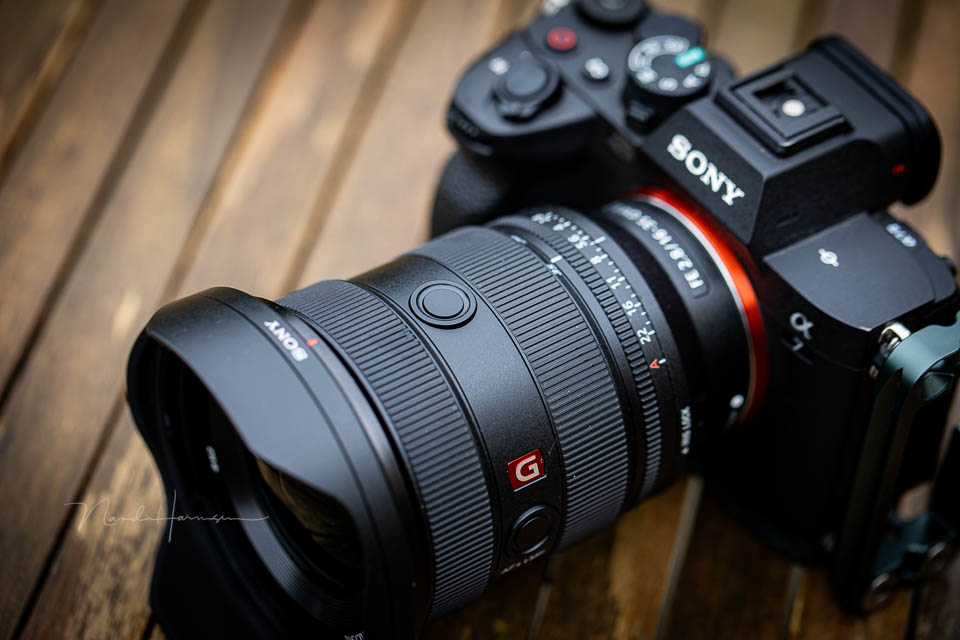
The lens is so compact that it almost comes as a surprise that it has an f/2.8 aperture throughout the zoom range. Its small size is partly due to the narrow mount that is characteristic of Sony. The lens has a physical aperture ring. You can switch the click stops on or off with a switch.

The lens has two focus buttons that can be programmed through the camera body. The zoom ring is located between the aperture ring and the buttons. The rotation needed to go from 16mm to 35mm is around 35 degrees.
The lens has an 82mm front lens diameter and a filter thread. The lens becomes one centimetre longer in the 16mm position. Despite this, its length of 111mm makes it a pleasant size.
The FE 2.8/16-35GMII has no image stabilisation, which is partly responsible for its low weight. The lens has a physical AF/MF switch. When it is set to MF, you have a focus ring located directly behind the front lens.
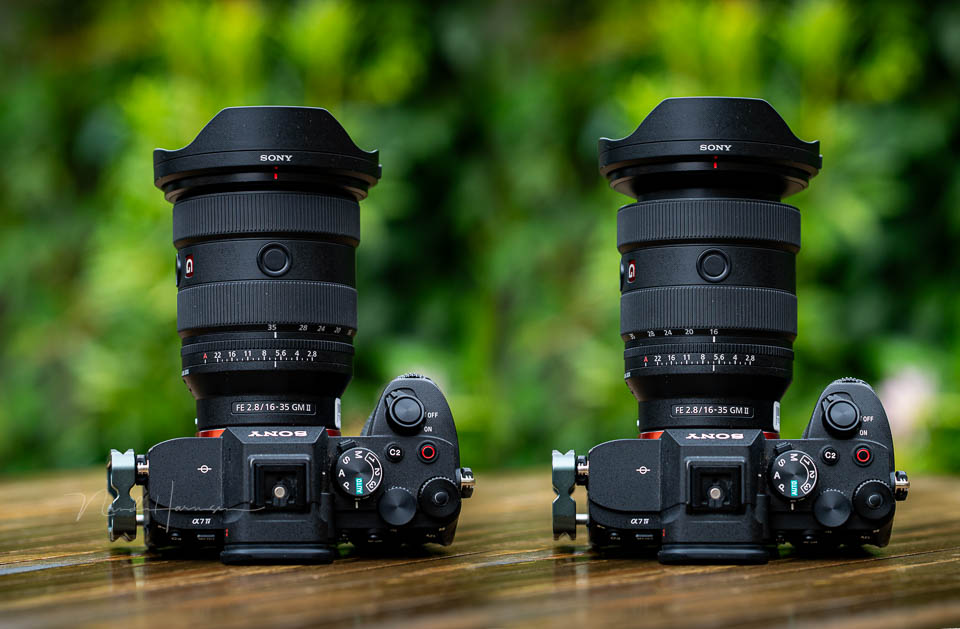
Would you rather not use the aperture ring, but the dials on the camera? An Irislock is available for this. It locks the aperture ring in the A position.
Image quality
The images made with the FE 2.8/16-35GMII naturally look good. You would not expect anything else. The images are clear, with good contrast and good detail. I did not test the resolution, because I did not have the means to do so.
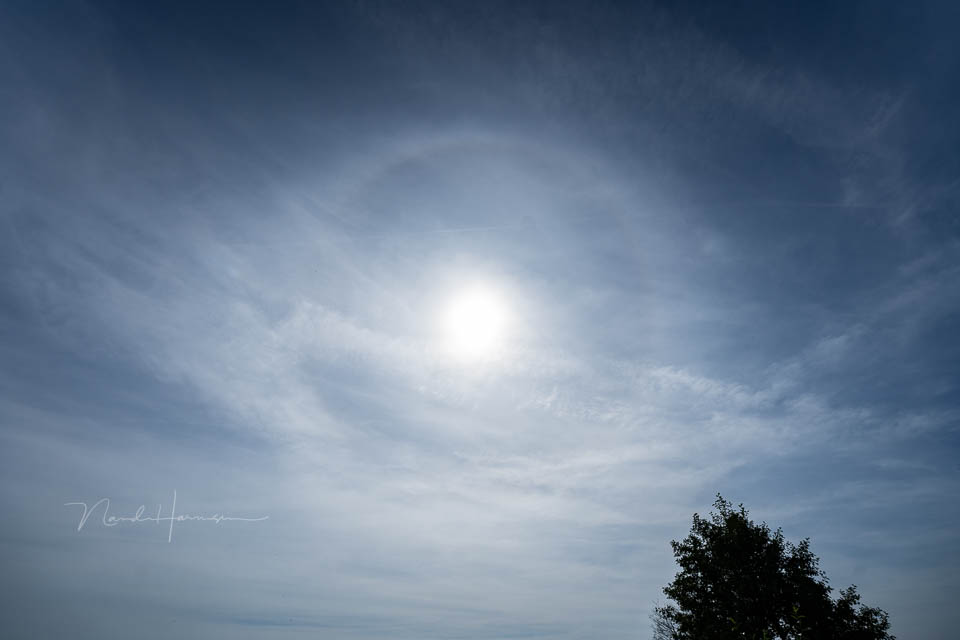
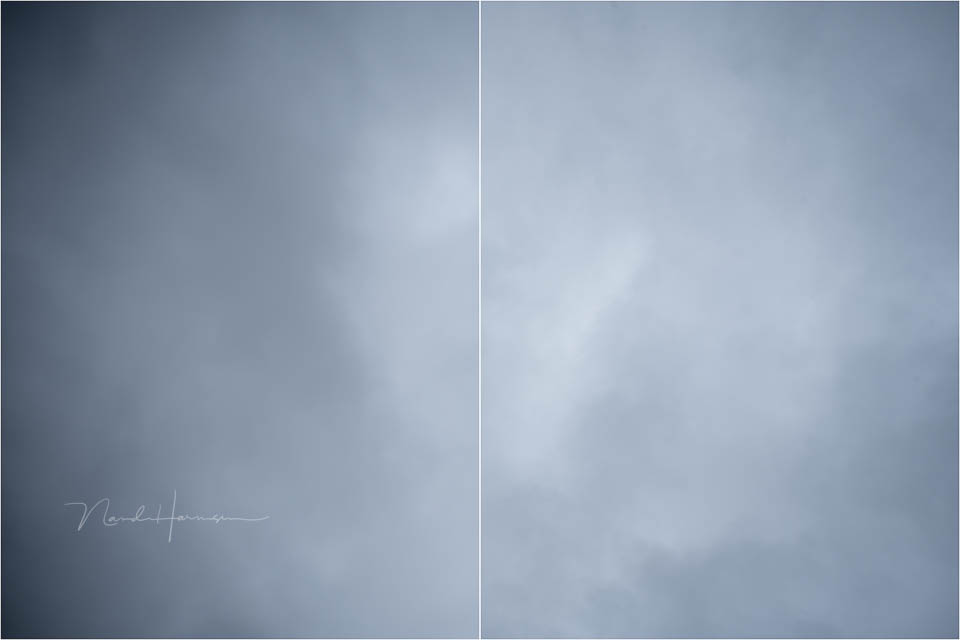
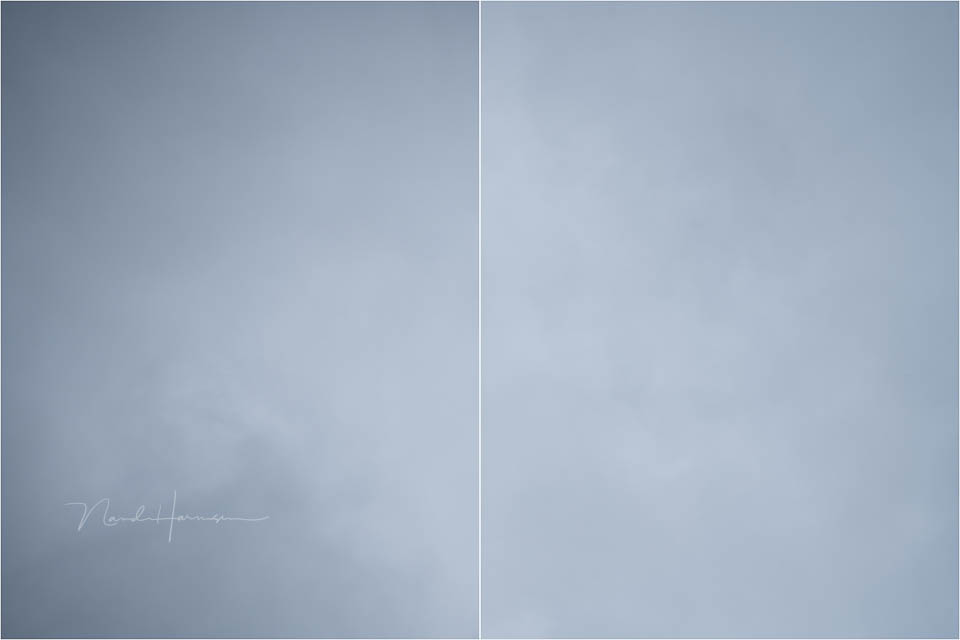
What I did test was the vignetting and distortion that occur. As expected, at 16mm the lens produces significant vignetting at f/2.8, which is almost gone at f/8. At 35mm, the vignetting at f/2.8 is much less. At f/8, it has almost completely disappeared.
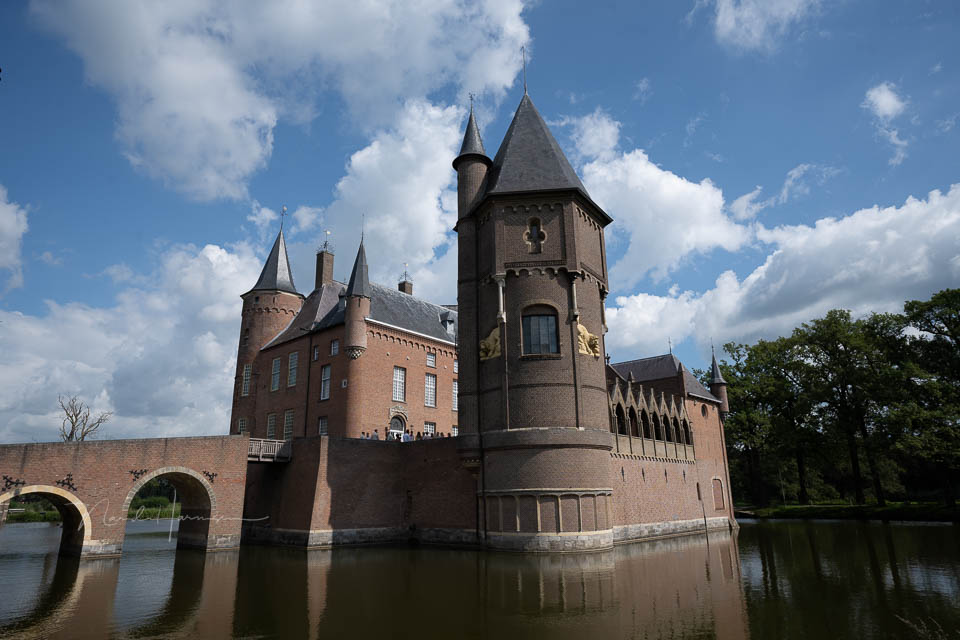
The lens also shows distortion, which is clearly visible when photographing straight lines. The joints between the 30x30cm tiles I photographed show clear barrel distortion at 16mm.
This changes to pincushion distortion at 35mm. This is normal for wide-angle zoom lenses and the level of distortion is not excessive.


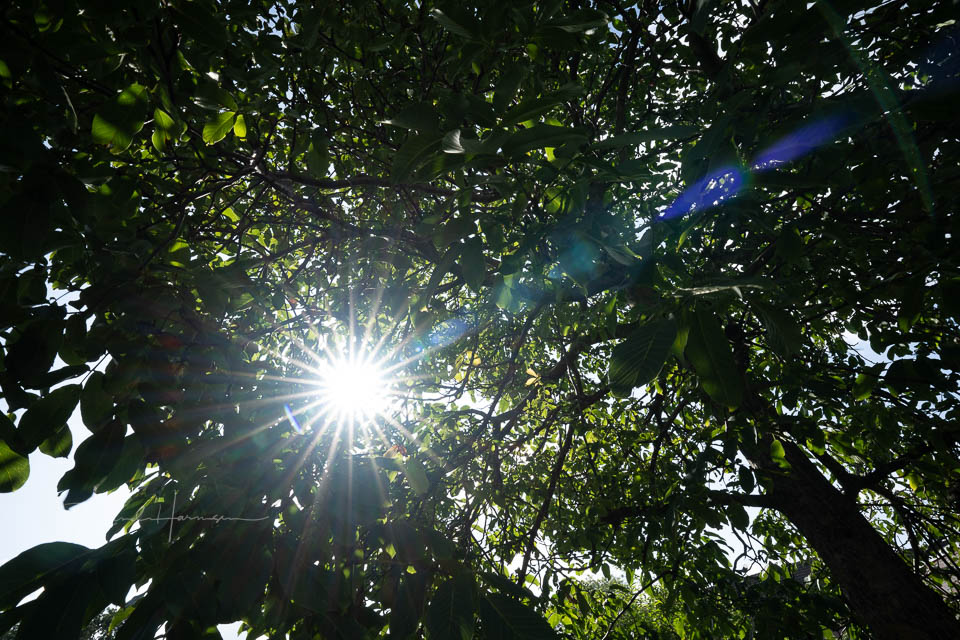
The starbursts produced by bright light sources at small apertures look good. Chromatic aberration, which produces coloured lines at high-contrast edges, seems to be well controlled.
Some lens corrections are applied by default in the camera, which further minimises this effect.
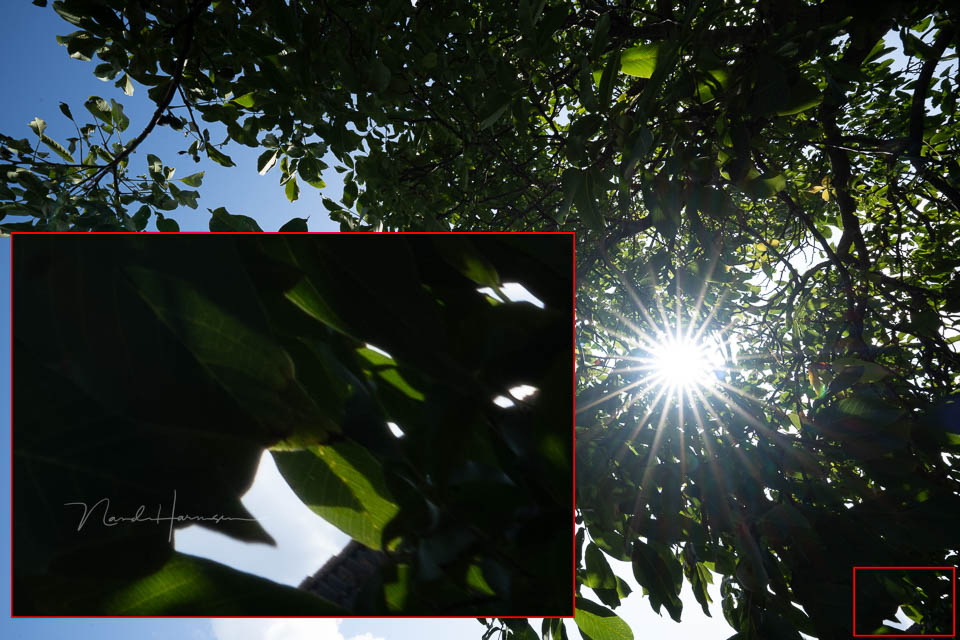
If you have a bright light source in the frame, flare can occur. This is also the case with the FE 2.8/16-35GMII. The amount of flare depends greatly on the position of the light source in the frame, or just outside it. Flare can become very noticeable with this lens when the light hits it from just the wrong angle.
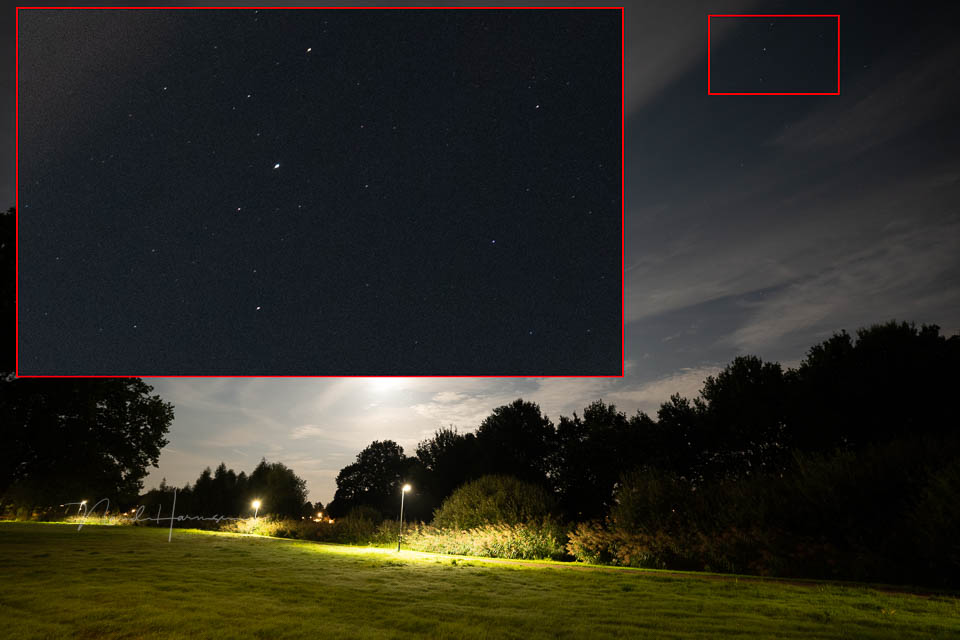
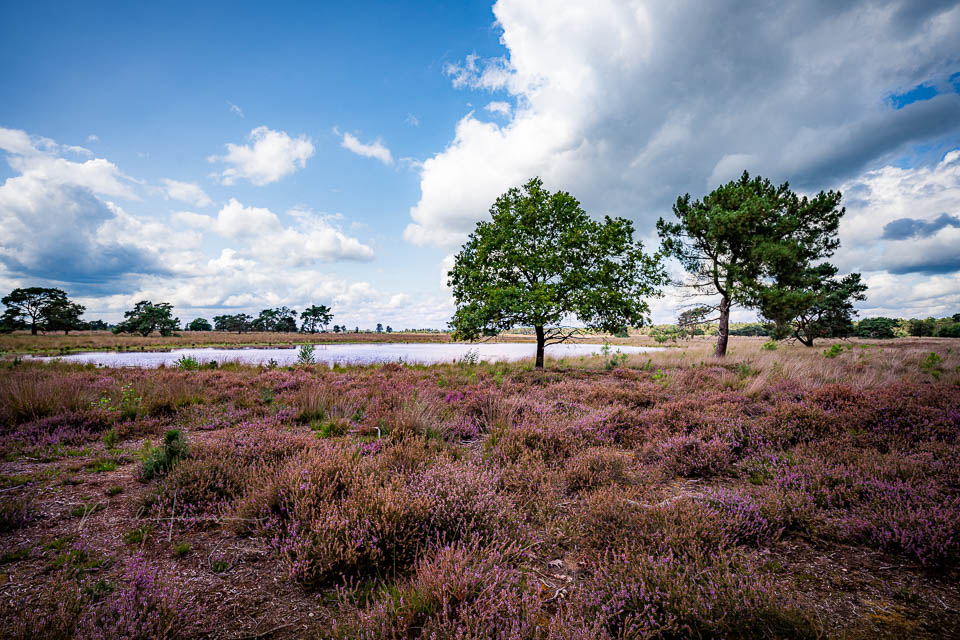
An f/2.8 lens with a 16mm focal length is of course perfect for astrophotography. A wide angle of view can, however, lead to distortion. As a result, stars in the corners of photos can be stretched into strange shapes, the so-called coma distortion.
With the FE 2.8/16-35GMII, coma distortion is minimal. Do bear in mind, however, that there is significant vignetting in the corners, which can reach 3 stops.
Sharpness and blur
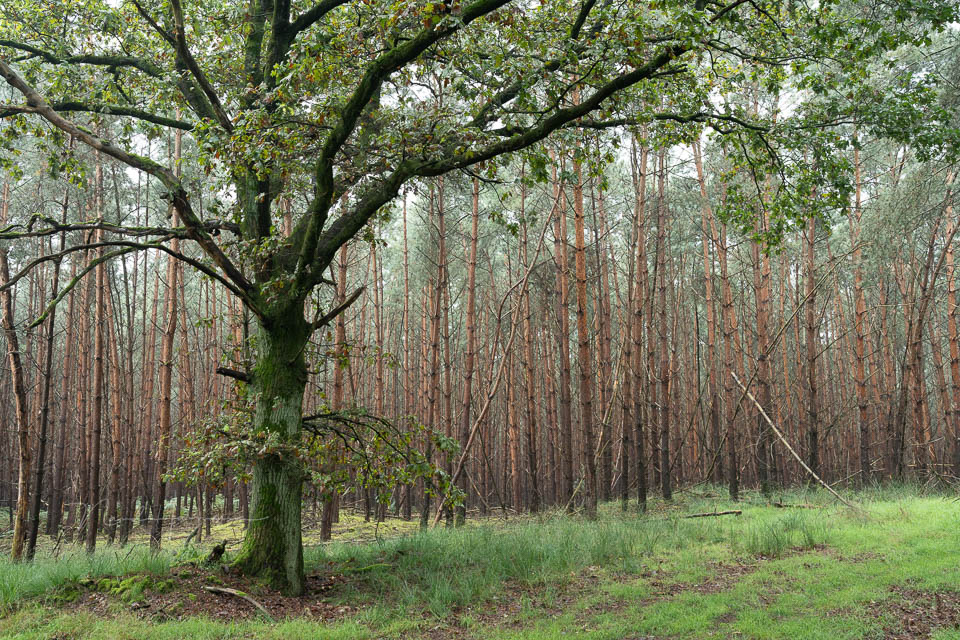
In practice, the lens produces good sharpness across the frame. It is perfectly sharp in the centre, and this decreases slightly towards the corners. Especially at f/2.8, this can result in a somewhat woolly appearance in the corners. A smaller aperture solves this almost immediately.
When using f/2.8, it is possible to get a nice blurred background. As long as you get close enough to your subject. This makes it possible, for example, to capture mushrooms nicely in their surroundings.


Usually, a lens like this, with a 16mm focal length, will be used to get a lot into the frame with a large depth of field. The FE 2.8/16-35GMII is extremely well suited to this. If you use the lens for action photography, you can be confident that the autofocus is fast enough.

Conclusion
This new G-master lens is very pleasant to use. This is partly thanks to its low weight and pleasant size. I am very pleased with the aperture ring and the presence of the focus buttons. Although the latter is more of a nice-to-have.

It is striking that there is no image stabilisation. I do not consider this a problem at all, since virtually all modern cameras have an IBIS system. Moreover, image stabilisation is almost unnecessary for such focal lengths. Leaving it out made it possible to keep the lens light.

The distortion is normal for such a focal length range. The vignetting is rather strong at 16mm and f/2.8. Bear this in mind when photographing stars. Sony often adds standard image correction to photos, which is also the case with this lens.
It is difficult to say how much of an improvement the FE 2.8/16-35GM II is over the first model without having the two side by side. At a price of 2,700 euros, it is not a lens you buy on a whim. If you are looking for optimum image quality in this zoom range, the FE 2.8/16-35mm GM II is highly recommended.
Pros
- Compact and lightweight
- Aperture ring
- Aperture clicks can be switched off with a button
- AF buttons
- Standard 82mm filter size
- Good image quality
Cons
- Lens does not have internal focusing, so it becomes slightly longer
- Strong vignetting at 16mm and f/2.8
- Image correction cannot be switched off, more camera-related than lens-related, but still...
- No image stabilisation, although I do not necessarily consider this a disadvantage
About the author
Nando Harmsen has been photographing for more than 40 years. He specialises in wedding photography and landscape photography. Nando also gives talks, workshops, masterclasses and photo trips, and regularly reviews new and interesting equipment.
You might also like
-
 Sony announces the FE 2.8/16-35 GM II
by Nando Harmsen
-
 Review: Sony FE 16-25mm and FE 24-50mm f/2.8 G lenses
by Nando Harmsen
-
 First impressions of the Sony FE 20-70mm f/4 G
by Nando Harmsen
-
 Sony introduces a new 70-200mm G Master lens
by Nando Harmsen
-
 Review: Sony FE 1.4/85mm GM II
by Nando Harmsen
-
 Review: Sony FE 50-150mm f/2 GM
by Nando Harmsen
0 comments
Be the first to share what you think!
Have your say
Please note: Articles older than a week can only be commented on by signed-in visitors.Would you still like to comment? sign in or create a free account.
Become a better photographer every week
A practical photography tip in your inbox every week.
38,981 photography enthusiasts already receive the tips! More about the weekly mail. Or keep up to date via  Facebook.

Elja Trum
Photofacts; everything to do with photography!
Would you like to take better photos and keep up with what is happening in photography? Photofacts publishes articles that teach you something about photography — from a product announcement to a practical shooting tip or a look at a website. Photofacts covers photography every day and is a hobby project of Elja Trum's that got out of hand. The articles are written by a team of volunteer authors. If you would enjoy writing one or more articles for Photofacts, do get in touch.More about PhotofactsPhotofacts is made possible in part by
