

Review: Sony FE 50-150mm f/2 GM
Friday 2 May 2025, 14:07 by Nando Harmsen | 4,173 views | 0 commentsThis article was translated from Dutch with the help of AI. Read the original.
The Sony FE 50-150mm f/2 GM is a unique zoom lens that lets through a full stop more light than an f/2.8 version. Expectations are high. I was given this lens to see whether it lives up to them.
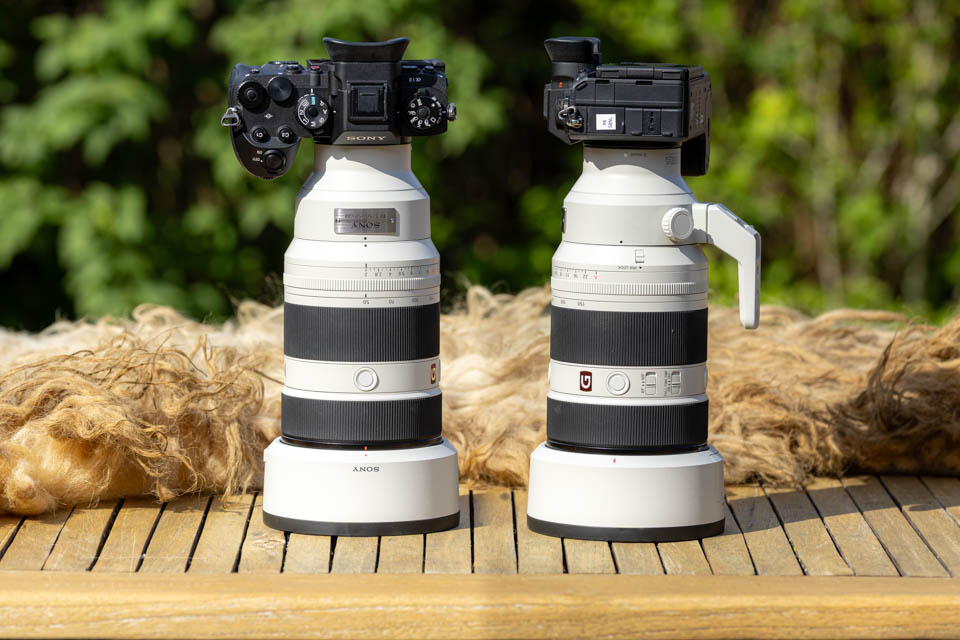
The Sony FE 50-150mm f/2 GM is a lens that fits very well with the previously launched FE 28-70mm f/2 GM. It has the same f/2 aperture throughout the zoom range. However, the zoom range is aimed more at portrait photography.
Appearance of the FE 50-150mm f/2 GM
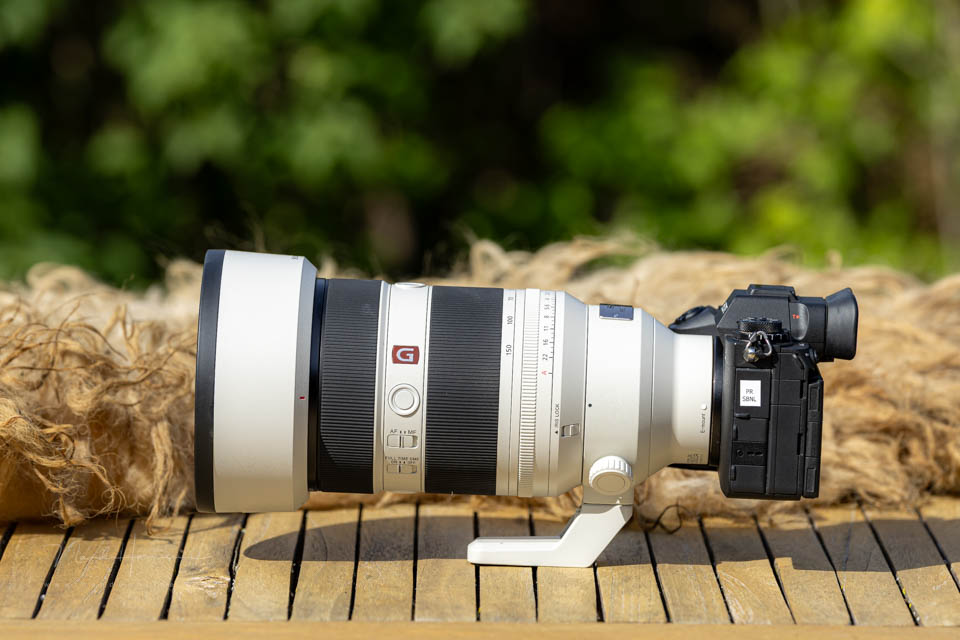
The lens is naturally large and heavy, precisely because of this large aperture. Even so, at 1,340 grams it does not weigh much more than a 70-200mm f/2.8 lens. The size is also comparable. It is 20 centimetres long, although the 95mm front element is considerably larger.
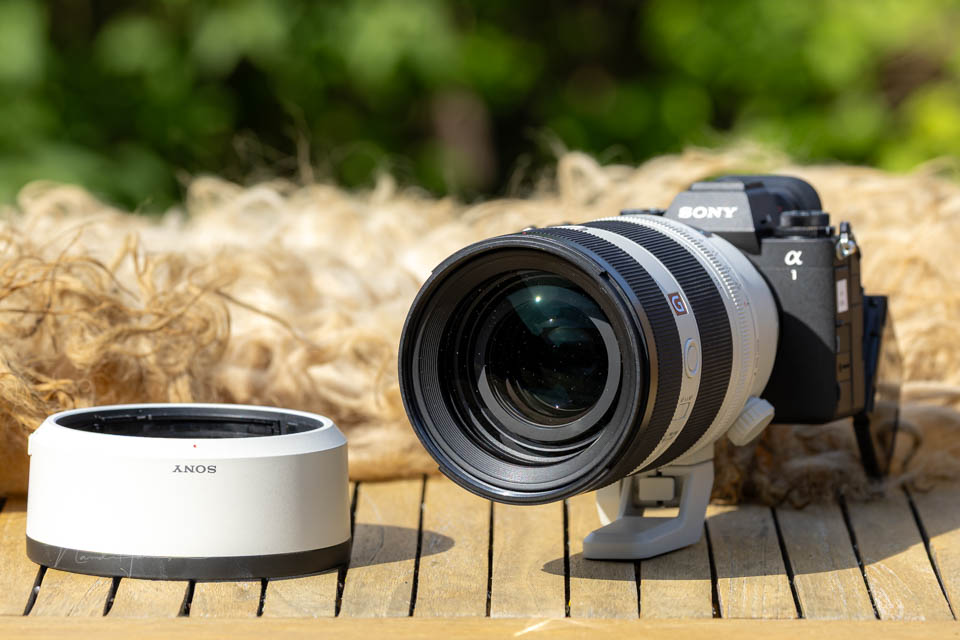
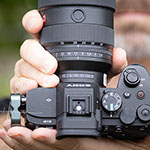
The FE 50-150mm f/2 GM is white, with the standard removable tripod foot. The design can also be seen on other Sony lenses. The lens has a smooth zoom ring, a focus ring and an aperture ring.
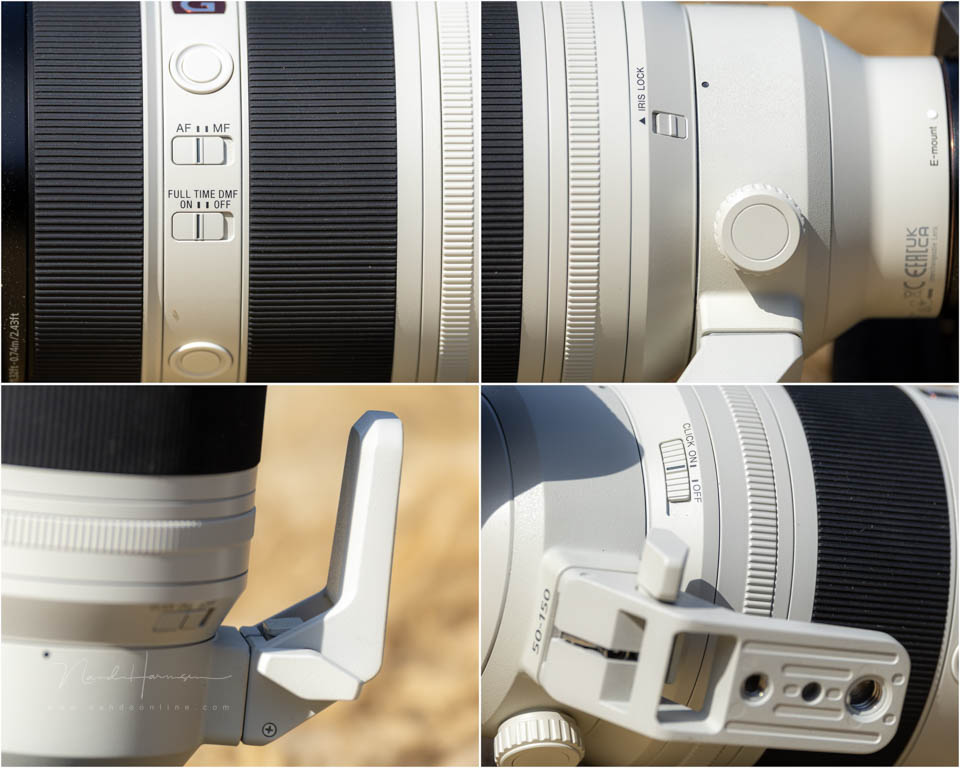
The clicks of the aperture ring can be switched on or off with a switch. Another switch lets you set the ring to the A position, for those who prefer to control the aperture on the camera itself.
There are also two switches on the lens. An AF/MF switch and the Full Time DMF switch. The lack of an image stabilisation switch reveals that no image stabilisation is built in.
The lens does have three function buttons that can be programmed as desired. Their positions have been chosen so that one is always easy to reach, regardless of how you hold the camera.
Image quality
One of the key selling points of the FE 50-150mm f/2 GM is that this zoom lens matches, or even approaches, the quality of prime lenses. Sony is placing a strong emphasis on this. Naturally, it is clear that the in-camera lens corrections are enabled. These are then embedded directly in the RAW files.
The compensation for vignetting, distortion and chromatic aberration can be disabled on the Sony A1 mark II. This reveals the true image quality, without software correction.
The lens shows slight barrel distortion at 50mm, which changes to pincushion distortion at 150mm. At f/2, around two stops of vignetting can be seen. This decreases quickly and is barely present at f/4.
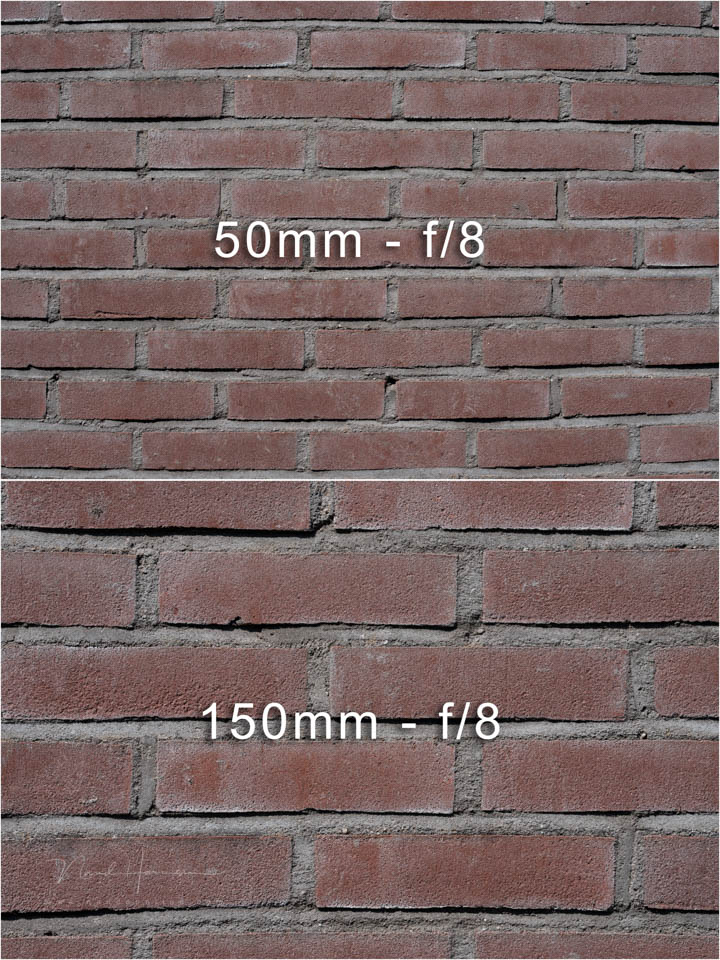
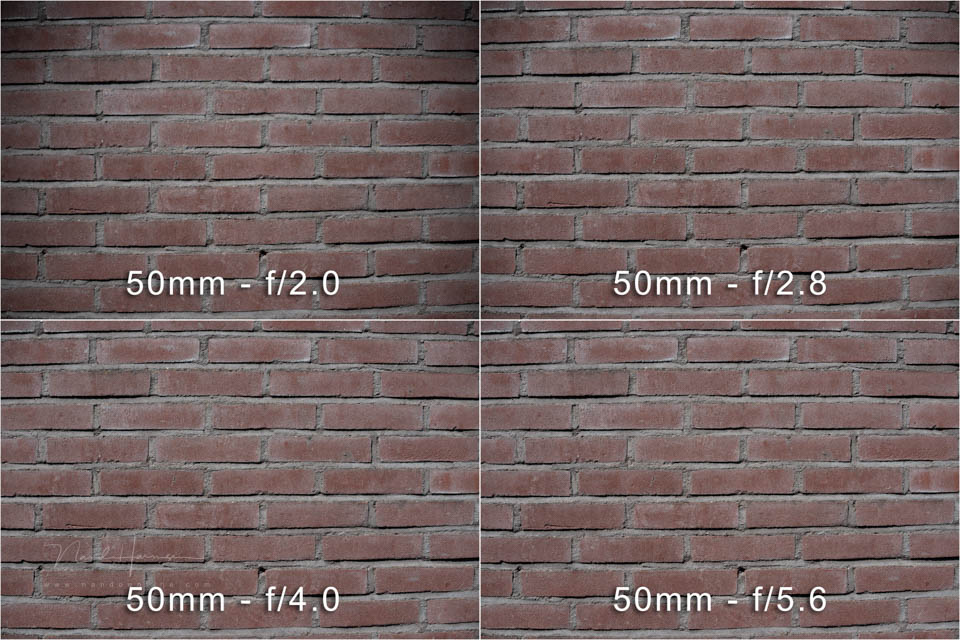
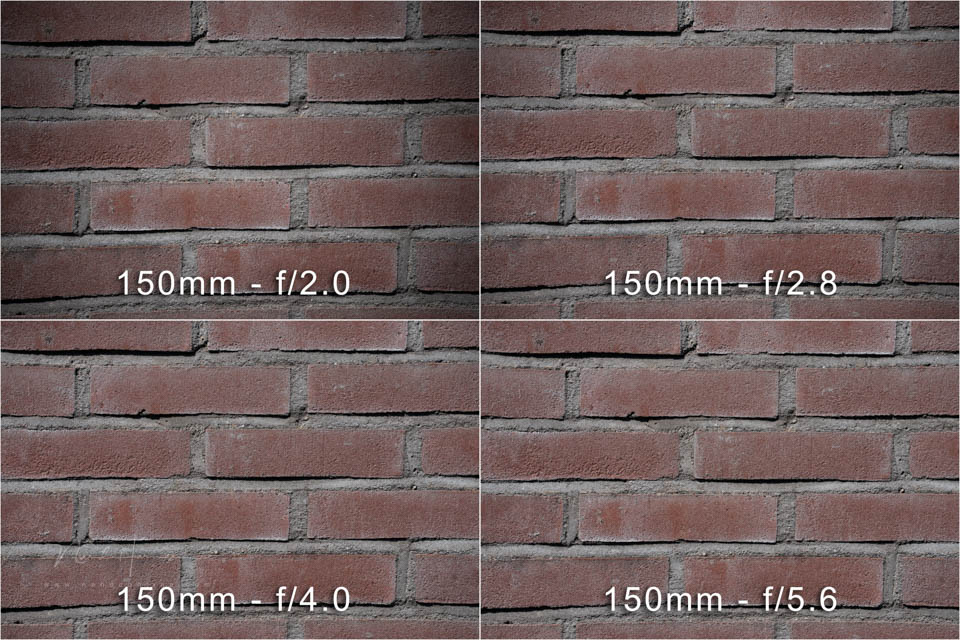
Chromatic aberration appears to be completely absent. You notice no fringing around high-contrast transitions, which is impressive. The lens is sensitive to flare when pushed to extremes. Flares are more prominent, especially at smaller apertures.
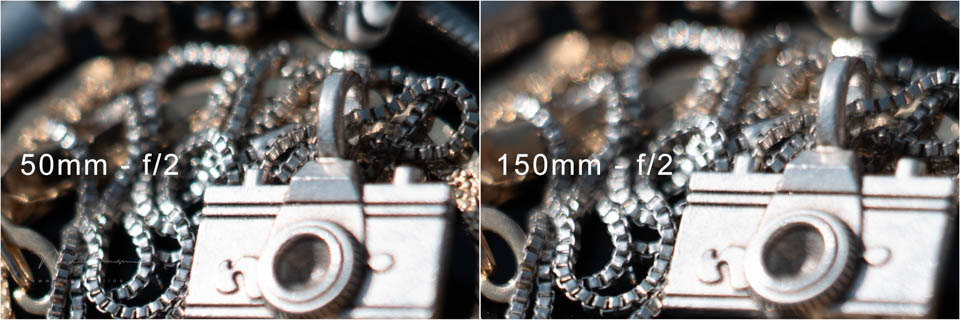
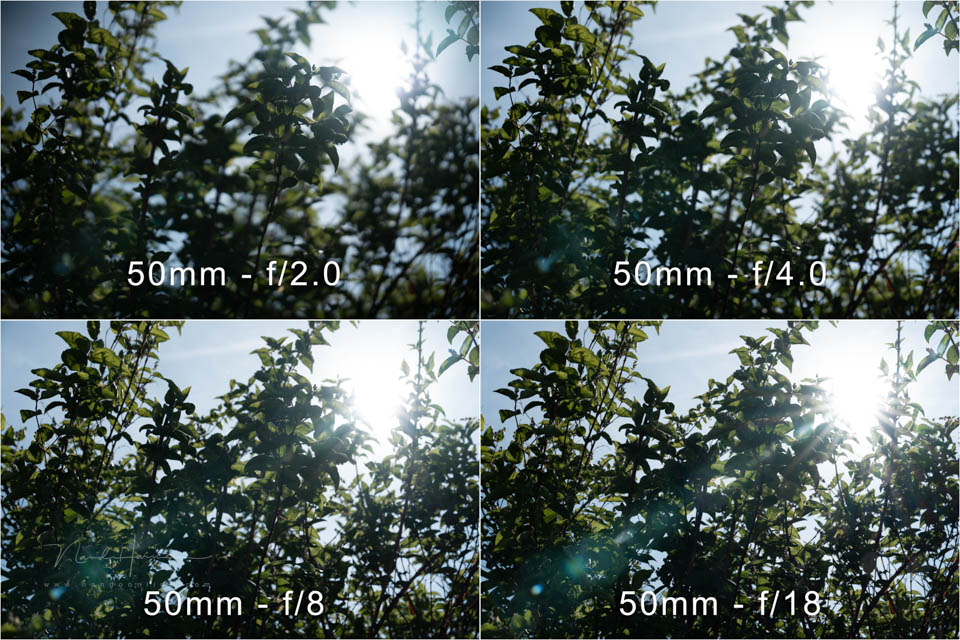
You would naturally use this lens in all conditions with the in-camera lens correction enabled. The pincushion and barrel distortion, the vignetting and the little chromatic aberration you might find are then completely removed from the photo.
Bokeh
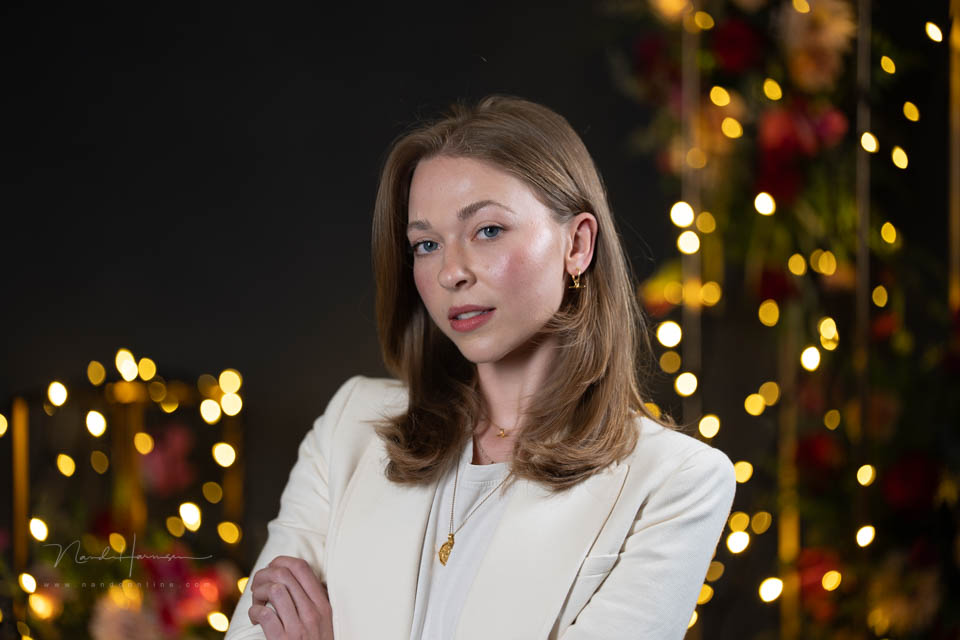
A lens like this, with f/2 as its widest aperture, naturally calls for photos with a shallow depth of field. Lights in the background then appear as bokeh balls. The same is true with this lens.

The aperture consists of 11 blades, creating a circular opening, even at f/8 or smaller. The bokeh rings are clean in appearance and have a nice circular shape in the centre of the image. Outside the centre of the image, they quickly change into the so-called cat-eye shape.
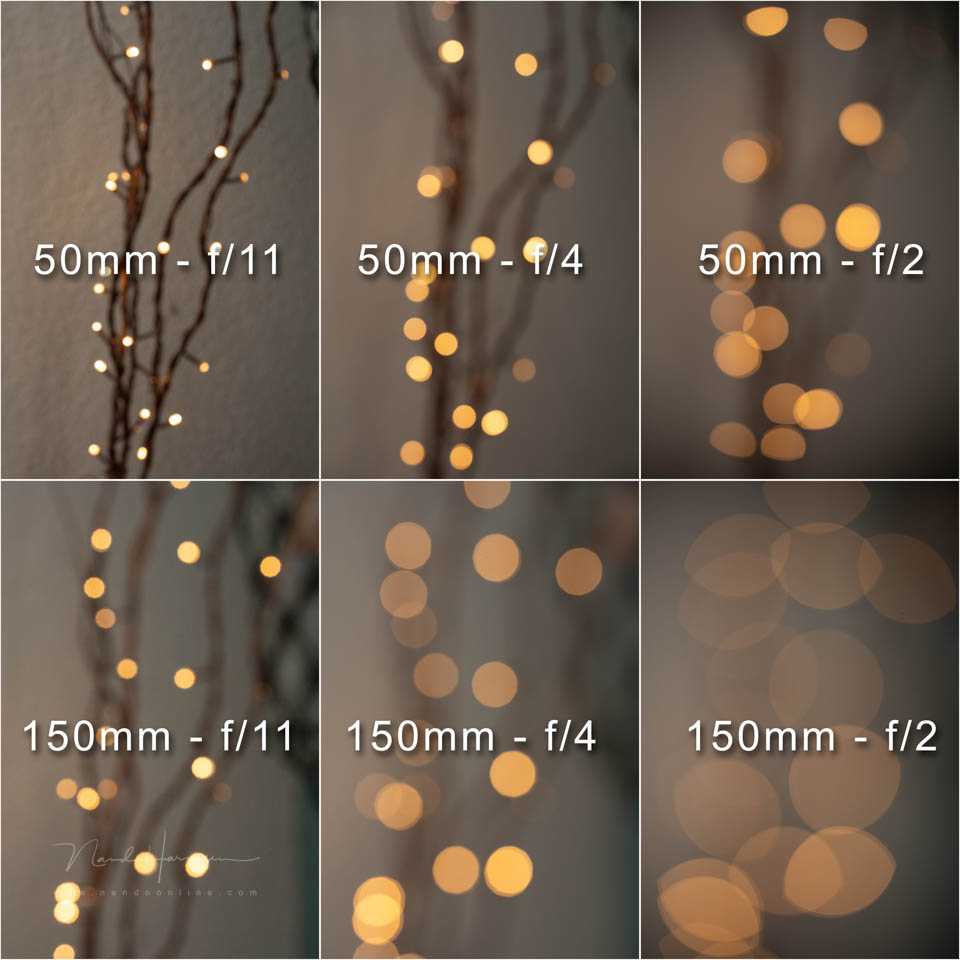
In practice, the lens produces a pleasant blur, with subtle transitions from sharp to out of focus. The size of the bokeh rings depends on the focal length used and the distance between the subject and the background.
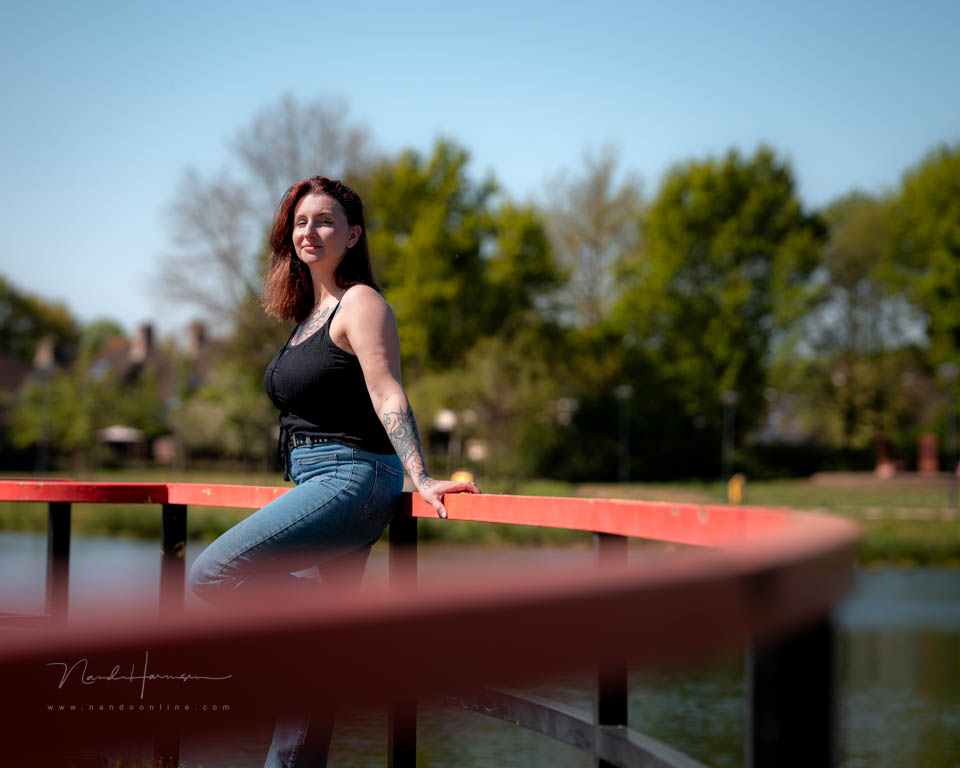

With a busier background, the bokeh produces a kind of swirl effect. I suspect this is caused by the cat-eye distortion of the bokeh rings, which appears relatively far from the edges.

The zoom range
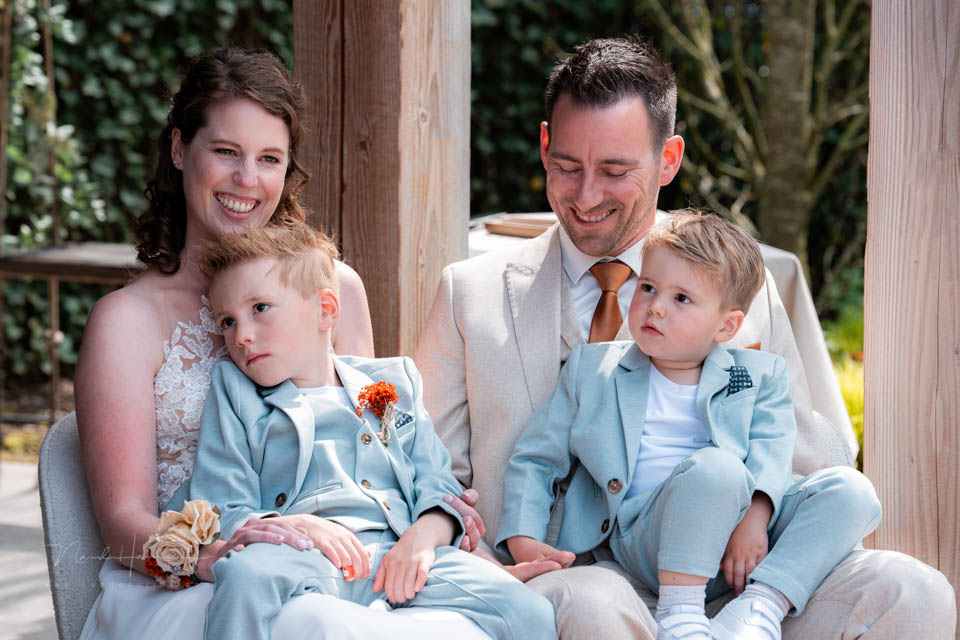
A zoom range of 50-150mm may seem a little strange at first. However, you need to consider the target audience. This is mainly event photography and weddings. Studio photography and portraits are also part of this. Less than 50mm is usually not needed. More than 150mm only in exceptional cases.
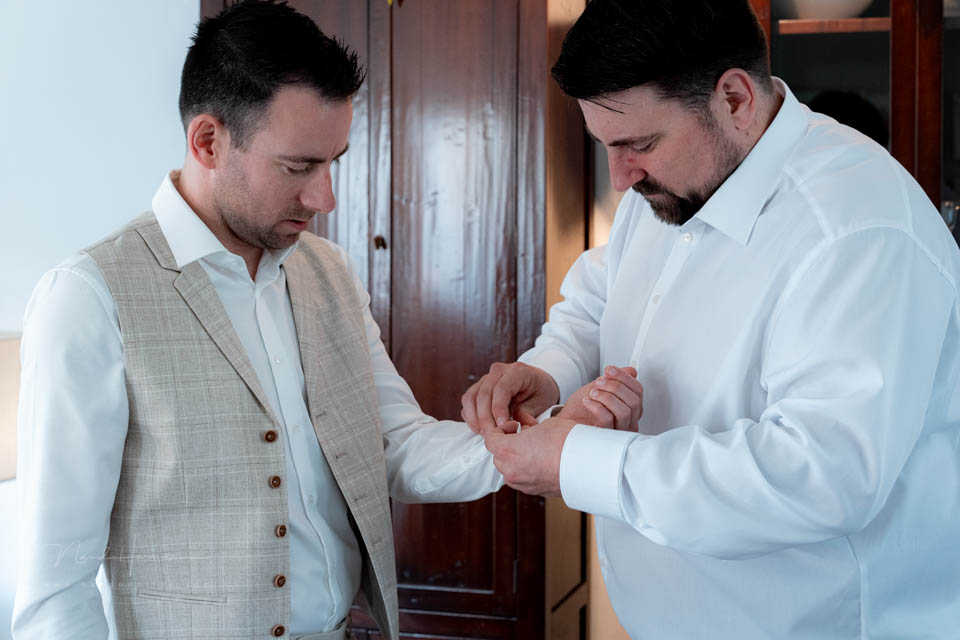
With this zoom range, Sony has included all the important focal lengths that a prime lens user would choose. A 50mm, an 85mm, a 100mm and a 135mm. Each of these focal lengths gives the image a unique look.

With the FE 50-150mm f/2 GM, Sony has effectively captured all these prime lenses in a single zoom lens. I therefore see it as the ideal portrait zoom lens. This is combined with a wide aperture that approaches that of prime lenses.
In practice
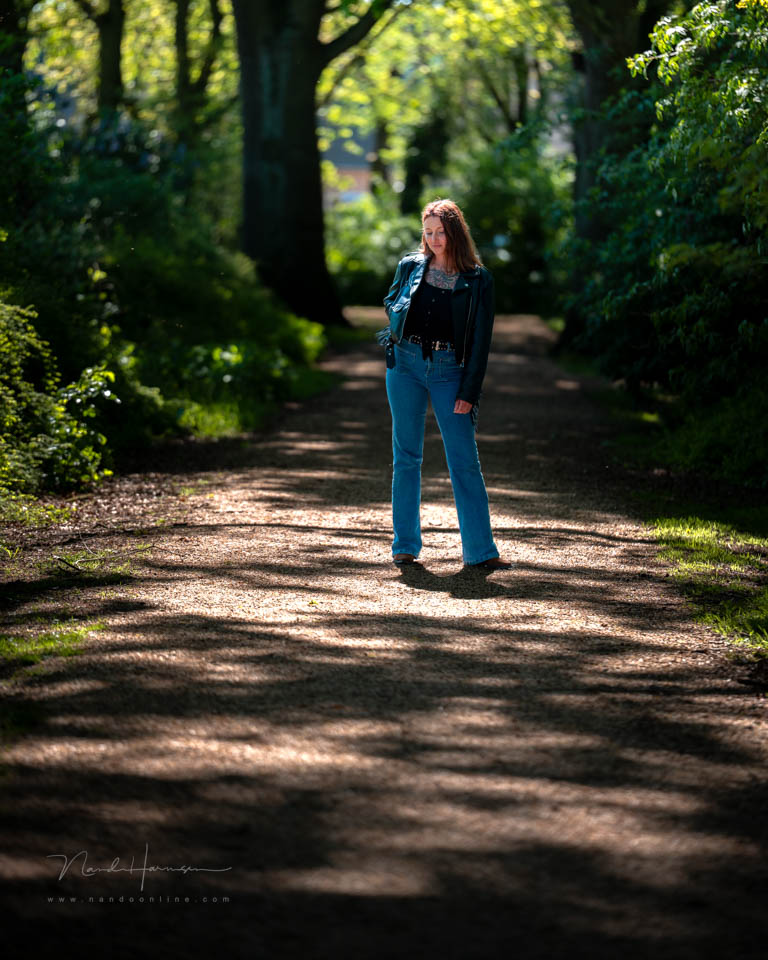
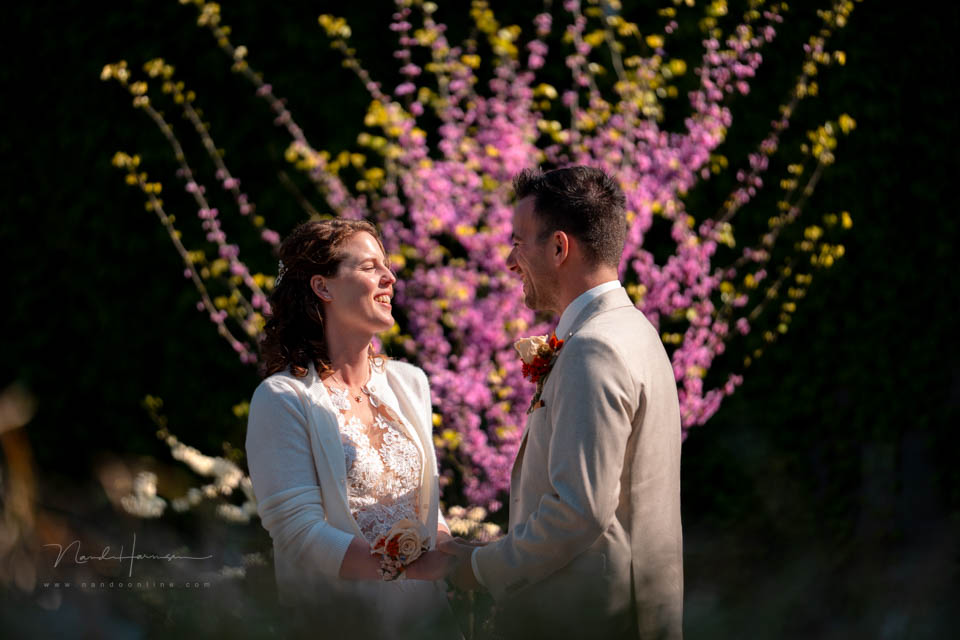
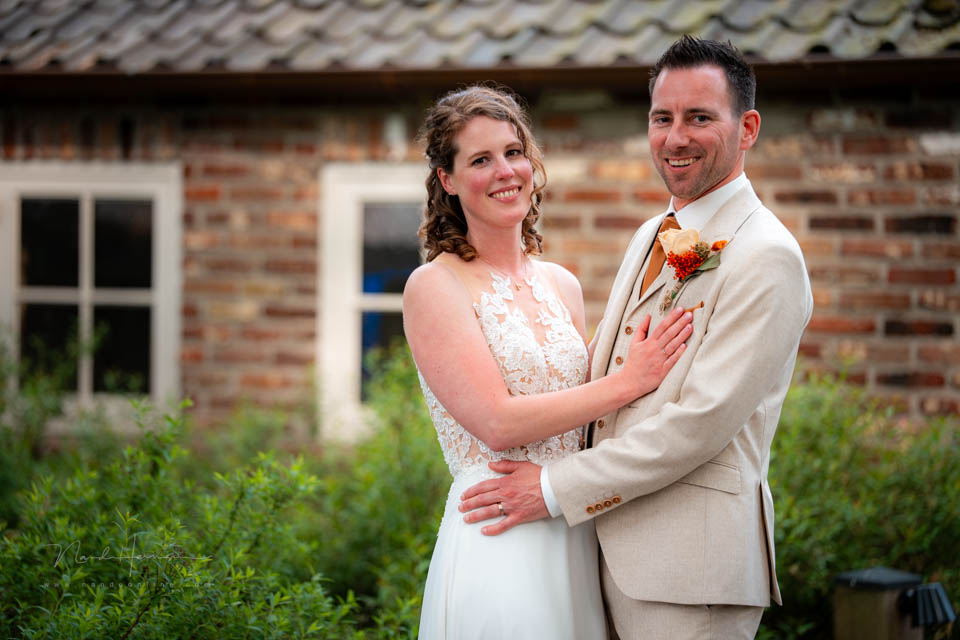
A lens can seem ideal on paper, but if it is not pleasant to use, it immediately falls short. I used the FE 50-150mm f/2 GM at a wedding, in a studio setting and during a portrait session. I also used the lens for landscapes.

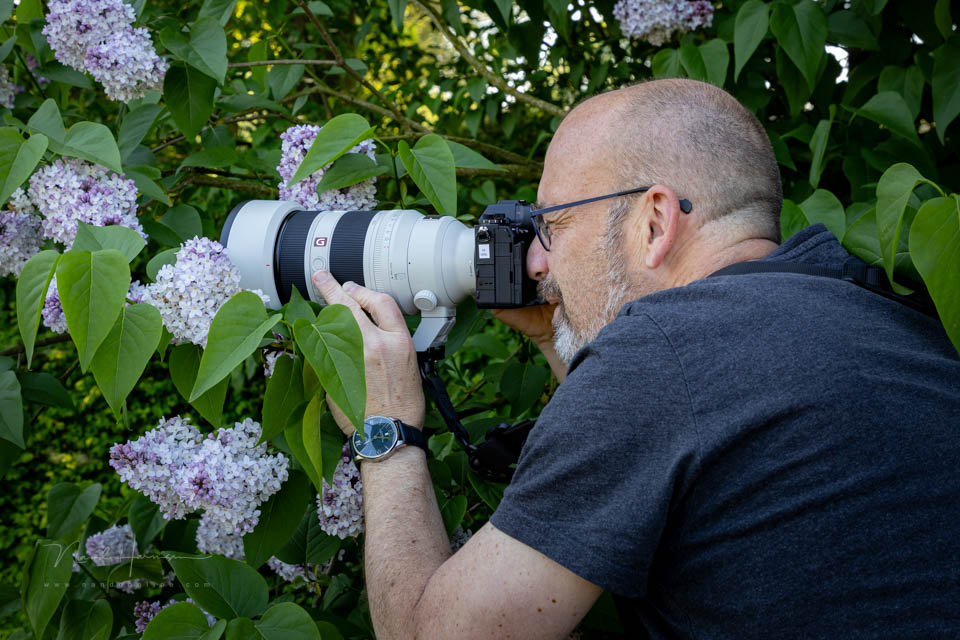
Although it is not a small and light lens, it turns out to be pleasant to use. It is well balanced on the Sony A1 mark II and Sony A9 mark III. The main buttons on the lens are in the right places and the zoom ring turns smoothly and pleasantly.

The tripod collar is a little short, which makes it less comfortable to use as a support point. I used a nine-centimetre-long Arca-Swiss lens plate. Those extra three centimetres make a world of difference.
The zoom range is ideal for weddings and events. It was also perfect for both full-body and close-up portraits during the portrait sessions. In principle, this lens is all a portrait photographer needs. Only an event photographer might want to add a wide-angle version.

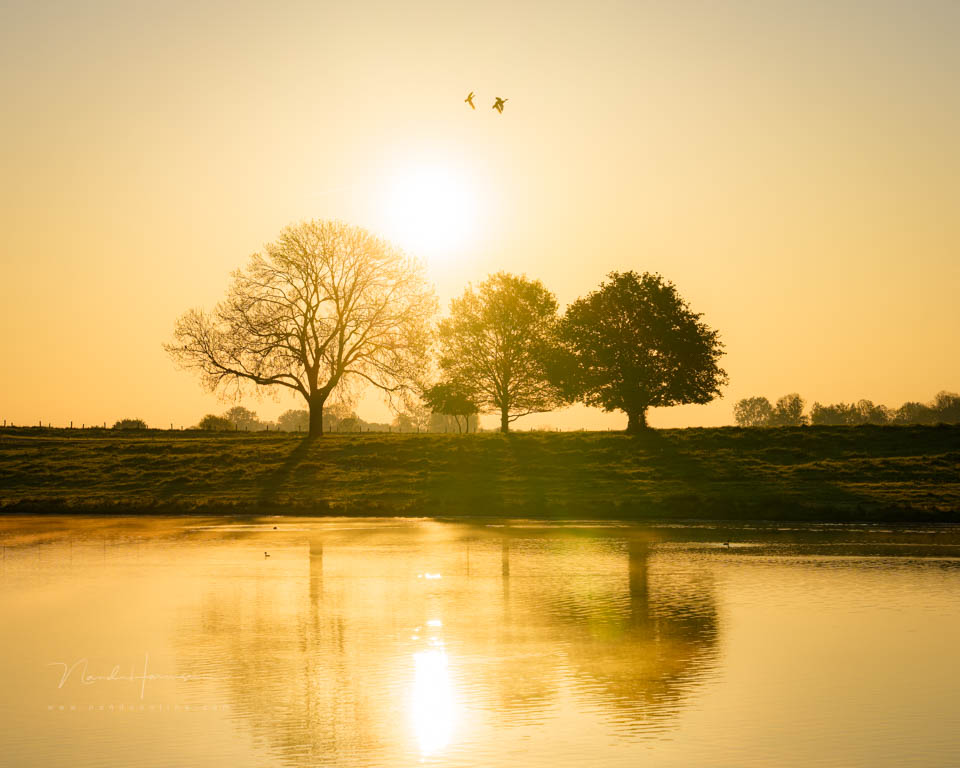
When it comes to landscape photography, this lens immediately runs into its limits. The 50mm end has slightly too narrow a field of view, while 150mm is often not telephoto enough. It is of course usable if you know its limits, but there are better choices for this type of photography.


The same applies to macro or semi-macro photography. You can zoom in, but the minimum focusing distances of 0.4 metres and 0.74 metres often provide insufficient magnification. This lens is not suitable for this.

Conclusion
With the FE 50-150mm f/2 GM, Sony has brought a fantastic zoom lens to the market. It is perfect for portraits, weddings and similar events. It can be seen as a replacement for a selection of prime lenses.
Although other types of photography can also be practised with this lens, it was not made for them. I would not quickly use it for landscapes or semi-macro photography. It is also not an inconspicuous lens, and too heavy to take along casually.

An important aspect is the wide aperture available to you. The idea is that the FE 50-150mm f/2 GM makes using prime lenses unnecessary. And although the image quality is very good, it still depends on in-camera image correction to achieve the same quality.
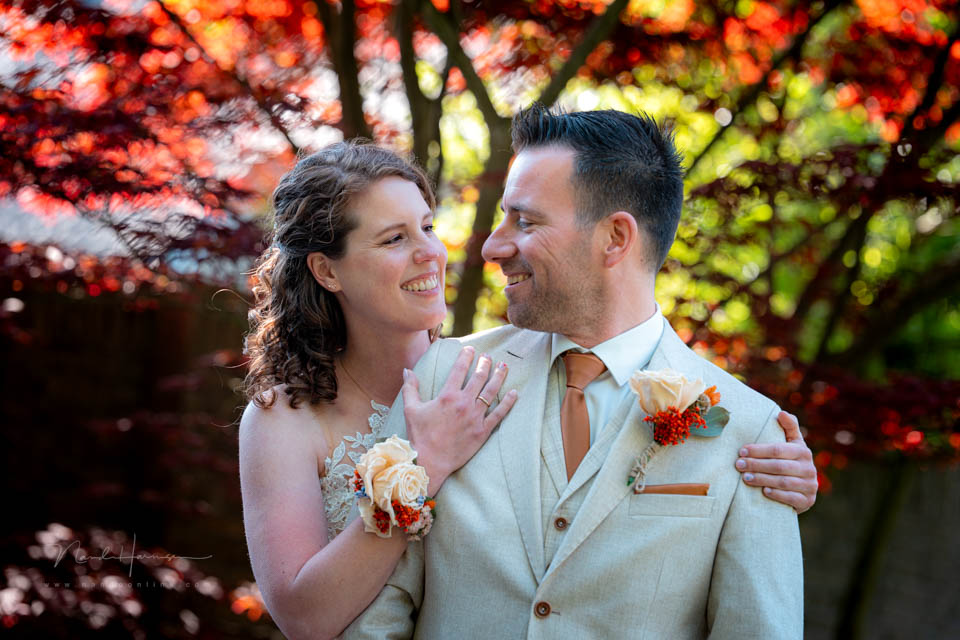
The benefit for a wedding or event photographer is the high light sensitivity that was previously only found in prime lenses. It means changing lenses less often, and also means carrying fewer separate lenses.
Bear in mind that although f/2 is a nice aperture, it is not f/1.4. Moreover, photographing with prime lenses is a passion in itself. Those who enjoy it will not quickly switch to a zoom lens.
If you are a studio photographer, an f/2 aperture offers little added value. Smaller apertures are often used for this type of photography to achieve the necessary depth of field. A wide aperture can be useful, but it is not essential.
As for the cost, although 4,400 euros is a lot for a lens, it is cheaper than the alternative of buying prime lenses. You would have to spend much more if you had to cover this range with separate lenses.

I can certainly recommend this lens, but not to everyone. It is perfect for wedding and event photographers. It is an investment that quickly pays for itself. A portrait photographer will benefit less from this lens, especially when it comes to studio work. The added value of f/2 is limited in this respect.

What works well
- Relatively compact and an acceptable weight
- Good balance and pleasant to use
- Good image quality at every focal length
- Tripod foot can be removed as desired
- Bokeh is attractive and sometimes tends towards a swirl effect
- Internal and very smooth zoom mechanism
- Zoom range is ideal for portraits, weddings and event photography
- One stop more light-sensitive than most zoom lenses
What works less well
- No built-in image stabilisation
- Not compatible with teleconverters
- Tripod foot is short and has no integrated Arca-Swiss mount
- Niche lens aimed at weddings and event photography
- Very high price
Thanks to Sony Nederland for making this lens available.
About the author
Nando Harmsen has been photographing for more than 40 years. He specialises in wedding photography and landscape photography. Nando also gives talks, workshops, masterclasses and photo trips, and regularly reviews new and interesting equipment.
You might also like
-
 Sony introduces the FE 50-150mm f/2 G Master
by Nando Harmsen
-
 Impression of the New Sony FE 50mm f/1.4 GM
by Nando Harmsen
-
 Sony introduces the new FE 85mm f/1.4 GM II
by Nando Harmsen
-
 Review: Sony A9 mark III
by Nando Harmsen
-
 Review: Sony FE 16-25mm and FE 24-50mm f/2.8 G lenses
by Nando Harmsen
-
 Review: Sony FE 2.8/16-35 GM II lens
by Nando Harmsen
0 comments
Be the first to share what you think!
Have your say
Please note: Articles older than a week can only be commented on by signed-in visitors.Would you still like to comment? sign in or create a free account.
Become a better photographer every week
A practical photography tip in your inbox every week.
39,079 photography enthusiasts already receive the tips! More about the weekly mail. Or keep up to date via  Facebook.

Elja Trum
Photofacts; everything to do with photography!
Would you like to take better photos and keep up with what is happening in photography? Photofacts publishes articles that teach you something about photography — from a product announcement to a practical shooting tip or a look at a website. Photofacts covers photography every day and is a hobby project of Elja Trum's that got out of hand. The articles are written by a team of volunteer authors. If you would enjoy writing one or more articles for Photofacts, do get in touch.More about PhotofactsPhotofacts is made possible in part by
