

Don't Buy Photography Equipment, Rent It
Wednesday 26 January 2022, 20:10 by Nando Harmsen | 3,927 views | 5 commentsThis article was translated from Dutch with the help of AI. Read the original.
A new camera, a second camera, a new lens or an extra flashgun. However you look at it, all that equipment is, or can be, expensive.
A camera can easily cost 1,000 euros or more. The same applies to lenses. But why buy? Renting might be a good solution for you.
Let me take you back to my first wedding shoot in the digital age. This was when I was still photographing with a Canon EOS 20D. I had a nice 70-200mm telephoto lens with a maximum aperture of f/2.8, and a 17-85mm lens that let through no more light than f/3.5 to f/5.6, depending on the focal length.
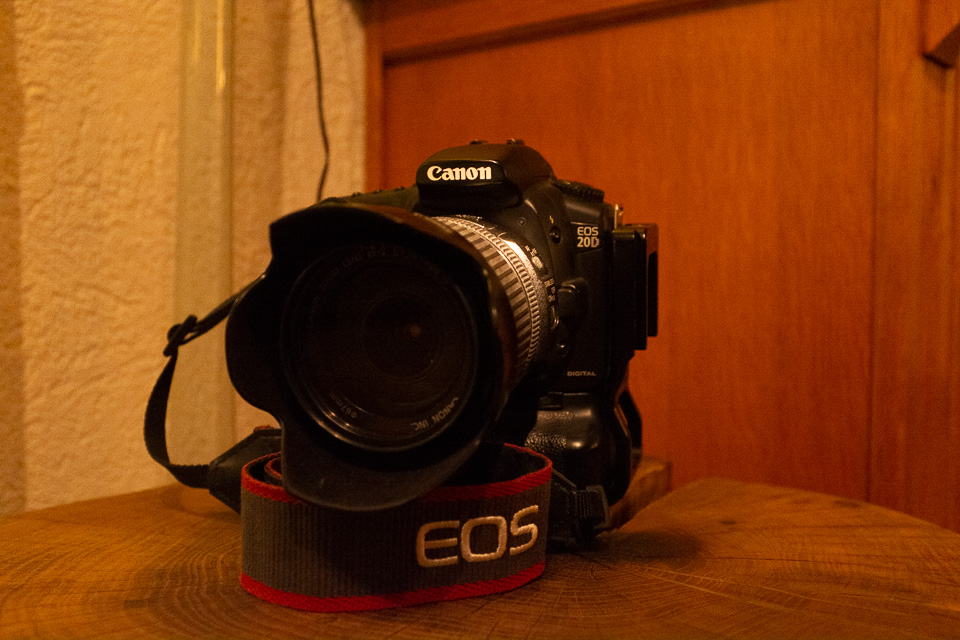
I didn't think this last lens was suitable for photographing a wedding. I needed a 24-70mm with an f/2.8 aperture. And preferably an extra camera as well, just to be on the safe side.
Fulfilling that wish would have cost more than 2,000 euros at the time, money I didn't have available.
Instead of buying, I decided to rent an extra Canon EOS 20D, together with a 24-70mm lens with an f/2.8 aperture. I found a rental company near me, and that's exactly what I did.
I could photograph the wedding with peace of mind, using two cameras, each fitted with a suitable lens, for no more than 150 euros in rental costs.
.jpg "Nando battle 50mm canon(1)")
Those days are long gone. I now have two cameras and all the lenses I need for my weddings, and for all the other types of photography I enjoy. I also use those lenses very often, so it's nice to have them to hand.
Even so, there are times when it would be useful to use a completely different lens. For example, imagine going travelling and wanting to do some wildlife photography.
You could buy a beautiful 500mm lens, easily spending thousands of euros. That money isn't always available.
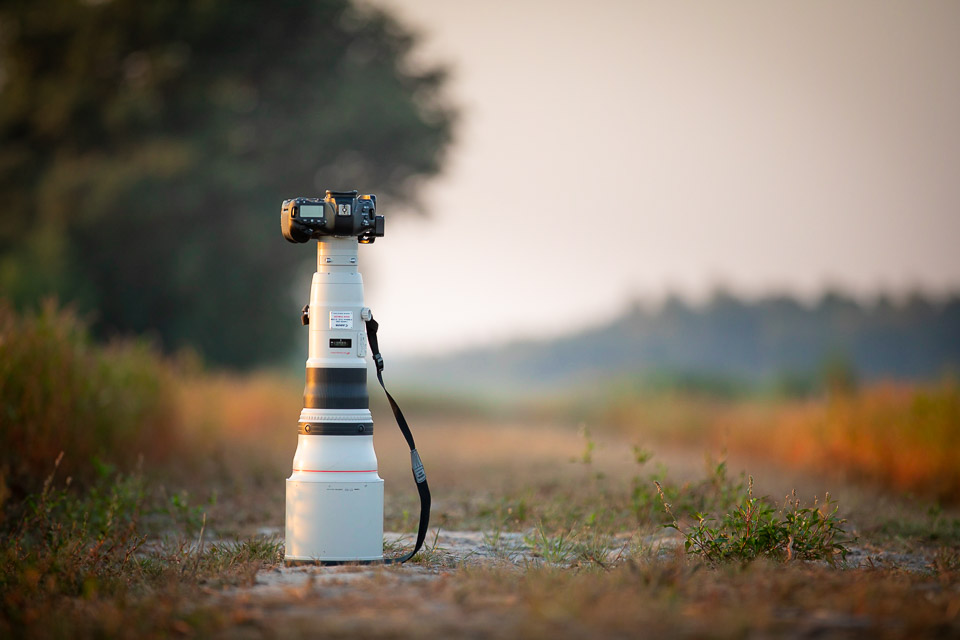
That is a good time to consider renting such a lens. You could even go for a professional lens, one you would normally never consider.
The lens allows you to take the photos you want, without raiding your bank account or sacrificing your pension. When you're finished, you simply return the lens in good condition.
A lens is one example. A studio flash kit is another. For the money you would normally spend on the equipment, you can often rent it many times over.
If you then get the bug and find that you use the equipment so often that renting is no longer practical, you can always consider buying it.
.jpg "Nando fujfilm gfx100(1)")
Renting is also a way to try out a new camera. The investment is often considerable there too, and if you're unsure whether the camera is right for you, renting can provide a lot of clarity.
Of course, renting also gives you the opportunity to have a second camera temporarily, as I did back then. Make sure you choose the same or a similar camera, one whose controls you know well.
In short, if you want to try a different camera for a change, use an unusual lens, or use studio flashes for once, renting can be a good solution. You can always buy later.
Have you ever rented equipment? If so, share your experiences below this post.
About the author
Nando Harmsen has been photographing for more than 40 years. He specialises in wedding photography and landscape photography. Nando also gives talks, workshops, masterclasses and photo trips, and regularly reviews new and interesting equipment.
You might also like
-
 Rent or hire out your equipment through Wedio
by Elja Trum
-
 Forget equipment and get to know your subject for better photos
by Nando Harmsen
-
 Photographer's Wife Shocked by Equipment Prices
by Elja Trum
-
 What to look out for when buying second-hand equipment
by Marije Weterings
-
 Flash photography tip: Get to know your equipment
by Elja Trum
-
 Flash photography tip: Buy a generic flashgun
by Elja Trum
5 comments
-
 Betty-Lou Luijken wrote on Tuesday 1 February 2022 at 13:23 | reply
It is suggested that it is best to rent an 800 mm lens and then go on safari. I strongly advise against that. Of course it is nice to have such a lens with you, but there is a good chance the lens will be stolen, especially at airports. The only country in Africa where it is possible is Rwanda. I myself have a 600 mm lens and it could go in a flight case and well sealed in the hold. In Rwanda, the chance of your equipment being stolen is small, since the chance of getting caught there is high and the punishments are no joke. Taking it as hand luggage is not possible. The thing is too big and too heavy.
Translated from Dutch. -
 Peter wrote on Tuesday 1 February 2022 at 14:15 | reply
I've been on distant trips many times, but I always had my equipment with me in a photo backpack as hand luggage. That was with two bodies , a 500mm f4 and 70-200 f2.8 plus some more stuff. It did weigh 12-13 kilos, but at the counter I'd act as if nothing was wrong😁
Translated from Dutch. -
Betty-Lou Luijken wrote on Tuesday 1 February 2022 at 15:33 | reply
@Peter That would work too and I did that as well, but the 600 mm f4 lens alone already weighs 8 kilos without a flight case or special bag. The bag is far too large for the overhead compartments. With an 800 mm lens, that will all be an even bigger problem. When I went to Rwanda, I had 23 kilos of photo equipment with me. That really won't work with hand luggage (LOL)
Translated from Dutch. -
 Peter wrote on Tuesday 1 February 2022 at 16:25 | reply
Right, an 800mm won't work, but a case with big Canon printed on it in the baggage compartment... I'm not going to do it. Then the 500mm with 1.4x extender to get to 700mm.
Translated from Dutch.
BTW the RF lenses weigh quite a bit less, but the price has only gone up:-( -

 Nando
wrote on Tuesday 1 February 2022 at 16:55
| reply
Nando
wrote on Tuesday 1 February 2022 at 16:55
| reply
@Betty-Lou Luijken:
Translated from Dutch.
I don't know what kind of 600mm lens you have, but that weight of 8 kilograms is a bit exaggerated. The version II of the Canon EF 600mm f/4L weighs just under 4 kilograms. Version III is 600 grams lighter. The EF 800mm f/5.6 weighs 4.5 kilograms.
Add a body weighing one and a half kilograms and a 70-200mm weighing 2 kilograms and it's easy to take in your carry-on luggage.
Have your say
Please note: Articles older than a week can only be commented on by signed-in visitors.Would you still like to comment? sign in or create a free account.
Become a better photographer every week
A practical photography tip in your inbox every week.
39,020 photography enthusiasts already receive the tips! More about the weekly mail. Or keep up to date via  Facebook.

Elja Trum
Photofacts; everything to do with photography!
Would you like to take better photos and keep up with what is happening in photography? Photofacts publishes articles that teach you something about photography — from a product announcement to a practical shooting tip or a look at a website. Photofacts covers photography every day and is a hobby project of Elja Trum's that got out of hand. The articles are written by a team of volunteer authors. If you would enjoy writing one or more articles for Photofacts, do get in touch.More about PhotofactsPhotofacts is made possible in part by
