

Forget equipment and get to know your subject for better photos
Monday 5 September 2022, 16:32 by Nando Harmsen | 4,235 views | 5 commentsThis article was translated from Dutch with the help of AI. Read the original.
When a new camera or a new lens is released, many photographers long to have it. Better sharpness, better resolution, better autofocus, more features, a larger aperture. In short, better photos.
Do you really want to take better photos? Then forget equipment and get to know your subject.
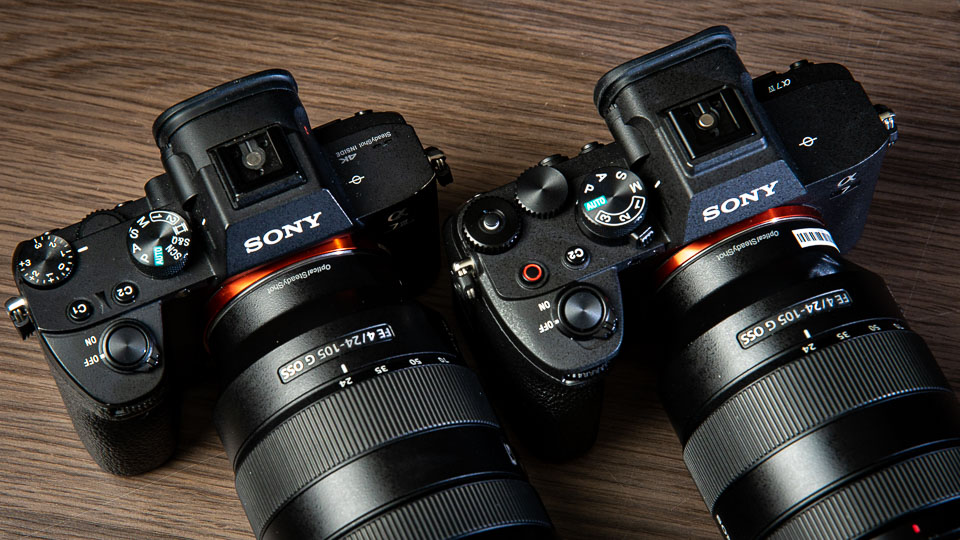
Isn't it beautiful? That new camera, with improved features, new features, higher resolution, and of course no longer that outdated mirror? Surely that must produce better photos. Time for an upgrade.
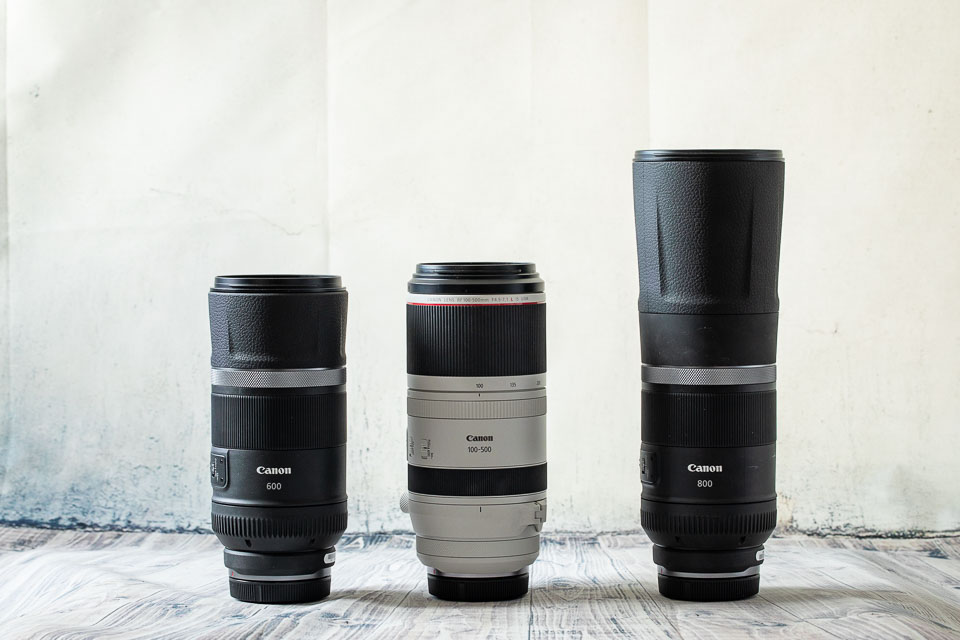
What about that new lens? With an aperture that is no less than a third larger than the one you have now. Better glass, less vignetting and chromatic aberration. That delivers even more quality and sharpness. Plenty of reason to replace it.
If we're honest, we've all thought this way at one time or another, to a greater or lesser extent. Just look at the second-hand market and see what wonderful cameras and lenses are offered after a new model has come onto the market.
In itself, that isn't a bad thing, certainly not for the photographer looking for a nice second-hand 'older' camera. But even they can sometimes fall for the idea that a new camera or a new lens will produce better photos.
Unfortunately, this is not or rarely the case. A good photo is hardly dependent on the equipment used. It is even only partly determined by knowledge of lighting and composition. The most important thing is knowledge of your subject.
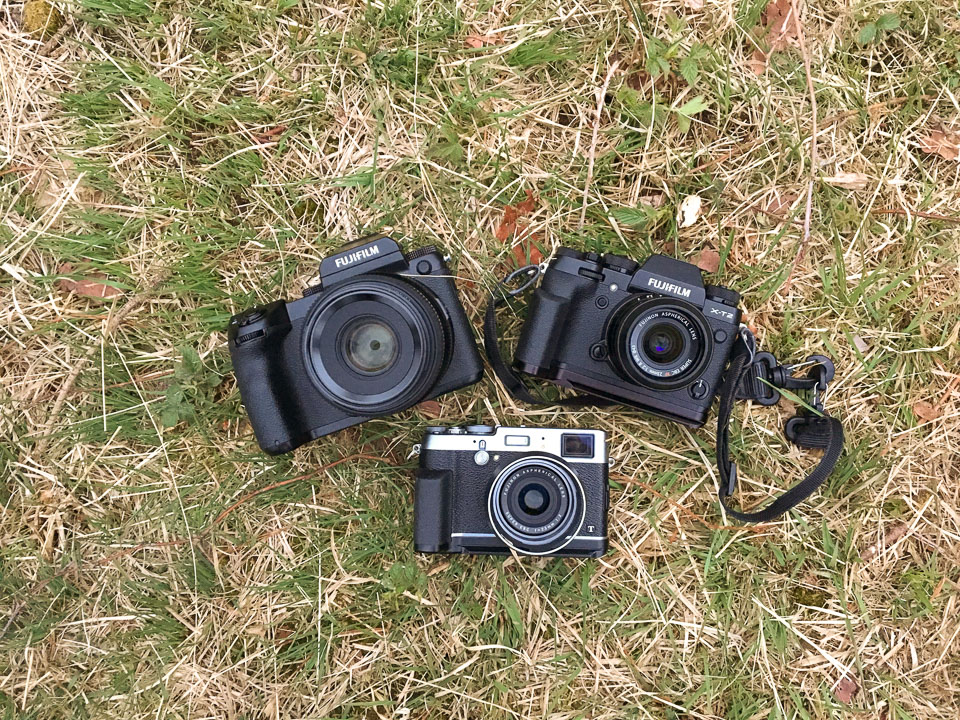
We focus so much on equipment that we often no longer pay attention to the subject. Just watch any photographer. After taking the photo, they immediately look at the screen and scroll through the photos. This is called chimping.
Make sure you pay attention to your subject and that you know your subject. Because only then can you take the best possible photo of that subject. Here are a few examples.
Landscape
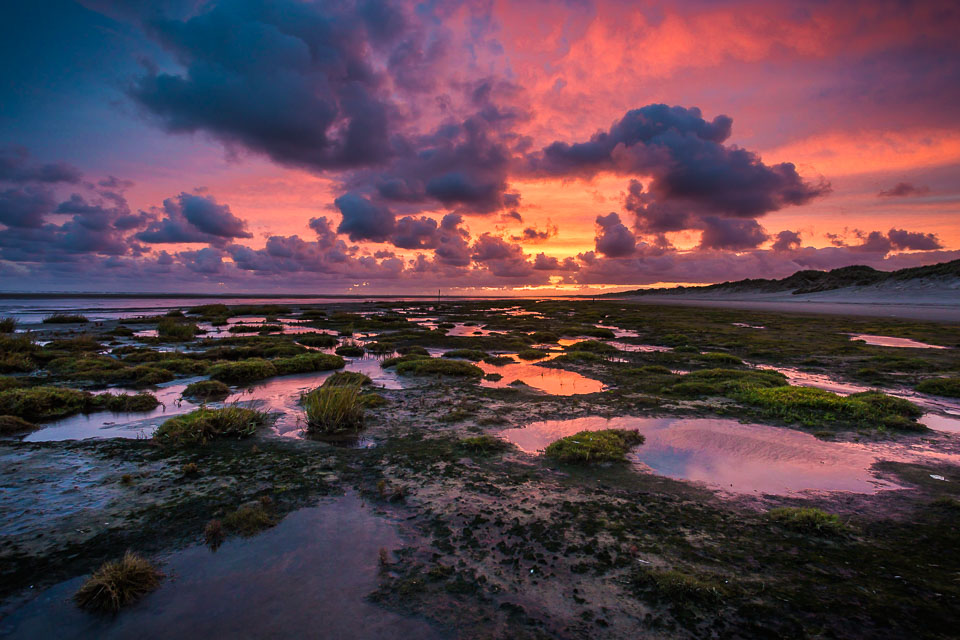
Know your landscape. Know where the sun sets, where the pools are and how the water flows. Know the places where the light comes through, or where there are lines that strengthen your composition.
What is the best time, the best weather, to photograph there? This knowledge produces better photos. A camera with more resolution or dynamic range will not.
Portrait
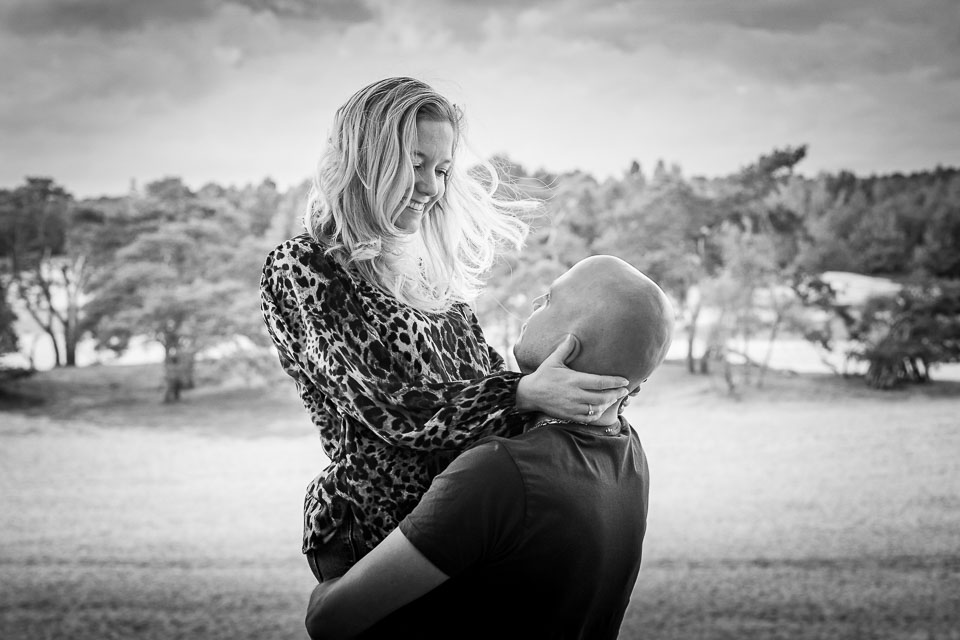
Photographing a model or people in general produces a convincing result when you communicate with your muse. Talk to the person you are photographing, show interest and make sure it is sincere.
This makes the tension disappear and creates a much more natural pose and look. This produces better photos. A lens with a larger aperture or reduced chromatic aberration will not.
Animals
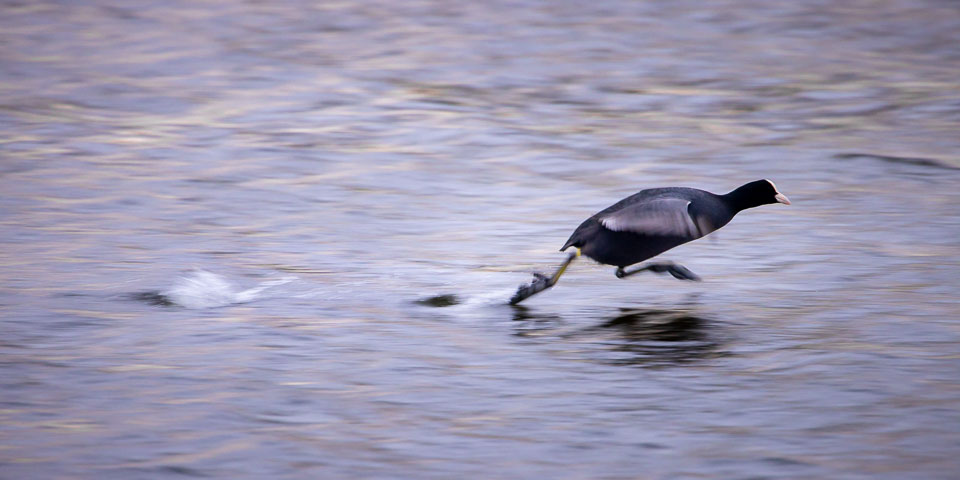
Whether they are birds, mammals, insects or simply pets, knowing something about them and understanding their behaviour produces better images. Know where to find your bird, or when the animal appears. Know its behaviour.
It doesn't matter whether it is an insect, a bird or a cow in a field. Even a pet has a personality, and if you know it, you can take better photos of it. A longer focal length or more zoom range will not.
Street photography
Do you enjoy photographing people in the street, or cityscapes and villages in general? Then the same applies as with landscape photography, and in fact with animals too. Know where the light falls, where you need to stand at the right time of day for the best composition.
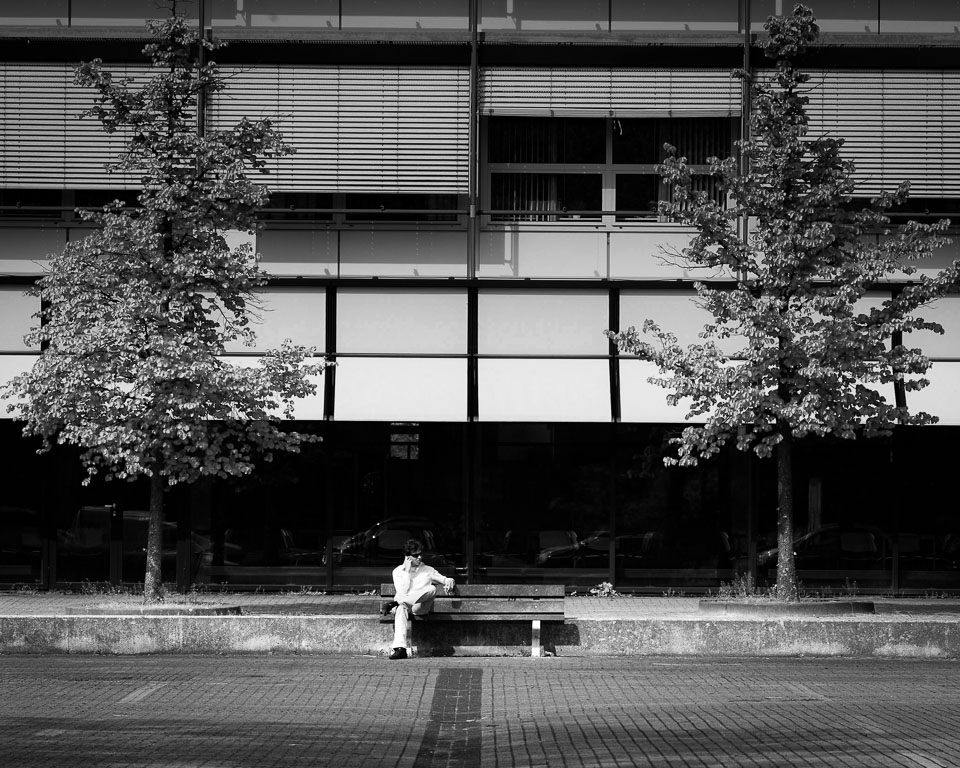
You also need to know the people in the street. You need to know where they can be found, where they are going, how they move and when they are there. In that respect, I compare the movement of people in the city to animal behaviour, hence the analogy.
You only take better photos through this knowledge, not by using a more inconspicuous camera or a more expensive 'street photography camera.'
A nuance
Of course, it isn't entirely true that equipment doesn't matter. A good camera is essential, and so is a suitable lens. But what we forget is that it is only part of achieving a good photo.
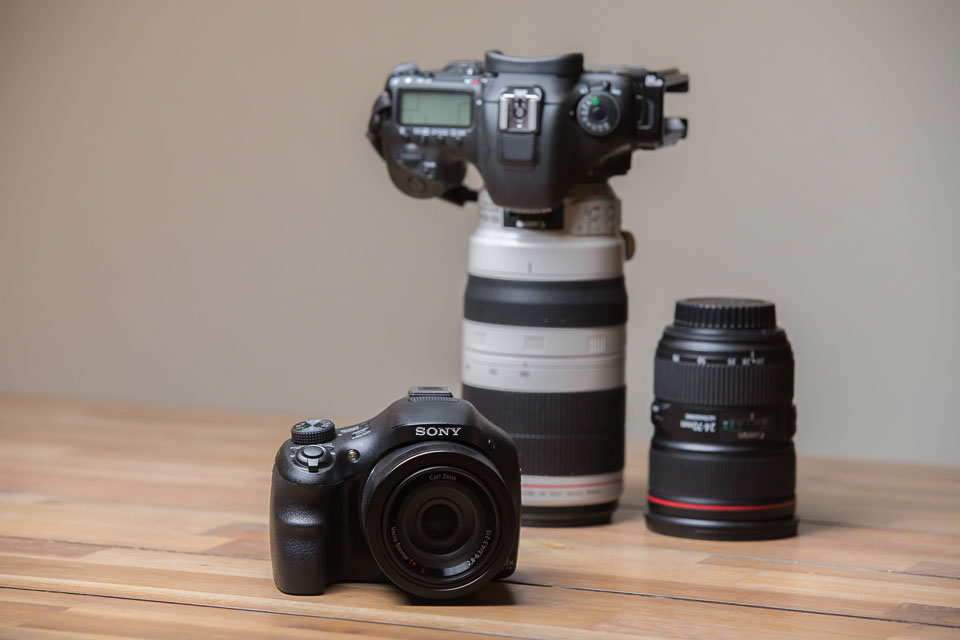
You can have the best equipment imaginable, the best of the best, the most expensive of the expensive. If you cannot get the subject you are going to photograph properly in the photo, then the photo simply will not be good. Even despite all the image quality available to you.
What do you think? Do you know your subject well enough, or are you more concerned with your equipment? Let us know in a comment below this post.
About the author
Nando Harmsen has been photographing for more than 40 years. He specialises in wedding photography and landscape photography. Nando also gives talks, workshops, masterclasses and photo trips, and regularly reviews new and interesting equipment.
You might also like
-
 Flash photography tip: Get to know your equipment
by Elja Trum
-
 Photography: Quantity versus Quality
by Elvira Smit
-
 Don't Buy Photography Equipment, Rent It
by Nando Harmsen
-
 Why spend a lot of money and lug it all around?
by Leen Koper
-
 Healthy scepticism about manufacturers' promises
by Nando Harmsen
-
 The mirrorless camera and the looming lack of exposure knowledge
by Nando Harmsen
5 comments
-
 Lauran wrote on Tuesday 6 September 2022 at 11:41 | reply
When doing street photography, knowledge of the relevant legislation is very important. You can't just do anything.
Translated from Dutch. -
 PixelDude wrote on Tuesday 6 September 2022 at 11:49 | reply
As a landscape and nature photographer, I’m much better off with a 4/3 instead of a full frame. Much lighter and cheaper for the same quality for 'my' photos. Perhaps that might be different for portrait photography in a studio, but I have no interest in that. So Nando, you’re right. Knowing the subject and choosing the right camera and, not to forget, the lenses for it is much smarter than going for the 'so-called' best and most expensive one.
Translated from Dutch. -
 Evert wrote on Tuesday 6 September 2022 at 11:54 | reply
I completely agree. I am also often tempted to buy new/better equipment. But then I often think of the old photographers, such as Henri Cartier Bresson, who with a simple camera, in terms of its capabilities, nevertheless took world-class photos that still resonate.
Translated from Dutch. -
 Wijnand van Lieshout wrote on Tuesday 6 September 2022 at 13:51 | reply
Knowledge of your subject and the circumstances in which this subject finds itself are crucial. So I agree. What I do experience in my surroundings among the somewhat serious photographer is that the technical photography side is insufficiently developed. A beautiful subject in its surroundings, in the right light with the right equipment, is therefore not always a guarantee that it will become a fantastic photo. Equipping yourself well with technical photography knowledge is therefore also of essential importance. The many courses at the Photofacts Academy can help you with this.
Translated from Dutch. -

 Liesbeth Verkade wrote on Tuesday 6 September 2022 at 17:12
| reply
Liesbeth Verkade wrote on Tuesday 6 September 2022 at 17:12
| reply
Thank you Nando!
Translated from Dutch.
It makes me take a step back again. What is really important and what are side issues. You give a number of very valuable tips for that, nicely worked out per subject.
Two years ago I bought a new camera, a Canon 90D. I am still extremely happy with it and recently I replaced my kit zoom lens because it started showing some issues after 12 years. The temptation is then great to start buying many more new gadgets as well.
Your contribution encourages me to go back to basics again: know your subject, but also the camera with all its possibilities.
Another question in response to Lauran's comment about street photography: would it be possible to make an article at Photofacts with the rules for street photography? What is allowed, what is not, etc. To be honest, I find it rather difficult to get a clear understanding of that and I am surely not the only one.
Have your say
Please note: Articles older than a week can only be commented on by signed-in visitors.Would you still like to comment? sign in or create a free account.
Become a better photographer every week
A practical photography tip in your inbox every week.
39,013 photography enthusiasts already receive the tips! More about the weekly mail. Or keep up to date via  Facebook.

Elja Trum
Photofacts; everything to do with photography!
Would you like to take better photos and keep up with what is happening in photography? Photofacts publishes articles that teach you something about photography — from a product announcement to a practical shooting tip or a look at a website. Photofacts covers photography every day and is a hobby project of Elja Trum's that got out of hand. The articles are written by a team of volunteer authors. If you would enjoy writing one or more articles for Photofacts, do get in touch.More about PhotofactsPhotofacts is made possible in part by
