

How do you determine which camera is most suitable to buy?
Monday 18 October 2021, 16:32 by Nando Harmsen | 5,182 views | 9 commentsThis article was translated from Dutch with the help of AI. Read the original.
Buying a camera is exciting. You are about to own a wonderful piece of technology that lets you take fantastic photos. At the same time, buying a camera can be a frustrating process. There is so much to choose from.
The saying you can't see the wood for the trees also applies to the world of photography. Especially when it comes to cameras, the choice is enormous. From small to large, from cheap to expensive. You do not even have to look very hard to find unaffordable cameras.
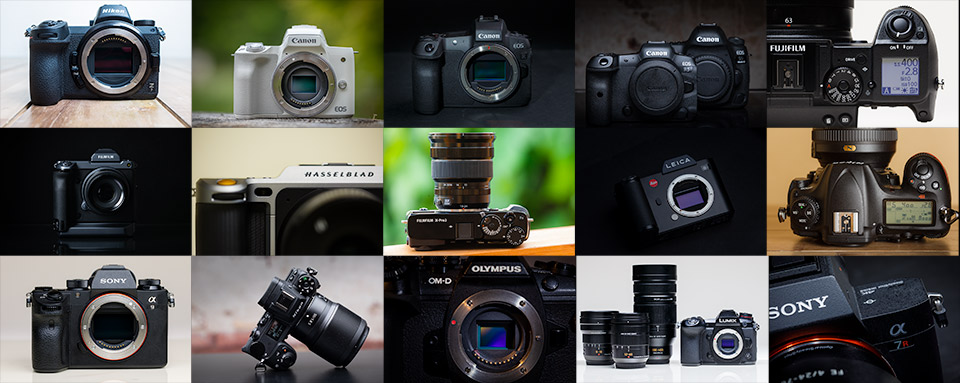
Whether a camera is cheap, expensive or unaffordable, not every camera is suitable for you as a photographer. In other words, your photography actually determines which camera you should buy.
This does not mean that you have to find the perfect camera straight away, because perhaps you do not yet know what your favourite type of photography is.
If this is not your first camera, but an upgrade to a more suitable camera, the search may have become a little easier. As long as you keep one thing in mind: you do not need to have the latest of the latest, or all the modern features manufacturers use to gain prestige.
Choose what is suitable for you. That is much more important.
The most important lesson
First of all, it is important to realise that all those modern technologies, features and other possibilities do not guarantee a good photo. From a technical point of view, perhaps they do, but a good photo is much more than just the technical aspect.
In other words, you as the photographer take the photo. Composition, framing and exposure determine whether the photo is good or bad. It has nothing to do with resolution, sharpness or dynamic range. You can take good, attractive and striking photos with any camera.
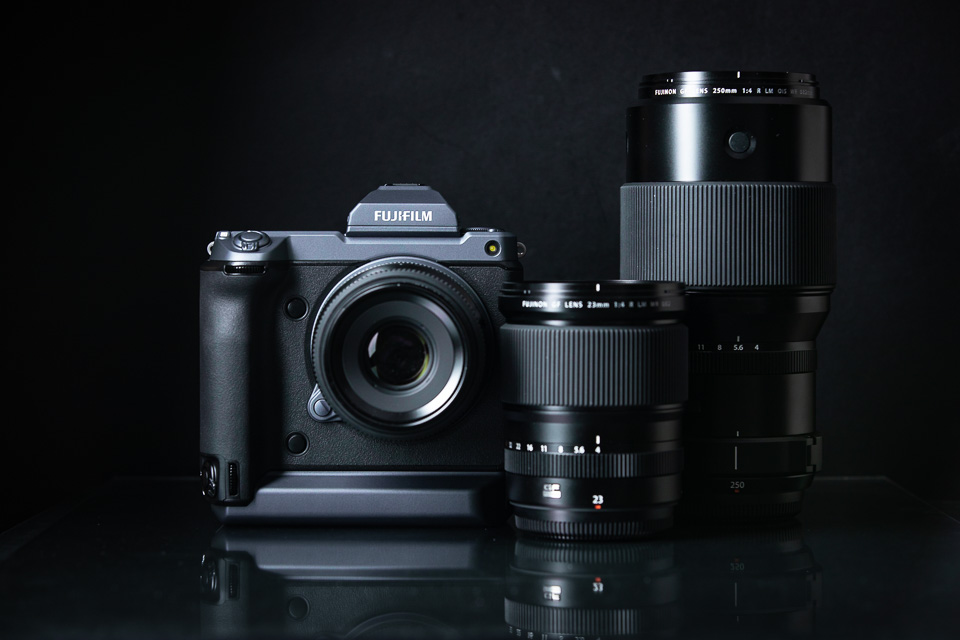
The camera is just the tool you use to take the photo. All that technology is no more than a means of creating your photo. The right camera for you can make it easier to achieve that photo.
In short, a camera for action photography does not have to be perfect for landscape photography. A photographer who takes portraits may have no use for a camera that is perfectly suited to product photography.
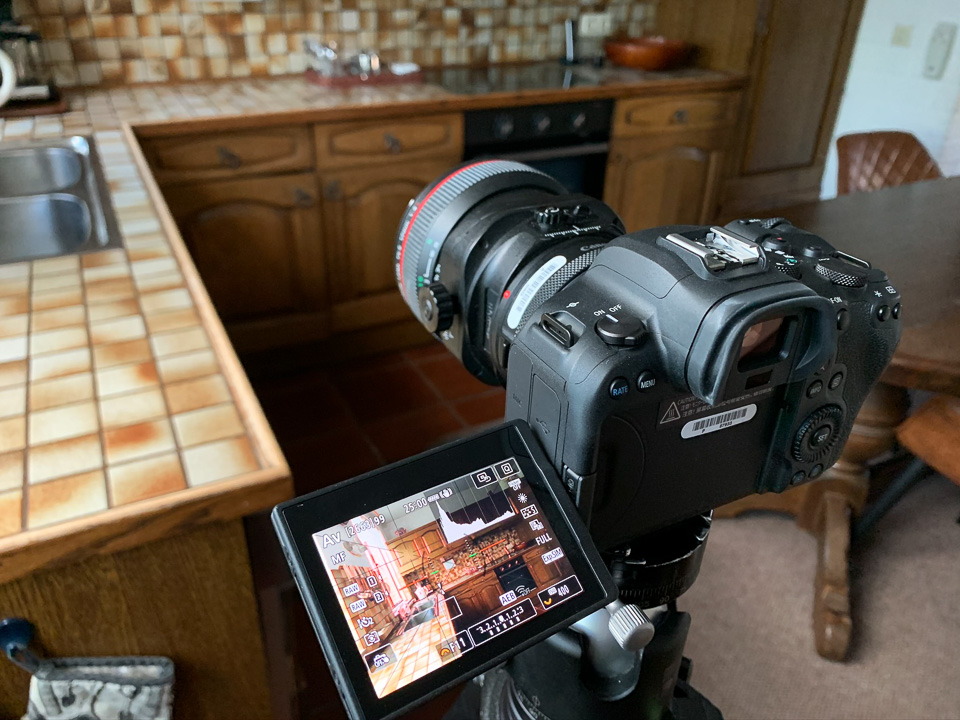
There is no single camera that can do everything perfectly. If there were, it would be the Swiss Army knife of photography. But also bear in mind that the Phillips screwdriver on that Swiss Army knife can never compete with a real screwdriver. Cameras work the same way.
Choose within your budget
Finding a camera that costs 8,000 euros is not difficult. You get a fantastic piece of technology for that money. However, it is not necessarily necessary to spend that much. Chances are you do not need the very best. At least, not yet.
There are also cameras that cost no more than a few hundred euros. And yes, you can take good photos with those too. However, bear in mind that the low cost comes with its own price. Lower-quality materials, less extensive or less user-friendly controls, not very fast or with limited functionality.
All that sounds unattractive, but that is not necessarily the case. There is a target audience for these kinds of cameras too.
Between 8,000 and a few hundred euros there is a whole forest full of cameras, including one that is suitable for you. So choose a budget. Decide what you want to spend and let that guide your search.
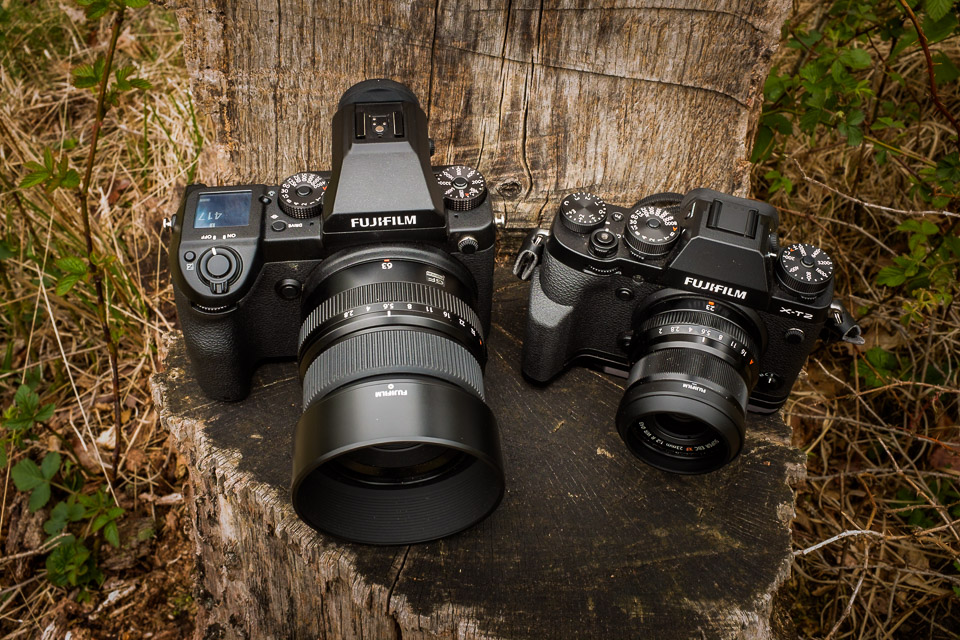
Is your budget 1,000 euros? Then look for a camera that falls within that budget. Look for something around 800 euros, and you have two hundred euros to spare. That already rules out a large number of cameras. Do not look at them anymore. They are simply too expensive for you.
Make a list of requirements
Every camera can take beautiful photos. That should be your starting point. But every camera has its own type of photography in which it excels. You need to find that camera. You can find it with a list of requirements for your camera.
Think of the following examples when making your list of requirements.
- Do you want an all-in-one camera, or separate lenses?
- Do the size and weight of the camera matter?
- Do you have any special requirements regarding autofocus?
- Is speed important?
- What type of photography do you want to do?
- Do you need a lot of telephoto reach, or would you rather have a lot of wide-angle coverage?
- In what conditions will you use the camera?
These are just a few general questions. You may need to do a little research online to find out which features are useful for the photography you have in mind. If you do not, there is a chance you will choose the wrong camera for the wrong reasons. That is a shame, and ultimately even frustrating.
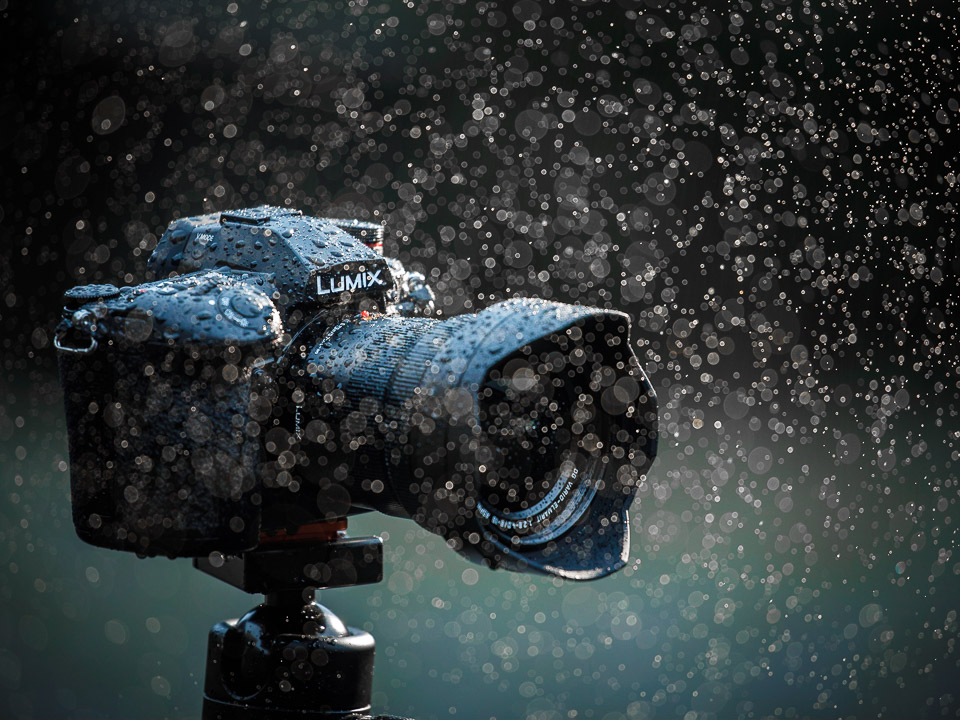
Below I have put together a few general examples. Keep in mind that the requirements may not be complete, but they give you a starting point to which you can add your own specific requirements.
Example 1 - The action photographer
An action photographer wants a fast camera. Autofocus must respond quickly and be able to track a subject. A high frame rate is desirable without the camera slowing down after eight or ten photos because the buffer fills up.

Resolution is often not important, but the ability to use a substantial telephoto lens is. If the action takes place indoors, good ISO performance may be desirable.
Example 2 - The portrait photographer
The camera does not need to be fast. Eye autofocus can be very useful. You usually do not need to use high ISO values, but a reasonable resolution may be desirable.

The weight and size of the camera usually do not matter if you work in a studio a lot. But if you work on location, they can play a role. If you like portraits with a very shallow depth of field, a larger sensor can be useful.
Example 3 - The landscape photographer
Higher resolution is usually useful, but it is not essential. Sensor size does not matter that much, nor does ISO performance. A camera's dynamic range can be important.
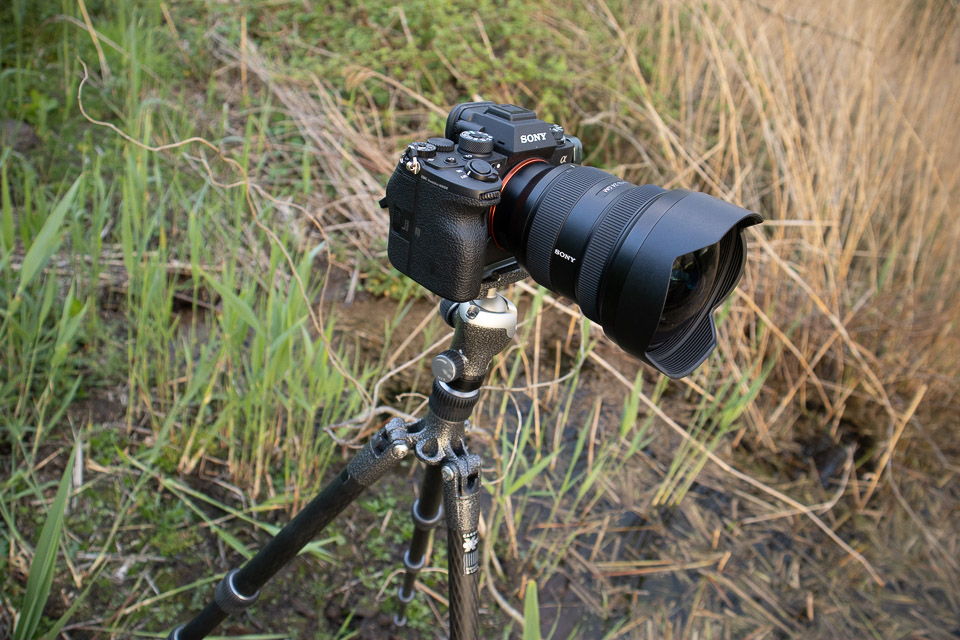
Since you take a lot of photos outdoors, a weather-sealed camera can be useful. Perhaps one that can take a knock too. Interchangeable lenses are obviously useful. As for size and weight, this depends on how often you go out and how much weight you want to carry.
Example 4 - The photographer who is often out and about
This could be a travel photographer, but also someone who is often on the move with their camera. In that case, it does not matter what you photograph: landscape, portrait or anything else.

Size and weight are important factors in that case. Perhaps a camera with a built-in lens, or a compact camera with smaller lenses. This often means a camera with a smaller sensor, such as APS-C or Micro Four Thirds.
Example 5 - The photography enthusiast
I am thinking of the photographer who simply wants to enjoy taking photos, but wants to keep things simple. Small, compact, with the ability to zoom in a long way.
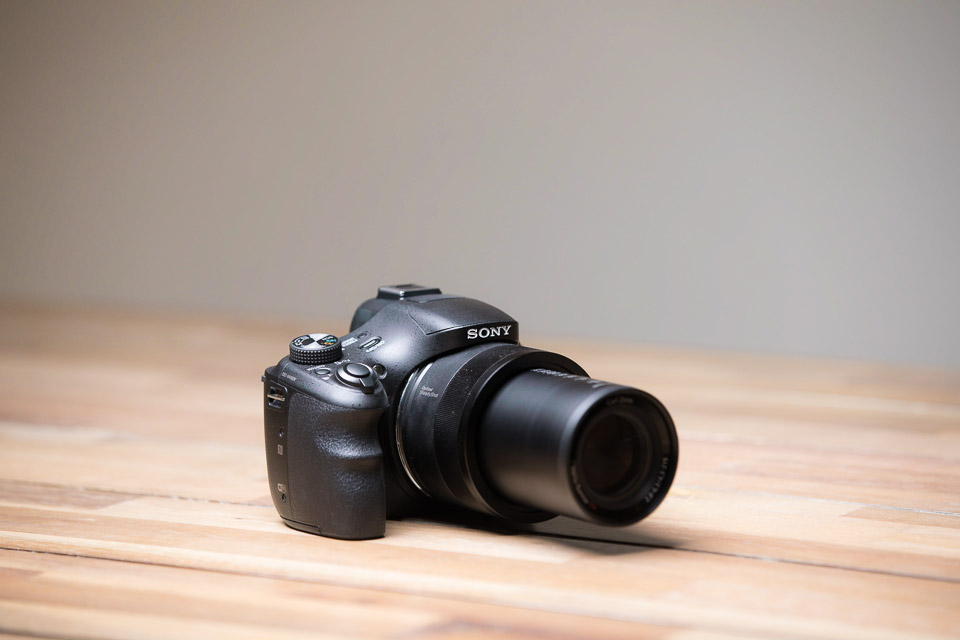
Interchangeable lenses are not necessary in that case. An all-in-one camera is better suited. It should be easy to carry and not too complicated.
Example 5 - The photographer who wants to upgrade
If you are looking to upgrade your current camera, there is really only one question you need to ask yourself: what are you missing in your current camera? Which options do you need to make photographing your favourite subject easier or more successful?
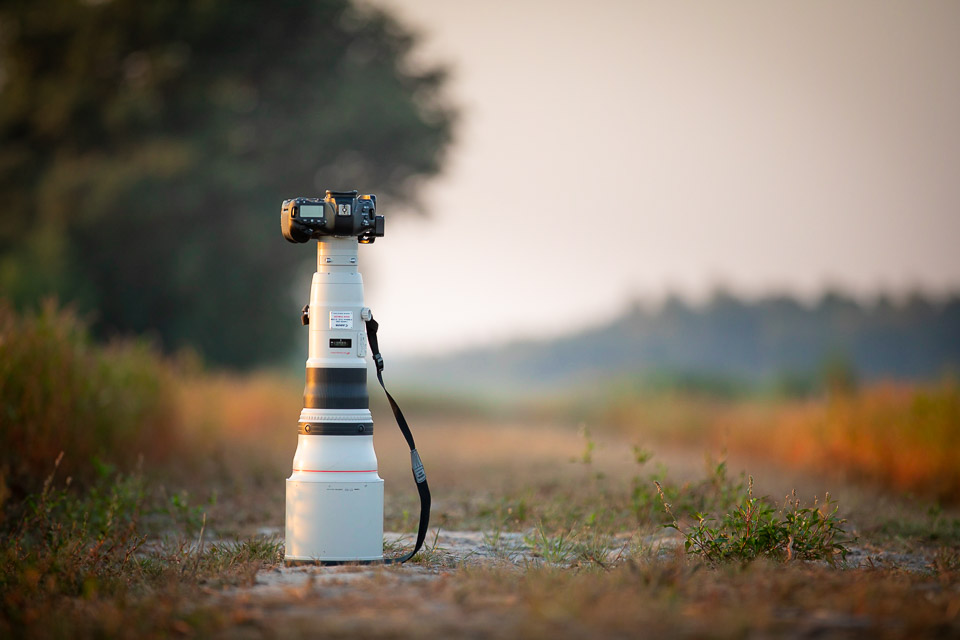
That one question can cover many things. Dynamic range, speed, autofocus, resolution and video functions, to name a few. But it can also concern the actual use of the camera. Think of a pleasant menu structure, button placement, or simply the weight and how it feels to hold.
No tailored advice
It is impossible to give tailored advice for buying a camera. That is why I have provided a guide in this article for choosing the camera that is most suitable for you.
And even then, you will probably encounter things on your camera that are less pleasant, or sometimes even annoying. The perfect camera does not exist.
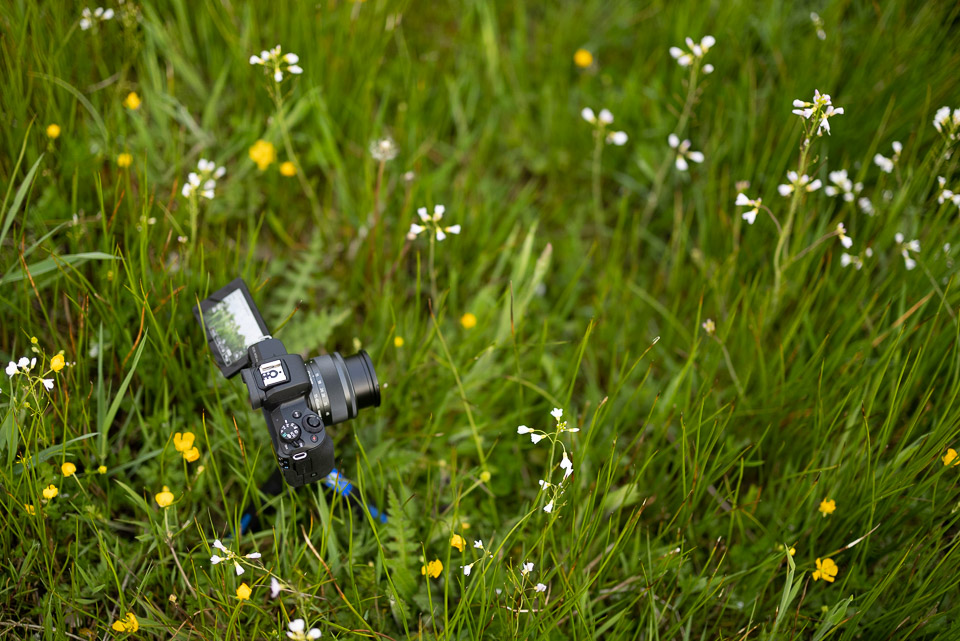
So decide what you want to photograph and what requirements you have for the camera for that type of photography. Gain knowledge by reading about it, asking questions and looking around carefully. Do not get advice from just one person, but from several people. Make your advice as objective as possible.
Decide how much you want to spend at most, and when you combine the requirements with the price, you will always find one or more cameras that may be suitable for you.
If you still do not know, go to a shop and hold them. Or simply choose the camera you like the look of most, because truly bad cameras no longer exist these days.
Let us know which camera is, or has turned out to be, the ultimate suitable camera for you. And tell us why. Perhaps your response can also help someone else make a good camera choice.
About the author
Nando Harmsen has been photographing for more than 40 years. He specialises in wedding photography and landscape photography. Nando also gives talks, workshops, masterclasses and photo trips, and regularly reviews new and interesting equipment.
You might also like
-
 The lockdown and block survival guide
by Frank Doorhof
-
 10 tips for fantastic snowy landscapes
by Nando Harmsen
-
 5 power tips for more exciting sports photos
by Huub Keulers
-
 The 5 Cameras You Should Never Buy
by Nando Harmsen
-
 Street photography tip: Try a new city
by Michiel Heijmans
9 comments
-
 André Kremer wrote on Tuesday 19 October 2021 at 11:52 | reply
Maybe it's also good to mention that when you buy a camera with interchangeable lenses, determining a budget for the lenses is also very important. I regularly see people who have bought a nice, somewhat more expensive camera with a budget kit lens on it; when choosing a new camera myself, I assumed that I would reserve twice as much money for new lenses as for the camera; unless, of course, the lenses that already fit the new camera.
Translated from Dutch. -
 ronald maas wrote on Tuesday 19 October 2021 at 12:08 | reply
Good article!
Translated from Dutch.
Not to nitpick, but as an addition, compact cameras with fixed zoom lenses also offer a lot of photographic enjoyment.
In particular, good build quality, the low weight, and virtually the same possibilities as a system or DSLR camera -
 Rudolf wrote on Tuesday 19 October 2021 at 12:38 | reply
Also important, if you only want to take photographs, then the ability to film in 8 or 6k is expensive and unnecessary. A video on YouTube if TikTok can also be in 4k. Otherwise you have to buy a film camera. 30 photos per second is also nonsense, with 7 frames I can also get an F1 car and airplanes on the card. The number of often unnecessary possibilities makes the camera unaffordable. The famous brand with a C asks no less than 6100 euros for their latest model. Wow, you can also buy a top medium-format camera for that. Brand X, Y or Z is comparing apples and oranges, the man/woman holding the camera takes the photos
Translated from Dutch. -
 Wouter J wrote on Tuesday 19 October 2021 at 12:51 | reply
Possibly also quite important, the quality, price, weight and size of different zoom and prime lenses. Because that too can make a world of difference to your wallet and/or walking distances. Medium-format cameras and new mirrorless digital cameras with interchangeable lenses can become very expensive and heavy because of a large lens mount. Lenses then become much heavier and much more expensive.
Translated from Dutch. -
 guest wrote on Tuesday 19 October 2021 at 13:52 | reply
Sometimes you can also rent a camera first before making your final choice.
Translated from Dutch.
First holding it and experiencing whether it feels comfortable is very important to me. Grip, weight, ease of use. -
Joop wrote on Tuesday 19 October 2021 at 14:31 | reply
Many people I know have had enough of going on cycling and/or hiking trips with a heavy camera plus accessories.
Translated from Dutch.
I myself chose the Sony A6000 mirrorless camera, which has an APS-C sensor. Excellent image quality. -
Wouter J wrote on Tuesday 19 October 2021 at 14:33 | reply
A small addition to my earlier response. The reality is actually that almost all cameras nowadays are decent, good or very good. But cameras don't really hold their value very well. Especially now, with digital cameras and the ever-developing technology in that area, the choice of lenses is actually more important. Lenses do hold their value, lenses are also more expensive than cameras, at least the better zoom and prime lenses.
Translated from Dutch. -
 Robert wrote on Tuesday 19 October 2021 at 14:35 | reply
Good point "guest".
Translated from Dutch.
Photo-taking regards Robert -

 Nando
wrote on Tuesday 19 October 2021 at 16:41
| reply
Nando
wrote on Tuesday 19 October 2021 at 16:41
| reply
@Wouter J:
Translated from Dutch.
If you go for top-quality lenses, then weight and price are definitely something to take into account. But most photographers won't need top quality. There are compact and very good lenses for all brands that won't put a strain on your bank account. So there is something for everyone there too.
As for your comment about retaining value; A camera is never an investment but an expense. If you buy a camera with the idea of retaining its value, you're buying it for the wrong reason. You buy it to use for photography.
Have your say
Please note: Articles older than a week can only be commented on by signed-in visitors.Would you still like to comment? sign in or create a free account.
Become a better photographer every week
A practical photography tip in your inbox every week.
38,983 photography enthusiasts already receive the tips! More about the weekly mail. Or keep up to date via  Facebook.

Elja Trum
Photofacts; everything to do with photography!
Would you like to take better photos and keep up with what is happening in photography? Photofacts publishes articles that teach you something about photography — from a product announcement to a practical shooting tip or a look at a website. Photofacts covers photography every day and is a hobby project of Elja Trum's that got out of hand. The articles are written by a team of volunteer authors. If you would enjoy writing one or more articles for Photofacts, do get in touch.More about PhotofactsPhotofacts is made possible in part by
