

How Do You Know If You Need a New Lens?
Monday 8 September 2025, 20:02 by Nando Harmsen | 3,794 views | 5 commentsThis article was translated from Dutch with the help of AI. Read the original.
Buying another lens is easy. The question is, do you need one? Instead of giving in to the temptation, you can choose to buy only when necessary. But how do you know?
There is a name for the tendency to spend every penny on buying photography equipment: Gear Acquisition Syndrome, or GAS for short. Some people believe that a new lens, or yet another lens, will produce a better photo. Nothing could be further from the truth.
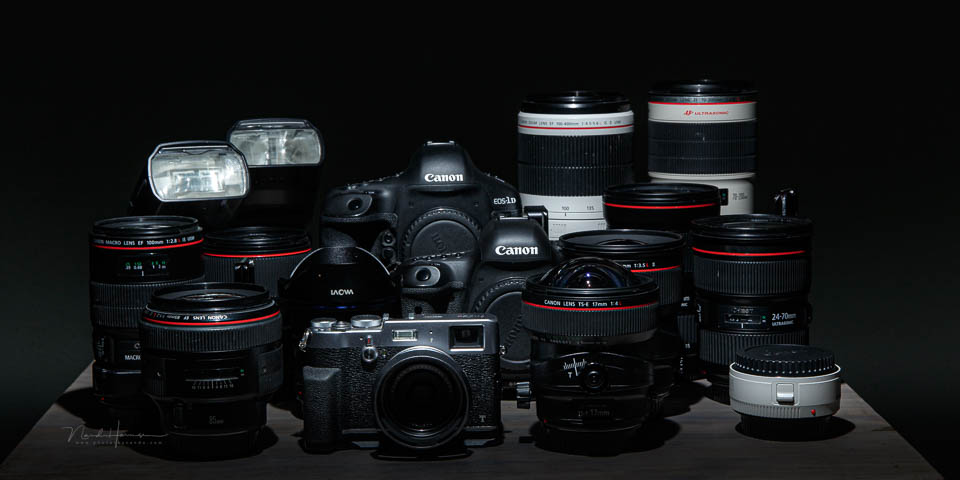
There is certainly a difference between a cheap lens of questionable quality and a more expensive lens of good quality. Such an upgrade can be worthwhile if you notice that your photos are not up to scratch. But upgrading a good lens will not make you a better photographer.
Buying new photography equipment is certainly tempting. Lenses in particular. Even so, it is wise not to do this too quickly. Having more lenses makes the choice more difficult anyway. Do you want to use this lens? Or that lens?
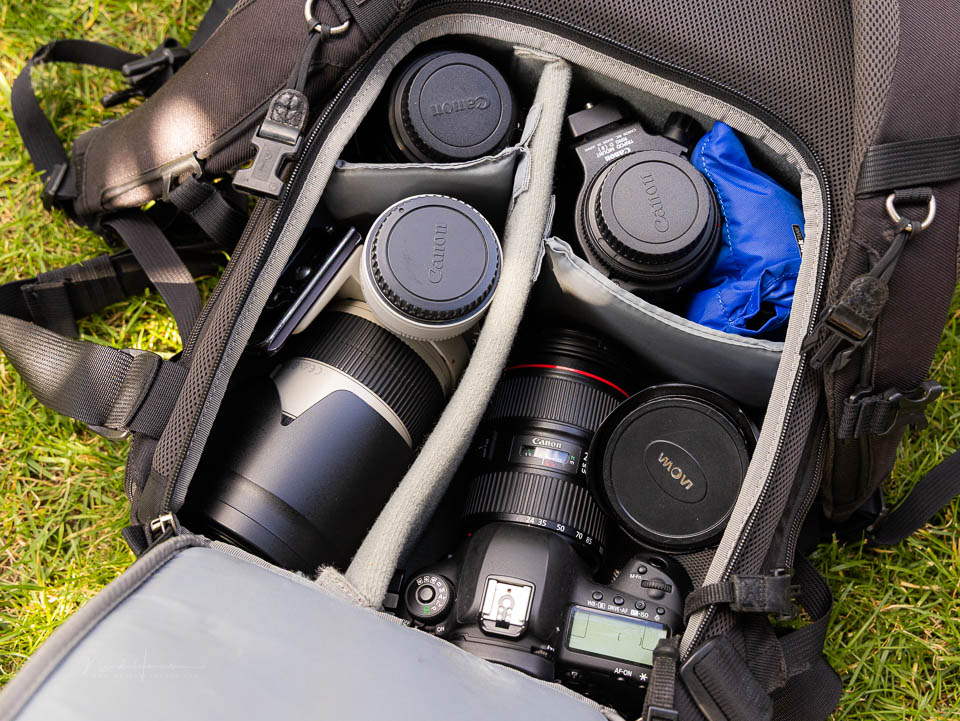
If you want to be a sensible photographer, choose a lens when you really need one. But how do you find that out? Simple, by taking lots of photos.
Do you notice that you often don't have a wide enough angle of view, meaning you have to resort to panoramas? Then it is time for a lens with a wider angle of view. A wide-angle, or even an ultra-wide-angle lens.
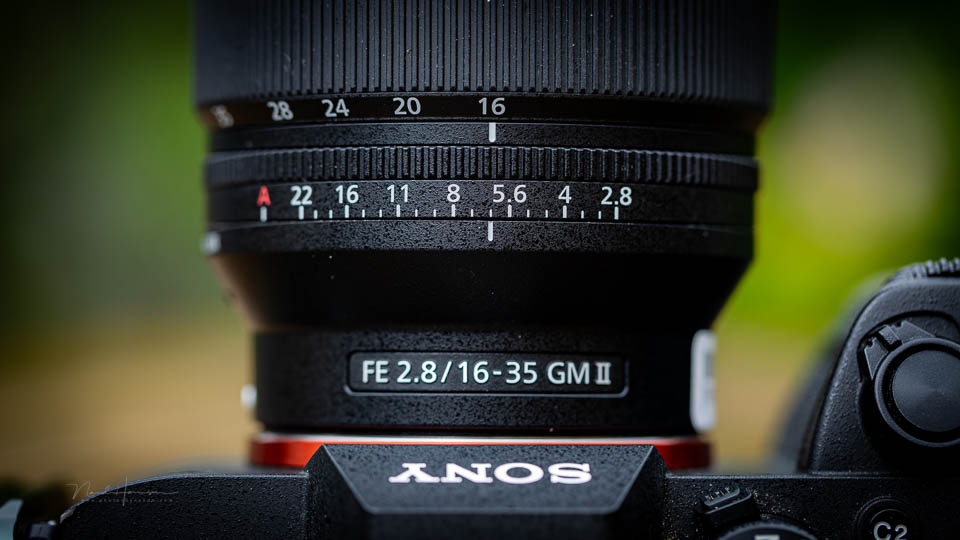
Do you notice that you have to crop too often to get your subject large enough in the frame? Then it is time to buy a lens with a longer focal length.
Do you find that you are photographing in conditions where you have to use excessively high ISO values even with the lens fully open? Then you could look for a lens with greater light-gathering ability.
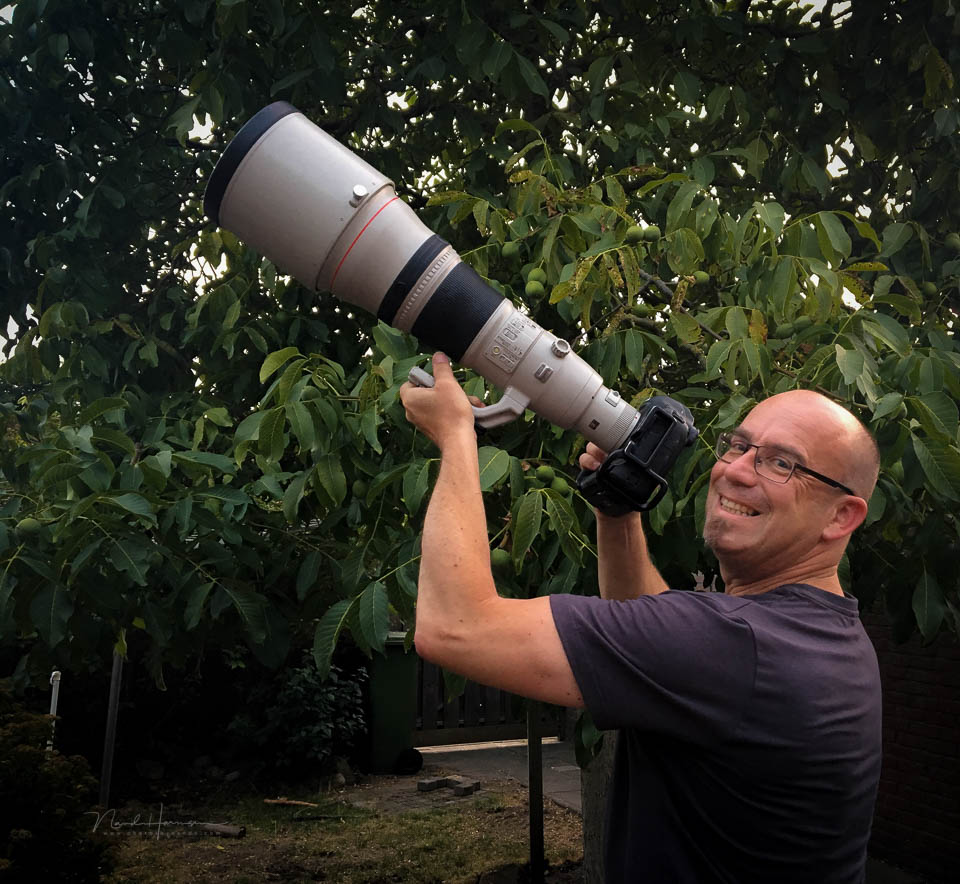
Do you take photos where you constantly have to correct perspective distortion? In that case, consider buying a tilt-shift lens.
Would you rather get even closer to make the small things around you appear large in the frame? Then it is time for a macro lens.
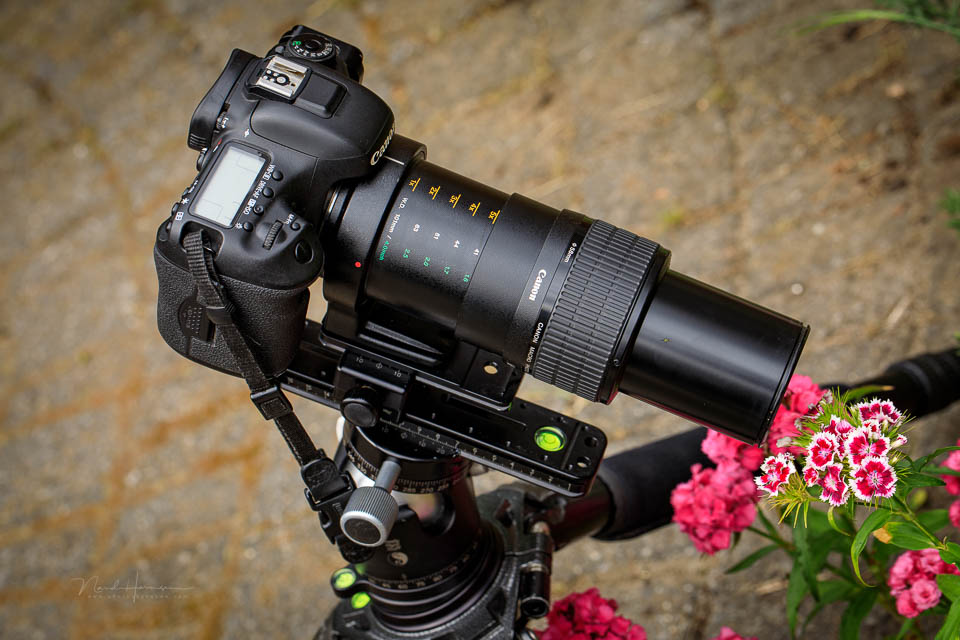
The point is that a new lens should make the photography options you are looking for possible. More telephoto, more wide angle, more light-gathering ability, more magnification. Only if you miss one of these things too often is there a good reason to buy one.
Don't buy just for the sake of buying. Of course, you are perfectly free to do so, but it serves no purpose. Go out and take photos with the equipment you have. If that works, you have what you need. If it doesn't, then it is time to go shopping.
About the author
Nando Harmsen has been photographing for more than 40 years. He specialises in wedding photography and landscape photography. Nando also gives talks, workshops, masterclasses and photo trips, and regularly reviews new and interesting equipment.
You might also like
-
 A new year, a new purchase?
by Nando Harmsen
-
 Extra costs when buying a new camera
by Nando Harmsen
-
 4 second-hand purchases you need to be careful with
by Nando Harmsen
-
 SanDisk Extreme SSD may not be a sensible purchase
by Elja Trum
-
 Don't buy pointless camera gear
by Nando Harmsen

5 comments
-
 Paul van Aken wrote on Tuesday 9 September 2025 at 12:19 | reply
Nice piece. And rightly so, a lot is bought just to have something new. That can sometimes also work out positively , because you want to use the lens.
Translated from Dutch.
One comment, however:
"a lens with greater light sensitivity."
A lens is not light-sensitive, fast is the term, the sensor (film) is light-sensitive. -

-
 Donald Willemsen wrote on Tuesday 9 September 2025 at 13:34 | reply
I’m not buying one to have another lens as well, but to replace one. I have a Canon R7 and it turns out that my Sigma EF 105mm macro focuses too slowly, and the same applies to the Sigma EF 120-400mm. These lenses can’t keep up with the speed of the R7. That’s one reason for me to switch to RF lenses. Another reason is that these RF lenses are lighter in weight. The Sigma 120-400mm weighs almost 2kg, while the RF 100-400mm weighs less than a kilo. I’ve now purchased the RF 100-400 and I can photograph handheld well with it.
Translated from Dutch.
I therefore don’t want more, but I do want to replace EF with RF. -
 Bart Bart Rijvers wrote on Tuesday 9 September 2025 at 18:57 | reply
With Sony, you have almost too much choice when it comes to lenses: Viltrox, Tamron, Sigma, Samyang and of course Sony itself. For example, 85 mm f/1.4 lenses are available from all of these brands. I am broadly oriented in terms of what I photograph and I have also let myself go a bit. I now own 10 lenses between 12 and 600 mm. These include a few special ones (24 mm tilt-shift) and fast lenses (Sigma 28-45 f/1.8 and Samyang 85 mm f/1.4). For each shoot I decide which set of 1, 2 or 3 lenses I take with me and actually they all get used regularly
Translated from Dutch. -

 A.Gooier wrote on Wednesday 10 September 2025 at 16:15
| reply
A.Gooier wrote on Wednesday 10 September 2025 at 16:15
| reply
I no longer buy unnecessary things and am decluttering. I now have only things left that I really need and can focus on them.
Translated from Dutch.
Photographer Alejandro Cegarra put it nicely:"I use a Sony A7III with a 24-70mm and a 70-200mm (Photojournalist kit), and Leica M10-R with a 35mm or a 28mm (the artist kit). For new photographers, I would say you need to master the technique, the camera needs to be an extension of your eye and your hand, like it's glued to you forever to you, that's why I don't like to change equipment so often because I have to again make that adjustment to my gear and it makes me lose synergy".
Have your say
Please note: Articles older than a week can only be commented on by signed-in visitors.Would you still like to comment? sign in or create a free account.
Become a better photographer every week
A practical photography tip in your inbox every week.
39,079 photography enthusiasts already receive the tips! More about the weekly mail. Or keep up to date via  Facebook.

Elja Trum
Photofacts; everything to do with photography!
Would you like to take better photos and keep up with what is happening in photography? Photofacts publishes articles that teach you something about photography — from a product announcement to a practical shooting tip or a look at a website. Photofacts covers photography every day and is a hobby project of Elja Trum's that got out of hand. The articles are written by a team of volunteer authors. If you would enjoy writing one or more articles for Photofacts, do get in touch.More about PhotofactsPhotofacts is made possible in part by
