

A little movement when panning
Monday 27 July 2026, 17:17 by Nando Harmsen | 1,263 views | 0 commentsThis article was translated from Dutch with the help of AI. Read the original.
Photographing flying birds can be a challenge. Especially when they are small, because they are very fast. You also need to get close to make them appear large in the frame. That makes the movement seem even faster. Or you can deliberately add some movement to the photo.
It is great when you manage to capture a flying bird beautifully large and sharp in the frame. You can see every detail of its feathers. This is relatively easy with larger birds. The smaller the bird, the harder it becomes.
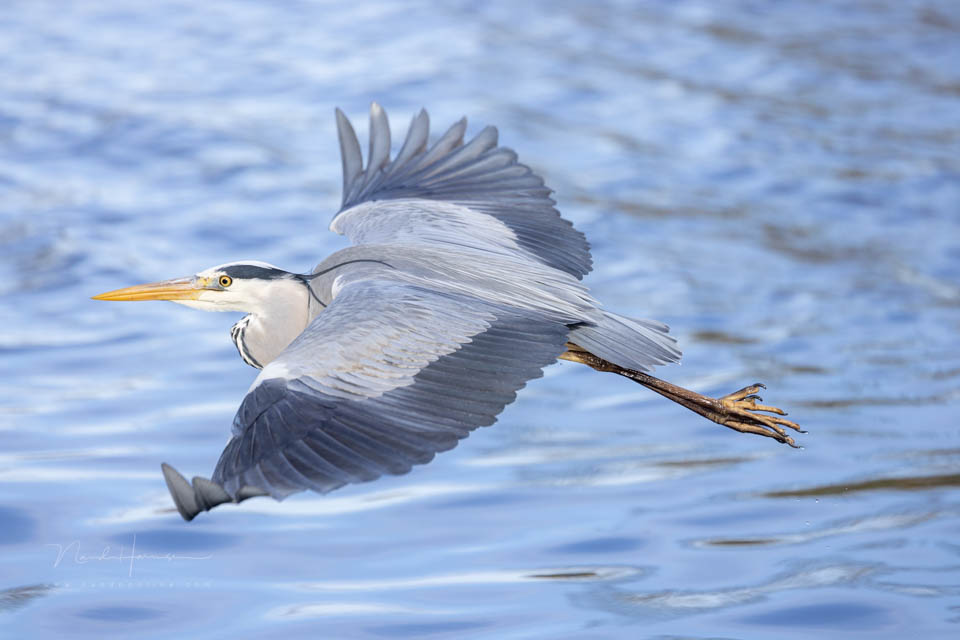
To get it sharp in the frame, use a fast shutter speed. Sometimes as fast as 1/4000 sec, especially with those small fast ones. You can also try something different. By deliberately showing movement.
A flying bird that is pin-sharp in the frame is not really flying. The movement has been frozen. The animal hangs motionless in the photo. Our imagination fills in the movement. By moving away from that fast shutter speed, you can capture the movement.
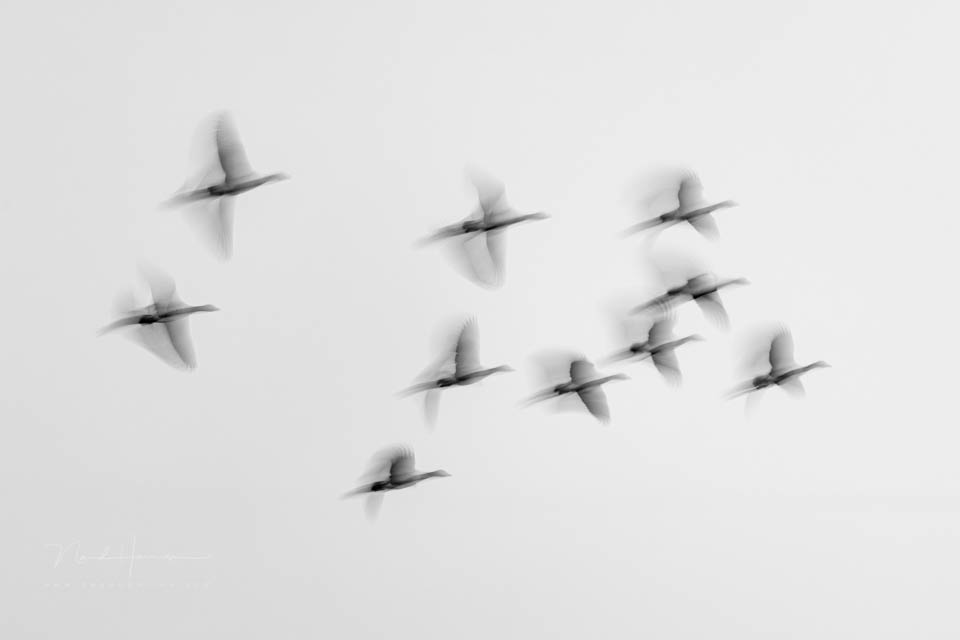
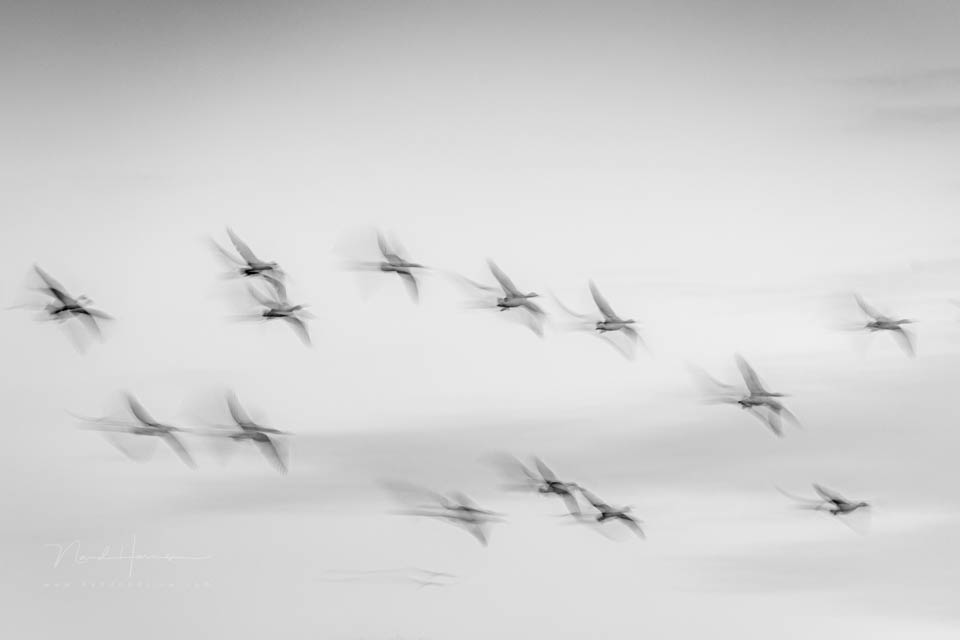
Instead of 1/4000 second, choose a longer shutter speed. Perhaps 1/100 second, 1/30 second or even 1/2 second. There is no fixed value that always works. It all depends on the speed, distance and size of the animal.
Try out longer shutter speeds and see what the result is. If you see too much movement, the shutter speed needs to be faster. If the movement is too minimal, make the shutter speed longer. Whatever you choose, move the camera along with the bird.
About the author
Nando Harmsen has been photographing for more than 40 years. He specialises in wedding photography and landscape photography. Nando also gives talks, workshops, masterclasses and photo trips, and regularly reviews new and interesting equipment.
You might also like
-
 Panning for action shots
by Nando Harmsen
-
 10 tips for panning, moving the camera with the movement
by Nando Harmsen
-
 Street photography tip: Try a panning shot
by Michiel Heijmans
-
.jpg "15 practical tips for sharper panning photos") 15 practical tips for sharper panning photos
15 practical tips for sharper panning photosby Huub Keulers
-
 Bird photography often requires a lot of patience
by Erik Nevels
-
 Sports photography tip: Focusing while panning
by Nico Delmeire
0 comments
Be the first to share what you think!
Have your say
Please note: Articles older than a week can only be commented on by signed-in visitors.Would you still like to comment? sign in or create a free account.
Become a better photographer every week
A practical photography tip in your inbox every week.
39,079 photography enthusiasts already receive the tips! More about the weekly mail. Or keep up to date via  Facebook.

Elja Trum
Photofacts; everything to do with photography!
Would you like to take better photos and keep up with what is happening in photography? Photofacts publishes articles that teach you something about photography — from a product announcement to a practical shooting tip or a look at a website. Photofacts covers photography every day and is a hobby project of Elja Trum's that got out of hand. The articles are written by a team of volunteer authors. If you would enjoy writing one or more articles for Photofacts, do get in touch.More about PhotofactsPhotofacts is made possible in part by
