

3 other ideas for discovering your photography niche
Monday 20 May 2019, 20:10 by Michelle Peeters | 8,695 views | 5 commentsThis article was translated from Dutch with the help of AI. Read the original.
Recently, I wrote the article 3 ideas for discovering your photography niche, which hopefully gave you some inspiration to try something different and perhaps take a new direction.
In this article, 3 more photographic niches you could experiment with.
1. Pinhole
With pinhole photography, you use the 'dark room' (camera obscura) phenomenon. This technique was already being used in the time of Aristotle. It works as follows: light enters a dark space through a small hole, projecting the outside world onto the opposite wall. Mirrored left to right and upside down.
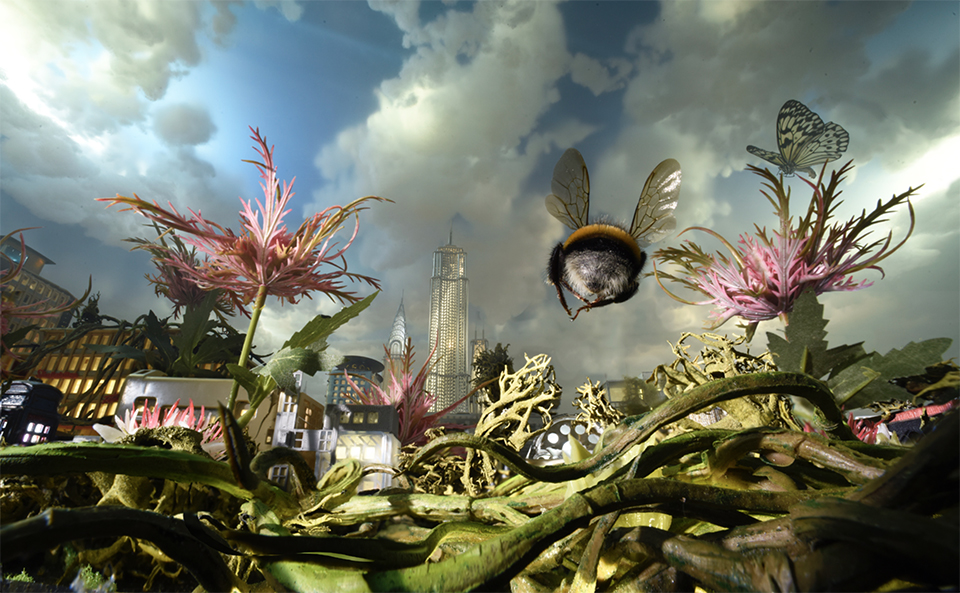
With pinhole photography, you use this principle. When you take photos with a pinhole camera, they are often not very sharp and show quite a lot of vignetting. They are often dreamy images that look as if they were taken a long time ago.
You never really know exactly what you are photographing either, because you cannot use the handy features of a modern camera, such as a light meter or viewfinder. The result is therefore always a surprise, which is one of its charms.
So you photograph through a small hole instead of through a lens. You can make the small hole yourself in your body cap, which you use to cover your camera when no lens is attached. Make the hole as small and round as possible, about 0.3mm. For example, drill a hole in the centre of the camera cap.
The hole will still be too large, but you can cover it afterwards on the rear with, for example, a piece of aluminium foil in which you have pricked a hole with a pin. Cover the front of the camera cap with a resealable piece of tape, so that the hole is only open during the exposure.
Now put your camera on a tripod and set it to B(ulb) mode and the lowest possible ISO value. Use a cable release and determine the exposure time by trial and error. If your test image is too dark, double your exposure time until you have a properly exposed test shot. Sometimes this can be an exposure time of several minutes!
After that, you also need to experiment with the sharpness of your image. If it is too blurred, try making a better hole. You can find many guides with ideas for this online.
With pinhole photography, you have a huge depth of field at your disposal. And that is just as well, because since you do not use a lens, you cannot focus at all!
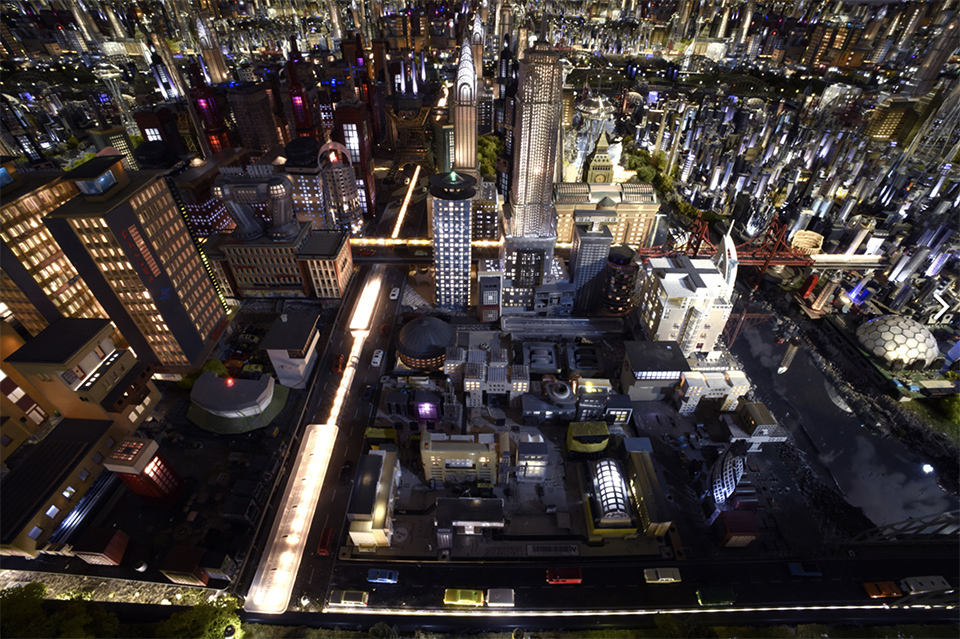
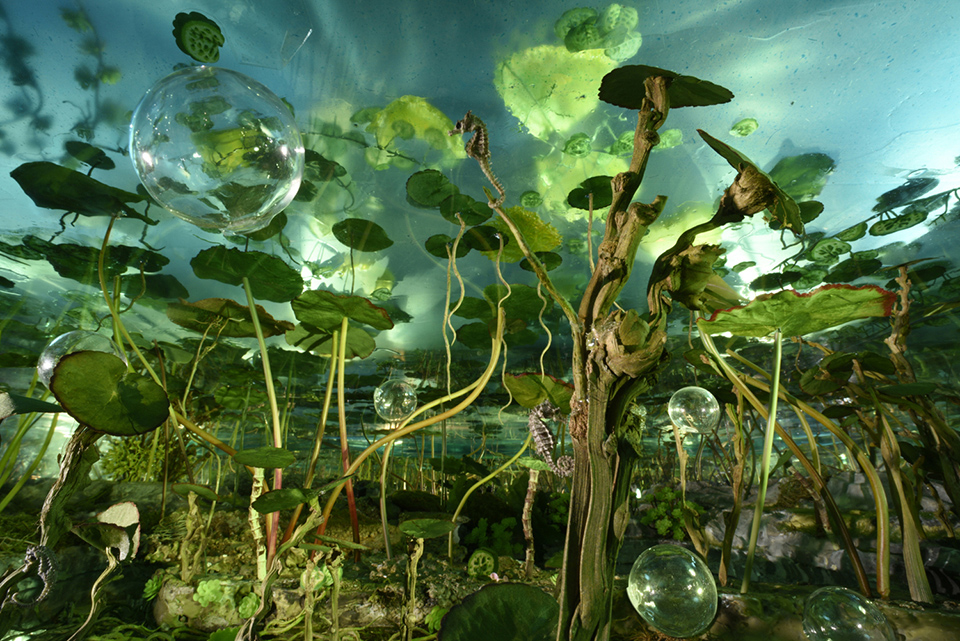
The Dutch artist Bethany de Forest makes grateful use of this infinite depth of field. She creates models which she photographs using the pinhole technique. They are beautiful surrealist and wonderfully colourful works of art.
2. Wet-plate
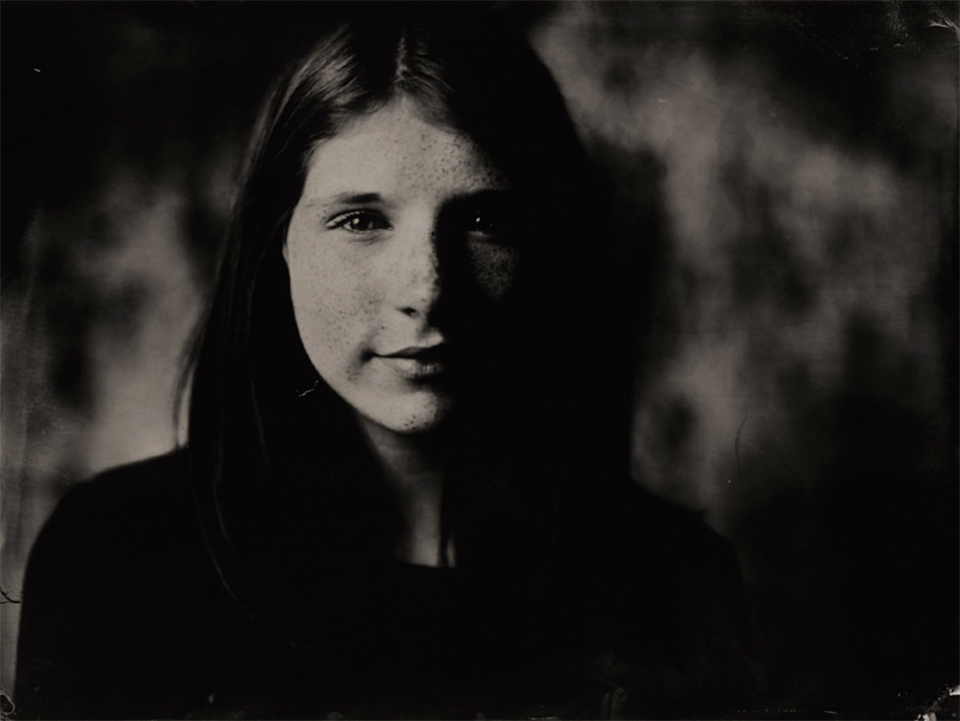
With wet-plate photography, also known as collodion photography, you go right back to the earliest days of photography. You work with historical photographic techniques. These days, you see more and more people appearing who are working with wet-plate photography.
In the video below by David Rambow, you can see how he became interested in this technique and how he is keeping it alive for the next generation.
Frederick Scott Archer was the inventor of the wet-plate technique. The process on glass is a way of taking photographs that was created in 1851, well before the introduction of film rolls.
The process requires a lot of patience and dedication, and you have to carry quite a lot of equipment with you if you organise a photo shoot somewhere. On Indra Moonen's website, you can see exactly how this process works.
The glass plates are cut to size by hand and must be developed, stopped and fixed immediately after exposure. So all the chemicals also have to come along, in addition to the heavy and bulky camera itself.
3. Underwater photography
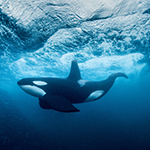
Underwater photography is great fun! Choose an underwater camera or make your camera waterproof with an underwater housing, then jump into the water.
Whether you snorkel, dive or take photos in a swimming pool, underwater photography requires not only a waterproof camera, or one made waterproof, but also different settings from those used above water. As you go deeper underwater, more and more colours disappear, starting with red. So you need to add light!
In my earlier article about underwater photography, you can read 10 tips for taking photos underwater.
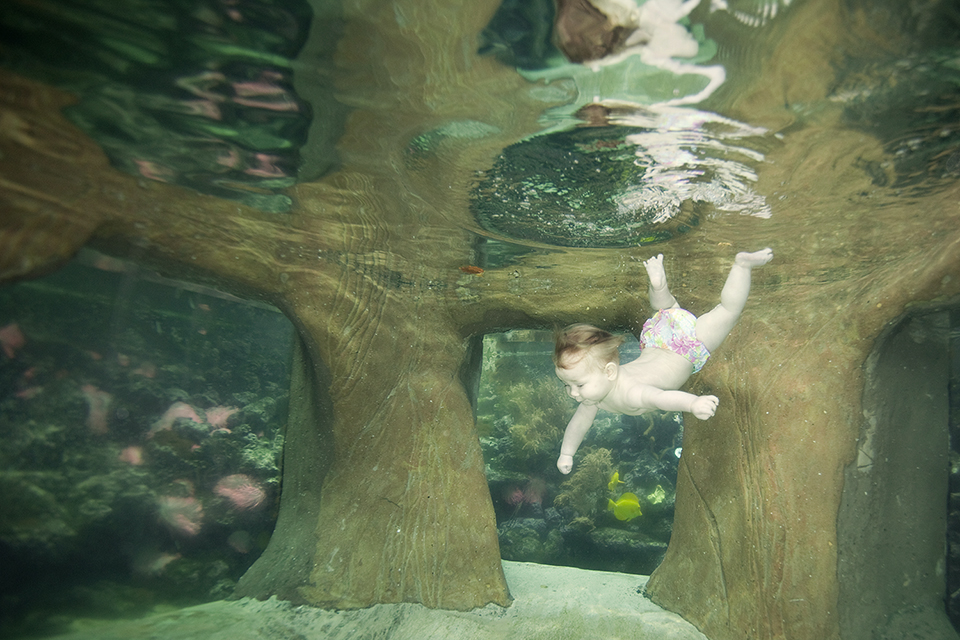
There is no shortage of possibilities, and if you would rather stick to more conventional photography, Photofacts Academy naturally offers a choice of options. There is still so much to do... Good luck!
About the author
Michelle Peeters is fotografe en oprichter van DeuxBleus Fotografie. Michelle herkent het bijzondere in het gewone en het gewone in het bijzondere. Ze heeft zich nooit willen specialiseren en is daardoor van alle markten thuis.
You might also like
-
 Review: Holga HPL-C Pinhole Lens
by Elja Trum
-
 Pinhole, or Slow Photography
by Laura van der Burgt
-
 3 ideas for discovering your photography niche
by Michelle Peeters
-
 Impressive underwater photographs by George Karbus
by Michelle Peeters

5 comments
-
 Camiel Driessen wrote on Tuesday 21 May 2019 at 13:04 | reply
Hey Michelle, I'm very impressed by the pinhole technique you describe. I'll definitely give it a try sometime!
Translated from Dutch. -

 Michelle Peeters wrote on Tuesday 21 May 2019 at 13:06
| reply
Nice Camiel! I am curious about your results, do show us some of your work sometime!
Translated from Dutch. -
 jacques Klarenbeek wrote on Sunday 26 May 2019 at 07:40 | reply
Hi michelle, in pinhole photography, it says that you need a 0.3 mm hole. This seems difficult to do to me. Shouldn't the hole be 3 mm? Jacques
Translated from Dutch. -
Michelle Peeters wrote on Sunday 26 May 2019 at 11:41
| reply
@Jacques: no it really has to be a pinprick!
Translated from Dutch. -
Jacques KL wrote on Monday 27 May 2019 at 06:53
| reply
Hi Michelle,
Translated from Dutch.
Thanks for your prompt response. I had misunderstood it. I will definitely try it. You have motivated me,
Jacques
Have your say
Please note: Articles older than a week can only be commented on by signed-in visitors.Would you still like to comment? sign in or create a free account.
Become a better photographer every week
A practical photography tip in your inbox every week.
38,938 photography enthusiasts already receive the tips! More about the weekly mail. Or keep up to date via  Facebook.

Elja Trum
Photofacts; everything to do with photography!
Would you like to take better photos and keep up with what is happening in photography? Photofacts publishes articles that teach you something about photography — from a product announcement to a practical shooting tip or a look at a website. Photofacts covers photography every day and is a hobby project of Elja Trum's that got out of hand. The articles are written by a team of volunteer authors. If you would enjoy writing one or more articles for Photofacts, do get in touch.More about PhotofactsPhotofacts is made possible in part by
