

Pay attention to lines. Make them go in the right direction.
Tuesday 13 August 2024, 20:10 by Nando Harmsen | 2,696 views | 2 commentsThis article was translated from Dutch with the help of AI. Read the original.
I often see photos of jetties passing by. They run exactly vertically into the photo. I then wonder, is that the right way? Or could it be done differently? You have the freedom to influence the direction of lines in a photo.
A jetty running into the water is a very common photo. The jetty often appears as a vertical line in the photo. A photo has no depth, after all. Something running from front to back then appears as a vertical line.
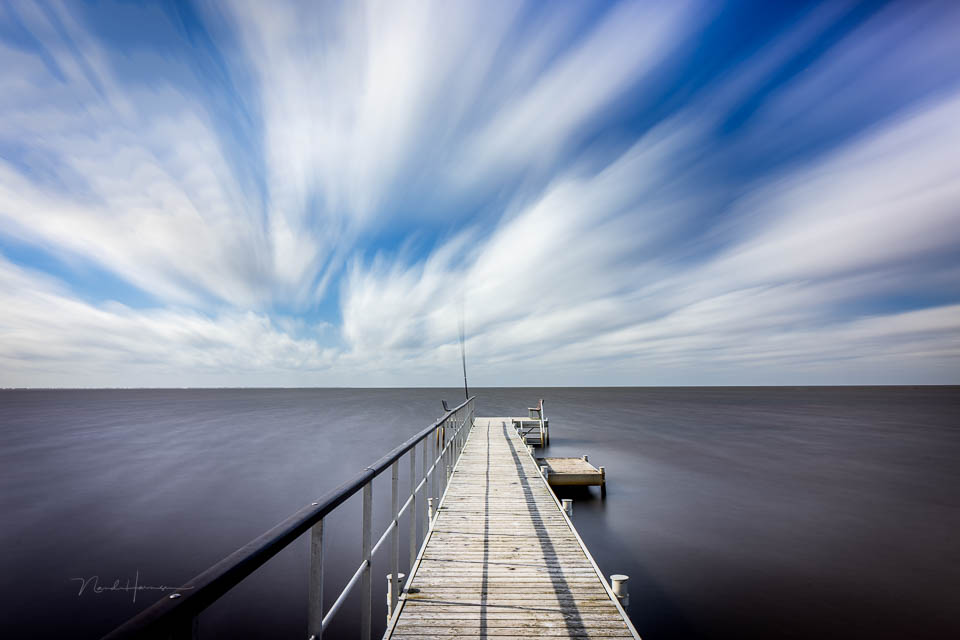
Sometimes a vertical line does not work. For example, in a forest where a fallen tree is being photographed. It is easy to photograph it in the same way as that jetty, but is that really the right way?
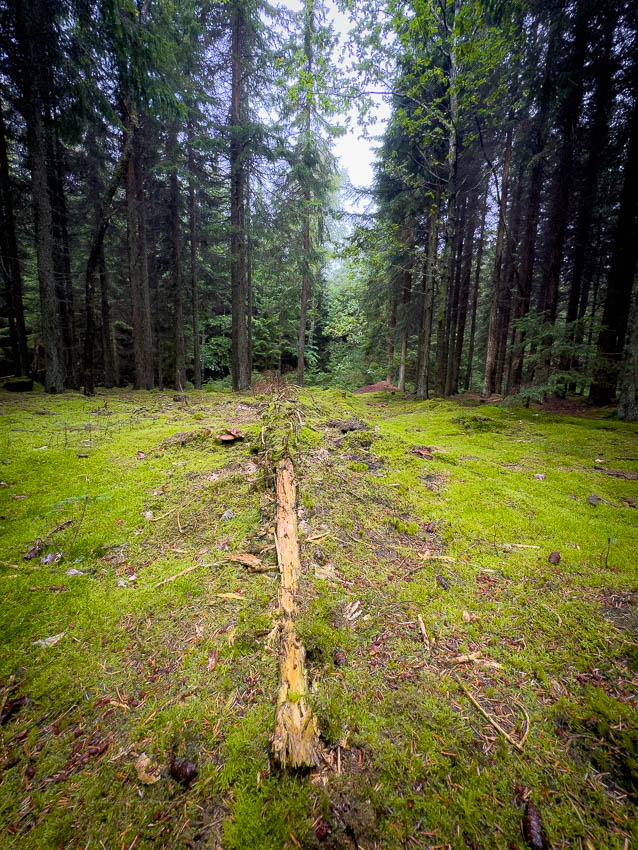
A vertical line divides the photo in two. It is not pleasant to look at. This can easily be solved by turning it into a diagonal line. Move to the left or right, depending on your preference.
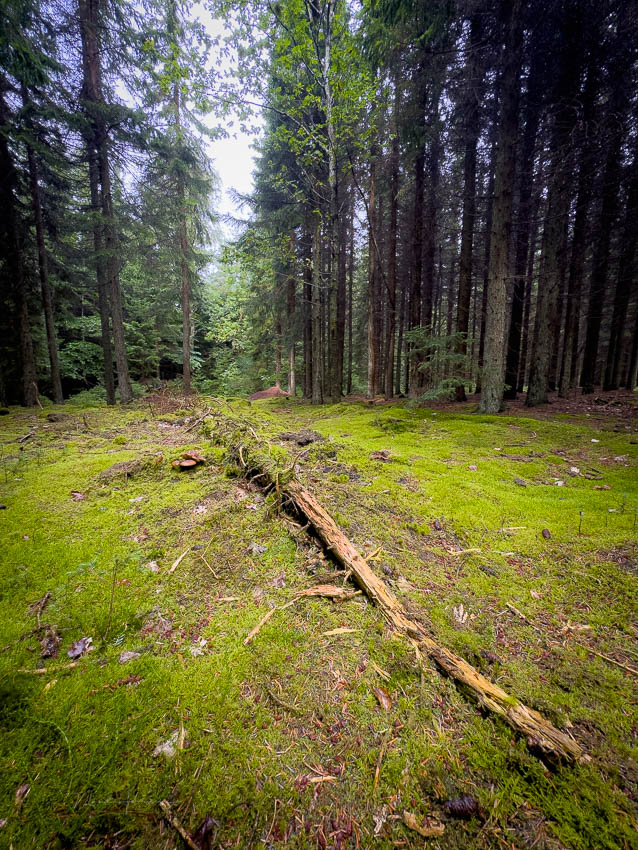
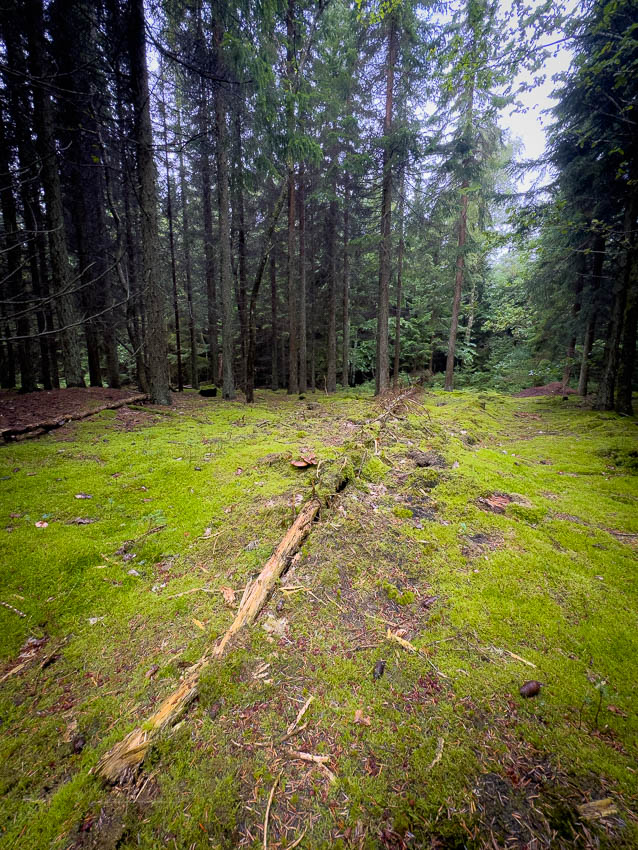
This diagonally positioned tree is more pleasant to look at. Your eye is guided through the photo in a very natural way. Choose what you like best, or what works best.
Take a good look at the details on and around the fallen tree, too. Sometimes there are elements that can be used as foreground. This gives the photo more content and depth, both figuratively and literally.

So always pay attention to how you position lines in your image. It does not matter whether it is a tree, a jetty, a road, or anything else. Choose the right viewpoint for the strongest possible composition.
About the author
Nando Harmsen has been photographing for more than 40 years. He specialises in wedding photography and landscape photography. Nando also gives talks, workshops, masterclasses and photo trips, and regularly reviews new and interesting equipment.
You might also like
-
 Play with perspective to influence lines
by Nando Harmsen
-
 Choose how to frame lines
by Nando Harmsen
-
 Be careful when removing power lines and dust spots in Luminar NEO
by Nando Harmsen
-
 Composition tip: Use horizontal lines
by Elja Trum

2 comments
-
 Donald Willemsen wrote on Wednesday 14 August 2024 at 10:20 | reply
Nando, I think it's a great article you've written. Content-wise, I agree with you. Still, I want to mention something that bothers me a little. It's about the photo with the pier. In the sky you can also see lines, but they don't run parallel to the pier in the sense that those lines in the sky don't start from the point where the pier leads your eyes. So, intuitively, that bothers me a bit. Don't see this as criticism, but rather as how I see the photo. Of course, you have no influence over how the clouds are. You can't control them. If you hadn't used a long shutter speed, the photo would radiate restlessness.
Translated from Dutch.
The photos of the forest in this article appeal to me more intuitively. With the pier, I had the feeling of: something isn't right here. I didn't have that feeling with the photos of the forest.
I hope you can appreciate knowing how others look at/read a photo. -

 Nando
wrote on Wednesday 14 August 2024 at 10:24
| reply
Nando
wrote on Wednesday 14 August 2024 at 10:24
| reply
Good point, regarding that scaffolding.
Translated from Dutch.
Although you have no influence on the vanishing point of the clouds, you do have influence on the way the scaffolding appears in the image.
By using the technique described with the scaffolding, you can get the scaffolding to almost line up with the vanishing point of the clouds. A matter of stepping to the right and turning the camera to the left.
Have your say
Please note: Articles older than a week can only be commented on by signed-in visitors.Would you still like to comment? sign in or create a free account.
Become a better photographer every week
A practical photography tip in your inbox every week.
38,982 photography enthusiasts already receive the tips! More about the weekly mail. Or keep up to date via  Facebook.

Elja Trum
Photofacts; everything to do with photography!
Would you like to take better photos and keep up with what is happening in photography? Photofacts publishes articles that teach you something about photography — from a product announcement to a practical shooting tip or a look at a website. Photofacts covers photography every day and is a hobby project of Elja Trum's that got out of hand. The articles are written by a team of volunteer authors. If you would enjoy writing one or more articles for Photofacts, do get in touch.More about PhotofactsPhotofacts is made possible in part by
