

A photo report using the Life formula
Monday 28 May 2018, 20:02 by Michelle Peeters | 28,254 views | 8 commentsThis article was translated from Dutch with the help of AI. Read the original.
Everyone knows the saying that a picture is worth a thousand words. And yet, as a photographer, one photo is often not enough to show your subject properly. In that case, you can choose to create a photo report or photo essay.
In this article, you will learn how to structure a report. You work methodically towards a final result.
With a photo report, you can tell a story using photographs. You use the knowledge you have about a particular subject to create a visual story. Here, you think about how you can show your story in images so that it comes across as well as possible.
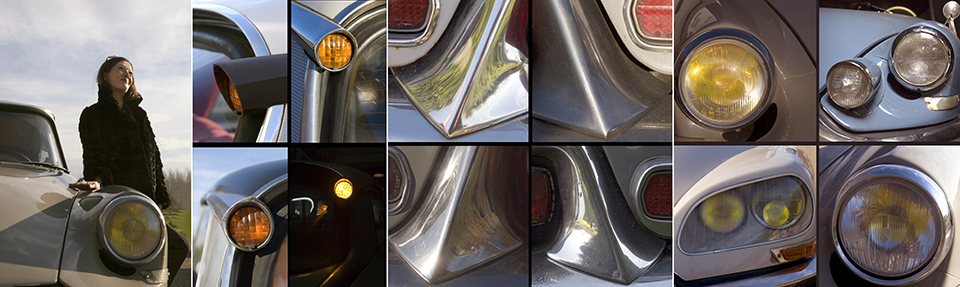
There are several types of photography that all fall within the category of documentary photography. These include a wedding, corporate or journalistic report, from newspaper to lifestyle magazine, and, for example, a travel report.
Purpose and plan of approach
First, think about what information you want to tell and what the purpose is. Estimate how many photos you think you will need. Write down which photos you want to take and find a location that suits the photos you need to make.
See how you can describe each situation with photos and put the report together. You can add a short note to your photos if you like.
You can also prepare well for creating a photo report by looking closely at examples from other photographers. This teaches you to think in a series of images.
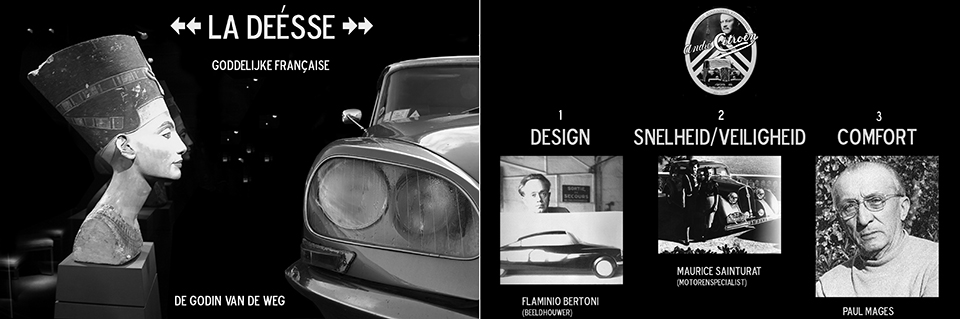
Photographing with a purpose
Now that the days of film rolls are over, you can really let yourself go when taking photos and fill entire memory cards at weddings and other events, just so you do not miss anything. You no longer need to worry about space, even with very large RAW files.
After a long day of photography, you often still have to sift through thousands of photos to arrive at a good selection. And when you are making your selection, you suddenly notice that there are an awful lot of portraits or detail photos, while the atmosphere photos from the day are missing.
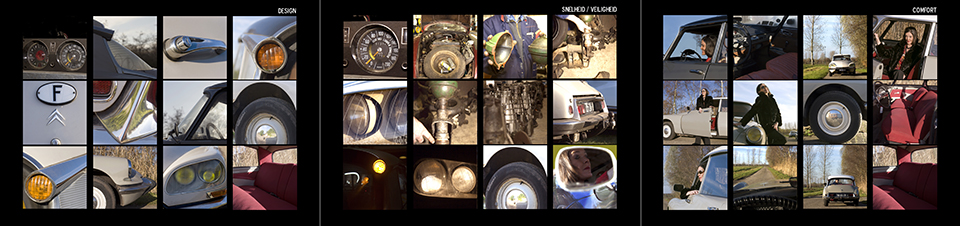
I hate checklists
There are various guides and even complete schedules online to help you remember what kind of photos you should take on which occasion.
I am not really a fan of working through checklists, though. That quickly makes the spontaneity and enjoyment of photography disappear.
Years ago, I had to make a photo report for the Fotovakschool, and I also photographed several weddings. When I looked back at my old reports, they did not make me very happy. In fact, they were often a collection of almost identical photos with too little variation.
I had the technique of taking an individual photo under control, but the whole thing as a story was a mess.
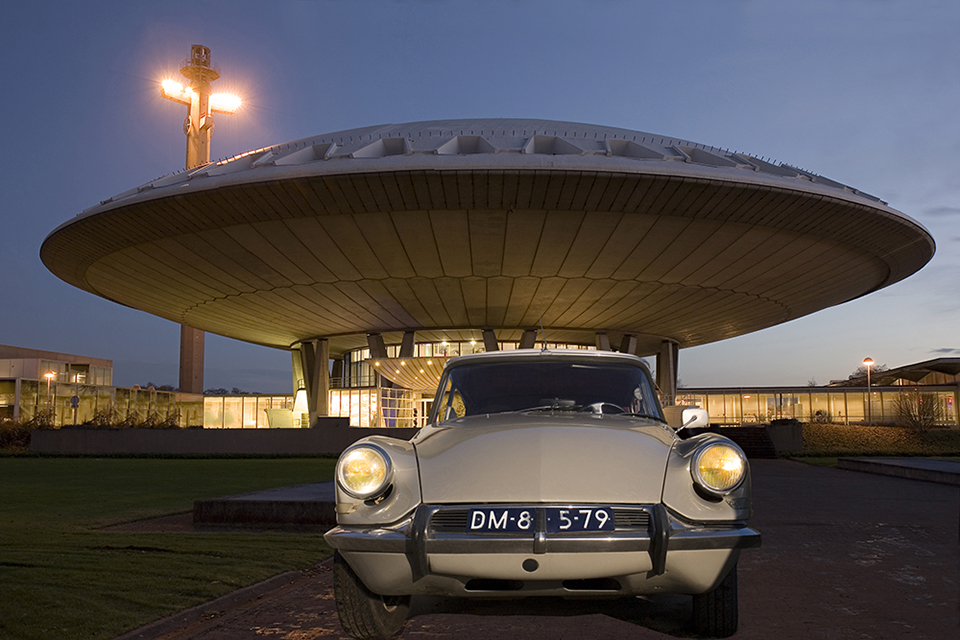
Life formula
What you should really aim for is to shoot consistent and varied images, so that they form a varied and complete picture of the subject you are photographing.
I came across the Life formula by chance while looking for information about this subject. The Life formula lists eight different photos, although of course there can be more, that you could take to achieve your goal.
The Life formula was developed by the legendary American magazine 'LIFE magazine'. They required their photographers to take eight different photos for one article. The eight photos were described precisely, so that a photographer could not forget anything. This list is still called 'the Life formula'.
The great thing about the Life formula is that it gives you something to hold on to while photographing, without restricting your creativity.
Applying the Life formula
Below is the Life formula list of the eight different types of photos that should ensure a varied and complete picture is formed of your photo series.
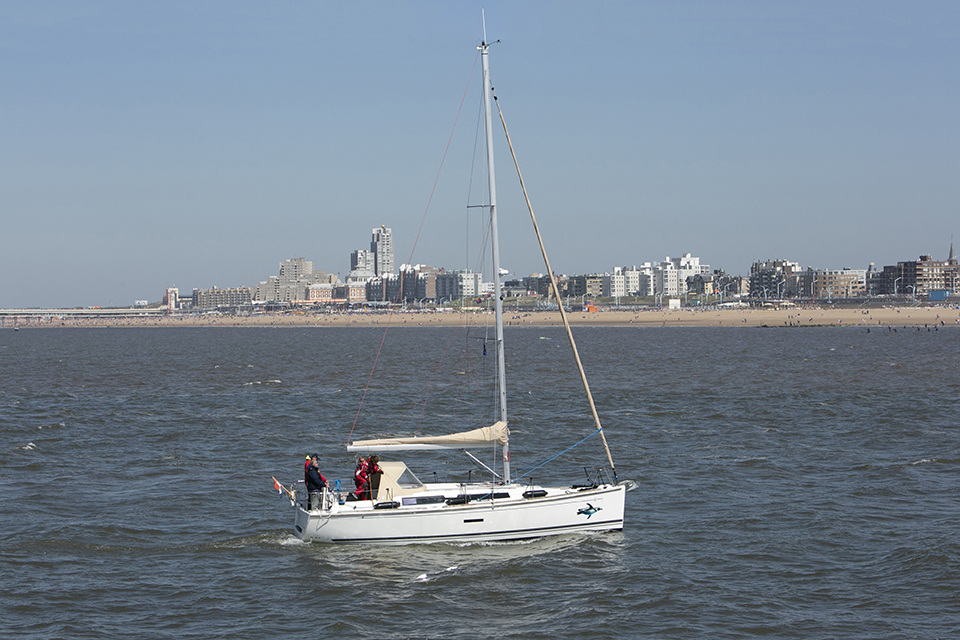
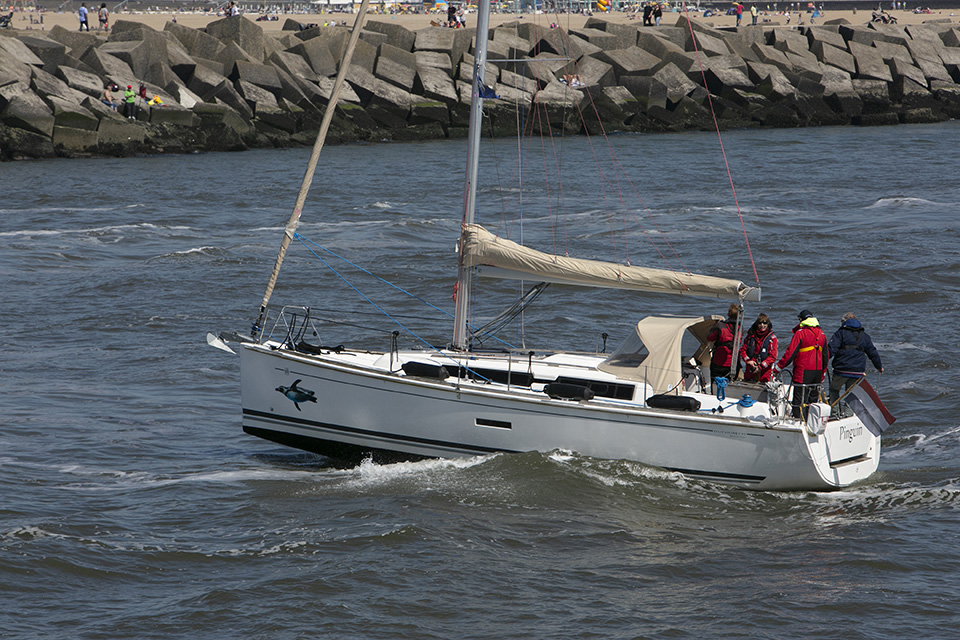
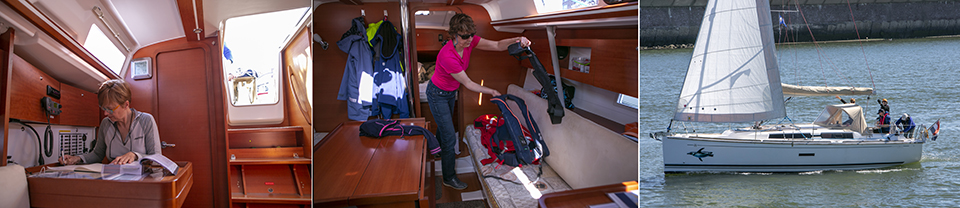
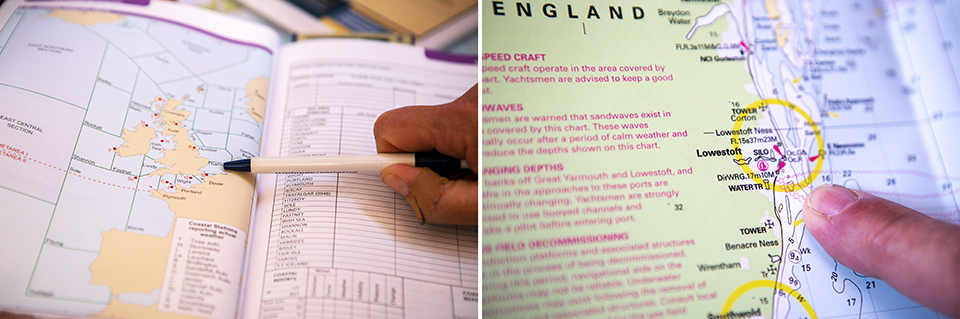
Here, I tried to fit in photos from a series about friends who crossed over by sailing boat from Almere via IJmuiden to Scheveningen, and from there on to Lowestoft in the UK.
The photo series is not yet complete, the full photo report will follow in another article, but it was great to see that using the Life formula works to create a coherent and varied whole.
It takes a little getting used to at first, but the routine soon starts to develop and you quickly notice that you begin photographing more consciously, shooting more varied and appropriate images based on the Life formula.
It gives you exactly the right guidance and also prevents you from creating reports that are far too long and boring, including travel reports.
1. Introduction or overview photo
The introduction or overview photo gives an idea of the place where your photo story will take place. It is often used as the introduction to the photo report.
If you have a wide-angle lens, you can use it to make the image literally as 'wide' as possible.
2. Medium photo
This type of photo sits between the first 'overall photo' and a detail. You zoom in a little further on the story, but not too far yet! A 'medium shot' shows part of the surroundings of your main subject.
For example, a number of visitors with a limited part of the event you are photographing.
3. Interaction photo
With this photo, you show what is happening in your report. Moving or dramatic images with emotion, interaction between people or with their surroundings.
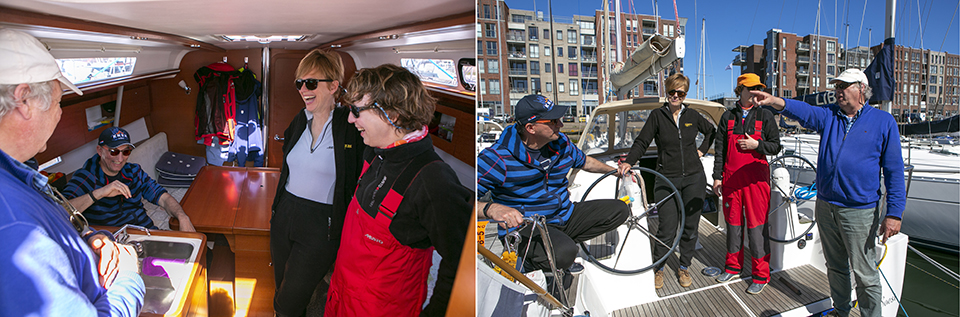
For example, at a wedding, take photos of the emotional parents or friends of the bride, or of tears of emotion from the bride herself during the vows and exchange of rings.
4. Portrait photo
These are often photos of the main characters in your report. People will appear in almost every report. Look for someone with an appealing appearance, an unusual profession or distinctive clothing.
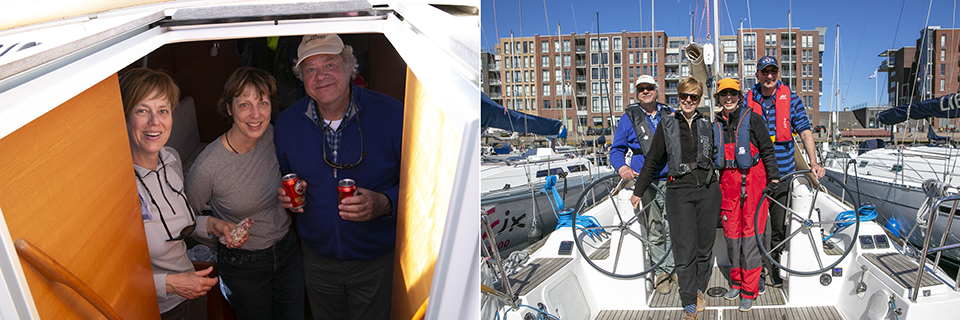
When taking portraits, do not forget to make clever use of the surroundings, foreground and background. This supports the story.
See whether you can place the main character in their own surroundings. This supports the story once again. You can try to take the photo candidly, but a posed portrait often works perfectly well in your story too.
5. Close-up/detail photo
Instead of highlighting the big picture, here you show the story through minimal details that are often overlooked. Abstract images and details stimulate the imagination.
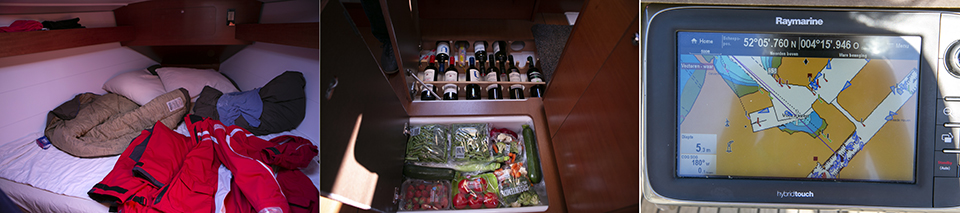
A series of detail photos works very well as an overview photo. When you see a close-up of a compass, a steering wheel or a shoe, you imagine the rest yourself.
A wedding photographer almost always takes photos of the wedding cake, bridal bouquet, cufflinks, rings, wedding cake, et cetera. Details get the viewer's creative mind working. They appeal to emotion. So always make sure you take intriguing detail shots.
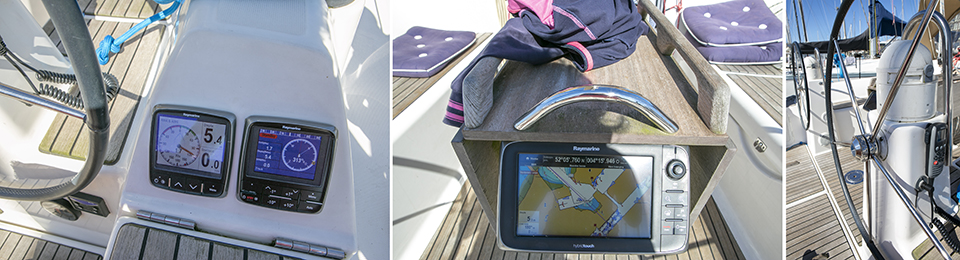
6. Sequence photo
Sequence photos of the same subject that you used earlier, but now from a different angle, recurring throughout the series, give your photo report a sense of time and action.
Think of before-and-after photos or a series of photos with a beginning, middle and end. In street photography, for example, you could think of a series of street performers, lampposts or litter.
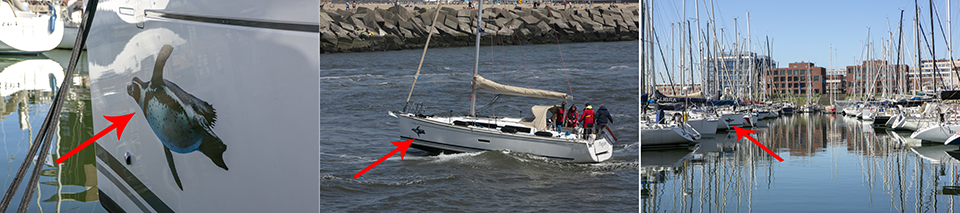
7. Clincher photo
This is the photo that closes the series and, with it, the story or report. The proverbial icing on the cake. This can take the form of a detail, but the other types of photos are also suitable for this.
8. Signature/cover photo
The iconic and most powerful photo in your series. The most powerful photo is the one that shows your whole story in a single image. A summary in visual language.
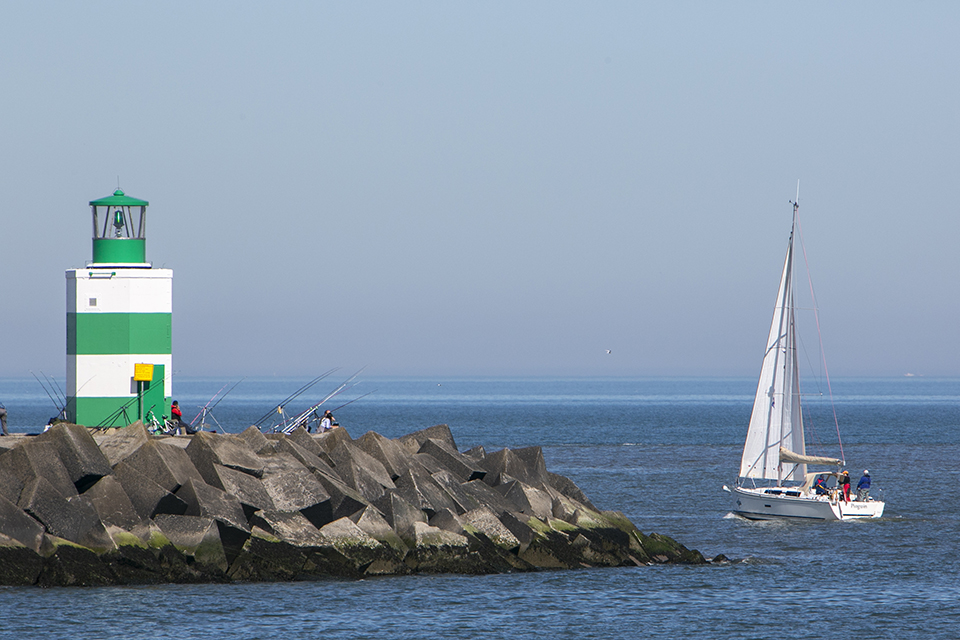
These kinds of photos often appear on the cover. They are images that tell a 'message', stimulate the viewer and make you curious about the rest of the photos in the series.

Conclusion
I am very enthusiastic about using the Life formula when creating a photo report. Despite my dislike of using checklists, this is a very simple way to achieve a good result quickly.
It takes little effort to create consistent and varied photos this way and arrive at a complete picture of your subject. Selecting your photos afterwards now also takes half as much time. Highly recommended!
Source: the information about the Life formula comes from several sources, including an article in Zoom magazine from 2015)
About the author
Michelle Peeters is fotografe en oprichter van DeuxBleus Fotografie. Michelle herkent het bijzondere in het gewone en het gewone in het bijzondere. Ze heeft zich nooit willen specialiseren en is daardoor van alle markten thuis.
You might also like
-
 Photo report: Ramsgate sailing trip 2018
by Michelle Peeters
-
 Documentary review: Step into the World of Lars van de Goor
by Michelle Peeters
-
 Inspired by the documentary The World of Lars van de Goor
by Erik Nevels
-
 Photograph a Still Life for a Change
by Laura van der Burgt
-
 Bringing Spring to Life in Photos
by Nando Harmsen
8 comments
-

 martinphili wrote on Tuesday 29 May 2018 at 07:15
| reply
This sounds interesting. Maybe I already take it into account unconsciously, but it surely can't hurt to keep this formula in mind. You (I) often do that sort of thing mainly afterwards, choosing from the thousand photos you've taken.
Translated from Dutch. -
 Wim Hendriks wrote on Tuesday 29 May 2018 at 10:22 | reply
With a visual story like this, I miss the sound...that's why I switched to film.
Translated from Dutch. -
 Roland Wantens wrote on Tuesday 29 May 2018 at 11:03 | reply
Very interesting! Thank you Michelle.
Translated from Dutch. -
 Peter Boesewinkel wrote on Tuesday 29 May 2018 at 13:31 | reply
This is a real recommendation, and get started with this
Translated from Dutch. -

-
 Ad Hartjes wrote on Wednesday 30 May 2018 at 10:26 | reply
Good tip gr Ad
Translated from Dutch. -
 Joey wrote on Thursday 31 May 2018 at 08:38 | reply
Funny to see that I already broadly follow the LIFE formula. Still a cool article, which I can get something out of. Thanx
Translated from Dutch. -
 Bert Jongsma wrote on Thursday 31 May 2018 at 21:08 | reply
This is a useful article, concise, clear and handy for anyone looking for a good structure in the presentation.
Translated from Dutch.
Have your say
Please note: Articles older than a week can only be commented on by signed-in visitors.Would you still like to comment? sign in or create a free account.
Become a better photographer every week
A practical photography tip in your inbox every week.
38,886 photography enthusiasts already receive the tips! More about the weekly mail. Or keep up to date via  Facebook.

Elja Trum
Photofacts; everything to do with photography!
Would you like to take better photos and keep up with what is happening in photography? Photofacts publishes articles that teach you something about photography — from a product announcement to a practical shooting tip or a look at a website. Photofacts covers photography every day and is a hobby project of Elja Trum's that got out of hand. The articles are written by a team of volunteer authors. If you would enjoy writing one or more articles for Photofacts, do get in touch.More about PhotofactsPhotofacts is made possible in part by
