

The right Facebook strategy for your business
Monday 18 September 2017, 20:02 by Michelle Peeters | 8,865 views | 0 commentsThis article was translated from Dutch with the help of AI. Read the original.
I attended a talk by Carolien Tesselhof of Tesselhofmedia.nl about Facebook marketing in June this year, during the annual barbecue of photo sales platform Oypo.
The presentation was about how to use Facebook effectively for your business, so you can gain more followers and therefore more customers.
Despite my scepticism about this, partly due to my own experiences and the reactions to Fabian Viester's article Using social media as a photographer, my opinion quickly changed while following this lively presentation with some very valuable tips!
1. Top 5 platforms in 2017
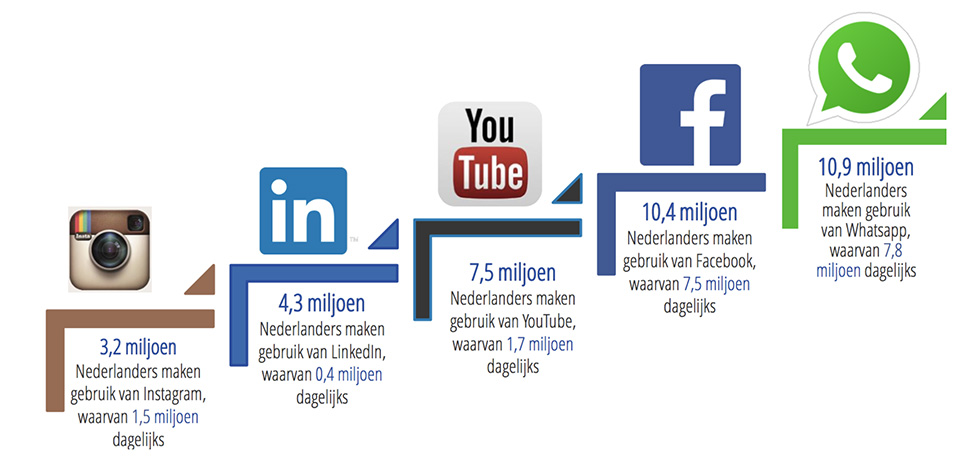
Compared with 2016, daily use has also increased considerably. In order of popularity, these are:
WhatsApp with 10.9 million users, Facebook with 10.4 million users, Youtube with 7.5 million users, LinkedIn with 4.3 million users and finally Instagram with 3.2 million users.
The other, less popular platforms, in order of the number of users, are:
Twitter with 2.6 million users, Pinterest: 2.4 million, Snapchat: 1.9 million, Tumblr: 0.4 million, WeChat: 0.1 million and finally Foursquare: 0.1 million.
Instagram, YouTube and Snapchat are particularly popular among young people. WhatsApp and Facebook are popular among all groups.
2. Facebook account settings
This presentation was specifically about Facebook. If you create a business page on Facebook, make sure you complete your account settings fully and correctly.
- The page name: enter your name or business name here
- Profile picture: a logo or a personal (team) photo
- Cover photo: make sure it is recognisable, supplemented with important information (website URL, contact details, USPs, call to action)
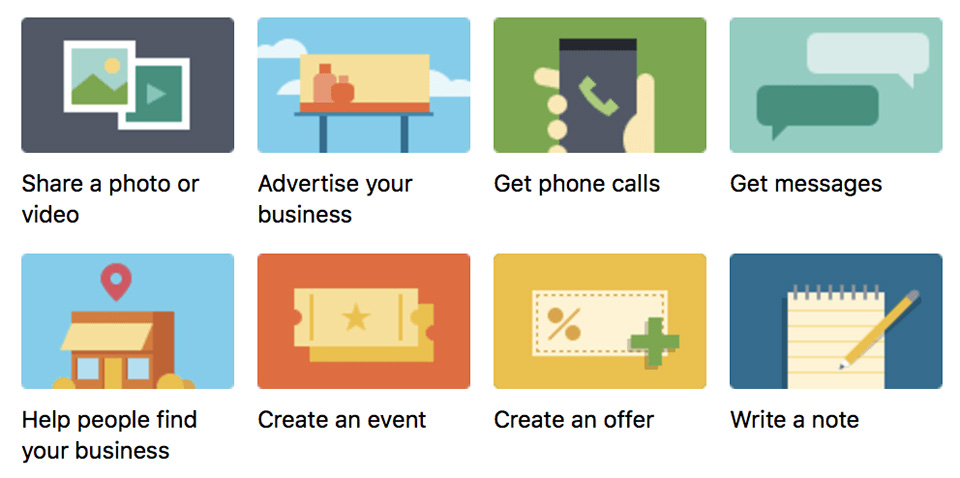
- Action button: choose an action that suits your business
- Info tab: complete your profile as fully as possible
- Set up the chat function: it is switched on automatically. You can optionally add a response assistant if you are the only person available for Facebook Messenger (via settings, messages)
- Collect reviews. The number of stars will then be displayed prominently on your Facebook page. You can also disable this via settings.
Two important facts
Facebook only shows your post to around 10 per cent of your page likes!
On average, only 1.7 per cent click through to a post on Facebook.
3. Increase organic reach
Organic reach is the total number of unique people who saw your post as a result of unpaid distribution. Paid reach is the total number of unique people who saw your post as a result of advertising.
But how do you increase your organic reach?
- Try to vary your posts, so do not post the same kind of content every time. You can do this by informing, inspiring, interesting and interacting
- Also try to vary the types of posts. So do not just use text, but also video, livestreams and photos
- Try to maintain an 80-20 ratio, with 20 per cent of your posts prompting people to take action
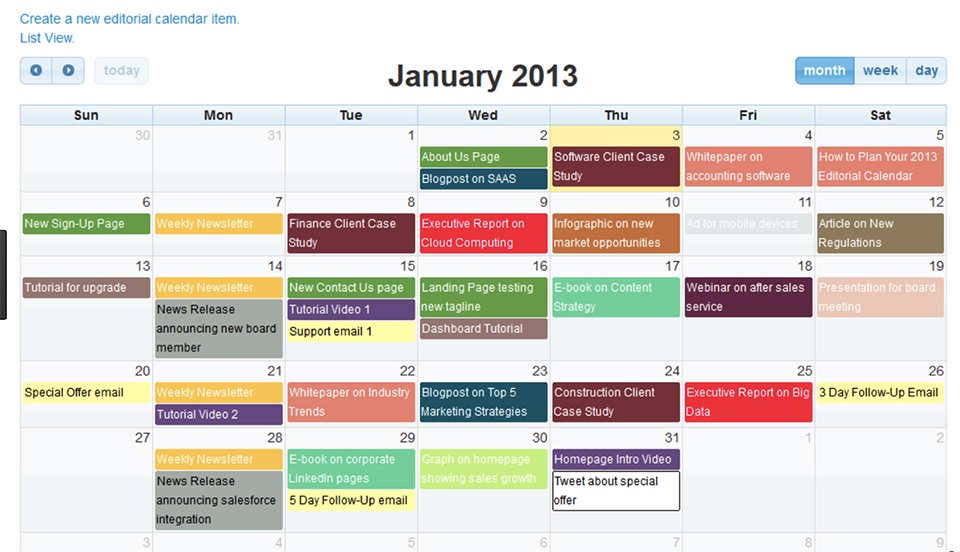
- Create a content calendar, for example via: inhaakkalender. You can sign up for free and they will send you timely alerts about upcoming holidays and other marketing opportunities that you can make the most of.
Another important fact
People are not on Facebook looking for you, but for INSPIRATION! So they want to get something out of it themselves. But how should you approach this?

4. Inform, inspire, interest and interact
Before posting something, think carefully about a number of things, including: what is your tone of voice? You or formal you?
Do you have a house style (font and use of colour in images) that you follow? What kind of images do you want to use? Think about privacy
Who is responsible for monitoring and responding to reactions? Bear in mind that Facebook is fleeting. People expect quick responses
Inform:
Make sure your posts are genuinely informative. Your readers should really feel that they are inspired by them and/or can learn something. You do not have to do everything yourself to be valuable to your target audience.
Some things that are good to share include new developments, tips (for example, tips and tricks for photographing your own children), advice, sharing other people's content, such as articles or a quote (remember to mention the name, and remember copyright when it comes to images).
If, for example, you have attended a seminar, share your valuable insights!
Inspire:
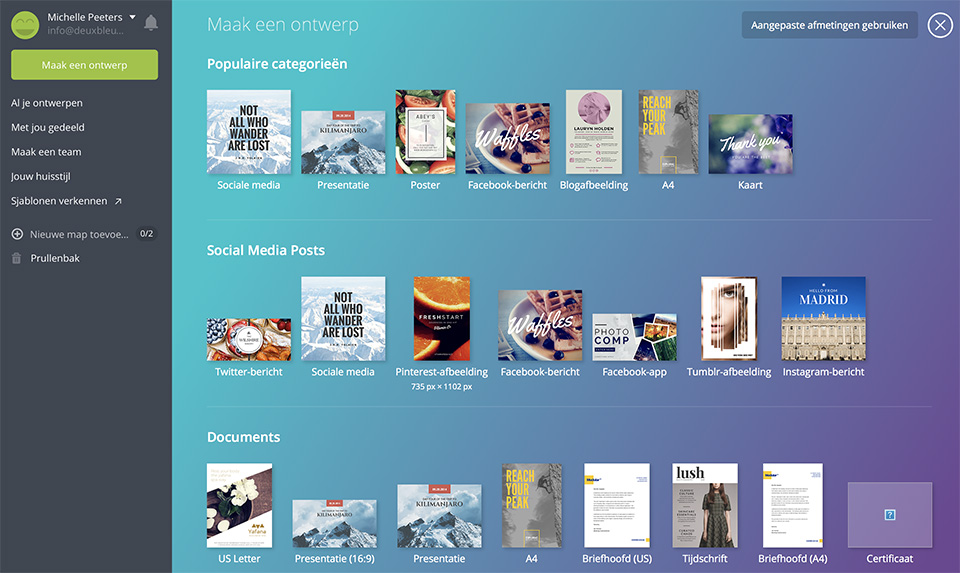
If you often use a particular saying, you could create your own quotes, possibly combined with an image: www.canva.com, which you can use to create your own designs.
You can also share someone else's quote and add your own insights. Or you can share an inspiring blog or an interesting post and show how you can combine and/or apply things.
Interest:
Use humour and entertainment, linked to your target audience, and use animated videos or behind-the-scenes photos and videos. Show who is behind your business.
Show testimonials from satisfied customers, and share experiences and tools that your customers can use.
Interact:
Ask questions such as: What is your number one tip for..., what is your favourite book, what is your opinion on something in your market. Create a poll or run a quiz, keeping it accessible.
Start a 'like and win' or 'comment and win' campaign. Answer frequently asked questions about your business on Facebook and invite people to ask a question too.
5. Tips for more likes
- Ask your Facebook friends to like your Facebook page
- Invite people who like one of your posts to like your page
- Put a link to your Facebook page in the signature of your email communication with customers
- Put a Facebook like box on your website using the Facebook Page Plugin
- Put a 'like us' button on the thank-you page
- Share your Facebook page through your other channels (Twitter, Instagram, Pinterest, LinkedIn)
- Give something away in return for a like (free delivery, a discount) and use the viral coupon plugin for Woocommerce or Wordpress
- Use your business card
- Add an annotation to your YouTube videos
- Place a 'call to action' on your Facebook cover photo
- Put your page URL on every image you share on Facebook
- Put a pop-up on your website
- Run a 'like and win' contest. This is an effective way to reach a larger target audience, provided you do it properly. Do follow the rules: you must not give the impression that the campaign is run by your business, and you may not use connections of Facebook users or their timelines. Sharing or tagging may therefore not be a requirement.
Consider what you want to achieve with your campaign: more Facebook reach? Then ask people to like your post/page. That is a one-off, however, and often does not deliver much.
It is better to use an 'opt-in': you ask people to enter their name and email address so you can reach them again later. Ask them to visit a particular page on your site that you can retarget.
Make sure you reach a target audience that is interested in your product, rather than people who are only after a free iPad or trip, for example. Do not give away your own product, but something related to it.
For example, if you sell FC-Twente fan merchandise, give away a tour or tickets for a match.
Like and Win campaign inspiration: make liking your Like & Win page/post a condition for entering, ask people to like your Like & Win page/post and leave their email address on your website (opt-in), ask why they should win and choose the most original answer, ask them to complete a sentence, ask them to upload a photo, et cetera.

6. Advertising
Advertising is paid reach: the total number of unique people who saw your post as a result of advertising. So it is the opposite of organic reach in point 3.
Why advertise on Facebook?
This gives you greater potential reach and many options for segmenting target audiences.
You can split by country/region/town, language, age, interests, gender, education/study, family situation, lifestyle, et cetera. You can also segment by Facebook behaviour: likers, followers or non-followers, photo uploaders, event creators and game players.
Other advantages of advertising include having your own target audience that you can upload to Facebook, creating a need and engaging with people, with more opportunities for interaction than, for example, on Google.
By setting objectives, you can generate more traffic to your website, leads and events, and promote brand awareness.
The disadvantages of Facebook advertising are that hardly anyone is waiting for a sales pitch. You therefore need to look for good angles.
Facebook is less suitable for direct sales. Because of the social context, Facebook users are less inclined to get their wallets out. For international products and services, Google may be a better alternative.
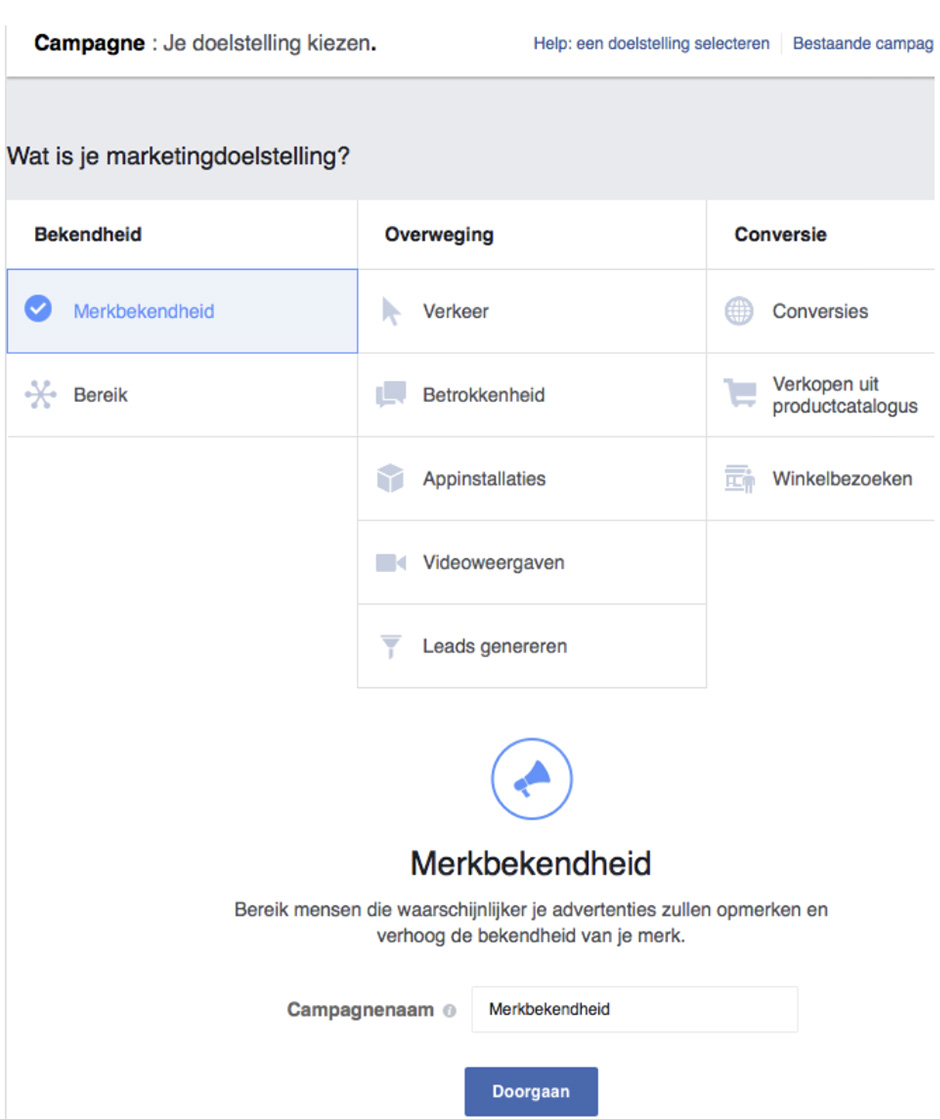
Facebook optimises your advert for the set objective. The three main objectives are:
- Awareness: objectives that generate interest in your business, product or service
- Consideration: objectives that make people think about your business and search for information
- Conversions: objectives that encourage people interested in your business to use or buy your product or service.
7. Facebook pixel
With a Facebook pixel, Facebook can see who has a Facebook account and has visited your website. You can use this to optimise adverts, target people in a custom audience on Facebook and advertise to them specifically.
The Facebook pixel is genuinely valuable and worth learning more about!
Retargeting: they put something in the shopping basket but did not buy it. Send them a reminder to come back.
8. Facebook advert target audience
How do you choose your target audience when placing your advert? You can choose a specific target audience, for example from your Facebook pixel, from a file or from combined Facebook adverts, only the 'page likes' or specifically those who are not.
Make sure you know the problems, needs and interests of your target audience. Finally, make sure that the advert meets the needs of your target audience.
9. Copywriting
Copywriting is the most important part of your advert. Do not be afraid of long texts. Inspire people with storytelling. A click at the end of a long text is worth more because people know what they are clicking on. The final conversion rate is often higher as a result.
Think about what you want to achieve and what is getting in the way. In short, know your target audience. Make the headline capitalised and as tempting as possible. How you + {promise} test with two different arguments. Launch a statement linked to the target audience's 'pain'. Press on the sore spot!
Show that you understand how much time, energy and money something costs. You want a conversation, so ask a question from time to time. Show solutions or make a promise. Show who you are and make it personal.
Amounts and numbers work well! Say that an offer is valid for a limited time, and dare to set a limit. Create a clear call to action and show what people get. Use capital letters, subheadings and blank lines.
Use a tailor-made image for your advert that is relevant to your target audience. People click more quickly when something is recognisable. Use plenty of contrast in your image and no more than 20 per cent text in the image. Use www.canva.com for images in your Facebook adverts or posts.
10. General tips
Some general tips to aim for when using Facebook effectively for your business include creating a content calendar, scheduling your posts in advance and keeping a close eye on your reactions.
Varying the kind and type of posts performs well, as does making use of your cover photo. Testing different types of adverts, with a specific advert for each customer, is useful.
Finally, it is good to show your followers your knowledge and successes, as well as collecting email addresses.
Want to know more?
If you would like to know more, or would like advice on how to make your business, brand or organisation stand out from the crowd, contact Carolien Tesselhof of TesselhofMedia.
About the author
Michelle Peeters is fotografe en oprichter van DeuxBleus Fotografie. Michelle herkent het bijzondere in het gewone en het gewone in het bijzondere. Ze heeft zich nooit willen specialiseren en is daardoor van alle markten thuis.
You might also like
-
 Facebook reconsiders nudity policy
by Michelle Peeters
-
 Using social media as a photographer
by Fabian Viester
-
 How can you still stand out as a photographer?
by Michelle Peeters
-
 Review: Personal Branding for Photographers
by Elja Trum
-
 3D photos on Facebook
by Michelle Peeters

0 comments
Be the first to share what you think!
Have your say
Please note: Articles older than a week can only be commented on by signed-in visitors.Would you still like to comment? sign in or create a free account.
Become a better photographer every week
A practical photography tip in your inbox every week.
38,836 photography enthusiasts already receive the tips! More about the weekly mail. Or keep up to date via  Facebook.

Elja Trum
Photofacts; everything to do with photography!
Would you like to take better photos and keep up with what is happening in photography? Photofacts publishes articles that teach you something about photography — from a product announcement to a practical shooting tip or a look at a website. Photofacts covers photography every day and is a hobby project of Elja Trum's that got out of hand. The articles are written by a team of volunteer authors. If you would enjoy writing one or more articles for Photofacts, do get in touch.More about PhotofactsPhotofacts is made possible in part by
